





Antique Shoe Wiper
An antique shoe wiper clears heavy mud before the door, bringing solid iron and stone utility directly to a country house entrance.
Antique Shoe Wiper
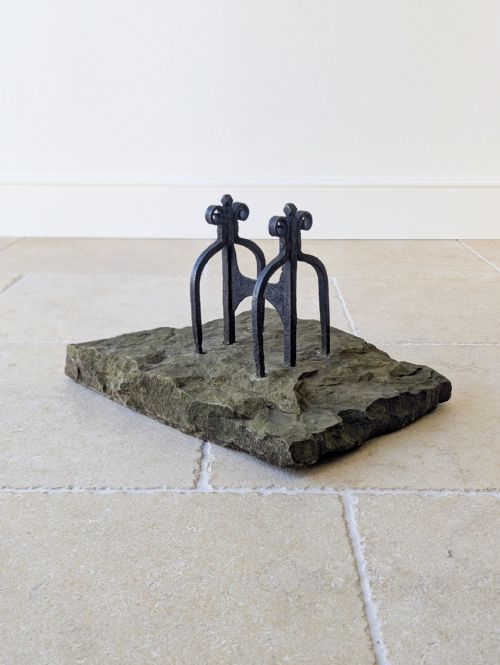
An antique shoe wiper takes the form of a sturdy metal blade combined with a stone block or structural pull, designed to scrape mud from footwear before entering the house. These practical objects stand at doorways and thresholds to protect interior floors from the dirt of the street and garden.
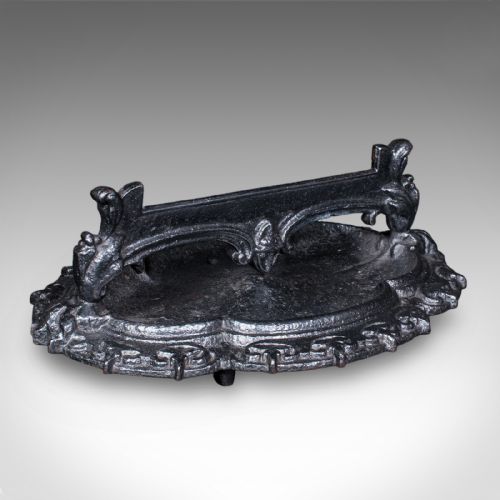
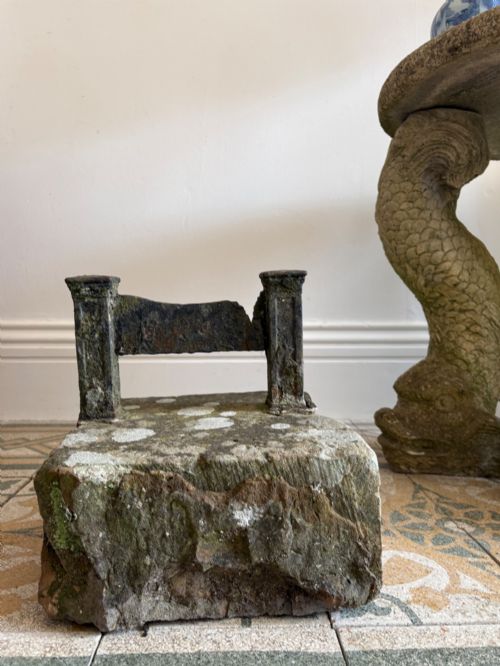
The versions most commonly met on this page date from the Georgian, Regency, and Victorian periods, often taking the form of cast iron or wrought iron blades inset into heavy blocks of Yorkstone or hewn stone. Some examples incorporate an integrated pull or stand as a pair outside townhouses and country residences.
How they were made
Makers shaped the metal components using traditional casting and smithing techniques, producing durable cast iron blades and wrought iron frames that resist heavy daily use. These blades were then secured firmly into massive stone bases, such as Yorkstone and hewn stone blocks, to anchor the scraper against the force of a boot.
Designers applied various architectural styles to the ironwork, incorporating Gothic Revival motifs and Regency proportions into the functional hardware. The integration of metalwork and masonry required precise fitting so the scraper remained stable on the doorstep through decades of service.
Antique Shoe Wiper Retail Price Guide 2026
Typical asking prices for shoe wiper among the pieces listed under this phrase on Sellingantiques today, from the lower quarter to the upper quarter. They describe what is for sale here now, not the wider market.
Current listings feature pieces spanning the Georgian, Regency, and Victorian periods, constructed from cast iron, wrought iron, Yorkstone, and stone.
What varies in quality
The distinction between standard utility items and finer examples lies in the weight and architectural ambition of the stone base and ironwork. Country house and townhouse pieces often display heavier masonry, larger proportions, and decorative elements like lion forms or Gothic Revival details rather than simple industrial casting.
Execution of the metal blade and the security of its seating within the stone foundation determine the integrity of the piece. Better examples retain their original pairing of heavy stone and substantial iron, showing clean lines in the ironwork and solid mass in the foundation block.
The Antique Shoe Wiper Glossary
- Boot scraper
- A metal blade mounted near a doorway specifically for scraping mud and dirt from the soles of shoes and boots. It forms the primary functional element of an antique shoe wiper.
- Yorkstone
- A durable sandstone quarried in Yorkshire, frequently used as the heavy foundation block to anchor iron boot scrapers. Its weight keeps the scraper stable during use.
- Wrought iron
- Iron beaten and shaped by hand while hot, commonly used in Georgian scrapers for its toughness and fibrous structure. It differs from cast iron by being malleable rather than poured into a mould.
- Gothic Revival
- An architectural and decorative style drawing inspiration from medieval design, visible on some nineteenth-century scrapers through pointed arches and ecclesiastical motifs.
Antique Shoe Wiper: Frequently Asked Questions
Where were antique shoe wipers placed?
These scrapers stand immediately outside exterior doorways, entrance halls, and threshold steps of townhouses and country residences. They sit directly on the ground or are secured near the entrance to catch mud before visitors cross the threshold.
Property owners positioned them where foot traffic met the house, ensuring guests and residents could clean their footwear before stepping onto interior carpets or floors.
What is the difference between cast iron and wrought iron on scrapers?
Cast iron is poured molten into a mould, creating rigid forms and detailed decorative motifs like lions or architectural flourishes. Wrought iron is hammered and shaped by hand while hot, yielding a tougher, fibrous material suited to structural blades.
Many pieces combine a cast iron or wrought iron blade with a heavy stone base to anchor the entire assembly against the force of a boot.
How do you date an antique shoe wiper?
Dating relies on the stylistic clues of the ironwork, such as Regency proportions or Gothic Revival pointed details, combined with the form of the stone base. Georgian examples often feature hand-worked wrought iron, while Victorian pieces typically utilise mass-produced cast iron.
The context of the design and the manufacturing method of the metal provide the clearest indications of the period of production.
Can antique shoe wipers still be used outside?
These robust objects are built from heavy iron and stone, making them durable enough to function beside a modern doorway just as they did in the nineteenth century. Their substantial weight and weather-resistant materials withstand outdoor conditions.
Placing one outside an entrance maintains its original purpose while adding period character to a doorstep.