


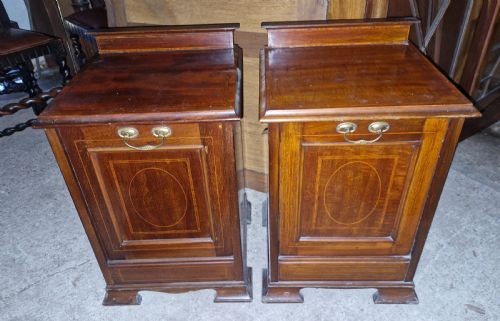


Antique Shoe Storage
Antique shoe storage brings together practical timber hallway stands, robust racks and enclosed cabinets designed to keep footwear tidy.
Antique Shoe Storage
When you search for antique shoe storage, you encounter functional hallway furniture and dedicated compartments created to organise footwear across domestic spaces. These pieces emerge from the Victorian, Edwardian and early twentieth-century periods, reflecting the domestic habits of past households.
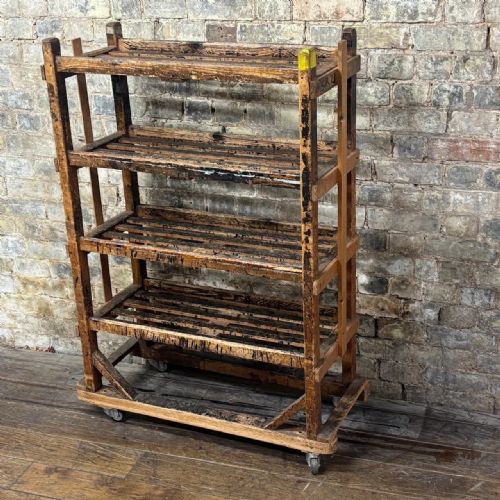
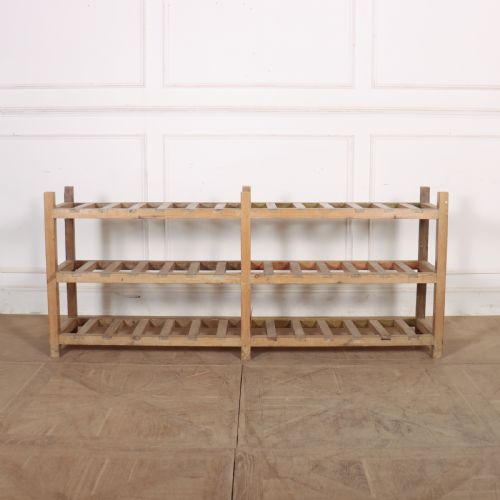
The selections available include low cupboards, open boot racks, revolving bootstands, slipper boxes and storage chests. Oak, mahogany, pine and walnut form the structural basis of these domestic items.
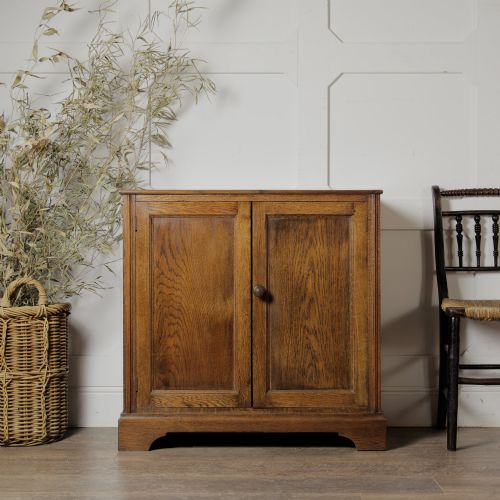
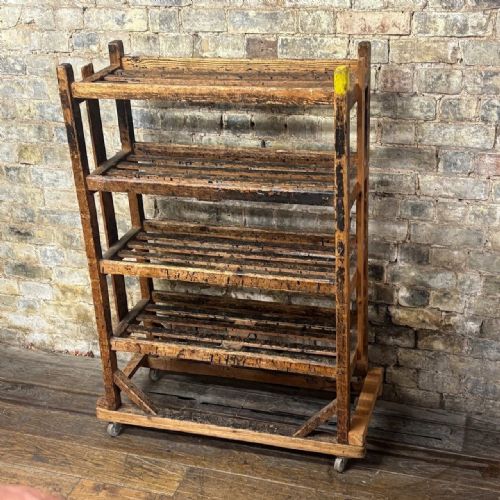
Victorian and Edwardian iterations frequently take the form of enclosed cabinets, boot racks or upholstered ottomans intended for hallways and bedrooms. Early twentieth-century examples lean towards industrial wooden trolleys and solid oak low cupboards.
How they were made
Timbers such as oak, mahogany, pine and walnut provide the solid foundations for these storage pieces, shaped through traditional carpentry and joinery techniques. Metal components, brass fittings and iron hardware appear on operational elements like revolving bootstands and industrial trolleys.
Surface treatments range from waxed and polished finishes on hardwood cabinets to fabric upholstery on storage chests and ottomans. Inlaid details and panel construction demonstrate the decorative standards applied to Edwardian and Victorian hallway furniture.
A revolving bootstand gives your hallway the quiet mechanical efficiency of a Victorian revolving bookcase, just for muddy footwear.
What varies in quality
The distinction between standard utility items and finer examples rests upon the selection of timber and the sophistication of the joinery. Solid hardwoods like mahogany and oak impart greater structural integrity than secondary softwoods.
Refinement in hardware, such as brass fittings on revolving stands and thoughtful inlay work on bedside cabinets, elevates the visual presence of a piece. Original operational mechanisms that turn smoothly or doors that hang true indicate careful initial construction.
The Antique Shoe Storage Glossary
- Boot rack
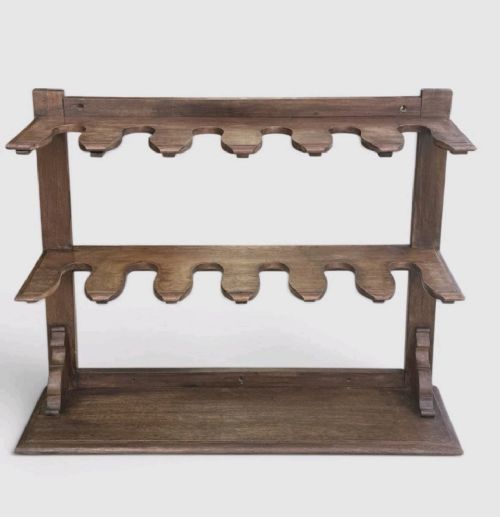
- A structured frame or rack designed specifically to hold riding boots or footwear upright. These often feature individual slots or vertical pegs to maintain the shape of tall leather boots.
- Slipper box
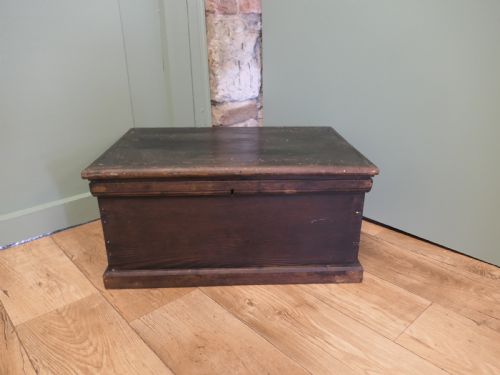
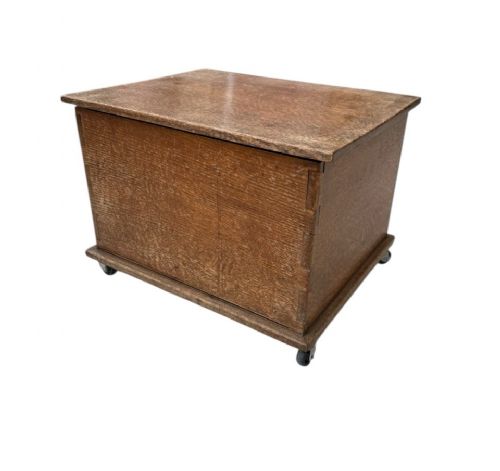
- A compact storage trunk or box traditionally positioned near a fireplace or in a bedroom for holding indoor slippers. They frequently incorporate a hinged lid and solid timber construction.
- Revolving bootstand
- A rotating vertical stand engineered to hold multiple pairs of boots in a compact footprint. This clever mechanical design allowed a household to access footwear efficiently in a narrow hallway.
- Storage chest
- A large covered box utilised for containing household goods, textiles or footwear. Pine and mahogany versions often include hinged tops and sturdy framing.
Antique Shoe Storage: Frequently Asked Questions
What types of antique shoe storage exist?
The category encompasses a varied selection of nineteenth and early twentieth-century furniture designed for footwear. Buyers encounter open boot racks, revolving stands, slipper boxes, upholstered storage trunks and low hallway cupboards.
Materials range from durable pine and solid oak to figured mahogany and walnut. Each form served a distinct purpose in traditional hallway or bedroom organisation.
How were boot racks used historically?
Boot racks and revolving bootstands held outdoor footwear and riding boots in grand hallways or boot rooms. Keeping boots elevated and organised protected domestic floors from mud and moisture.
Enclosed cabinets and slipper boxes kept indoor shoes tidy and close at hand. Many items were positioned near main entrances to manage the daily footwear of the household.
How do I date antique shoe storage?
Dating relies upon observing the timber species, construction methods and stylistic markers associated with specific eras. Victorian and Edwardian pieces often display rich mahogany or walnut veneers, turnings and brass hardware.
Early twentieth-century items tend towards simpler solid oak constructions or industrial wooden trolleys. Regional vernacular pieces, such as Scottish pine racks, display local cabinet-making traditions.
How do I fit antique shoe storage at home?
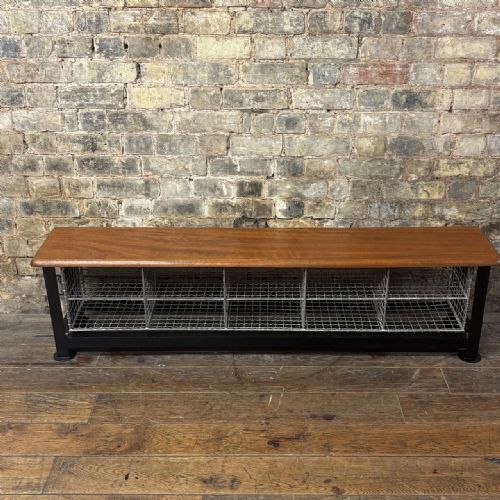
These pieces integrate naturally into modern hallways, boot rooms, bedrooms and living spaces as functional furniture. Low cupboards and benches with shoe storage double as practical seating areas.
Enclosed cabinets conceal footwear entirely while providing a solid surface for lamps or hallway accessories. Open racks and revolving stands offer immediate access and display the character of older timbers.