




Antique Shield Jewellery
Antique shield jewellery brings together historic symbolism and distinctive heraldic forms, offering collectors pieces fashioned from silver, gold, and enamel.
Antique Shield Jewellery
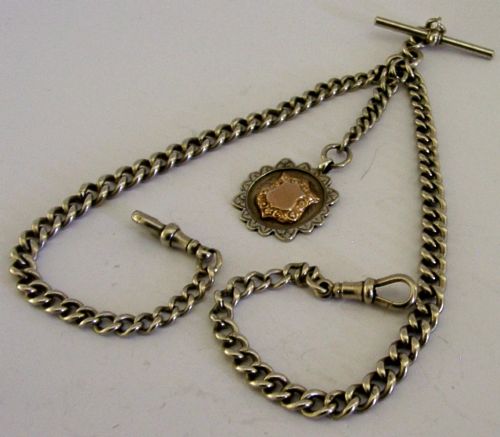
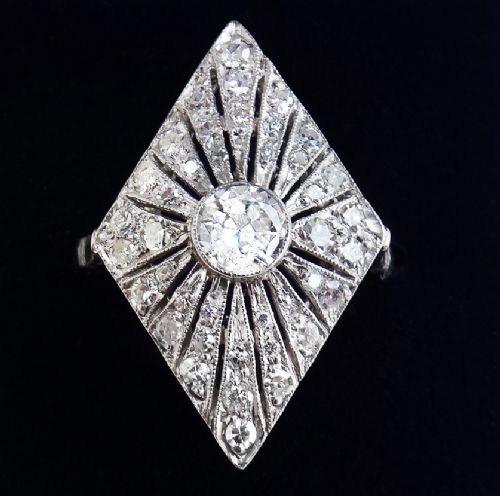
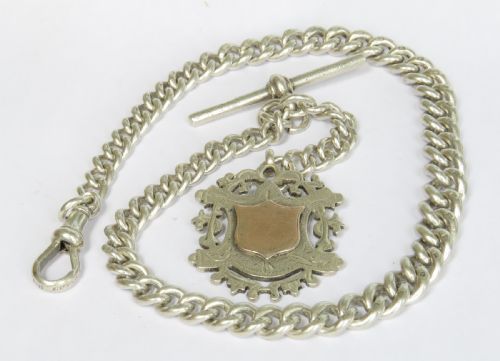
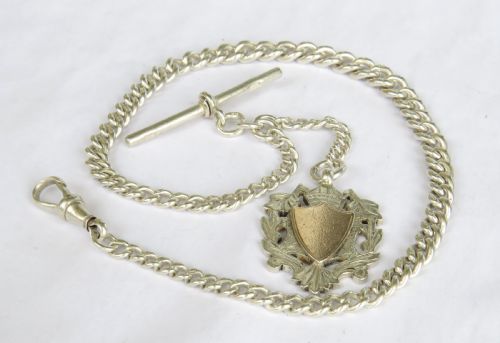
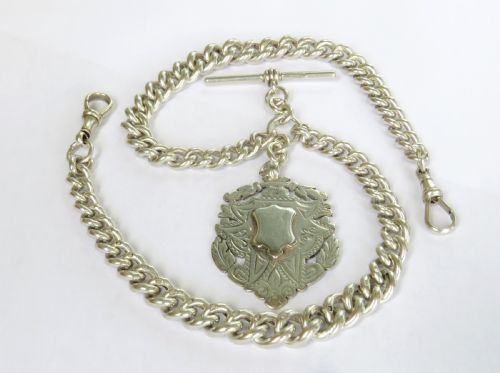
When searching for antique shield jewellery, buyers encounter a diverse selection of items including pocket watch fobs, pendants, rings, and brooches. These objects span multiple eras, encompassing Victorian, Edwardian, Art Deco, and earlier periods.
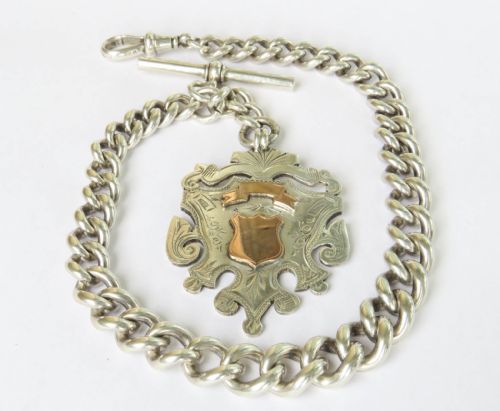
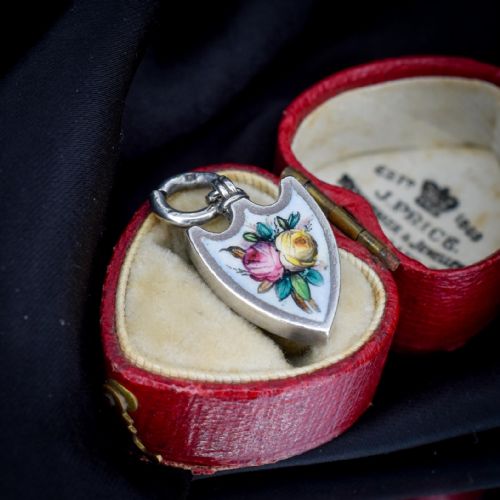
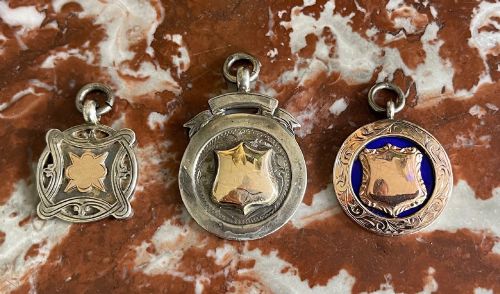
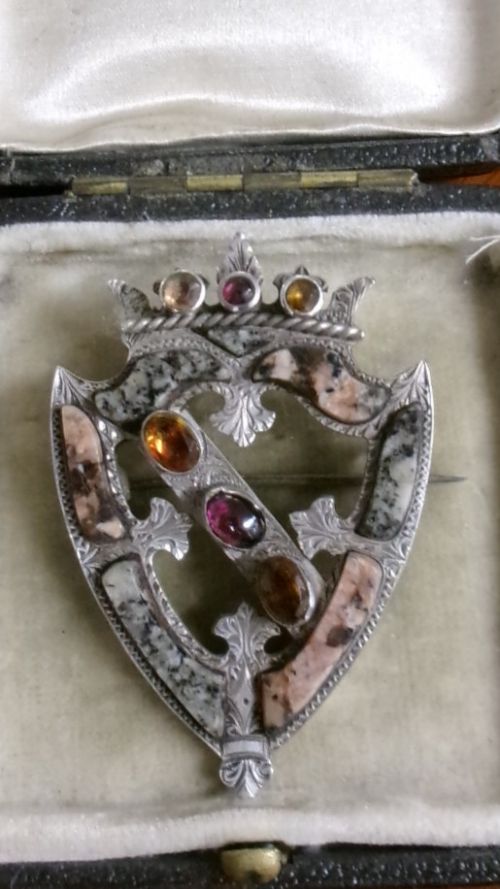
The most prevalent forms on this page include sterling silver watch fobs, enamel charms, and gold medals from the late nineteenth and early twentieth centuries. Pieces often incorporate regional motifs such as Scottish agate or Scandinavian floral designs.
Earlier examples also appear, ranging from nineteenth century kilt pins to pre-sixteenth century bronze signet rings. Each object utilises the characteristic heraldic silhouette to display engravings, gemstones, or commemorative details.
Materials and construction methods
Metals form the structural foundation of these pieces, utilising sterling silver, nine carat gold, eighteen carat gold, platinum, and bronze. Artisans shaped these metals into distinct geometric and heraldic silhouettes.
Surface ornamentation relies on vitreous enamel, rose gold accents, and flush or cluster set diamonds and sapphires. Hand engraving and hallmark stamping frequently record the origins and dates of the work.
Antique Shield Jewellery Retail Price Guide 2026
Typical asking prices for shield jewellery among the pieces listed under this phrase on Sellingantiques today, from the lower quarter to the upper quarter. They describe what is for sale here now, not the wider market.
Materials represented across the inventory include sterling silver, platinum, enamel, agate, and various karats of gold.
Distinctions in craftsmanship
Quality differentiates through the crispness of hand engraving and the structural integrity of applied enamel work. Finer examples maintain uncompromised metal edges and secure gemstone settings without visible solder repairs.
The sophistication of the design and the clarity of maker marks or hallmarks elevate the standing of a piece. Substantial gauge metals and well-preserved stones distinguish the superior items within the range.
Charles Horner·Taye Kenning & Spencer Ltd
The Antique Shield Jewellery Glossary
- Watch fob
- A small ornamental pendant attached to a pocket watch chain. These often took heraldic or shield shapes and recorded club memberships or sporting victories.
- Enamel
- Vitreous material fused to metal through high temperature firing. It provides smooth, colourful decoration across pendants and fobs.
- Hallmark
- Official stamp applied to precious metals indicating purity and assay office origin. These marks assist in dating items accurately.
- Agate
- A variety of chalcedony quartz used in Scottish nineteenth-century jewellery. It appears sliced and polished within brooches and pins.
- Signet ring
- A finger ring featuring an engraved crest or symbol used historically for sealing documents. Pre-modern examples are cast in bronze or gold.
Antique Shield Jewellery: Frequently Asked Questions
What is an antique watch fob?
A watch fob is a short decorative pendant suspended from a pocket watch chain. They were frequently cast in shield forms to display club badges, monograms, or commemorative engravings.
Over time, these functional items transitioned into collectible decorative pendants worn independently on necklaces or charm bracelets.
How do I date silver shield jewellery?
Dating relies heavily on official hallmarks stamped into the metal by assay offices. These stamps indicate the year of testing and the town of origin.
Stylistic cues such as Edwardian filigree, Victorian agate work, or Art Deco geometric framing also help narrow the period of manufacture.
What materials are used in these pieces?
Makers utilised sterling silver, nine carat gold, eighteen carat gold, and platinum as primary structural metals. Accents of rose gold, bronze, and diamond frequently enhance the composition.
Coloured vitreous enamel was also applied to surfaces to create floral patterns or heraldic emblems.
How should I care for enamel jewellery?
Enamel consists of fused glass and requires gentle handling to prevent chipping or scratching. Avoid ultrasonic cleaners, harsh chemicals, and physical impacts against hard surfaces.
Store pieces individually in soft pouches to protect the delicate vitreous surfaces from abrasion.