



Antique Shepherdess Figure
An antique shepherdess figure brings pastoral charm to a room, cast in soft-paste or hard-paste porcelain and bronze.
Antique Shepherdess Figure
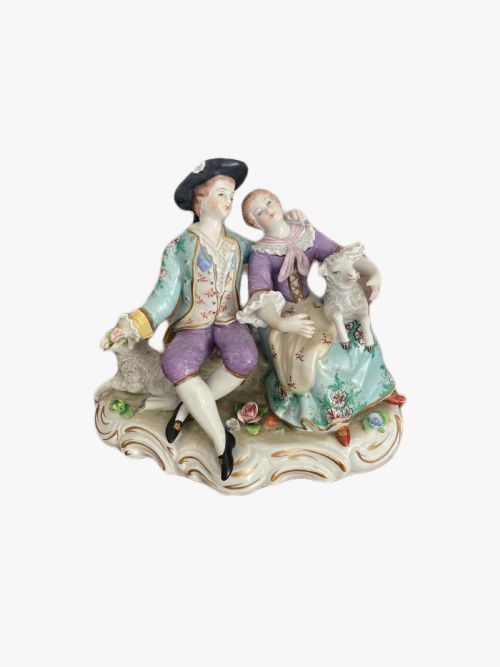
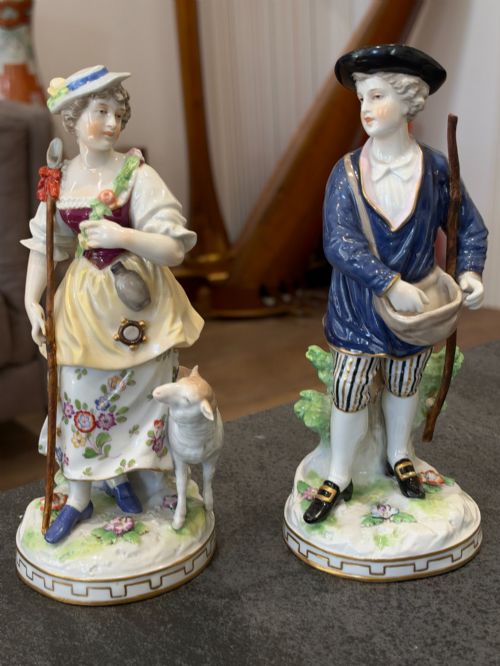
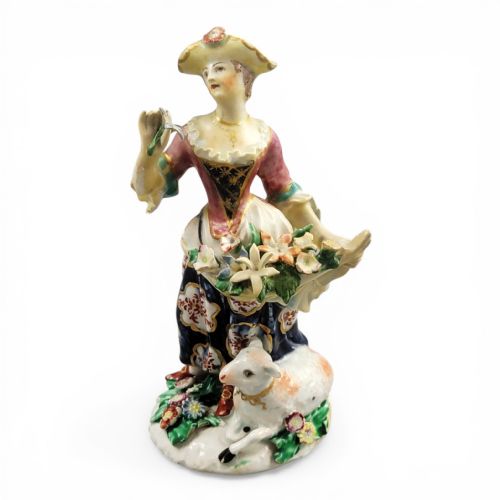
An antique shepherdess figure represents a pastoral theme that captivated European makers throughout the eighteenth and nineteenth centuries. These pieces typically take the form of porcelain figurines, sculptures, or figural candlesticks depicting female figures accompanied by sheep, lambs, or floral details.
The versions most commonly met on this page span the Georgian and nineteenth-century periods, with English factories like Derby and Bow sitting alongside continental makers from Germany and France. Forms range from single cabinet figures to large pairs created in styles such as Rococo, Rococo Revival, and Art Nouveau.
Makers drew inspiration from classical pastoral ideals, translating rustic subjects into highly decorative domestic objects. Whether modelled as independent statuettes or incorporated into functional candlesticks, these figures capture a romanticized view of rural life.
Materials and production methods
Makers utilised porcelain, including soft-paste and hard-paste varieties, alongside bisque porcelain and bronze to shape these pastoral subjects. Surface enrichment often involved enamel painting, gilding, and applied gold leaf to highlight garments and natural elements.
Moulding and casting techniques allowed factories to produce intricate details such as floral garlands, woolly coats on sheep, and elaborate rococo bases. Many nineteenth-century French and German pieces followed earlier eighteenth-century English models, employing traditional ceramic manufacturing processes.
Antique Shepherdess Figure Retail Price Guide 2026
Typical asking prices for shepherdess figure among the pieces listed under this phrase on Sellingantiques today, from the lower quarter to the upper quarter. They describe what is for sale here now, not the wider market.
Listings feature figures spanning the eighteenth, nineteenth, and twentieth centuries, utilising both soft-paste and hard-paste porcelain alongside bronze.
Distinguishing quality in pastoral figures
The refinement of the modelling separates superior figures from simpler production pieces, particularly in the expression of the face and the natural fall of drapery. Crisp detailing in applied elements like flowers and foliage indicates a higher level of craftsmanship during the manufacturing process.
The application of enamel colours and gilding contributes significantly to the visual impact of a piece, with careful hand-painting achieving greater depth and realism. Additionally, the provenance and historical lineage of a factory, such as early Derby output versus later revival styles, influence the standing of the work.
Derby porcelain·Bow Porcelain·Samson Chelsea·Sitzendorf porcelain·Vion and Baury·Royal Dux·Leon Pilet
The Antique Shepherdess Figure Glossary
- Soft-paste porcelain
- A vitreous ceramic material composed of clay and glass frit, fired at lower temperatures than hard-paste porcelain. It is frequently found in early English figures from the eighteenth century.
- Hard-paste porcelain
- A true porcelain made from kaolin and petuntse, fired at high temperatures to create a dense, durable body. This material resists scratching and was widely used by continental European factories.
- Bisque porcelain
- Unglazed porcelain with a matte, white finish resembling marble, popular for nineteenth-century sculptural groups. It highlights the fine detail of the modeller's work without the interference of glossy glaze.
- Figural candlestick
- A decorative lighting device incorporating a sculpted human or animal figure into the stem or base. These functional pieces combine illumination with ornamental display.
- Rococo Revival
- A nineteenth-century design style that revives the asymmetrical curves, C-scrolls, and ornamental exuberance of the mid-eighteenth century. It appears frequently in bases and framing elements of Victorian figures.
Antique Shepherdess Figure: Frequently Asked Questions
How do I identify an eighteenth-century figure?
Eighteenth-century examples often display the characteristic body properties of early soft-paste porcelain and simpler patch marks from kiln furniture. They reflect the original aesthetic standards of factories like Bow or Derby before later revival movements.
Examination of the modelling style and glaze can also help distinguish true period pieces from nineteenth-century continental copies and adaptations.
What is the difference between Derby and Samson pieces?
Original Derby figures date to the Georgian period and represent direct eighteenth-century English ceramic production. Samson of Paris specialised in producing revival and replica pieces during the nineteenth century, often paying homage to earlier styles.
Markings and the specific characteristics of the paste usually clarify whether a piece is an early factory original or a later nineteenth-century interpretation.
Where were these figures displayed?
These decorative objects typically occupied prominent positions on mantelpieces, side tables, and within cabinet displays in bourgeois and aristocratic homes. Figural candlesticks additionally served a practical purpose on dining tables or in parlours.
Their pastoral subjects were intended to bring a refined, decorative element of rural tranquillity into formal interior spaces.
Why do some figures have lambs or sheep?
The inclusion of sheep and lambs reinforces the pastoral theme, which romanticised shepherds and shepherdesses as symbols of innocence and peaceful rural existence. This iconography drew upon long-standing artistic traditions in European porcelain and sculpture.
Floral garlands and rustic attributes were added to enhance the idyllic narrative depicted by the maker.