

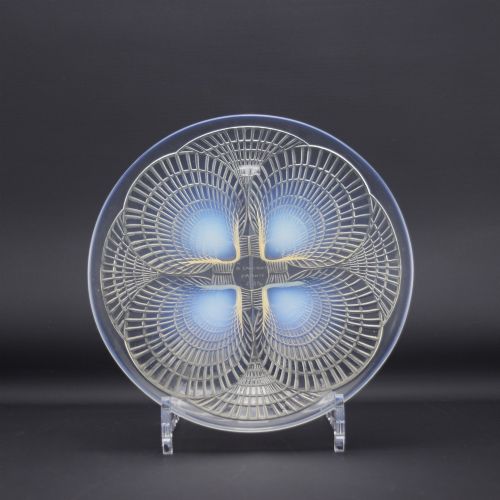


Antique Shell Dish
An antique shell dish brings the sculptural curves of the sea into domestic spaces through silver, porcelain and glass.
Antique Shell Dish
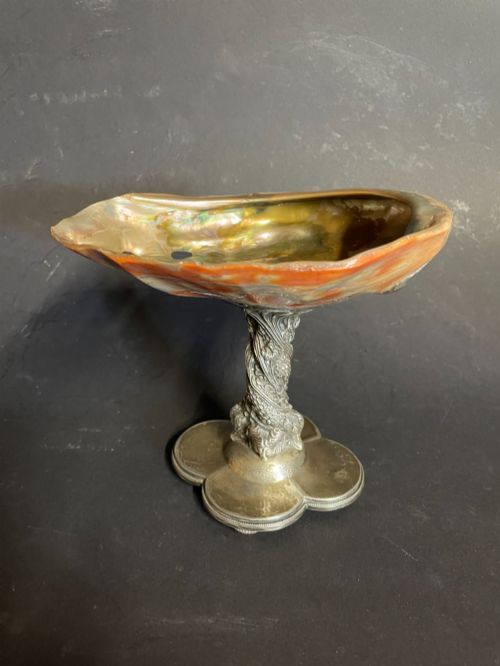
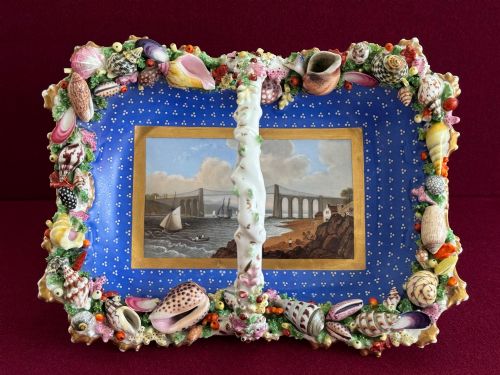
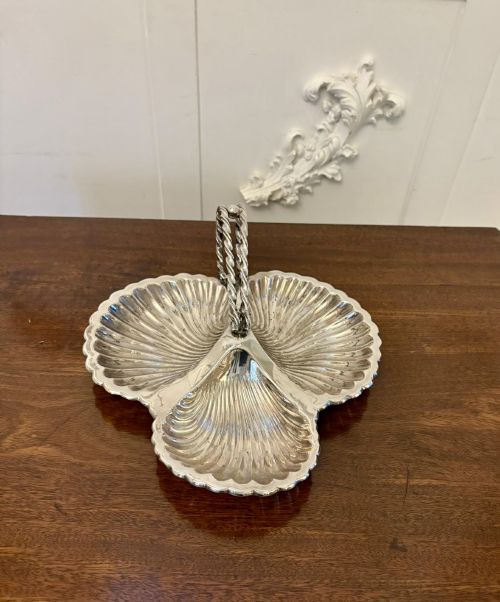
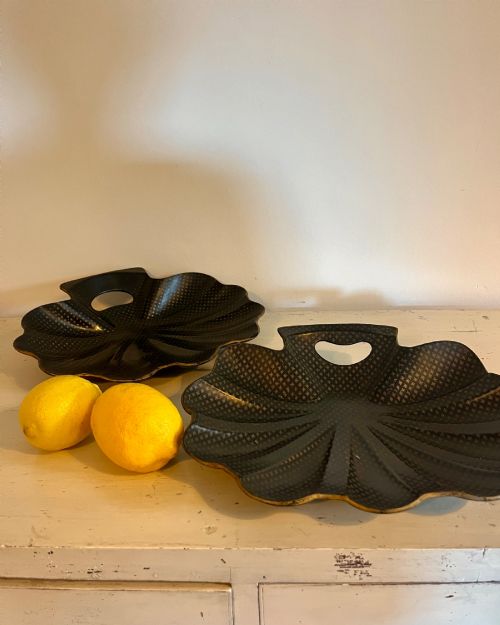
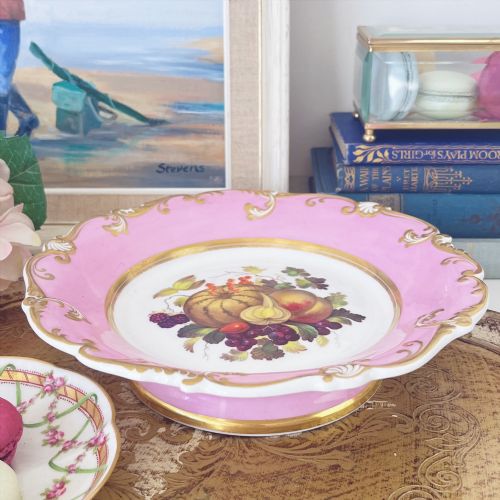
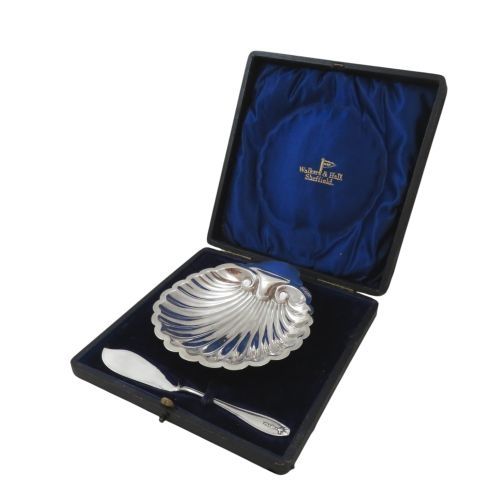
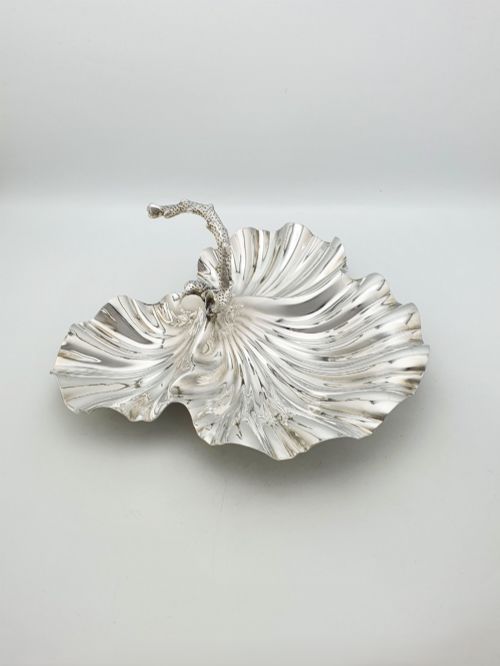
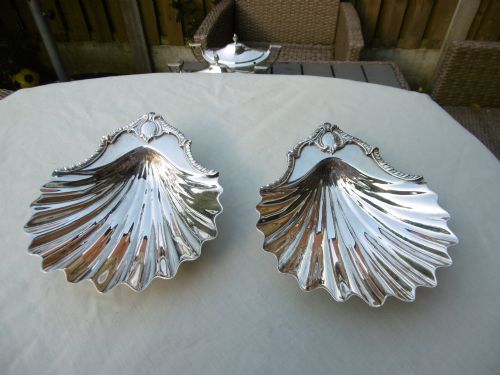
An antique shell dish takes many forms across the centuries, appearing as delicate porcelain sweetmeat stands, heavy silver butter dishes and opalescent glass plates. Buyers seeking an antique shell dish encounter pieces shaped as natural scallops, clams and abalone shells, often resting on diminutive feet or holding fruit and small condiments.
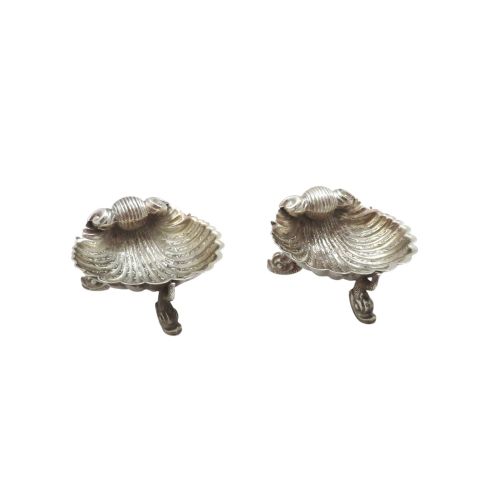
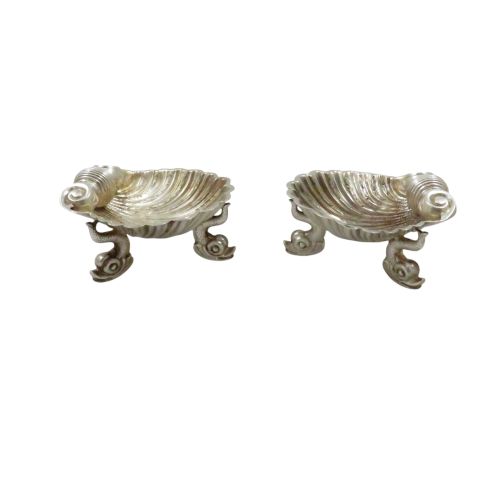
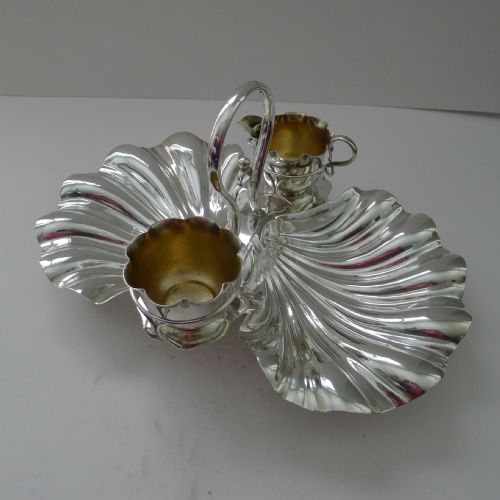
The materials span soft-paste porcelain from the eighteenth century, sterling silver from the Victorian and Edwardian eras, and pressed glass from the nineteen-twenties. Forms range from single trinket trays to large centrepieces and pairs of salt cellars with dolphin or coral supports.
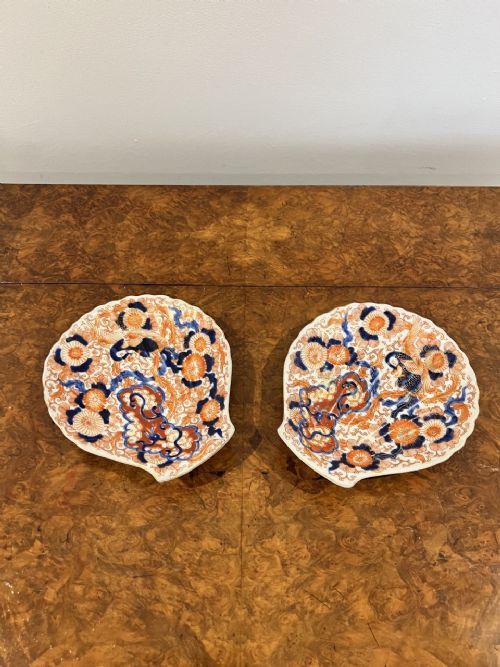
Origins stretch across English factories like Worcester and Derby, French faience workshops, and Japanese Imari kilns. These functional vessels served dining tables for butter, sugar and sweetmeats before transitioning to decorative display.
How they were made
Silver shell dishes were cast, chased and hallmarked by silversmiths, sometimes utilising silver gilt or electroplated nickel silver over a base metal. Makers formed the ribbed contours of the shell by hand or press, adding details like dolphin feet and stylised coral handles.
Porcelain examples required meticulous moulding to capture the fluted ridges of a scallop shell, followed by underglaze painting, hand-applied enamels and gilt edges. Factories such as Worcester fired these pieces at high temperatures before applying polychrome floral sprays or transfer-printed scenes.
Glass pieces emerged from pressed and opalescent techniques, where molten material filled metal moulds to create tactile, translucent reliefs.
Some nineteenth-century silver dishes rest upon tiny sculpted dolphins rather than standard feet.
What varies in quality
Quality rests upon the crispness of the moulding and the clarity of the chased detail in silver or the painted palette on porcelain. A sharper definition along the fluted edges of a shell indicates a superior cast or a finer porcelain mould.
Hand-painted elements demonstrate artisan skill through controlled brushwork on floral sprays and fruit panels, distinguishing standard factory output from exceptional studio work. The weight of the metal and the purity of the opalescent glass also dictate the standing of the piece.
Maker marks and clear silver hallmarks provide documentary evidence of origin, elevating the standing of silver and porcelain specimens alike.
Chamberlain Worcester·H & R Daniel·Mappin & Webb·William Plummer·Goldsmiths & Silversmiths·Daniel Arter·Rene Lalique·Barr Flight and Barr·WMF·Royal Worcester·Edward Farrell·Royal Dux·Meissen
The Antique Shell Dish Glossary
- Sweetmeat stand
- A small pedestal dish designed for holding confectioneries, nuts or dried fruits. These often take the form of scallop shells supported on short stems.
- Comport
- A raised serving dish or tazza placed in the centre of a dining table. They frequently feature shell motifs and hand-painted fruit panels.
- Soft-paste porcelain
- An artificial porcelain compound fired at lower temperatures than hard-paste, common in eighteenth-century English factories. It yields a warm glaze and deep absorption of enamels.
- Opalescent glass
- Glass containing agents that create a milky, multi-coloured glow when light strikes the surface. This technique defined many decorative plates of the nineteen-twenties.
- Vide-poche
- A small decorative tray intended for emptying pockets of loose items upon entering a room. French examples often utilise faience and blue and white glazes.
Antique Shell Dish: Frequently Asked Questions
How were shell dishes used?
These dishes held butter, salt, sweetmeats or small fruits on formal dining tables.
Smaller versions served as trinket trays or vide-poches in private rooms.
Are silver shell dishes hallmarked?
Most solid silver pieces bear hallmarks indicating the assay office, maker and year of production.
Silver-plated items usually carry maker stamps rather than official sterling marks.
How do I date a Worcester shell dish?
Early periods feature distinct crescent or square factory marks beneath the glaze.
Stylistic shifts from eighteenth-century rococo curves to nineteenth-century floral gilding help narrow the decade.
Can I use antique shell dishes daily?
Silver and ceramic pieces handle gentle daily use for dry foods or display.
Softer materials like opalescent glass and delicate nineteenth-century gilt require careful hand-washing.