

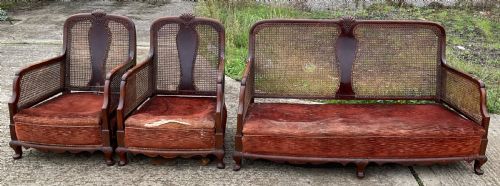
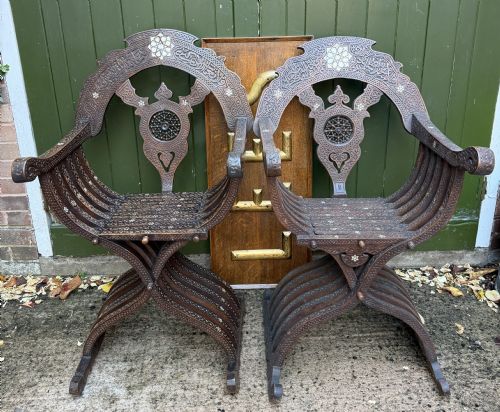

Antique Shell Chair
An antique shell chair brings distinct carved fluting and curved timber into a room, offering both practical seating and decorative focus.
Antique Shell Chair
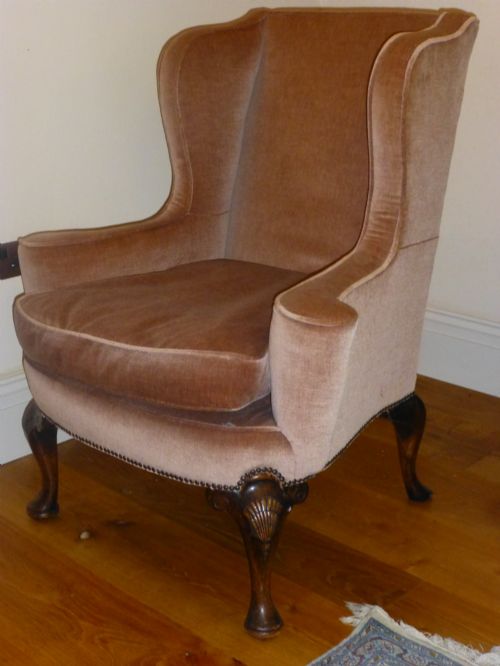
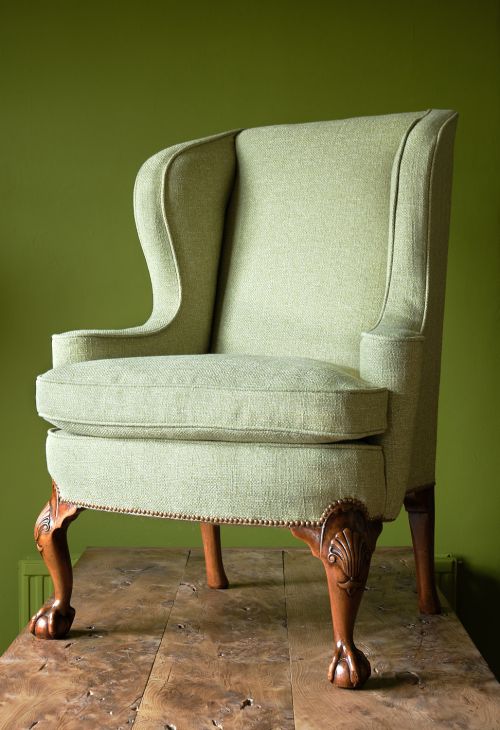
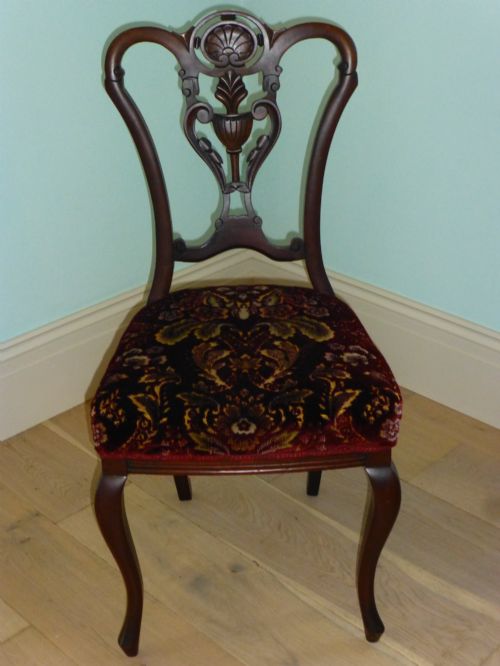
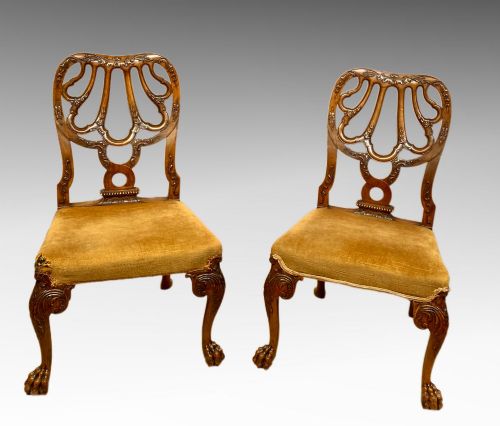
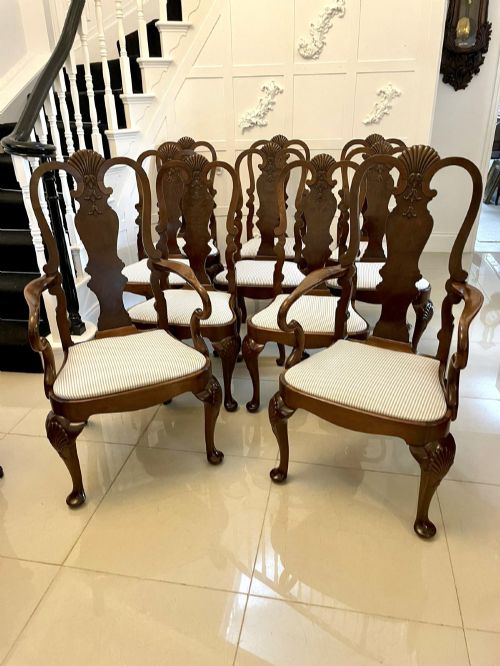
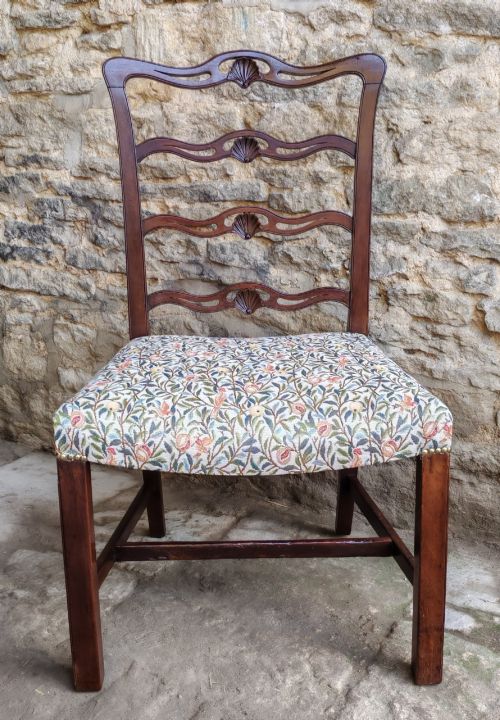
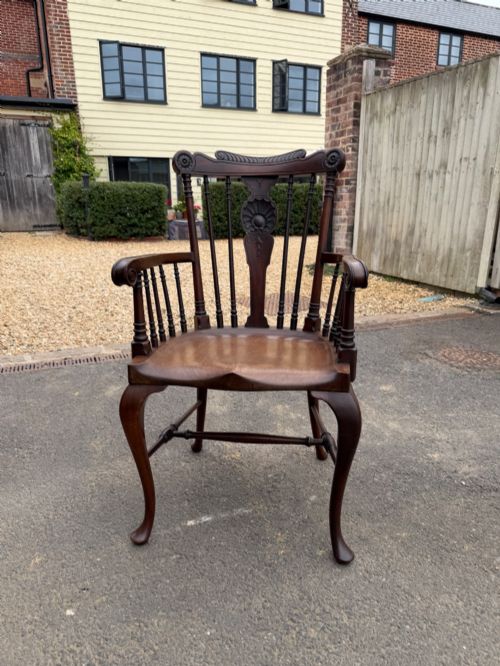
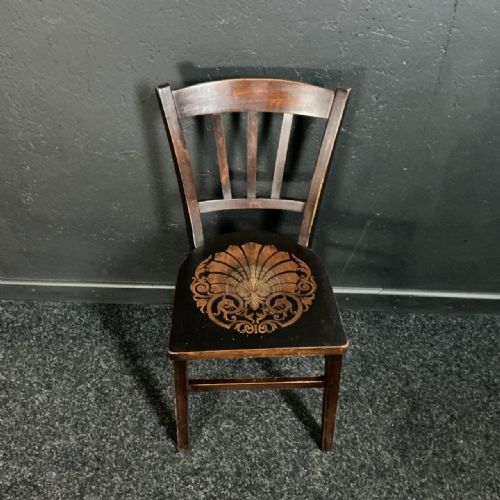
An antique shell chair centres on carved backrests resembling scalloped marine shells, appearing across formal hall chairs and occasional seating. These pieces emerge primarily from the eighteenth and nineteenth centuries, spanning Georgian, Regency, and Victorian periods.
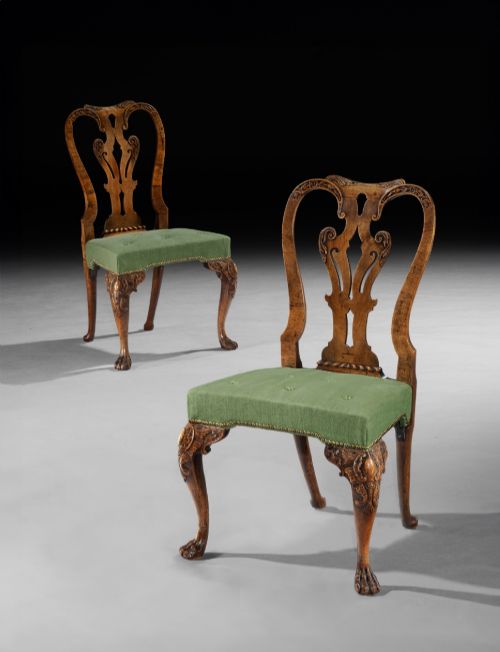
Buyers encounter revival interpretations alongside period originals, notably George II and Queen Anne revival pieces produced in the twentieth century. The overarching form remains consistent in its celebration of natural motifs carved directly into the wooden framework.
Materials and construction
Cabinetmakers constructed these seats using dense hardwoods, predominantly mahogany and walnut, which held crisp carved details without splitting along the grain. Selected pieces incorporated satinwood inlay or ebonised highlights to accentuate the structural lines.
Upholstered variants rely on traditional stuffing methods, securing textiles, leather, or velvet over webbing and coil springs within a sturdy wooden chassis. Carved details on the shell backs were executed by hand using gouges and chisels to achieve the signature ribbed texture.
Antique Shell Chair Retail Price Guide 2026
Typical asking prices for shell chair among the pieces listed under this phrase on Sellingantiques today, from the lower quarter to the upper quarter. They describe what is for sale here now, not the wider market.
Listings span the eighteenth, nineteenth, and twentieth centuries, incorporating Georgian, Victorian, and Edwardian periods.
Distinction in craftsmanship
Quality rests in the depth and sharpness of the hand-carved shell motif, where crisp fluting distinguishes superior cabinet work from shallow machine-finished replicas. The choice of timber grain also dictates value, with figured walnut and dense Cuban mahogany marking the upper tier.
Structural integrity defines the best survivals, showing tight joinery in the legs and back frame without excessive movement. Original surfaces and untouched patina elevate a piece far above heavily stripped or overly restored examples.
Gillows·Giles Grendey
The Antique Shell Chair Glossary
- Shell back
- A wooden or upholstered chair back carved or shaped to resemble a scallop shell. This design gained prominence during the Georgian and Regency eras.
- Hall chair
- A rigid wooden seat placed in an entrance hall, usually featuring a painted or carved crest or shell motif. These items were designed for brief seating rather than comfort.
- Revival
- A later stylistic movement copying historical periods, such as Queen Anne or George II styles produced in the twentieth century. These pieces employ earlier design vocabulary.
- Patina
- The surface sheen and colour acquired by wood and leather through decades of handling and ageing. A desirable patina shows genuine historic depth.
- Fauteuil
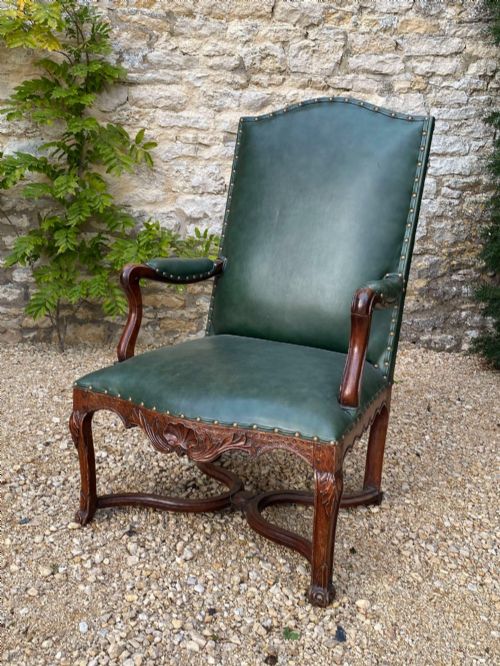
- An open-armed French armchair with padded armrests and an exposed wooden frame. Walnut and mahogany examples appear frequently in eighteenth-century designs.
Antique Shell Chair: Frequently Asked Questions
Where were shell chairs placed originally?
Hall chairs featuring carved shell backs stood in grand entranceways and lobbies to accommodate callers waiting for brief periods. Their solid wooden construction withstood heavy use and damp conditions near outer doors.
In domestic reception rooms, smaller occasional chairs and upholstered armchairs served as decorative seating. Pairs often flanked console tables or fireplaces to maintain symmetrical room arrangements.
How do I date an antique shell chair?
Dating relies on examining the timber species, tool marks, and overall joinery construction methods. Eighteenth-century models often display hand-sawn components and dense mahogany or walnut timbers.
Revival pieces from the twentieth century frequently use standardised screws and modern adhesives alongside older styling cues. Comparing the carved details to established period patterns clarifies the exact era of production.
Are these chairs suitable for daily use?
Wooden hall chairs function well for everyday seating when joints remain tight and stable. Solid timber construction handles regular placement around dining tables or desks without difficulty.
Upholstered variants might require re-webbing or new padding to support daily sitting comfortably. Assessing the internal frame strength ensures the antique withstands active residential environments.
What is the difference between a hall chair and an armchair?
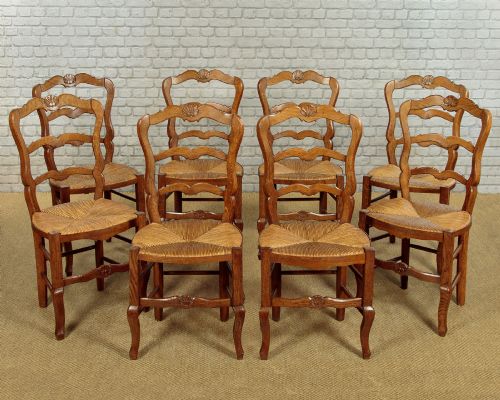
Hall chairs provide a rigid wooden seat and an upright back without armrests, designed primarily for formal entryways. Their decoration centres entirely on carved wooden backs, such as the shell motif.
Armchairs incorporate padded or open arms, offering relaxed seating suited for lounges and studies. They frequently feature upholstered leather or velvet surfaces over sprung frames.