



Antique Sheep Painting Framed
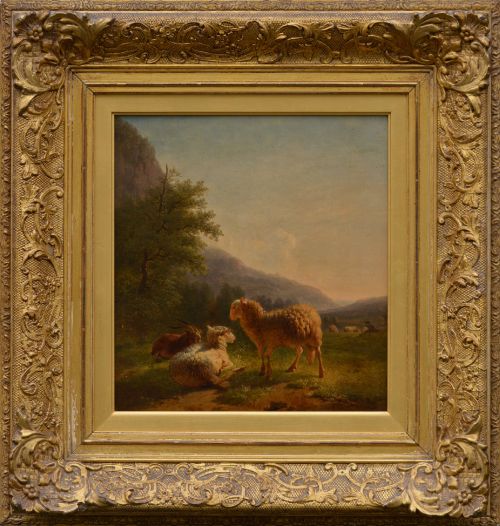
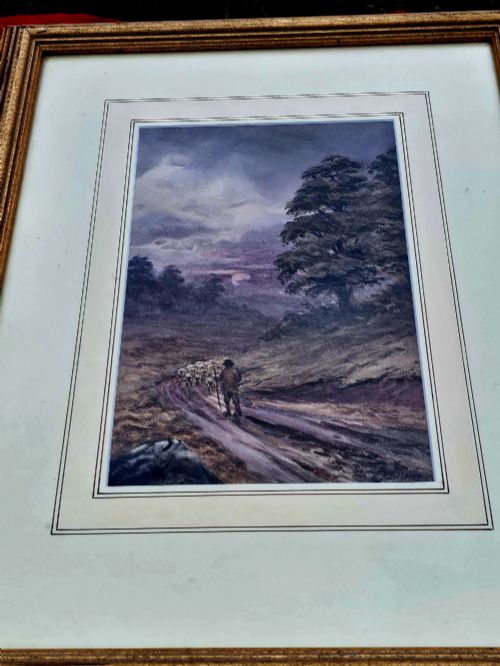
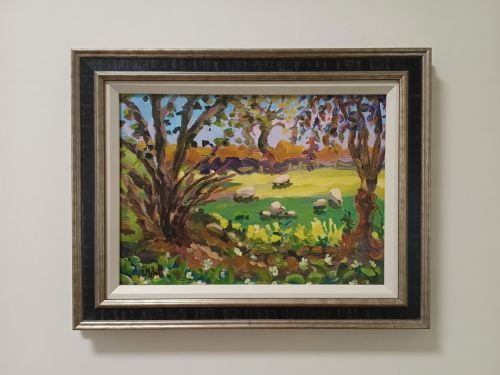
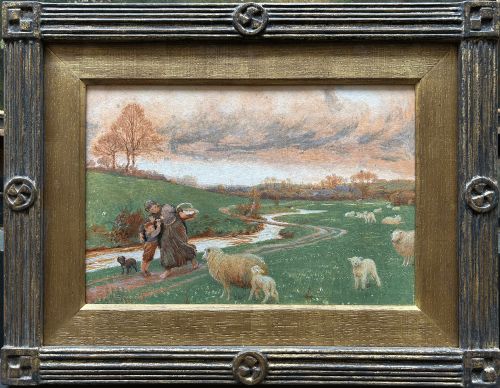
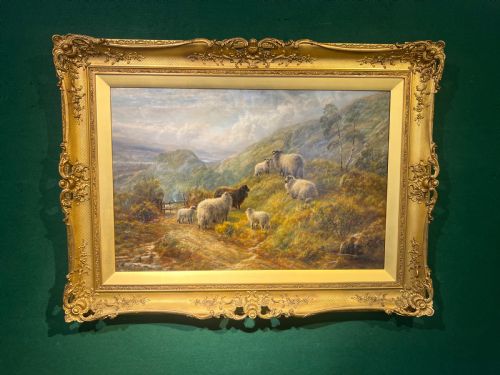
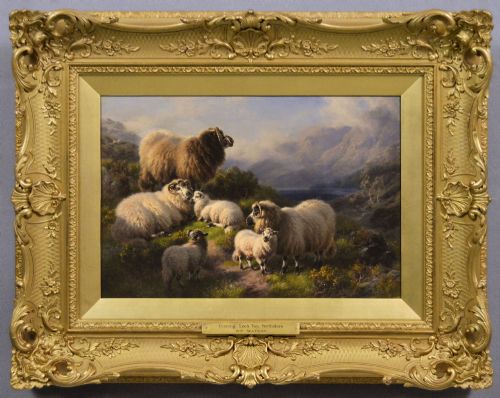
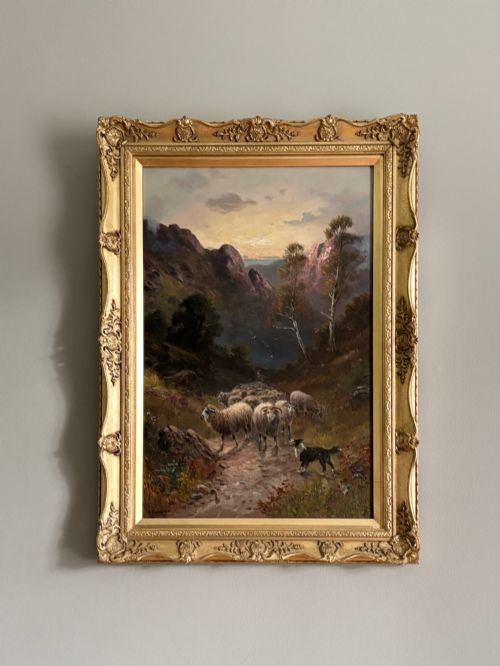
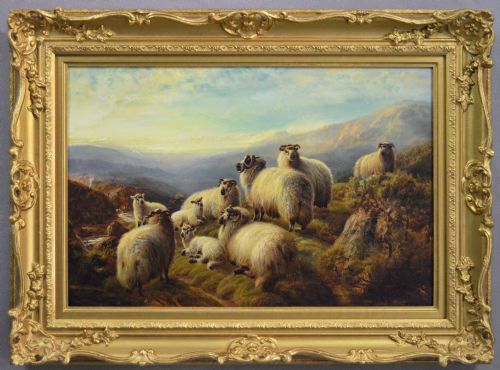
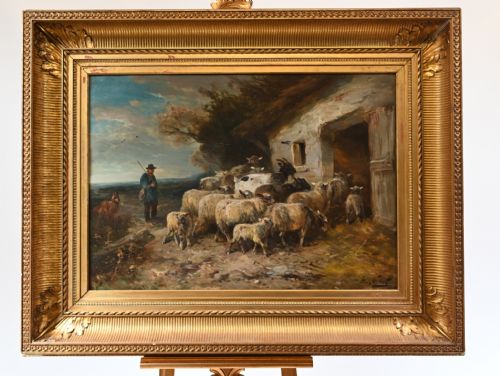
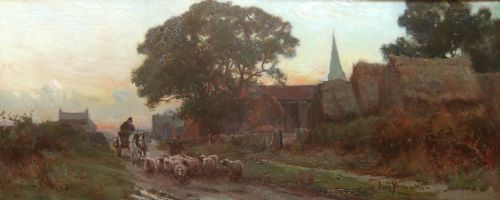
An antique sheep painting framed captures pastoral life across the nineteenth and early twentieth centuries through detailed oil on canvas or watercolour works.
Antique Sheep Painting Framed
An antique sheep painting framed presents rural scenes of flocks, shepherds and moorland landscapes from the nineteenth and early twentieth centuries. These works record agrarian life through Victorian fine art, pastoral styles and British impressionism.
The pieces on this page appear primarily as oil on canvas or watercolour paintings housed in period wooden frames with gesso and giltwood ornamentation. Common subjects range from Scottish highlands and Welsh valleys to Sussex pastures and Belgian farmland.
Most examples date from the Victorian era through the Edwardian period, capturing changing agricultural landscapes. Artists focused on the quiet rhythm of droving, grazing and sheltering livestock under changing skies.
How They Were Made
Artists painted primarily with oil on canvas or applied watercolour pigments to paper, capturing light and texture across rural subjects. Canvases were stretched over wooden frames and secured within decorative surrounds.
Frames utilise wood and gesso, frequently finished with giltwood layers to complement the visual depth of the artwork. Glass protects the delicate surface of paper watercolours while open canvases rely on varnished oil layers for preservation.
Subjects span British and European landscapes, including Scottish highlands, Welsh valleys, and Sussex pastures.
What Varies in Quality
Quality rests upon the artist's handling of light, anatomical precision in depicting animals and the atmospheric depth of the surrounding landscape. Skilled painters render fleece, wool texture and cloud formations with distinct brushwork rather than rigid formulas.
The integrity of the frame also defines the piece, with original gesso and giltwood mouldings adding substantial character compared to later replacements. Hand-signed works by recognised painters carry greater artistic distinction than anonymous school pieces.
Eugène Verboeckhoven·EJ Letheren·Frederick Walker·Robert Watson·William Watson Jnr·Douglas Cameron·Henry Schouten·F.J. Snell·Cornelius Pearson·Henry Charles Fox·William Henry Mander·Thomas Sidney Cooper·Franz van Severdonck·Owen Bowen·William Sydney Cooper·Robert John Hammond·Willem Anton Alexander Knip·Eugene Joseph Verboeckhoven·Walter J Watson·James de Rijk·Lorenzo Headley·Herbert Royle·Charles Jones·George Turner·A. Winter Shaw
The Antique Sheep Painting Framed Glossary
- Gesso
- A plaster-like mixture applied to wooden frames before gilding or painting. It provides a smooth base for intricate moulded ornamentation.
- Watercolour Painting
- Artwork created using water-soluble pigments on paper. These pieces require glass protection to prevent moisture damage.
- Oil on Canvas
- Pigment mixed with drying oil applied to a stretched fabric surface. This medium dominates nineteenth-century pastoral art.
- Pastoral Style
- An artistic genre depicting rural life, shepherds and livestock in idealized natural settings. It reflects nineteenth-century romanticism and realism.
Antique Sheep Painting Framed: Frequently Asked Questions
How do I date an antique sheep painting?
Dating relies on stylistic clues, framing techniques, and artist signatures recorded in the work. Nineteenth-century pieces often display distinct romantic or realist traits in their handling of light and landscape.
Examination of the canvas, stretcher bars, and framing materials provides additional context for determining the period of creation.
Where were these pastoral scenes usually painted?
Artists worked across diverse rural locations throughout Britain, including Scottish highlands, Welsh valleys, and Sussex pastures. Continental scenes from Belgium and the Netherlands also appear frequently.
Painters sought out authentic agricultural settings where flocks grazed near moorlands, country lanes, and coastal meadows.
How should I care for a framed oil painting?
Oil paintings on canvas require stable indoor humidity and protection from direct sunlight to prevent cracking. Dusting should occur gently with a soft, dry brush.
Avoid using liquid cleaners on the canvas or the giltwood frame to preserve the original surface materials.
What is the difference between oil and watercolour sheep paintings?
Oil paintings feature thick pigment applied to stretched canvas, offering rich textures and deep tones. Watercolours utilise translucent pigments on paper, requiring glass protection.
Both mediums captured the Victorian interest in rural subjects but produced distinct visual finishes.