

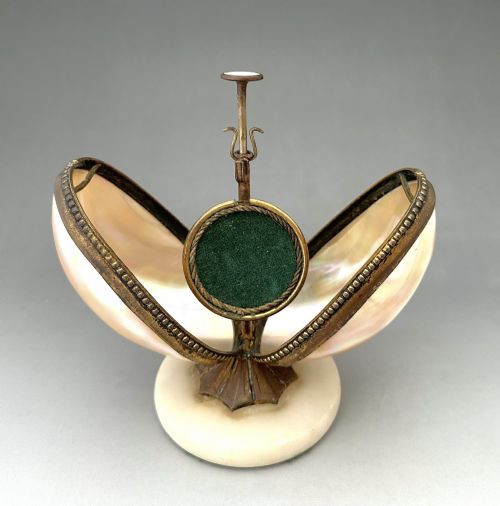
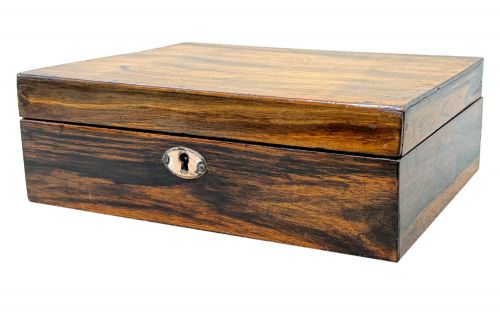


Antique Sewing Caddy
An antique sewing caddy offers a practical place to store needles and threads while bringing Regency and Victorian craftsmanship into a room.
Antique Sewing Caddy
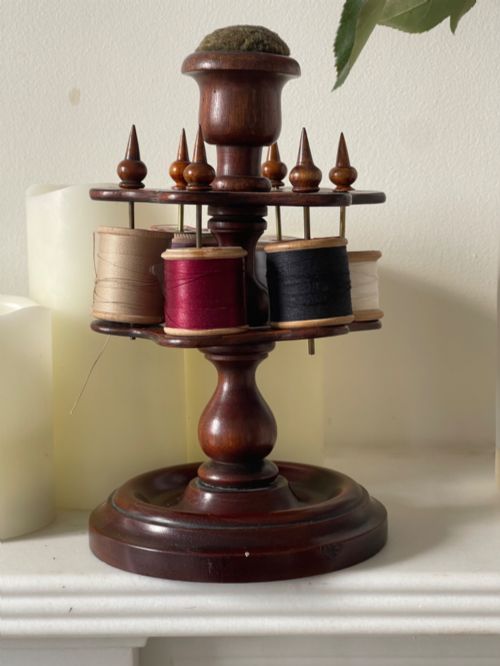
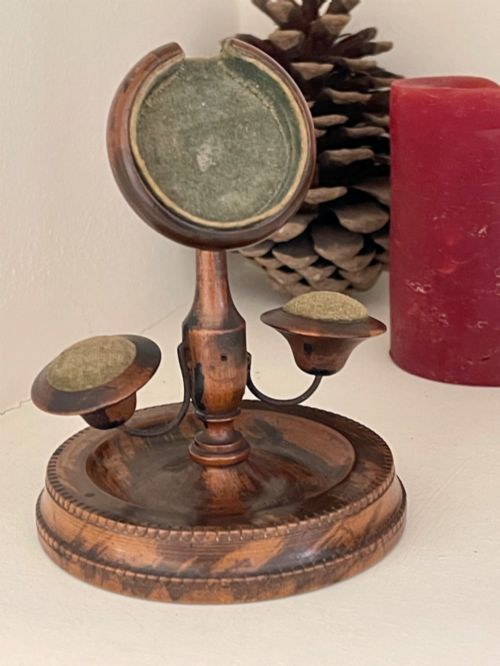
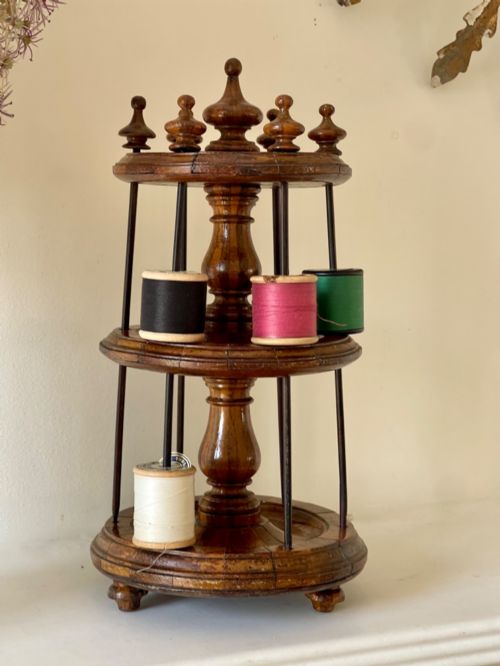
When you search for an antique sewing caddy, you are looking at functional receptacles designed to hold needlework equipment, cotton reels, and small crafting tools. The pieces on this page span the Regency, Victorian, and Edwardian periods, taking the form of lidded work boxes, occasional tables, and tiered stands.
You are most likely to meet rosewood and mahogany work boxes featuring fitted interiors, alongside freestanding tables with caddy tops. Originating from English workshops as well as French and Anglo-Indian makers, these objects combine domestic utility with decorative cabinet-making.
How they were made
Cabinet-makers utilised dense timbers such as rosewood, mahogany, and satinwood, often applying intricate boxwood stringing, shell inlay, or Tunbridge Ware mosaic patterns to the surfaces. Interiors typically incorporate compartments lined with silk or velvet, alongside carved bone or mother-of-pearl accessories.
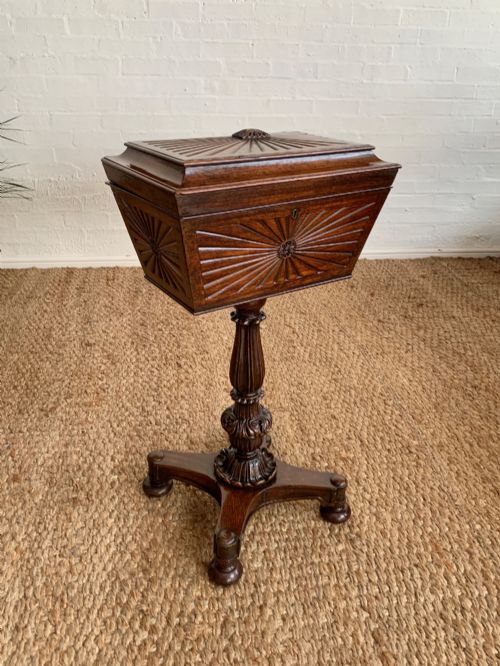
Certain examples showcase specialised techniques including quill work, horn, and ivory decoration from Vizagapatam, or precision sunburst carving found on William IV work tables.
Antique Sewing Caddy Retail Price Guide 2026
Typical asking prices for sewing caddy among the pieces listed under this phrase on Sellingantiques today, from the lower quarter to the upper quarter. They describe what is for sale here now, not the wider market.
Some nineteenth-century work boxes hide tiny secret drawers behind false partitions, designed to keep personal letters away from curious eyes.
What varies in quality
The standard of an antique sewing caddy depends upon the selection of timber veneers, the crispness of the exterior inlay, and the structural integrity of the internal lift-out tray. Pieces with undamaged boxwood stringing and well-preserved decorative motifs demonstrate superior initial manufacture.
The complexity of the interior arrangement also distinguishes finer items, particularly those retaining original fitted compartments, bone winders, and functioning brass locks with matching keys.
The Antique Sewing Caddy Glossary
- Work box
- A portable lidded box designed to hold sewing implements, threads, and personal valuables. These containers frequently feature fitted lift-out trays and compartmentalised interiors.
- Teapoy
- A small stand or table originally used for holding tea, which was often adapted or constructed with internal compartments suitable for needlework and sewing accessories.
- Tunbridge Ware
- Small wooden objects decorated with mosaic patterns formed from thousands of tiny tinted wood squares. This technique creates detailed geometric or pictorial surface designs.
- Sarcophagus shaped
- A box design featuring a flared, sloping lid and a heavy rectangular body reminiscent of classical stone sarcophagi. This silhouette was particularly popular during the Regency and Victorian periods.
- Etui
- A small ornamental case used for holding needles, tweezers, and other personal small items. These delicate containers often utilise materials like mother-of-pearl and brass.
Antique Sewing Caddy: Frequently Asked Questions
What is an antique sewing caddy?
An antique sewing caddy is a dedicated box, basket, or small table designed to organise threads, needles, and tools during the nineteenth and early twentieth centuries.
These pieces served as functional items for domestic needlework while remaining decorative enough to display on parlour tables.
How do I use one today?
You can utilise these lidded boxes and small tables to store modern sewing notions, jewellery, or desktop stationery.
Placed in a living room or study, they provide hidden storage while adding period character to your interior.
How can I tell the period?
You can determine the period by observing the primary wood types, hardware, and decorative motifs used in the construction. Regency examples often feature birdseye maple or brass inlay, whilst Victorian pieces frequently utilise rosewood and sarcophagus shapes.
Later Edwardian items tend to show lighter mahogany construction with shell inlay and simpler geometric lines.
What woods were used?
Cabinet-makers relied on sturdy hardwoods including mahogany, walnut, rosewood, and satinwood for the primary carcases and decorative veneers. Boxwood was frequently utilised for stringing and contrasting inlay details.
Exotic materials such as sandalwood and coromandel also appear on specific export and high-status pieces.