



Antique Sevres Porcelain Vase
An antique sevres porcelain vase brings elaborate French design and gilt mounts to a room.
Antique Sevres Porcelain Vase
An antique sevres porcelain vase is a decorative vessel produced in styles reflecting the famous French factory, often featuring rich colour grounds and ornate metal mounts. The pieces found on this page date primarily from the nineteenth century, spanning from the eighteen-sixties through the nineteen-twenties.
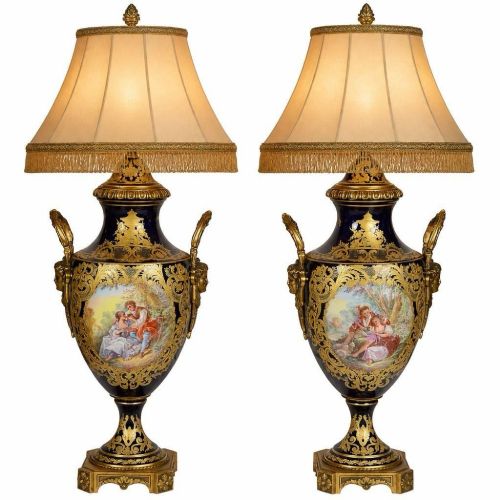
Forms vary considerably from standard table vases and bottle shapes to large lidded urns, potpourri containers, and garniture sets. Many examples incorporate dual functions, appearing as fitted table lamps or mantel clocks alongside traditional display urns.
How they were made
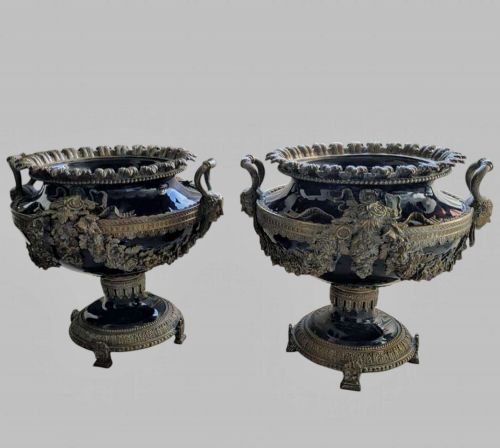
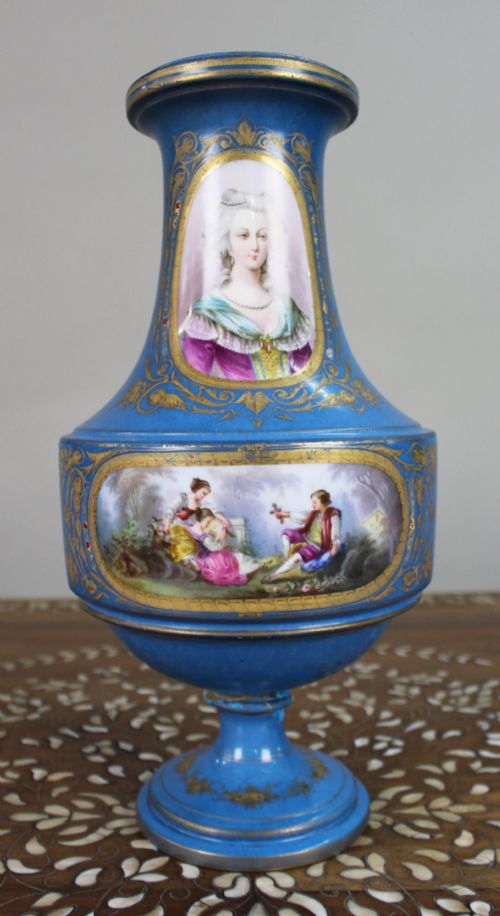
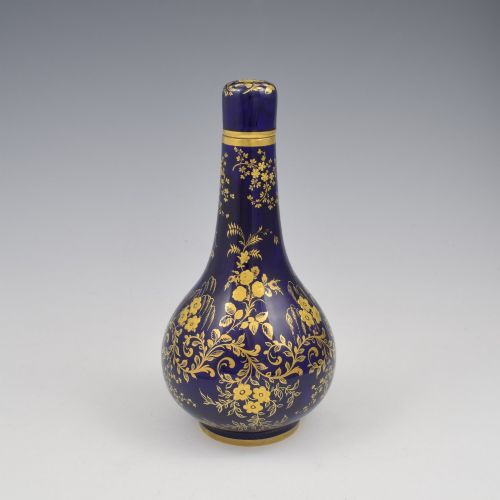
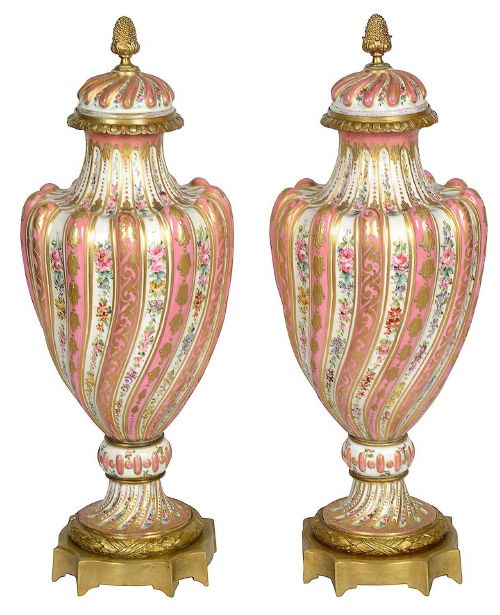
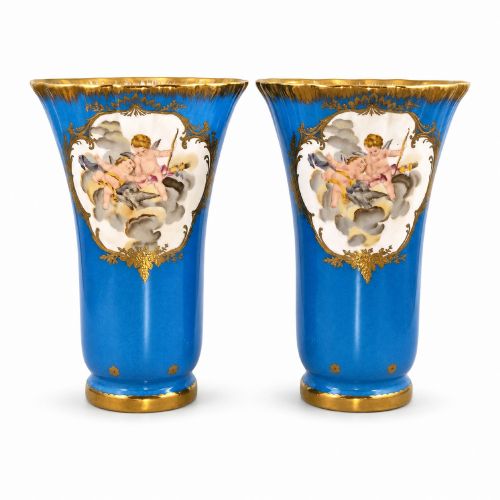
The foundation rests on glazed porcelain bodies, frequently painted in distinctive shades such as bleu celeste or pink, and occasionally enhanced with hand-painted details. Makers combined these ceramic bodies with cast ormolu, gilt bronze, and gilt metal mounts that frame the rims, handles, and bases.
Additional decorative effects rely on enamel work and applied gold leaf, securing the mounts with brass fittings and sometimes pairing the ceramics with silk elements in associated lamps.
Antique Sevres Porcelain Vase Retail Price Guide 2026
Typical asking prices for sevres porcelain vase among the pieces listed under this phrase on Sellingantiques today, from the lower quarter to the upper quarter. They describe what is for sale here now, not the wider market.
Listings feature nineteenth-century porcelain and ormolu pieces spanning French Rococo Revival, Neoclassical, and Louis XVI styles.
What varies in quality
Quality depends heavily on the crispness of the gilt bronze or ormolu mounts and the precision of the hand-painted porcelain decoration. Finer pieces demonstrate superior control over the bleu celeste and pink ground colours, paired with heavily chased metalwork that fits the ceramic contours securely.
Scale and ambition separate standard decorative items from monumental pairs and exhibition pieces, where larger porcelain forms require advanced firing techniques and more intricate framing.
Samson Paris·Derby Porcelain
The Antique Sevres Porcelain Vase Glossary
- Ormolu
- Gilded bronze used for mounts and decorative trims on nineteenth-century pieces. This technique gives metal a rich gold appearance that complements painted porcelain.
- Bleu celeste
- A bright sky-blue ground colour frequently utilised on French porcelain. It serves as a distinct backdrop for gilt decoration and painted scenes.
- Garniture
- A matching set of three or more ornamental vases designed for display together on a mantelpiece or cabinet. These sets often include a central lidded urn flanked by smaller matching vessels.
- Potpourri
- A lidded vase pierced with small holes to release scent from dried flower petals placed inside. These vessels often feature elaborate gilt metal mounts.
Antique Sevres Porcelain Vase: Frequently Asked Questions
What styles influence these porcelain vases?
The pieces draw heavily on French Rococo Revival, Louis XVI style, and general Neoclassical design principles. These aesthetic frameworks dictate the curved body shapes and symmetrical floral motifs.
Maker interpretations extend into the broader nineteenth century, reflecting both French chateau interiors and subsequent revival periods.
How do lidded vases differ from standard urns?
Lidded vases include a matching ceramic or metal cover that completes the vertical silhouette of the vessel. They often function as focal points in garniture sets.
Open urns and standard vases focus attention on the rim and interior cavity, occasionally serving alternative roles as table lamps.
Where should I place a garniture set?
A garniture set works best spread across a wide mantelpiece, sideboard, or dedicated display cabinet. The central urn anchors the arrangement while matching side vases balance the composition.
Placement requires a stable surface with sufficient depth to accommodate the substantial proportions of nineteenth-century ceramic bodies.
How do I identify a nineteenth-century piece?
Nineteenth-century items typically display specific material combinations like porcelain paired with heavy ormolu mounts and characteristic bleu celeste ground colours. Dating relies on stylistic cues from periods such as the eighteen-eighties and eighteen-nineties.
Construction methods, including the weight of the gilt bronze trim and the style of the hand-painted elements, help distinguish these nineteenth-century interpretations from later reproductions.