


Antique Settle Chair
An antique settle chair brings centuries of timber and high-backed seating to a hallway or fireside.
Antique Settle Chair
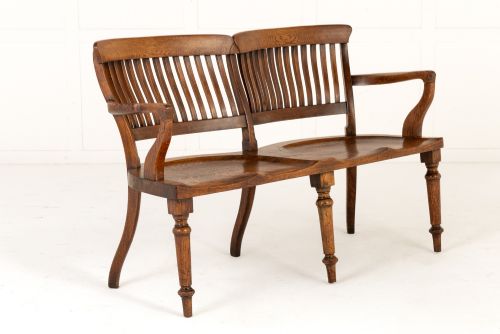
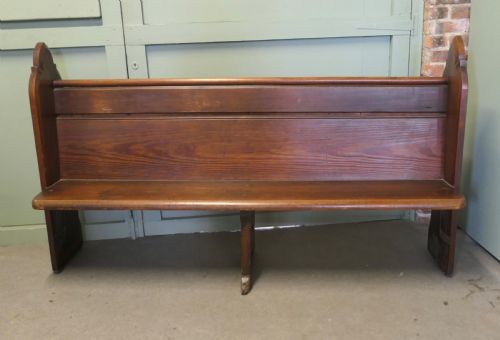
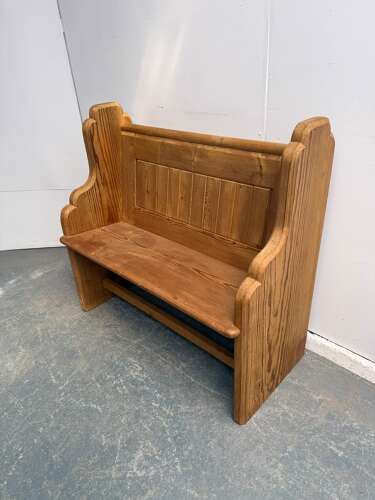
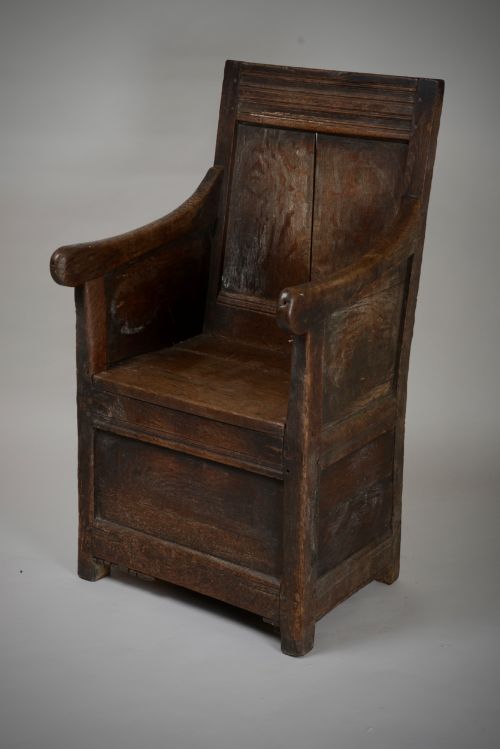
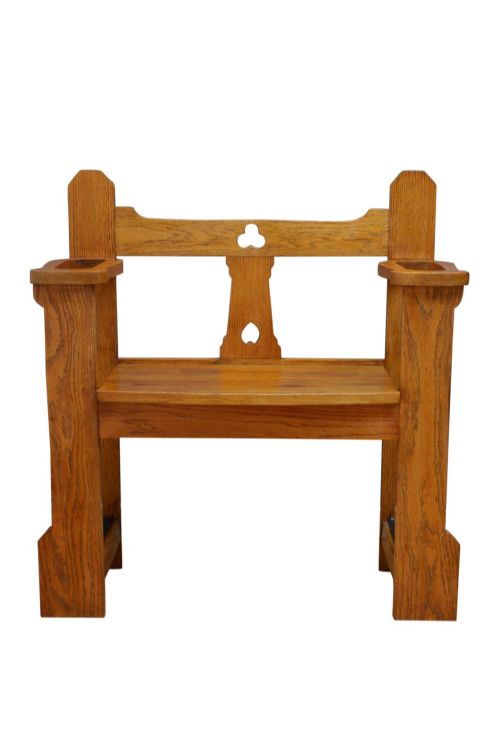
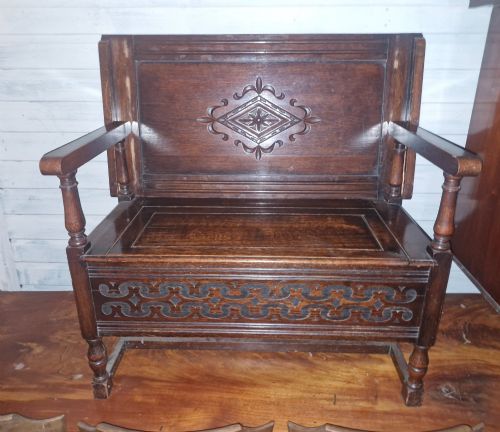
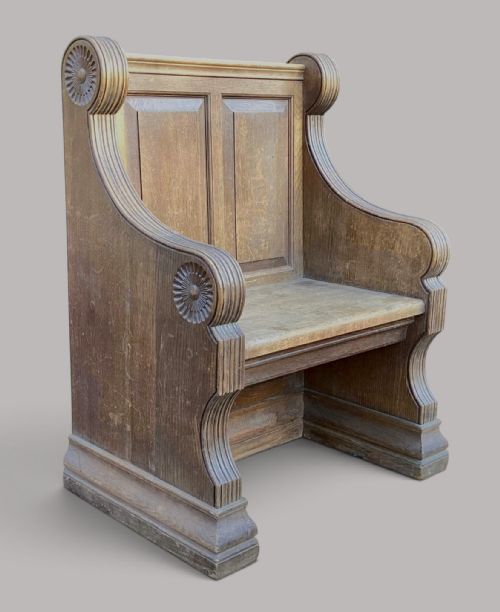
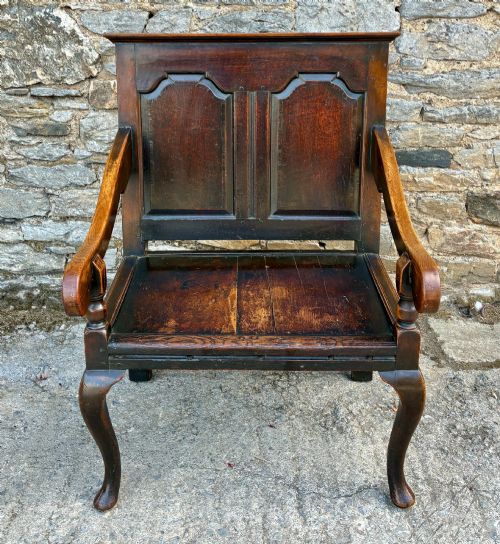
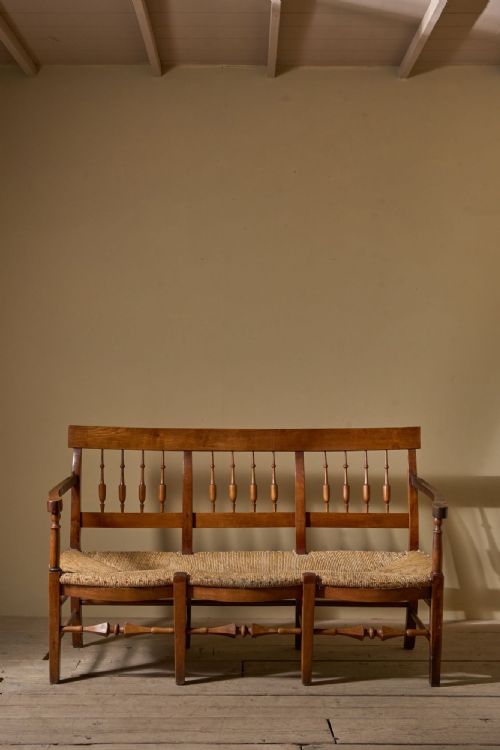
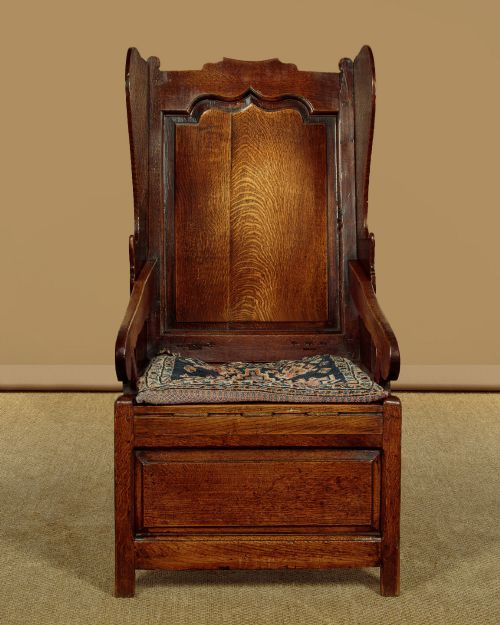
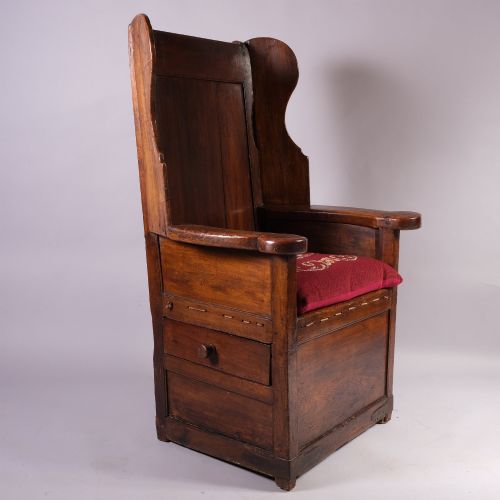
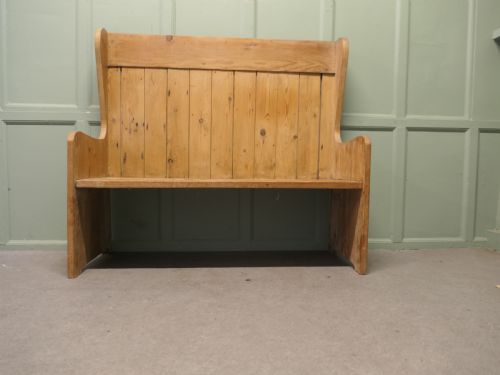
When you search for an antique settle chair, you enter a category of solid wooden seating that includes high-backed benches, monks benches, and lambing chairs. These pieces served historically to block draughts in large rooms and provide sturdy communal seating.
The versions you meet most frequently on this page span the seventeenth to the nineteenth centuries, drawn largely from English, Hungarian, and Chinese traditions. Oak and pine dominate the forms, appearing alongside fruitwood, mahogany, and rosewood.
Regional variations shape these forms deeply, from narrow Georgian oak hall benches to painted Hungarian pine box settles and high-backed Lakeland lambing chairs. Each style reflects the domestic needs and local timber supplies of its origin.
Distinguishing quality in timber seating
Quality rests primarily in the integrity of the original timber and the restraint of the joinery rather than ornate surface carving. Heavier gauge boards and sound, untouched structural frames separate robust vernacular pieces from compromised examples.
Surface finish dictates much of the character, with original painted surfaces or deep, unstripped wax patination holding far more integrity than over-restored or stripped timber. The proportions matter greatly, as narrow or small-scale examples command higher regard for domestic placement.
Antique Settle Chair Retail Price Guide 2026
Typical asking prices for settle chair among the pieces listed under this phrase on Sellingantiques today, from the lower quarter to the upper quarter. They describe what is for sale here now, not the wider market.
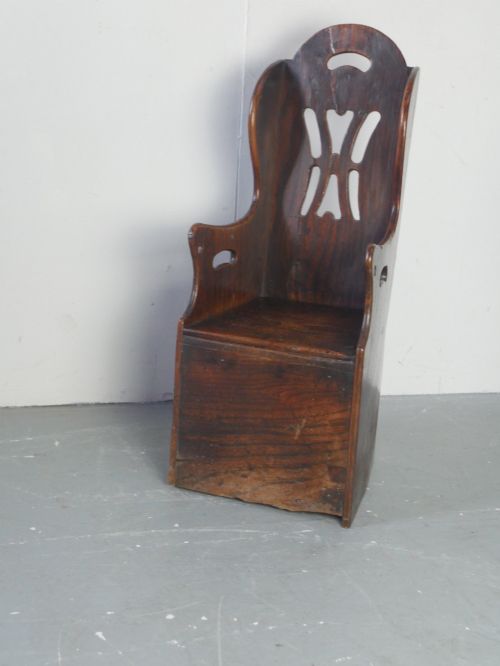
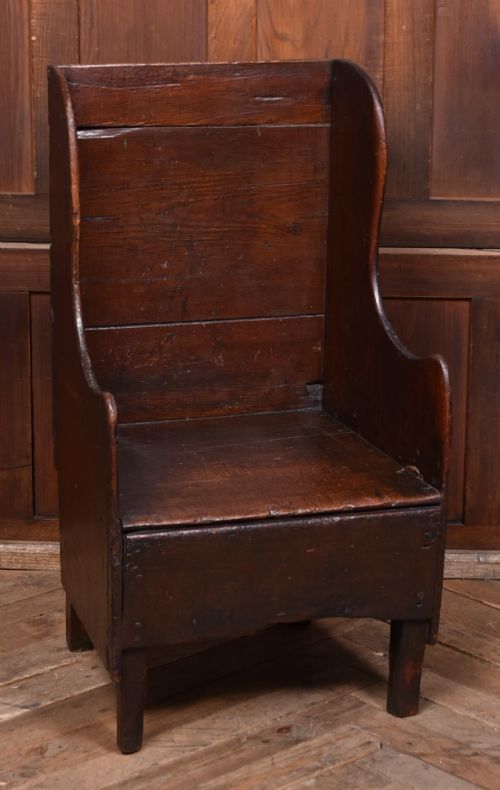
Lambing chairs were once taken to the hearth so shepherds could warm newborn lambs in the enclosed under-seat drawer.
James Shoolbred & Co.
The Antique Settle Chair Glossary
- Settle
- A high-backed wooden bench with solid arms and a closed base, designed originally to keep out floor draughts. Many incorporate a hinged seat lid revealing a storage box beneath.
- Lambing chair
- An enclosed wooden armchair featuring high wings and a hooded top to shield the sitter from wind, often fitted with a drawer or enclosed base. These pieces originated in agricultural regions for shepherds tending newborn lambs.
- Monks bench
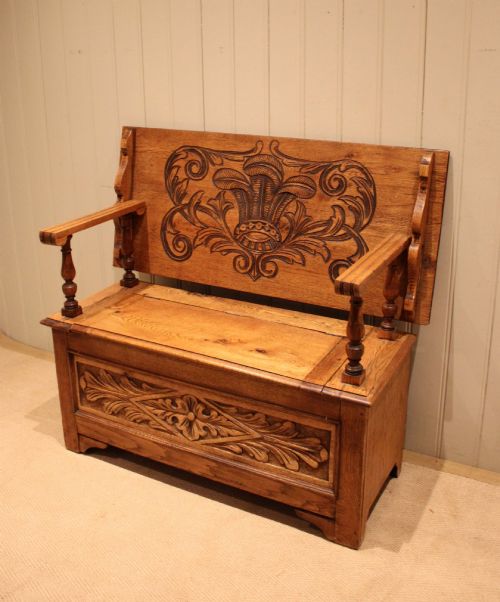
- A convertible piece of furniture featuring a hinged back that folds forward over the arms to form a table top. This dual-purpose form dates back centuries for multi-use domestic spaces.
- Box settle
- A heavy wooden bench featuring a compartment beneath the seat enclosed by solid front panels. This storage space held household blankets or dry goods.
- Barrel backed
- A seat construction where the high wooden back curves in a semicircular sweep around the sitter. This embraces the body to block side currents of air.
Antique Settle Chair: Frequently Asked Questions
What is an antique settle chair?
An antique settle chair is a high-backed wooden bench, often featuring solid arms and an enclosed lower storage compartment, designed to block draughts in older homes.
These pieces served as primary seating in farmhouses, halls, and public inns before upholstered sofas became common in domestic spaces.
How do I use a settle in a modern hall?
A narrow settle or hall bench fits neatly against a passage wall to provide practical seating for putting on shoes. Many versions include a lift-up seat or box base that conceals clutter out of sight.
Placing one in an entranceway establishes an immediate focal point while offering functional storage for everyday items.
How do I care for waxed pine or oak?
Maintain waxed timber surfaces by applying a traditional beeswax polish sparingly and buffing with a soft cloth to preserve the natural sheen. Keep the wood away from direct heat sources and strong radiators to prevent the planks from splitting.
Gentle dusting with a dry cloth keeps the grain clean without stripping the historic patina built up over generations.
How do I tell an 18th-century settle from a later revival?
Earlier pieces display hand-cut joinery marks, pegged tenons, and timber shrinkage appropriate to age, showing natural wear along the footrests and seat edges. Revival pieces from later periods often feature machine-sawn components and cleaner, more uniform surfaces.
Examining the underside and interior boards reveals the tool marks and construction methods characteristic of different centuries.