





Antique Serving Pedestals
These antique serving pedestals and elevated display vessels bring height and presence to a dining room table or sideboard.
Antique Serving Pedestals
When searching for antique serving pedestals, buyers encounter an array of elevated display pieces designed to raise food and fruit above the surface of the dining table. These items take the form of comports, tazzas, footed bowls, and multi-tiered dumb waiters constructed to present courses with formality.
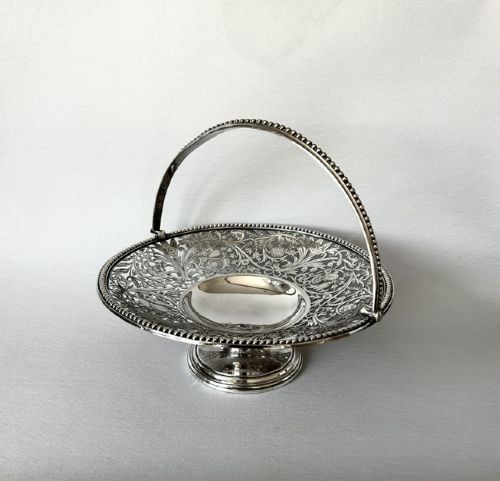
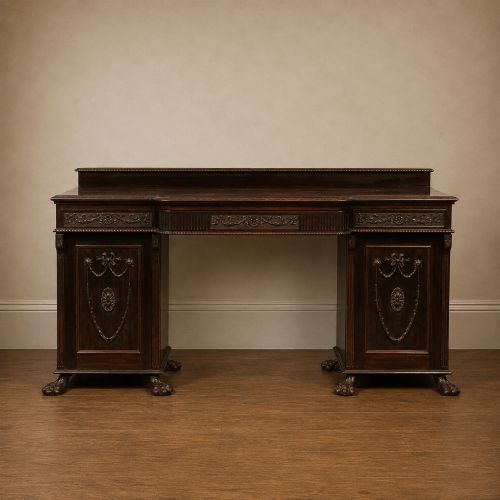
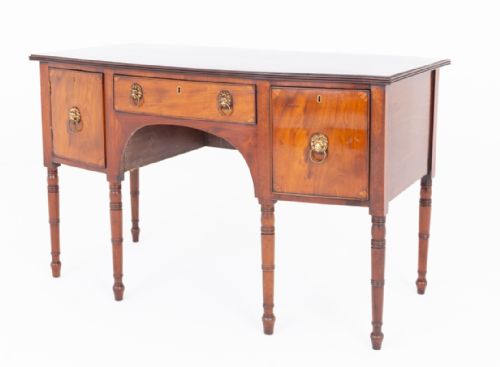
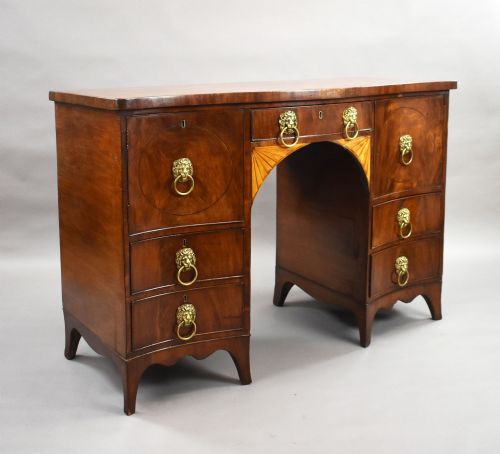
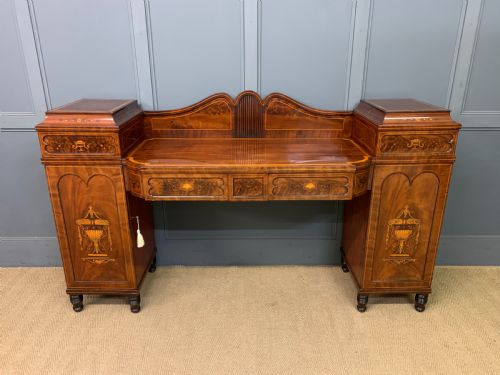
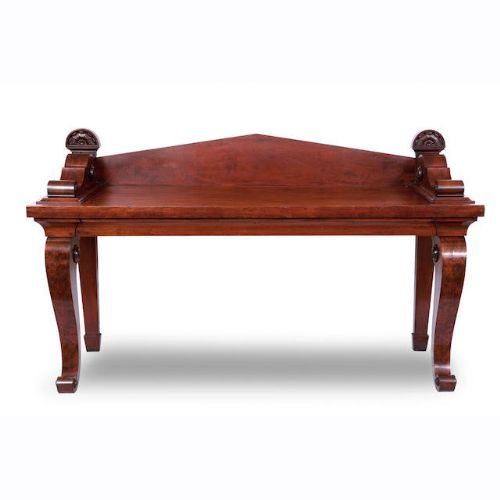
Sideboards and serving tables also anchor this category, functioning as the static architectural pedestals of the dining room upon which smaller comports and tureens were historically arranged. Buyers are most likely to meet mahogany sideboards and silver-plated fruit baskets or comports in daily browsing.
Materials and construction methods
Cabinetmakers utilised solid mahogany, flame mahogany veneer, walnut, and oak for the larger serving furniture, often incorporating boxwood stringing, inlay, and turned elements. These woods provided the structural integrity and rich grain required for monumental sideboards and dumb waiters.
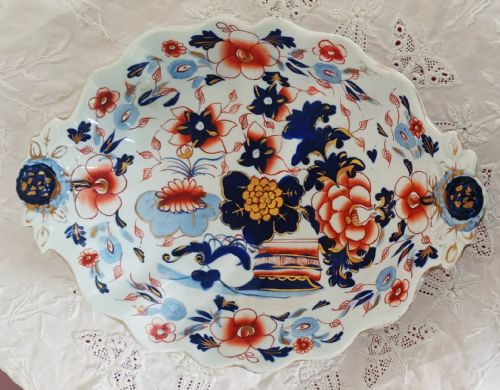
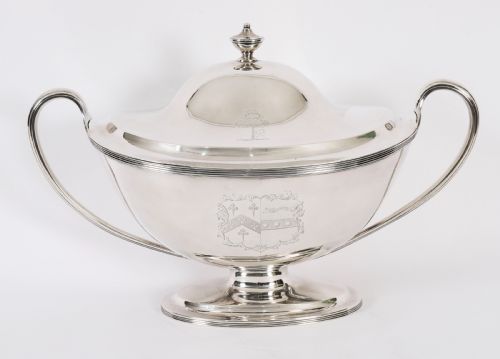
Metal vessels and mounts relied on sterling silver and silver plate or electroplated nickel silver over base metals, shaped through spinning, piercing, and casting. Ceramic comports and tureens utilised ironstone and transfer-printed earthenware, finished with hand-painted ironstone enamels and distinct blue and white patterns.
Antique Serving Pedestals Retail Price Guide 2026
Typical asking prices for serving pedestals among the pieces listed under this phrase on Sellingantiques today, from the lower quarter to the upper quarter. They describe what is for sale here now, not the wider market.
Listings span the Georgian, Regency, and Victorian eras, incorporating materials from solid mahogany and bronze to sterling silver, ironstone, and copper.
Distinctions in quality
Quality rests in the crispness of carved details, such as paw feet, inlaid borders, and pierced galleries on metalwork, which separate standard production from exceptional pieces. Heavier gauge silver plate and substantial timber thickness indicate superior original investment.
The integration of functional mechanics, such as folding sides on dumb waiters or revolving lazy susan tazzas, demonstrates the precision of the initial manufacture. Maker attribution, through stamped marks on silver or ironstone, elevates the standing of individual comports and tureens.
William Bennett·Mappin and Webb·Elkington and Co·Daniel and Arter·Spode·Copeland and Garrett
The Antique Serving Pedestals Glossary
- Comport
- A shallow dish raised on a stem and foot, used for serving fruit or dessert. These vessels create varied heights on a formal dining table.
- Tazza
- A small, broad, flat saucer-like dish supported on a pedestal, originating in Renaissance Italy and revived in later centuries. They serve a similar display function to comports.
- Dumb waiter
- A tiered piece of furniture featuring revolving or fixed graduated trays on a central pillar, allowing diners to access dishes without servants. Georgian examples frequently incorporate folding sides.
- Silver plate
- A thin layer of silver fused or electroplated onto a base metal such as copper or nickel silver. This technique offered the appearance of solid silver at a lower cost.
- Ironstone
- A heavy, durable type of earthenware patented in the nineteenth century to imitate Chinese porcelain. It resists chipping and forms the body of many transfer-printed serving vessels.
Antique Serving Pedestals: Frequently Asked Questions
What is an antique serving pedestal?
An antique serving pedestal encompasses elevated display pieces like comports and tazzas, alongside larger furniture such as dumb waiters and serving tables designed to present food.
These items lift dishes above the table surface to maximise space and create visual hierarchy during formal dining.
How were dumb waiters used?
Dumb waiters held extra courses, wine bottles, and tableware near the dining table without requiring servants to remain in the room.
Guests or hosts could spin the tiers or reach across the graduated trays to help themselves during a meal.
How do I date a mahogany sideboard?
Dating relies on stylistic shifts from Georgian straight lines and restrained inlay to heavy Victorian proportions and Edwardian revival details.
Woods like flame mahogany veneer and construction markers such as hand-cut dovetails further narrow the period of origin.