



Antique Serving Board
These antique serving board examples range from Georgian mahogany to Edwardian satinwood, offering practical utility and timeless presentation for the modern table.
Antique Serving Board
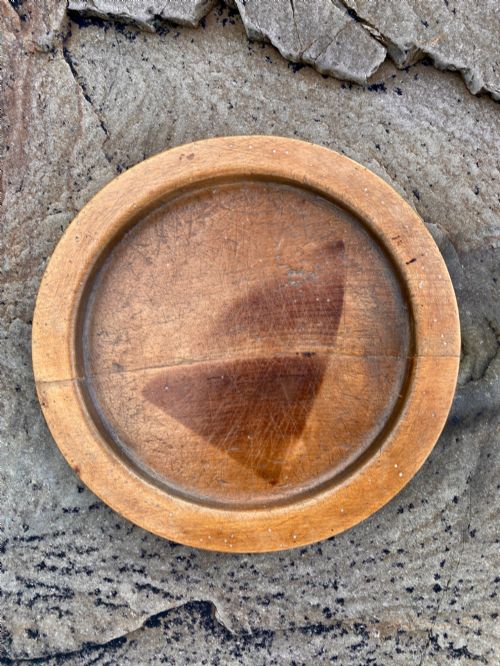
An antique serving board encompasses various wooden and metal presentation pieces designed for food and drink, including breadboards, trays, and serving tables. When searching for an antique serving board, buyers typically encounter sturdy breadboards and trays shaped from pine, oak, and mahogany.
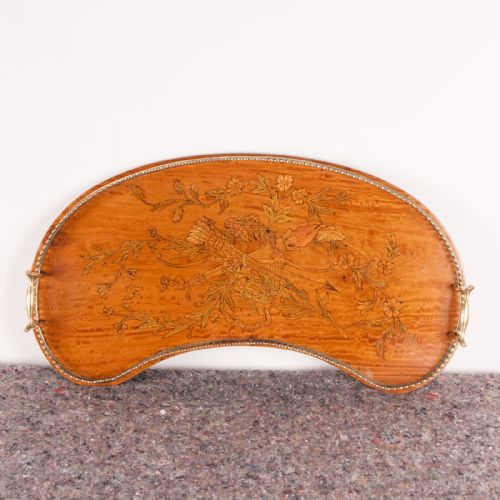
The selection spans several periods, featuring items from the Georgian and Victorian eras alongside Edwardian designs and early twentieth-century pieces. Common forms range from rustic Scandinavian country breadboards to elegant kidney-shaped Edwardian trays inlaid with satinwood.
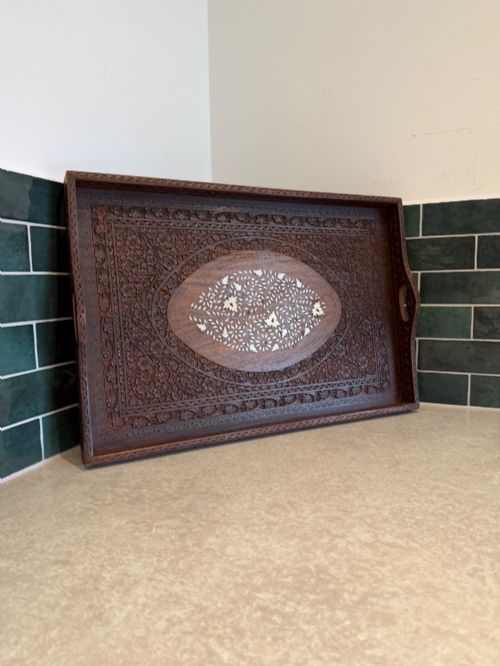
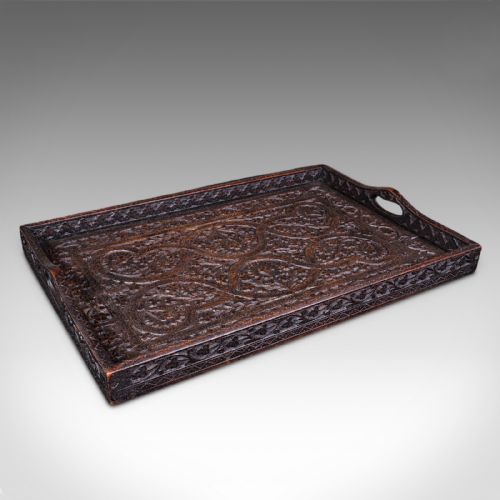
Regional variations appear frequently, such as Anglo-Indian afternoon tea platters and Kashmiri trays displaying intricate craftsmanship. Buyers also find larger serving furniture like French pine drapers tables and pot-shelf serving tables with integrated drawers.
How they were made
Cabinet makers utilised dense hardwoods like mahogany, oak, and walnut alongside softer timbers such as pine for larger tables and breadboards. Surfaces frequently display hand carving, turning, and painted finishes suited to French country and Scandinavian styles.
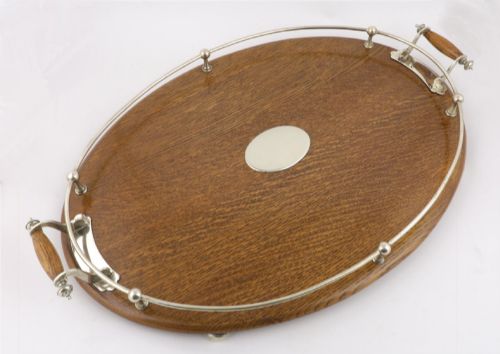
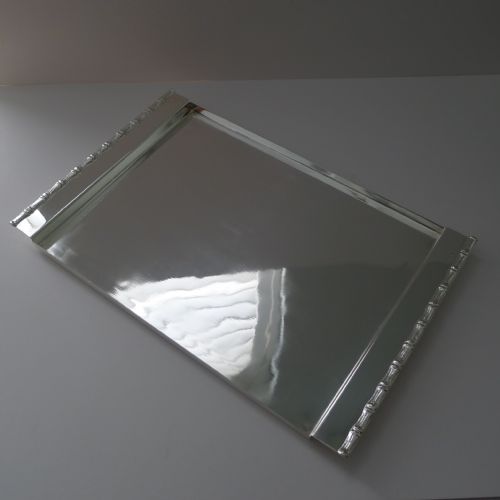
Decorative enhancements involve contrasting materials, seen in bone inlay, satinwood marquetry, and polished brass gallery rails secured to wooden bases. Silver plate is applied to metal components to provide a durable and reflective finish on cocktail trays.
Antique Serving Board Retail Price Guide 2026
Typical asking prices for serving board among the pieces listed under this phrase on Sellingantiques today, from the lower quarter to the upper quarter. They describe what is for sale here now, not the wider market.
Breadboards often carry earnest carved mottoes about daily bread, turning a simple kitchen utility into a moral reminder at breakfast.
What varies in quality
The refinement of the woodwork distinguishes standard utility items from high-status decorative pieces, particularly the precision of satinwood inlays and carved details. Pieces featuring integrated brass galleries or fine silver plate demonstrate superior craftsmanship compared to plain timber items.
Structural integrity and the selection of well-seasoned timbers affect the longevity of boards and tables, especially those subjected to regular kitchen use. The clarity of regional decoration, such as Kashmiri or Anglo-Indian motifs, further elevates the artistic merit of the piece.
The Antique Serving Board Glossary
- Breadboard
- A circular wooden board historically used for cutting and serving bread at the table. These often feature carved floral motifs or margents.
- Gallery tray
- A serving tray fitted with an elevated metal or wooden rim around its perimeter to prevent items from sliding off. These often incorporate brass handles and silver plate.
- Inlay
- A decorative technique where contrasting woods or bone are inserted into recessed portions of the base material. Satinwood is frequently utilised for this purpose in Edwardian examples.
- Lazy Susan
- A revolving turntable placed on a table or serving board to assist in distributing food. Art Deco examples from the twentieth century often utilise this mechanism.
Antique Serving Board: Frequently Asked Questions
How do I use an antique breadboard?
Antique breadboards function well for serving sliced bread, cheese, or appetisers during gatherings. Their robust construction suits everyday presentation.
Careful cleaning with a damp cloth helps preserve the aged timber and any carved inscriptions. Avoid submerging antique wood in water to prevent warping.
What styles are common?
The selection includes Georgian mahogany, Victorian carved designs, and Edwardian satinwood trays. Regional styles such as French provincial and Scandinavian country also appear.
Anglo-Indian and Kashmiri pieces introduce intricate carved details and distinct ornamentation. Art Deco influences are visible in later twentieth-century serving accessories.
How do I identify the period?
Dating relies on timber selection, construction methods, and decorative motifs characteristic of specific eras. Georgian pieces often showcase rich mahogany, while Edwardian items favour lighter satinwood.
Early twentieth-century pieces may display simpler Scandinavian pine construction or Art Deco forms. Examining the fixings and hardware provides further clues to the age.