
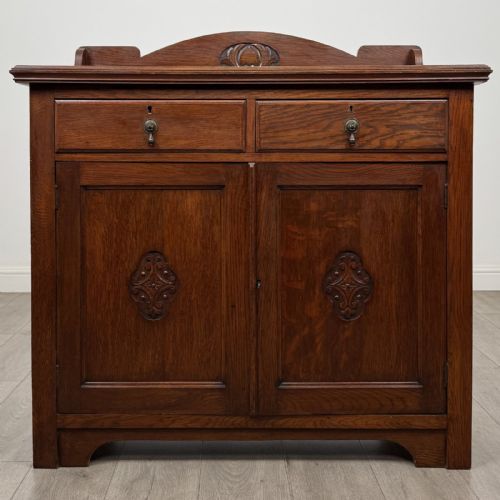
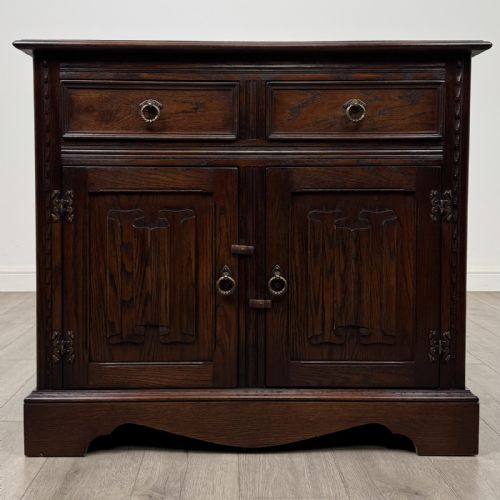
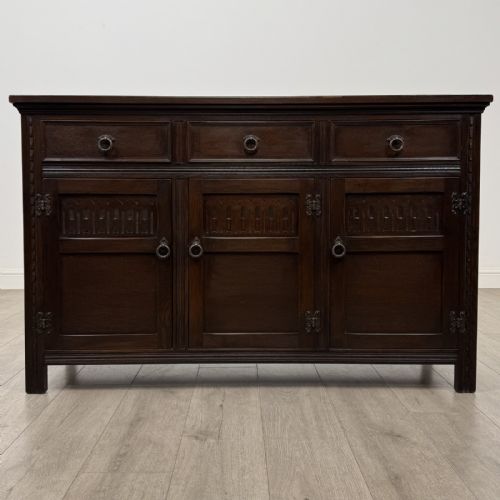
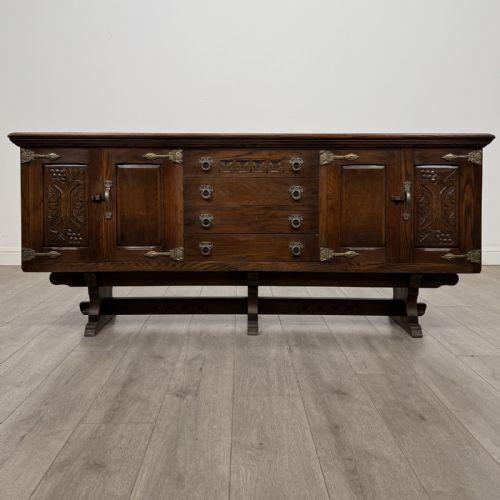
Antique Server Cupboard
An antique server cupboard anchors a dining room or kitchen with practical storage and strong period character.
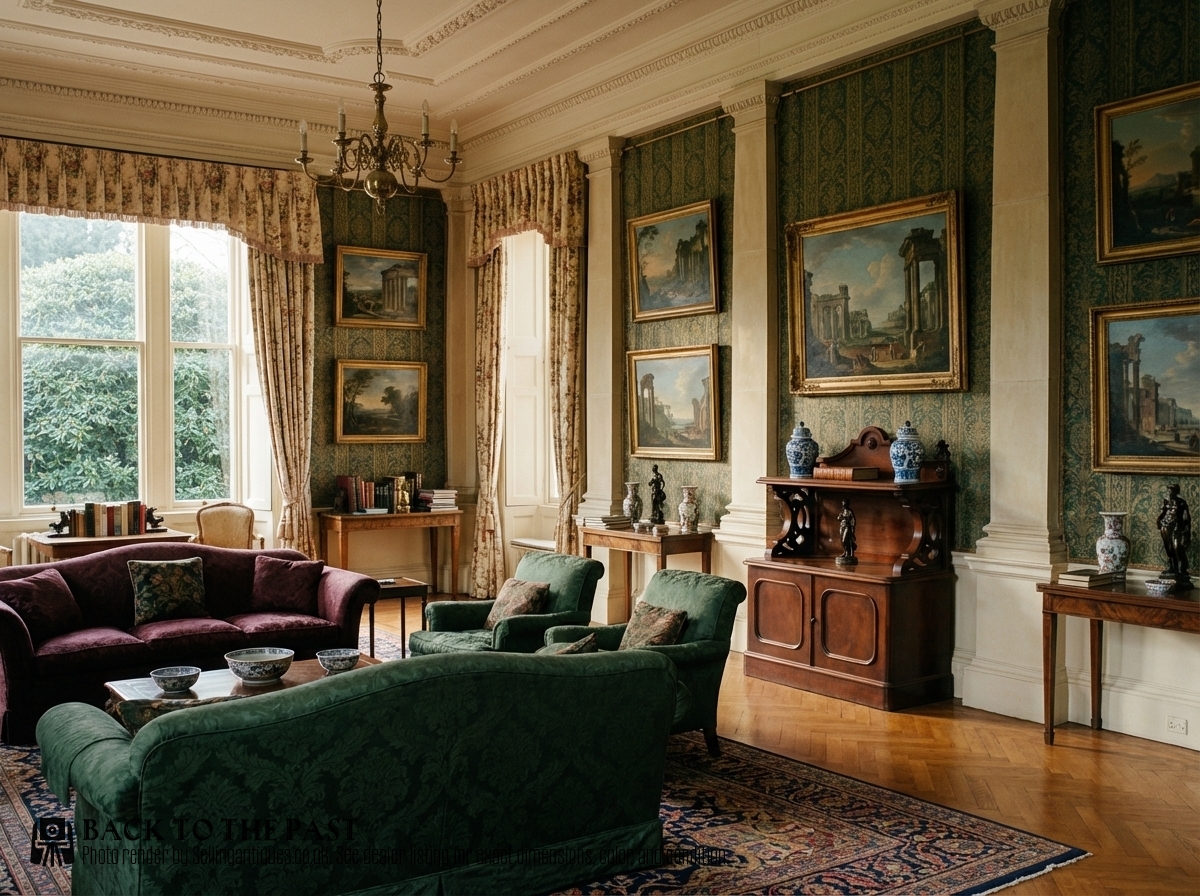
Antique Server Cupboard
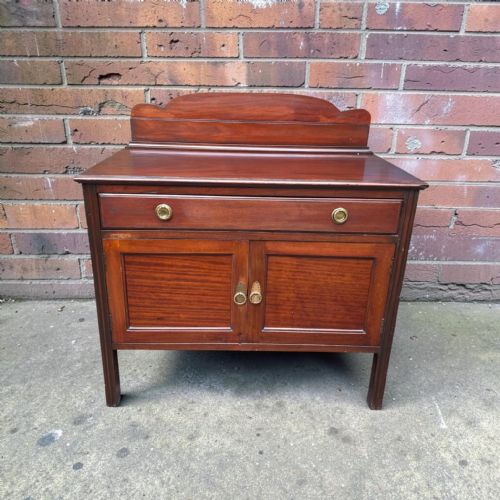
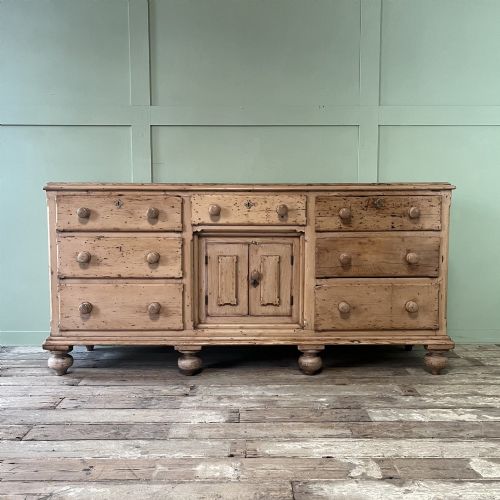
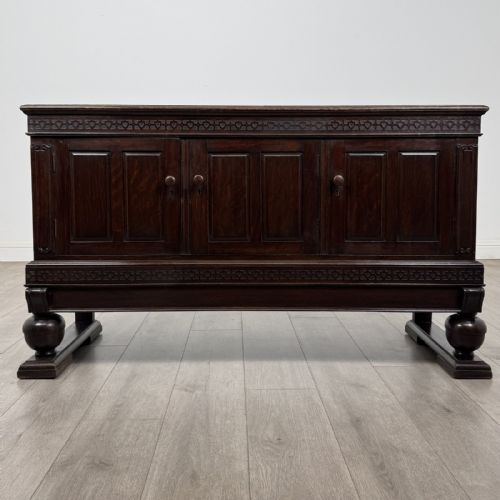
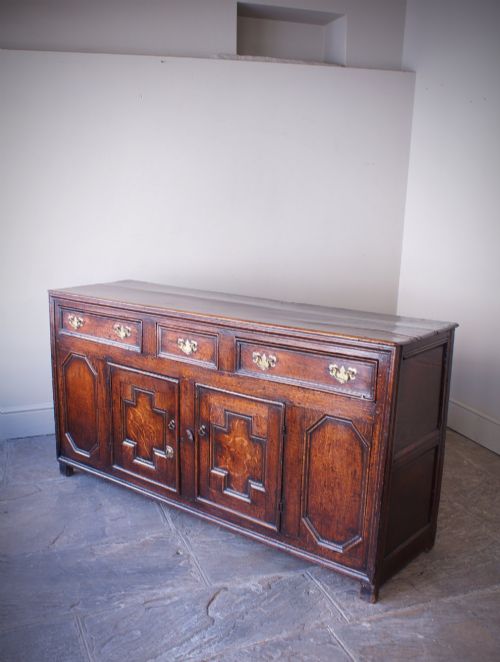
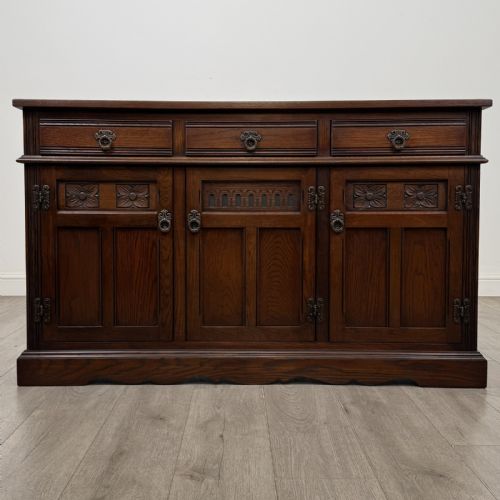
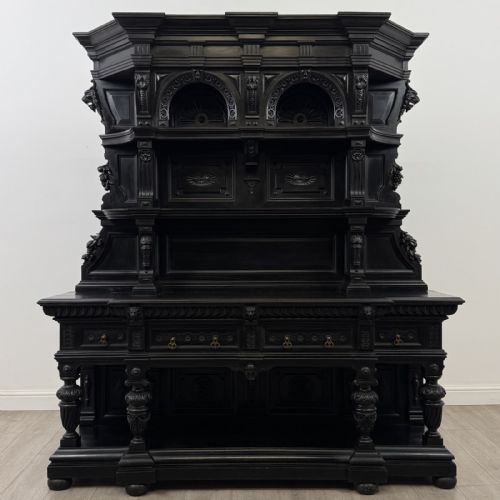
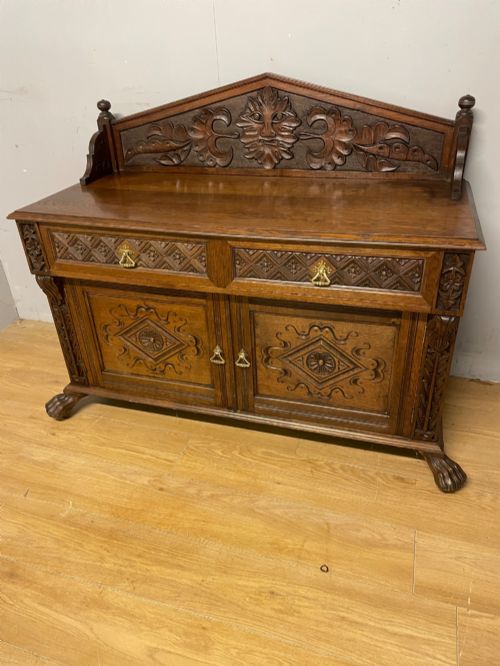
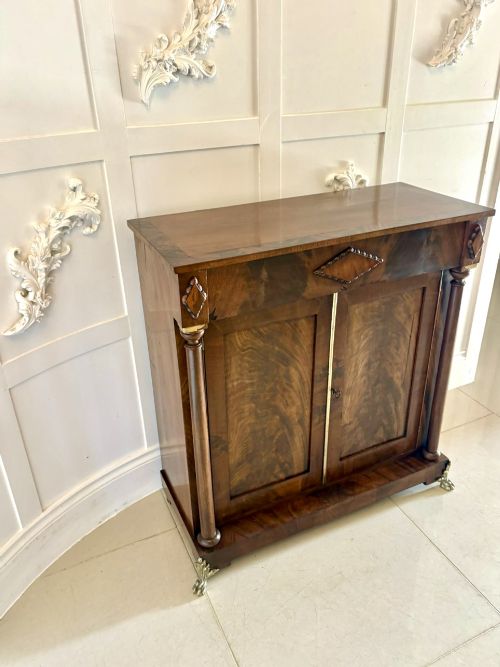
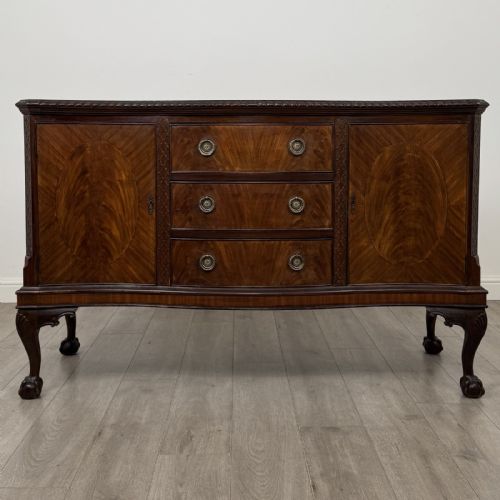
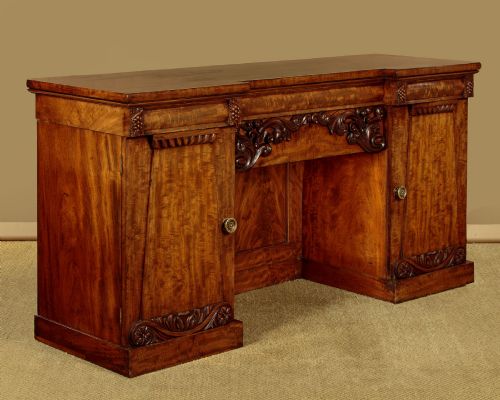
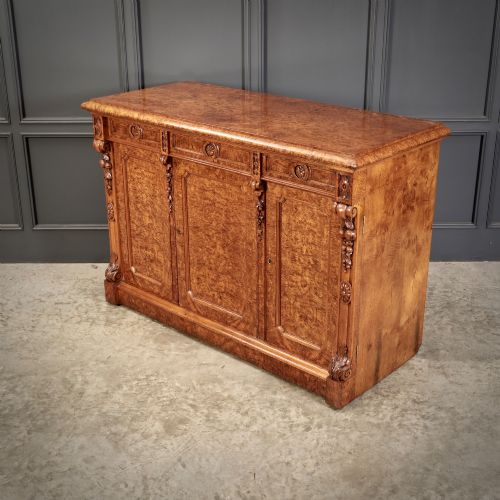
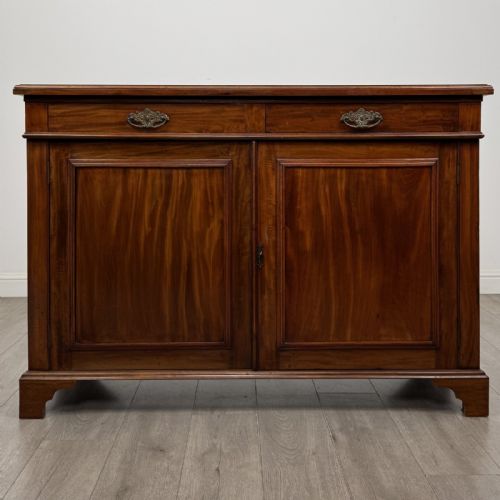
Buyers looking for an antique server cupboard will find pieces that cross between sideboards, chiffoniers, buffets, and dresser bases. These forms serve dining spaces and kitchens by providing surface space above enclosed storage for tableware and provisions.
The pieces appearing in these listings span the eighteenth, nineteenth, and early twentieth centuries. Oak and mahogany dominate the selection, alongside pine, rosewood, and occasional painted finishes.
Makers and workshops across England, Scotland, France, Venice, and Anglo-Indian regions produced these cabinets. Stylistic influences range from plain country utility to Gothic, Jacobean, Regency, and Arts and Crafts revivals.
Materials and construction
Cabinetmakers built the carcases primarily in solid timbers such as oak, mahogany, and pine, often applying flame mahogany or curl-mahogany veneers to prominent surfaces. Drawer linings and secondary woods match the regional origins of each workshop.
Joinery techniques include traditional mortise and tenon frames, hand-cut dovetails for drawers, and panelled doors. Carved ornamentation, linenfold panels, barley twist columns, and brass hardware complete the construction.
The inventory spans styles from eighteenth-century vernacular pieces to Victorian Gothic revival and 1910s Arts and Crafts cabinets.
Judging quality and character
Quality rests on the selection of timber figures, such as dense flame mahogany or quarter-sawn oak, and the crispness of hand-carved details. Superior pieces display thoughtful proportions and integrated architectural or regional stylistic motifs.
The integrity of original brass fittings, locks, and polished or waxed surfaces distinguishes high-grade workshop production from simpler utility pieces. Retaining original backboards, shelves, and internal partitions preserves the historical integrity of the cabinet.
The Antique Server Cupboard Glossary
- Chiffonier
- A low sideboard or cabinet featuring a raised tier or shelf on top, popular during the Victorian era for serving and display.
- Dresser base
- A sturdy lower cabinet fitted with drawers and cupboards, originating in country kitchens and farmhouses for storing culinary equipment.
- Court cupboard
- An enclosed medieval or revival sideboard featuring upper and lower tiers with recessed upper sections supported on pillars.
- Flame mahogany
- Timber cut to reveal a distinctive, flamy grain pattern, utilised on high-end cabinet doors and drawer fronts during the nineteenth century.
- Dog kennel dresser
- A specific sideboard configuration featuring a central open recess flanked by cupboards or drawers beneath the main surface.
Antique Server Cupboard: Frequently Asked Questions
What is an antique server cupboard?
An antique server cupboard is a utilitarian storage piece designed for dining rooms and kitchens, combining a top surface for serving food with enclosed cupboards and drawers below.
These pieces encompass forms like sideboards, chiffoniers, buffet cabinets, and dresser bases produced across several centuries.
How were server cupboards used?
Historically, households utilised these cabinets to store heavy pottery, cutlery, table linen, and food provisions out of sight while using the top surface to dish up meals.
Today, they serve similar practical functions in modern dining rooms, kitchens, or hallways while introducing period warmth and texture.
How do I date an oak sideboard?
Dating oak pieces relies on examining construction methods, timber preparation marks, and stylistic ornament. Hand-cut dovetails, pegged joints, and regional carving styles help place a piece within periods from the eighteenth century to the Edwardian era.
Revival styles from the Victorian and Edwardian periods often imitate earlier Jacobean or Gothic motifs, which requires careful inspection of the wood age and hardware.
Where should I place a server cupboard?
These cupboards suit dining rooms, large kitchens, or spacious hallways where their depth and length can anchor the room without blocking walkways.
The sturdy top surface provides a practical platform for lamps, decorative ceramics, or serving dishes during gatherings.