
Antique Serpentine Furniture
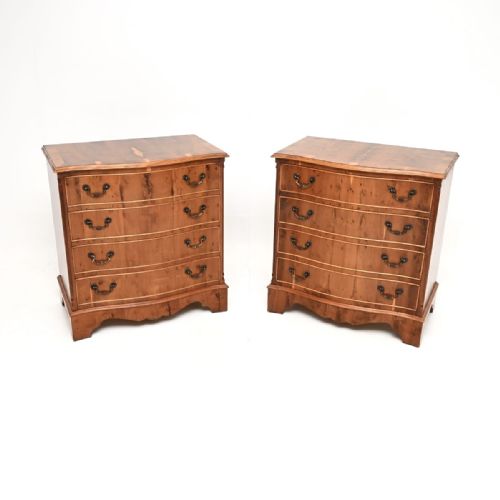
Antique serpentine furniture curves through centuries of cabinet-making, bringing undulating fronts to chests of drawers, tables, and cabinets.
Antique Serpentine Furniture
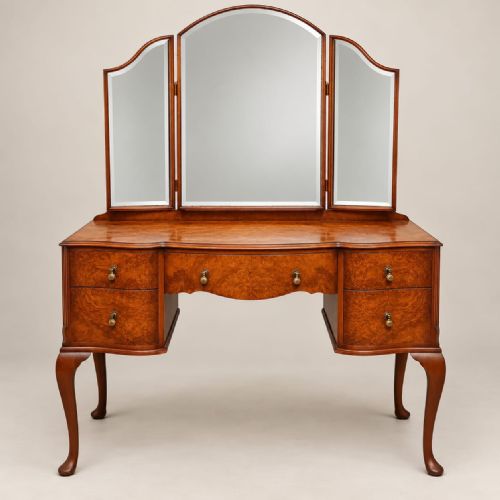
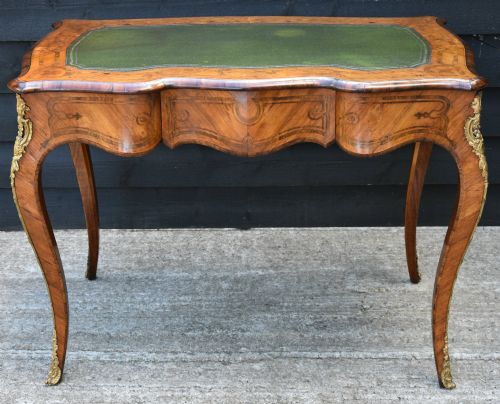
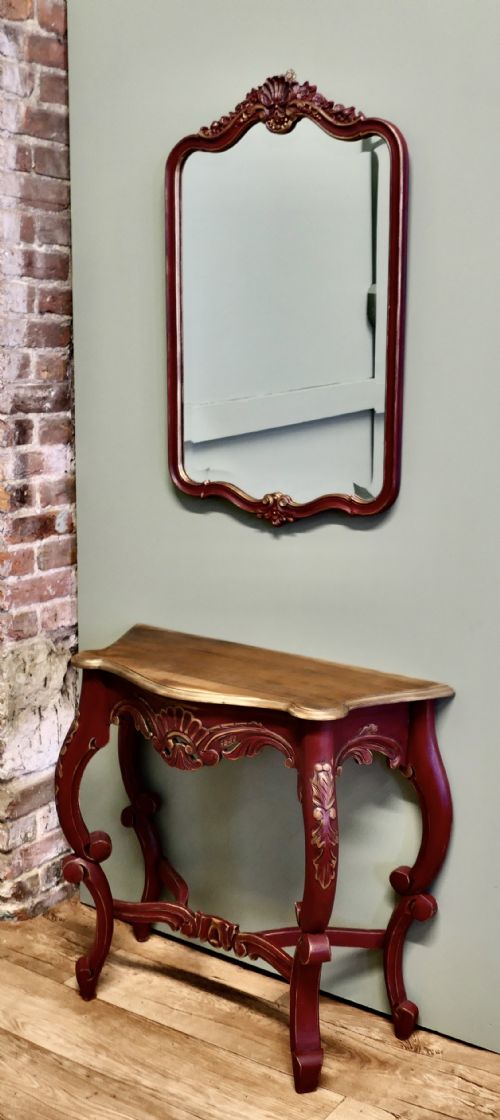
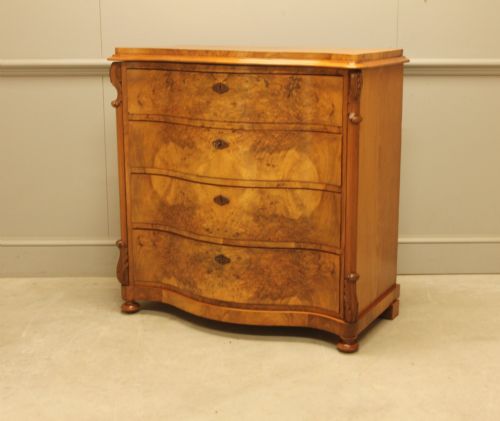
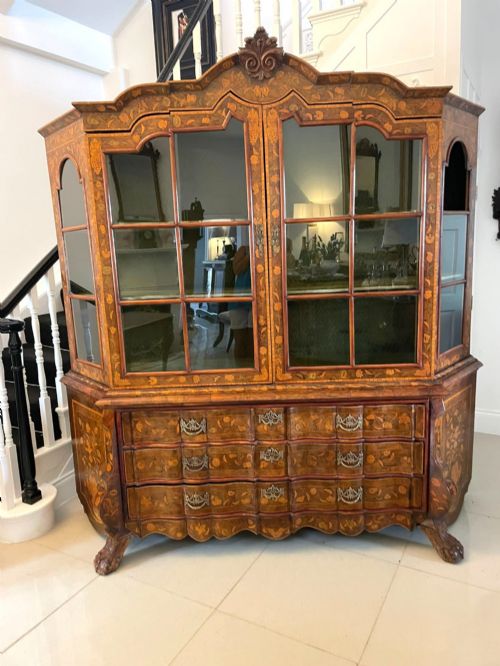
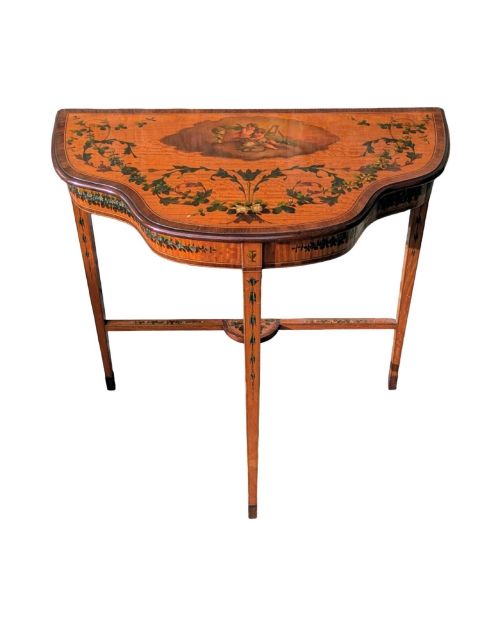
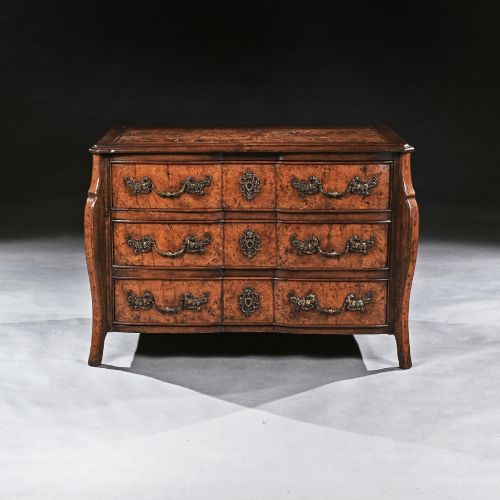
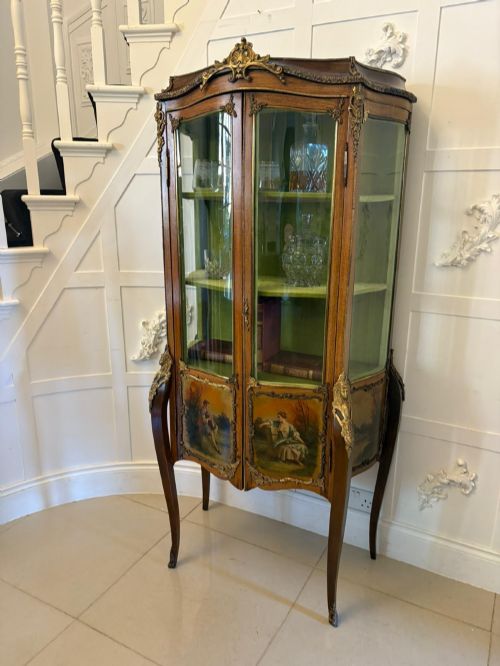
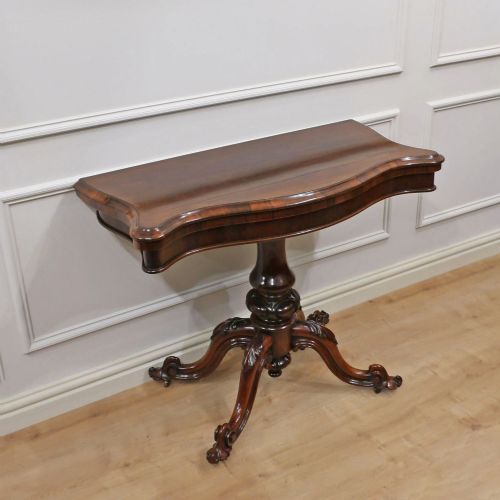
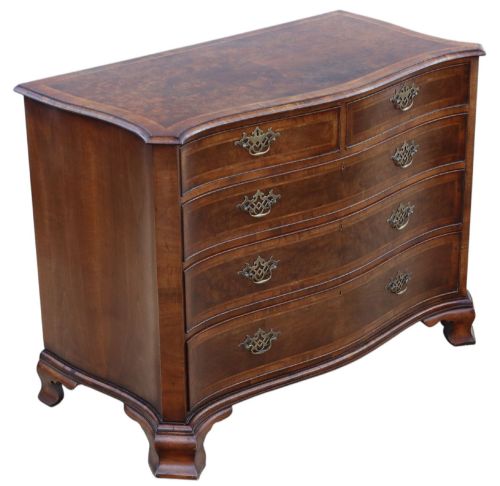
When you search for antique serpentine furniture, you meet pieces defined by their undulating, S-curve fronts which ripple outward and inward. These items span from the 18th century through the Victorian era and into the 20th century, emerging in workshops across Britain, France, Sweden, and the Netherlands.
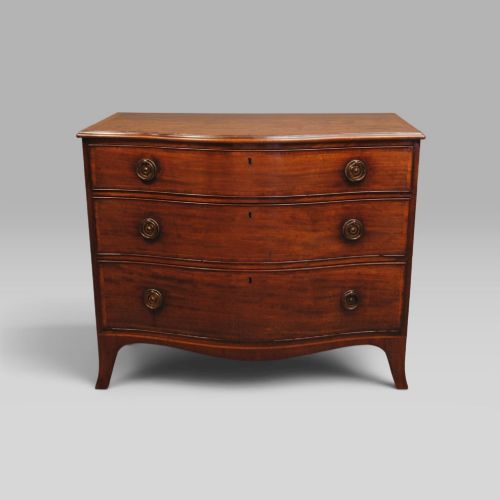
Chest of drawers and commodes form the core of what appears on this page, alongside writing desks, side tables, and display cabinets. British examples often favour mahogany in Georgian styles, while continental makers lean toward walnut, kingwood, and elaborate marquetry.
Materials and Technique
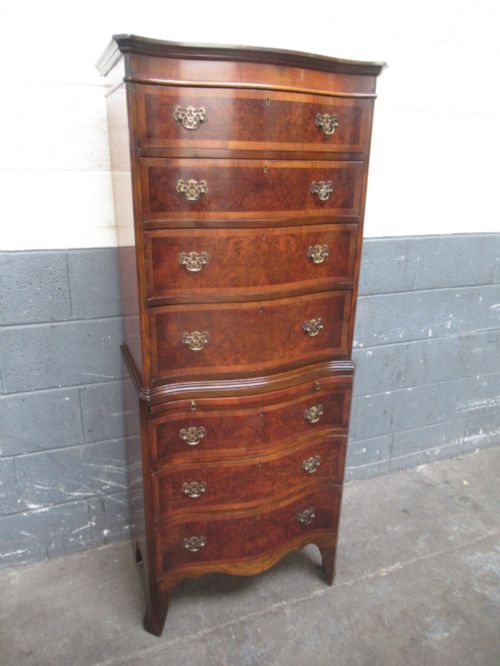
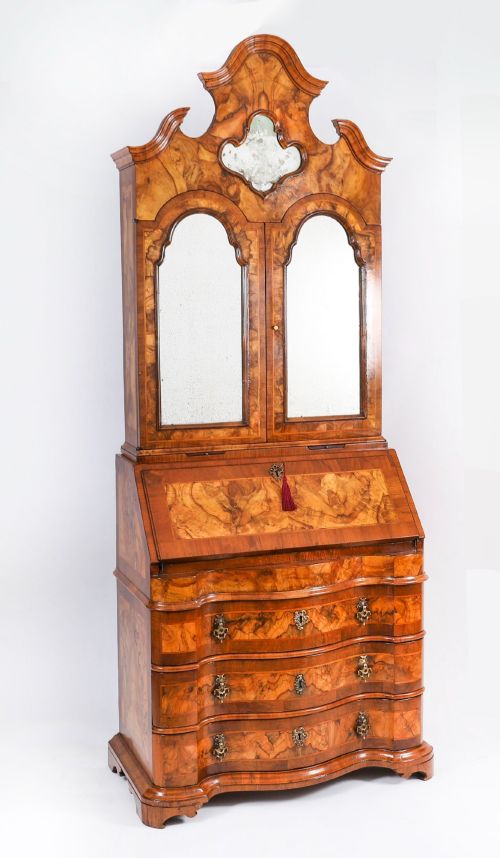
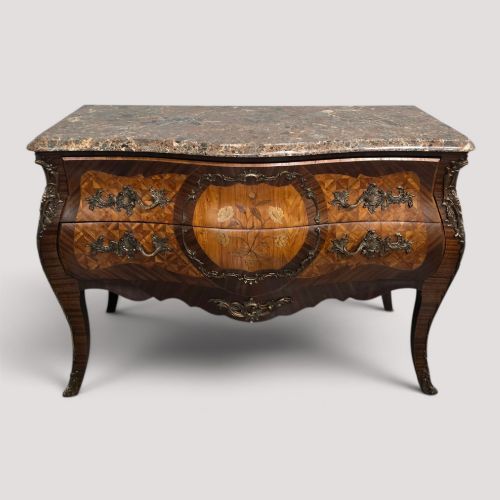
Cabinet-makers shape serpentine fronts by cutting solid timbers or laying figured veneers like burr walnut, kingwood, and mahogany over supportive carcases. Crossbanding and floral marquetry often border the drawer fronts, adding geometric and pictorial depth to the curved surfaces.
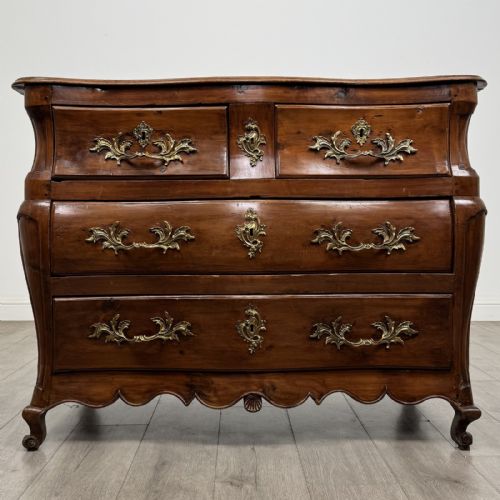
Mounts in ormolu, gilt-bronze, or cast brass accent the corners and aprons of continental commodes, while handles and escutcheons punctuate the drawer faces. Marble tops sit flush upon several of the French and Swedish commodes, following the exact contour of the serpentine wood below.
Materials span mahogany, burr walnut, kingwood, and marble across 18th-century, Victorian, and Edwardian periods.
Distinctions in Execution
The degree of success in serpentine furniture lies in how harmoniously the wood grain follows the complex curve of the front. Superior examples maintain crisp lines in the moulding and drawer edges without distortion, showing deliberate alignment in crossbanded borders and marquetry panels.
Secondary timbers inside drawer linings and the precision of dovetailed joints reveal the hand of the maker. Finer pieces integrate bronze mounts or carved giltwood details that fit the contours precisely, whereas lesser work shows rigidity in the undulating timber and loose joinery.
The Antique Serpentine Furniture Glossary
- Serpentine
- A front or edge shaped in a double curve, convex at the centre and concave at the sides, resembling a snake. This profile requires advanced carpentry to negotiate the changing grain.
- Commode
- A low chest of drawers or cabinet, frequently of French or continental origin. These pieces often feature decorative mounts and intricate marquetry.
- Marquetry
- Inlays of different woods, veneers, and sometimes other materials applied to a carcase in geometric or pictorial patterns. It demands meticulous cutting and fitting.
- Bombe
- A swelling, bulging chest or commode form associated with continental furniture. The sides and front curve outward in sweeping rounded contours.
- Crossbanding
- A border veneer applied so that the grain runs perpendicular to the main panel. This frames the primary timber and accentuates the shape of the furniture.
Antique Serpentine Furniture: Frequently Asked Questions
What is a serpentine front?
A serpentine front is a convex curve flanked by two concave curves, creating an undulating silhouette across the piece of furniture. This shape requires skilled timber manipulation to achieve stability.
Cabinet-makers applied this technique primarily to chests of drawers, commodes, and serving tables to catch the light and add depth to formal rooms.
How do I care for burr walnut?
Burr walnut requires stable indoor humidity and protection from direct sunlight to prevent veneer lifting and fading. Dusting with a dry lint-free cloth preserves the polished surface.
Avoid placing these items near direct heat sources, which dry out the historic glues beneath the figured wood veneers.
Are these pieces French or English?
The selection includes both British and continental pieces, with distinct regional characteristics. British items often use solid mahogany or walnut in restrained Georgian styles.
Continental pieces from France, Sweden, and the Netherlands frequently feature kingwood veneers, elaborate marquetry, marble tops, and gilt-bronze mounts.
What is a brushing slide?
A brushing slide is a pull-out shelf integrated above the top drawer of a chest or desk. It provided a clean surface for dusting garments or writing letters.
In period pieces, these slides operate on wooden runners and sit discreetly behind the main moulding until pulled.