







Antique Sepia Photographs
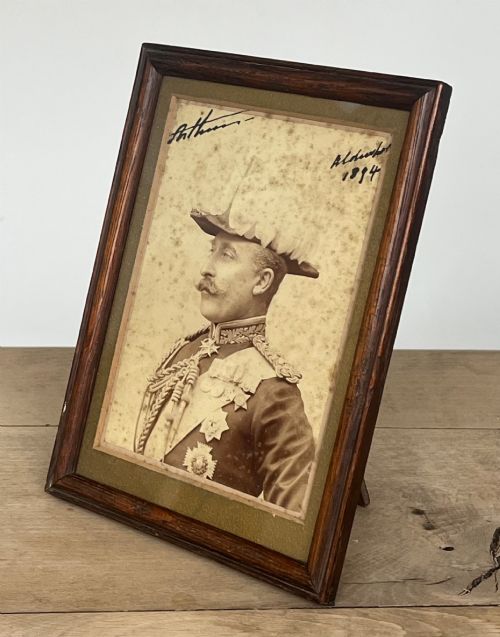
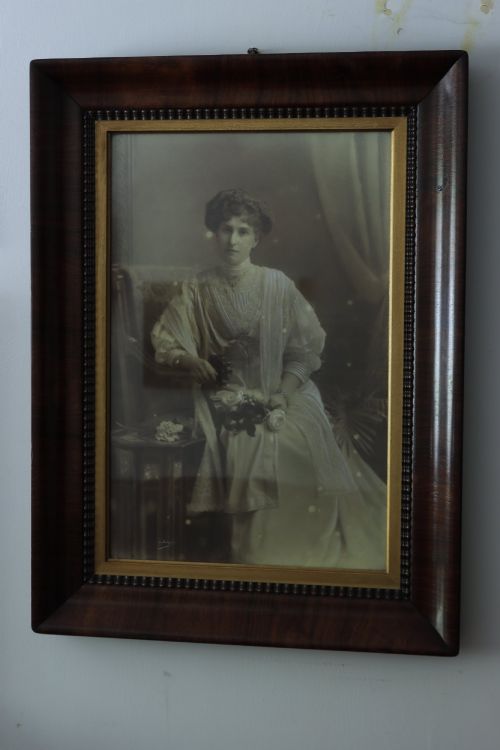
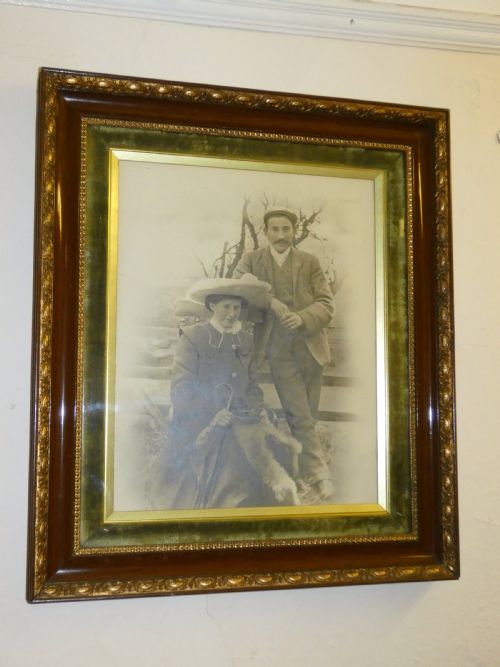
These antique sepia photographs capture portraits, naval figures and historical moments in original oak, gilt and mahogany frames.
Antique Sepia Photographs
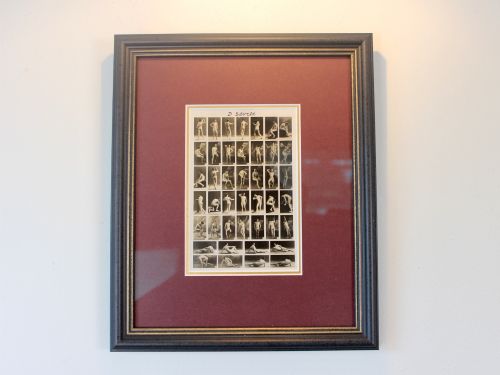
Antique sepia photographs comprise historical prints, portraits and contact sheets framed in wood, gilt and glass. These pieces span the nineteenth century through the nineteen-thirties, capturing subjects from naval officers to racehorses.
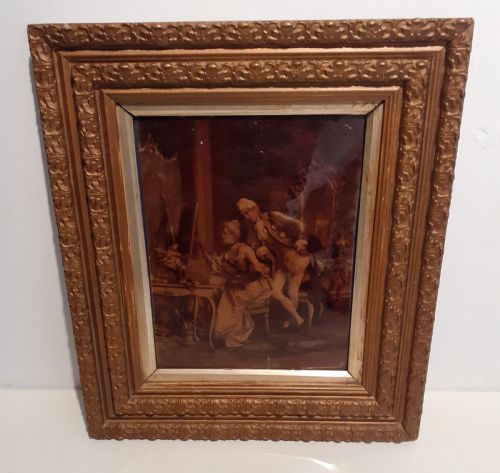
Buyers frequently encounter framed portraits and maritime studies originating from the Victorian and Edwardian eras. The selection encompasses diverse formats including card mounts, glass autochromes and crystoleum works.
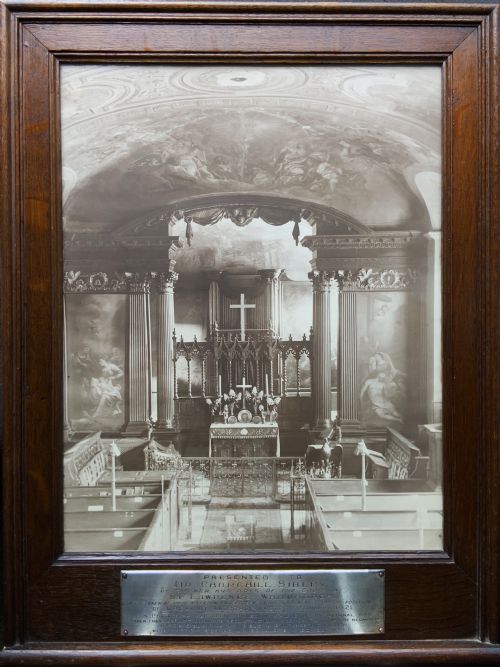
The subjects range from military captains and huntsmen on horseback to architectural fragments and nude studies. Many retain their original period frames, providing a complete historical presentation.
Materials and construction
The physical objects rely on paper prints or glass plates mounted within frames of oak, mahogany and gilt gesso. Photographic emulsion on paper or glass forms the primary imagery, often backed with card or secured behind glass.
Frames utilise traditional joinery in timber such as oak and mahogany, occasionally decorated with gilt gesso or intricate mouldings. These enclosures protect the delicate photographic surfaces while offering wall hanging capabilities.
Antique Sepia Photographs Retail Price Guide 2026
Typical asking prices for sepia photographs among the pieces listed under this phrase on Sellingantiques today, from the lower quarter to the upper quarter. They describe what is for sale here now, not the wider market.
Represented subjects include military captains, sailors, horses and nudes spanning the Victorian era to the nineteen-thirties.
Assessing quality and condition
Quality rests in the clarity of the photographic image and the originality of the mounting. Crisp tonal gradation and well-preserved chemical processing distinguish finer examples from faded or heavily handled prints.
The housing plays a significant role in the overall integrity of the piece. Original frames matching the period of the photograph elevate the piece above those placed in later or mismatched surrounds.
Julian Mandel
The Antique Sepia Photographs Glossary
- Autochrome
- An early colour photography process using dyed potato starch grains on glass plates. These delicate pieces appear luminous when viewed with transmitted light.
- Crystoleum
- A Victorian method of applying a transparent photograph to the inside of concave glass and hand-colouring it. The resulting image gains depth and a painted appearance.
- Contact sheet
- A photographic print made by placing a negative directly against sensitized paper. This technique produces an image the exact same size as the original negative.
- Gilt gesso
- A plaster-based material applied to wood frames and covered in gold leaf. It provides a decorative surface susceptible to cracking and chipping over time.
Antique Sepia Photographs: Frequently Asked Questions
How do I date antique sepia photographs?
Dating relies primarily on the style of dress, the photographic process utilised and the framing materials. Historical records or inscriptions on the reverse of the mount often provide definitive dates.
Examinations of the paper stock and frame construction techniques further narrow the timeframe, distinguishing Victorian examples from nineteen-thirties productions.
Are these photographs original prints?
The inventory consists of period pieces produced during the eras specified, including nineteenth-century salt prints, silver gelatin prints and glass plates. These are contemporaneous with their subjects rather than later reproductions.
Careful inspection under magnification reveals the characteristic grain and emulsion layers associated with vintage photographic chemistry.
How should I hang and display them?
Display these works away from direct sunlight to prevent the sepia tones and paper supports from fading. Stable indoor humidity protects both the wooden frames and the fragile photographic emulsions.
Ensure that wall fixings adequately support the weight of pieces housed in heavy oak or gilt gesso frames with glass covers.
What framing is typically original?
Many pieces retain their period oak, mahogany or gilt frames, which often show appropriate wear consistent with their age. Original backing papers and rusted iron fixings frequently accompany authentic mountings.
Replacing a period frame diminishes the historical context, so collectors generally prefer pieces that retain their original surrounds.