



Antique Seating on Stand
Antique seating on stand encompasses diverse raised seats and benches combining timber frames, ceramic vessels and metal mounts.
Antique Seating on Stand
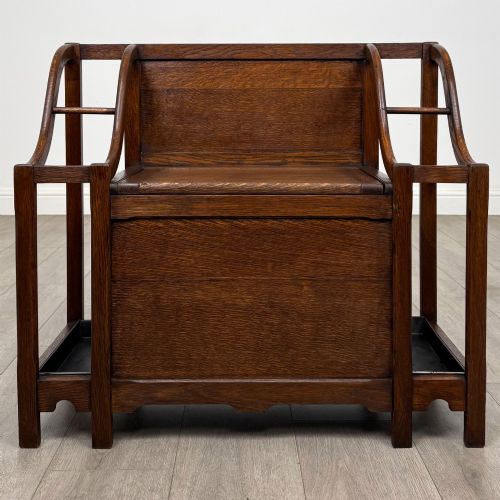
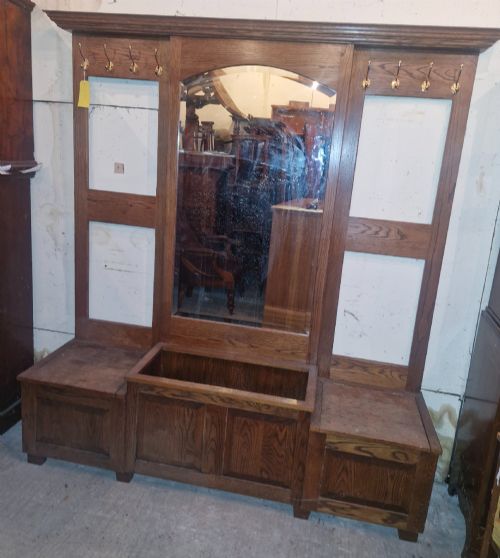
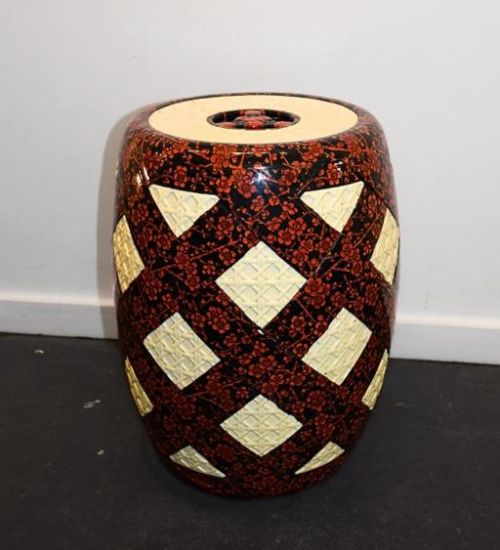
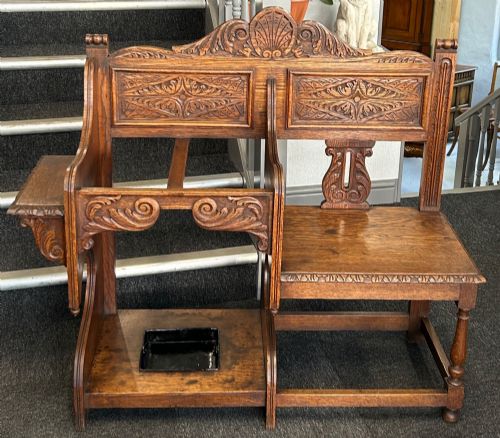
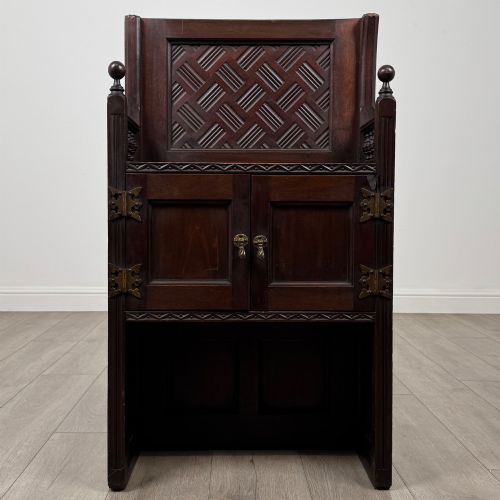
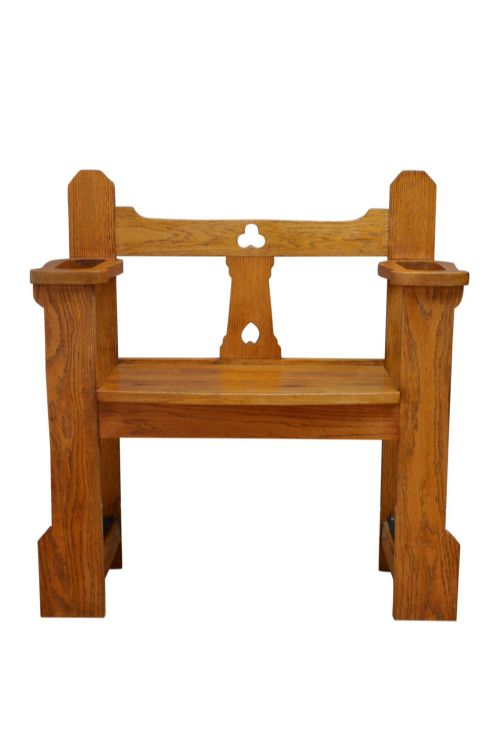
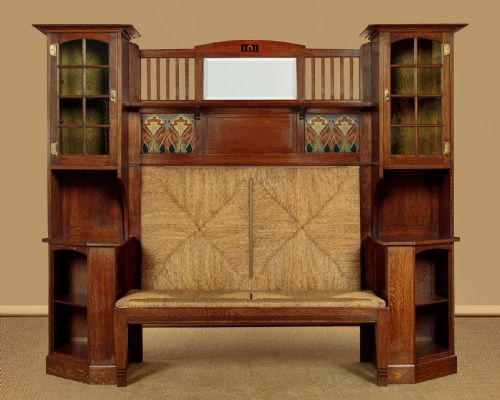
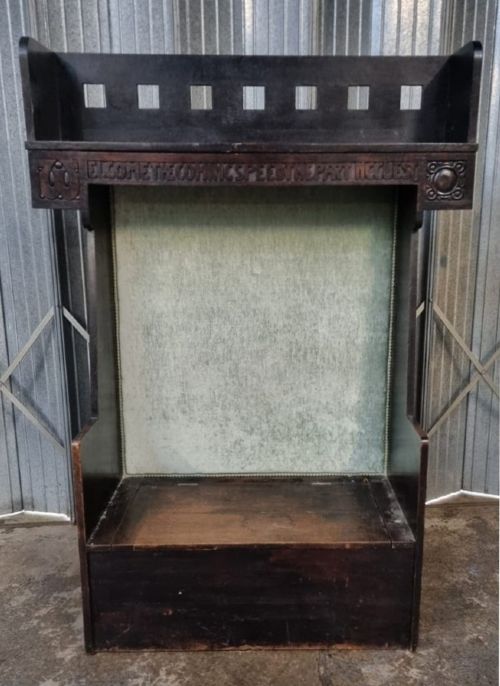
When searching for antique seating on stand, buyers encounter a varied selection of hall seats, garden seats and child chairs raised upon integrated stands or built with storage. Forms range from heavy oak hall benches with stick stands to ceramic barrel garden seats from China and the nineteenth century.
The pieces appearing on this page span the Victorian, Edwardian and Arts and Crafts periods, alongside earlier George III examples and twentieth-century interpretations. Wooden variants predominantly utilise oak and mahogany, whilst exterior options draw upon creamware, ironstone and porcelain glazes.
How they were made
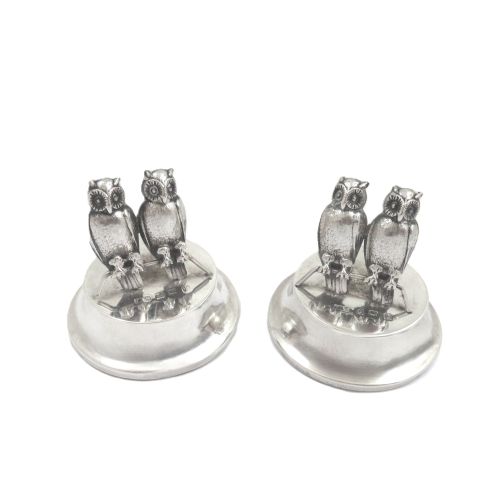
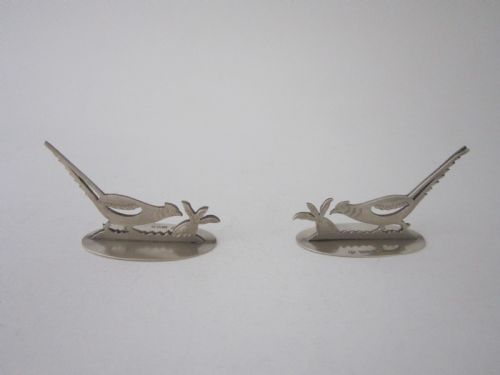
Construction relies heavily on traditional timber joinery, utilising solid oak and mahogany for hall benches, cabinets and stools, often enhanced by carved ornamentation and pokerwork details. Metal components incorporate sterling silver and brass for smaller decorative menu holders and stands.
Ceramic garden seats employ moulded clay, ironstone and porcelain, finished with hand-painted glazes, clobbered decoration or blue and white pigments. Upholstered elements integrate fabric within frame structures designed for domestic or conservatory placement.
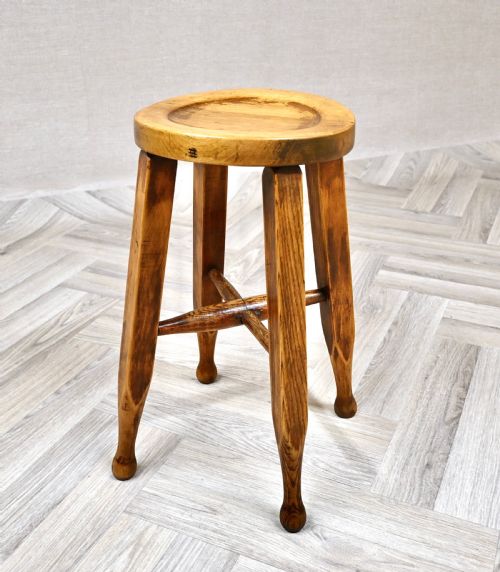
A nineteenth-century Scottish pokerwork stool proudly bears the conversational warning 'Touch me wha daur'.
What varies in quality
Quality rests upon the integrity of the timber framing, the crispness of hand-carved details on oak panels, and the preservation of original ceramic glazes on porcelain garden seats. Superior examples maintain structural stability without excessive timber replacement or intrusive modern alterations.
The refinement of execution distinguishes finer pieces, seen in the proportion of narrow-profile Arts and Crafts benches and the precision of silver work on menu holders. Original surfaces, patination and maker attributions elevate the standing of individual items within their respective periods.
Minton·Shapland and Petter·Liberty·Asprey·Howard and Sons·Gillows of Lancaster
The Antique Seating on Stand Glossary
- Hall seat
- A functional hallway bench often incorporating storage compartments, shoe racks or integrated umbrella and stick stands. These items served busy Victorian and Edwardian domestic entryways.
- Arts and Crafts
- A design movement prioritising handcraftsmanship, simple structural honesty and vernacular materials. Oak is a dominant timber in this style.
- Pokerwork
- A decorative technique utilising heated metal tools to burn designs into wooden surfaces. Scottish and Victorian pieces occasionally employ this method on stools.
- Clobbered
- A ceramic decoration process where underglaze blue porcelain receives subsequent overglaze enamelling and secondary firing. This practice altered imported oriental wares for Western markets.
Antique Seating on Stand: Frequently Asked Questions
What is a hall seat on stand?
A hall seat on stand is a combined furniture item designed for entryways, offering a place to sit alongside storage for coats, sticks or shoes.
These pieces utilise robust timbers like oak and mahogany, reflecting domestic requirements from the Victorian and Edwardian eras.
Where were ceramic garden seats used?
Ceramic garden seats were utilised in conservatories, gardens and verandas during the nineteenth century. Their barrel form drew inspiration from oriental imports.
Glazed porcelain and ironstone finishes allowed these decorative seats to withstand various environmental conditions.
How do I date an Arts and Crafts oak seat?
Dating relies on stylistic markers such as linear proportions, exposed joinery and handcrafted oak construction characteristic of the late nineteenth and early twentieth centuries.
Makers inspired by the movement favoured honest construction over excessive applied ornamentation.