

Antique Seated Furniture
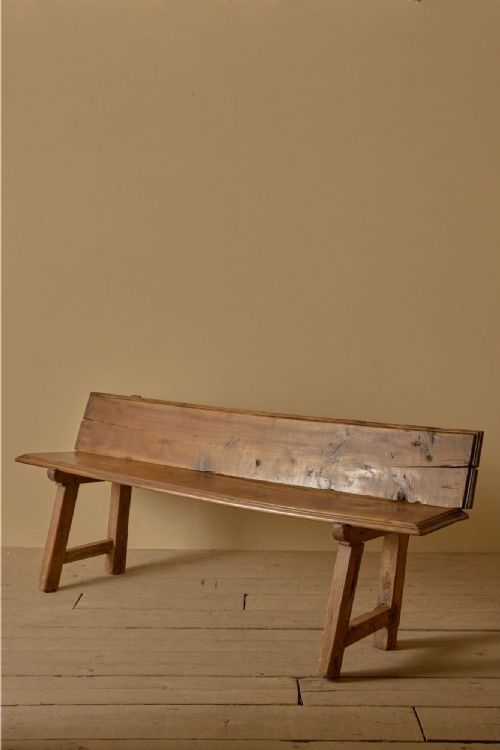
When you search for antique seated furniture, you are looking at centuries of timber benches, dining chairs, stools and settles shaped by regional craftsmanship.
Antique Seated Furniture
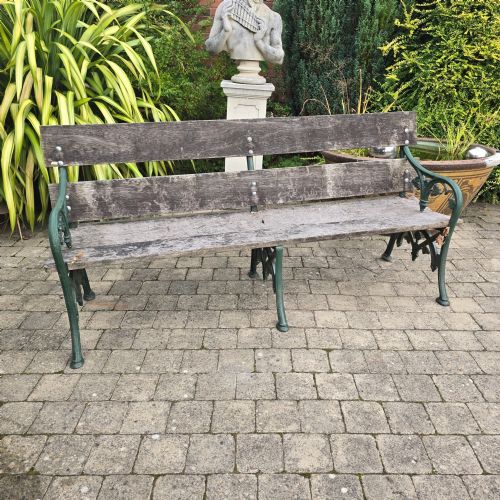
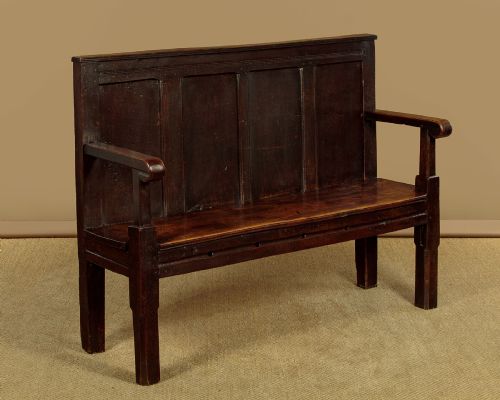
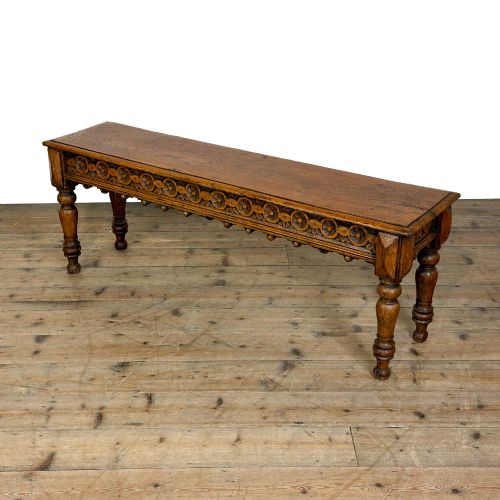
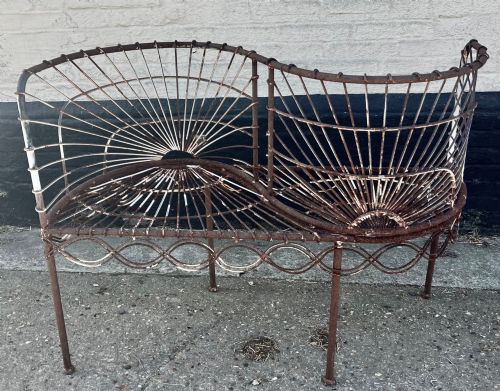
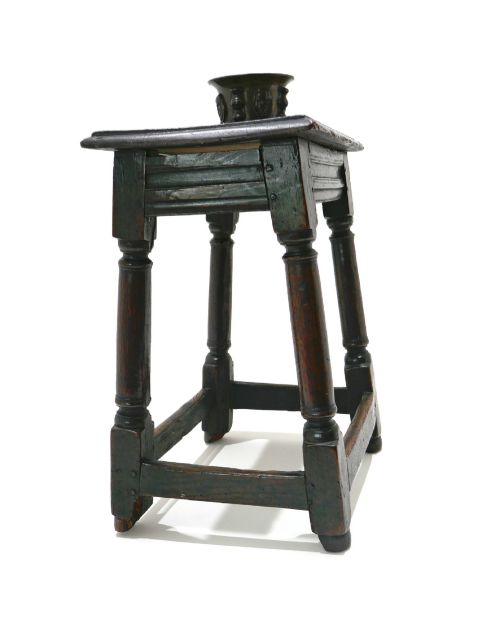
Antique seated furniture encompasses everything from 17th century joined stools and robust oak settles to sets of Victorian mahogany dining chairs and cast iron garden benches.
The versions you are most likely to meet on this page span the 17th, 18th and 19th centuries, reflecting diverse periods including Georgian, Regency, Victorian and Arts and Crafts.
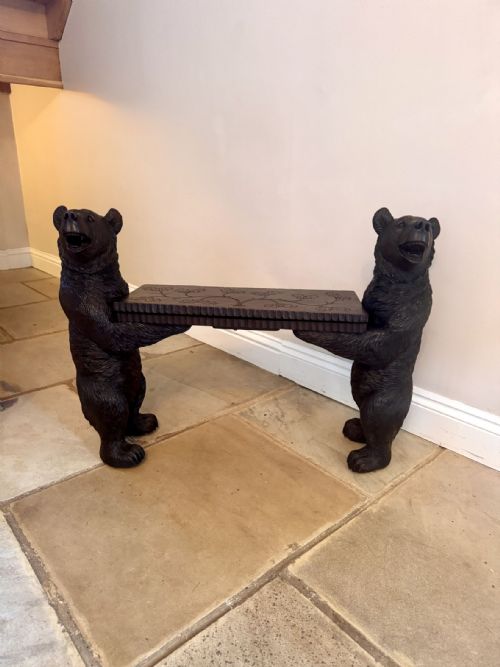
Objects range from functional kitchen seating and pub benches to elaborate Syrian mother-of-pearl inlaid armchairs and Black Forest musical seats.
Materials and Technique
Makers utilised solid timbers such as oak, walnut, mahogany, elm, yew, laburnum, pine and exotic Syrian hardwoods, frequently pairing them with fabric, leather, brass, cane, marble and paint.
Construction techniques rely on traditional joinery methods like pegged mortise and tenon joints in early pieces, alongside detailed hand-carving, inlay work and turning found in later Victorian and continental examples.
Listings feature 17th century joined stools alongside 19th century Syrian hardwood benches and cast iron garden seats.
Craftsmanship and Material Depth
Quality separates through the integrity of the timber selection, such as figured burr walnut or dense Cuban mahogany, and the depth of hand-carved ornamentation on backs and legs.
Pieces displaying cohesive sets, original board seats, or intricate artisan inlays like mother-of-pearl and contrasting woods represent the upper tier of execution.
E.W Godwin·Strahan and Co·Whytock and Reid
The Antique Seated Furniture Glossary
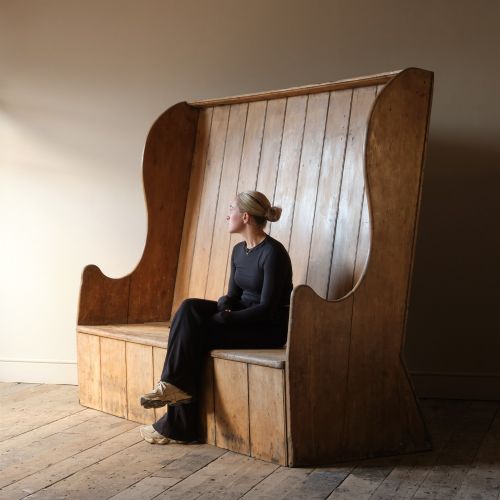
- Settle
- A wooden bench with a high back, solid seat and often enclosed arms or under-seat storage. Settles originated to block draughts in large halls and inns.
- Joint Stool
- An early form of stool constructed with tight mortise and tenon joints rather than turned legs alone. These sturdy pieces served multiple domestic uses before chairs became common.
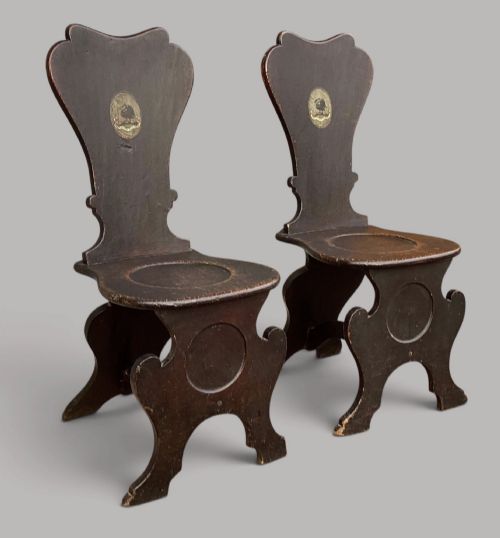
- Hall Chair
- A rigid wooden or upholstered chair positioned in entrance halls for brief seating. They frequently feature painted or carved family crests and armorials.
- Scabello
- An Italian Renaissance style of chair characterised by a high, flat back and a trestle base instead of standard legs. They are typically fashioned from solid walnut.
- Campaign Chair
- A collapsible or portable chair designed for travel and military use during campaigns. They often incorporate clever folding mechanisms and durable cane or leather seats.
Antique Seated Furniture: Frequently Asked Questions
What is an antique settle?
A settle is a wooden bench featuring a high back and solid seat, historically placed near hearths to deflect cold draughts. They often incorporate hinged seats concealing storage boxes beneath.
These pieces served communal spaces in farmhouses, cottages and public houses before modern sofas took over domestic interiors.
How do I date an oak chair?
Dating oak seating involves examining construction marks, tool traces and joinery methods. Early pieces from the seventeenth century utilise pegged mortise and tenon joints with hand- cleft timber.
Later Victorian revivals mimic these early forms but show machine-sawn surfaces and standardised iron fixings instead of traditional hand-working.
Can I use antique dining chairs daily?
Most antique dining chairs built from solid mahogany, walnut or oak remain structurally robust for everyday use. Regular inspection of joints prevents looseness from forming over time.
Pairs and sets from the Georgian and Victorian eras were engineered for practical dining and continue to withstand routine weight when handled respectfully.
Where were hall chairs placed?
Hall chairs stood in the entranceways of large country houses and town residences. Guests and callers used them briefly while waiting to be announced.
Because they were meant for transient use rather than long lounging, their designs emphasise visual impact, often displaying carved armorials or painted family crests.