

Antique Seat with Arms
An antique seat with arms offers practical comfort and period character, ranging from library armchairs to oak hall benches.
Antique Seat with Arms
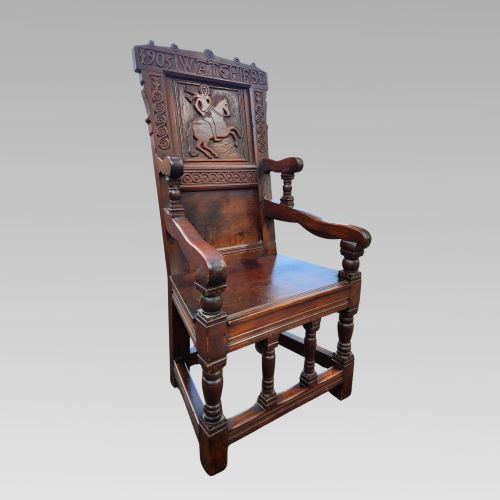
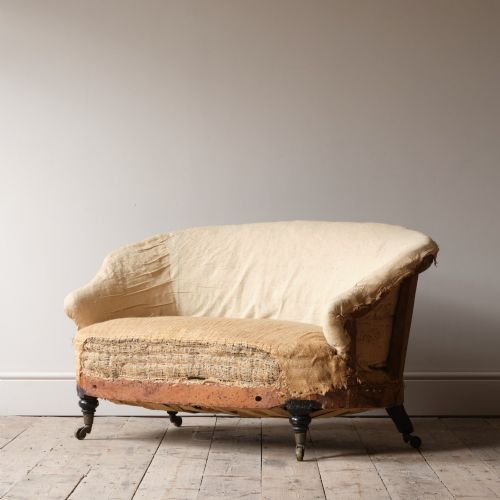
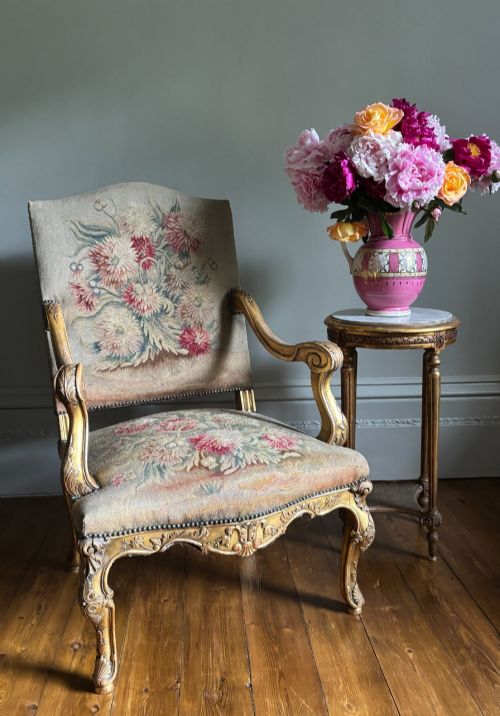
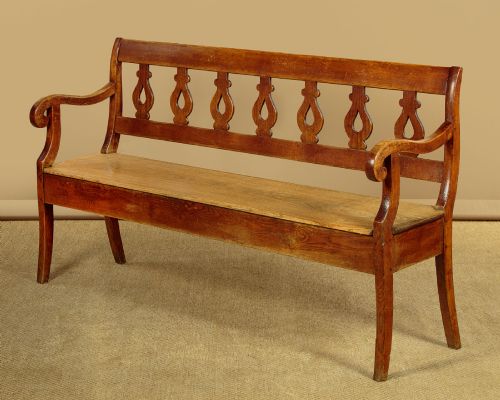
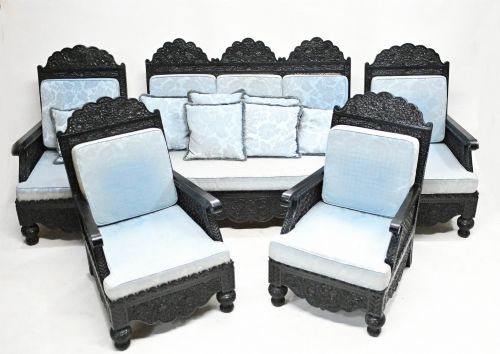
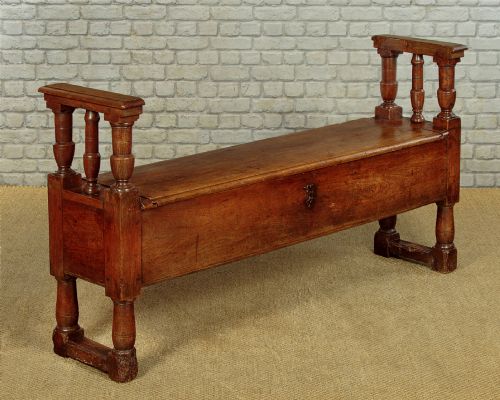
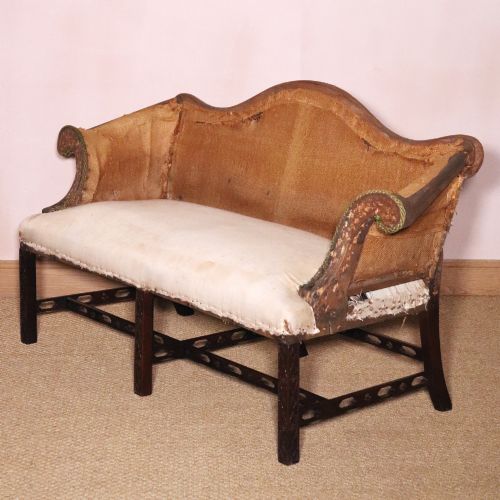
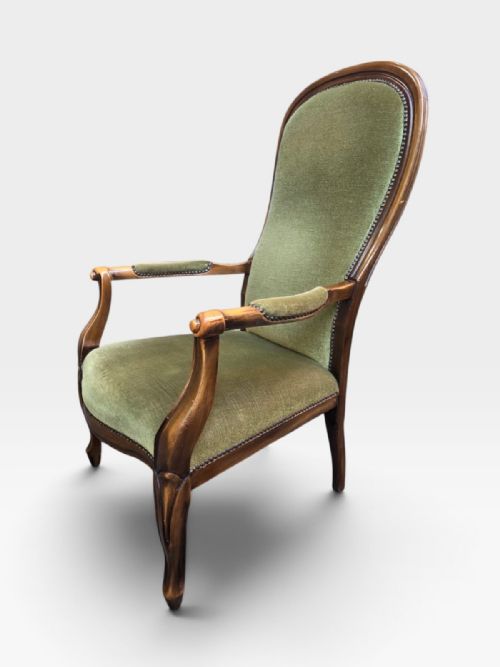
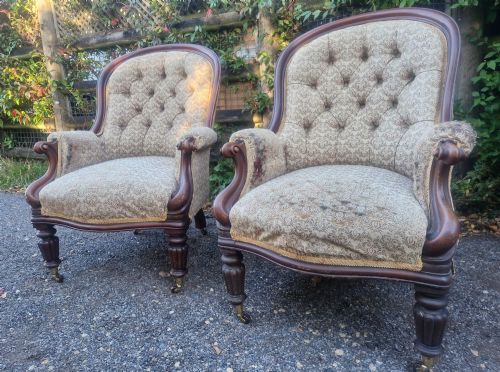
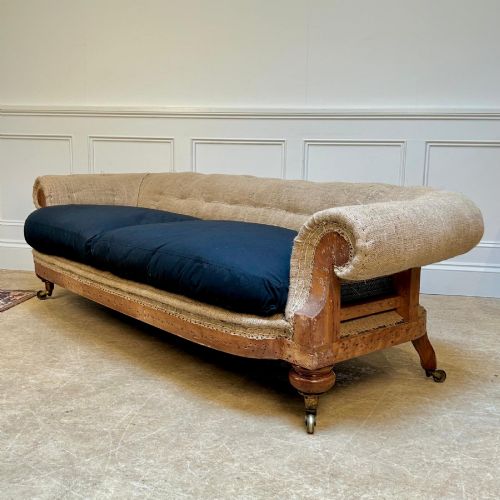
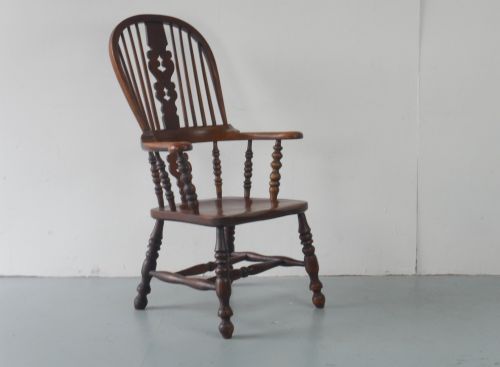
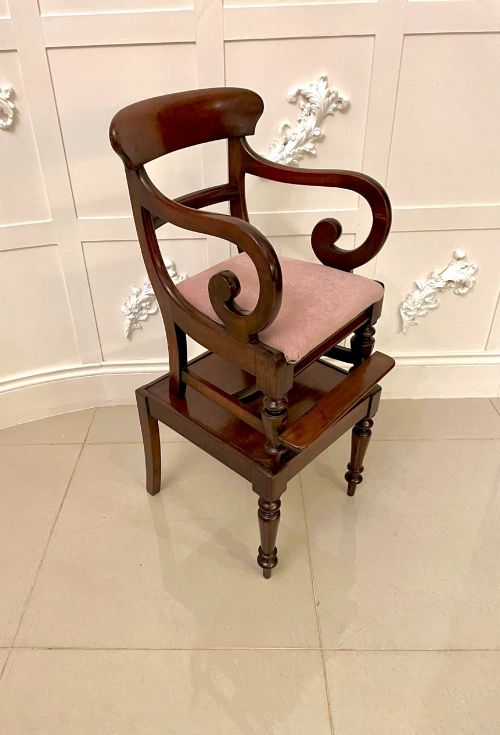
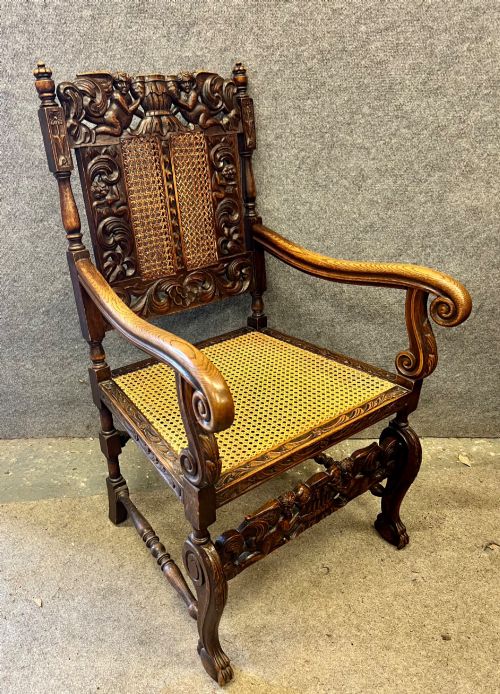
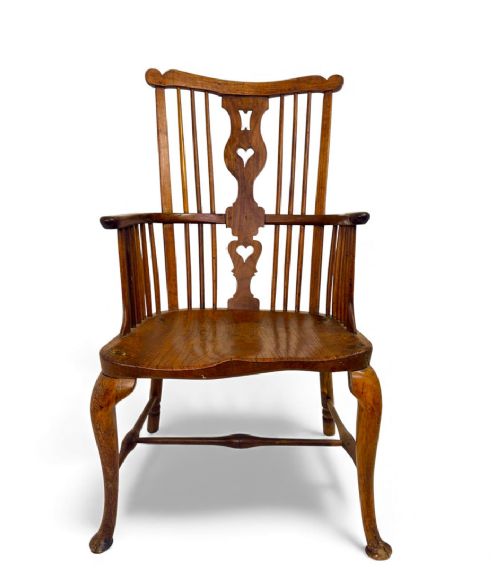
An antique seat with arms encompasses a diverse group of domestic furniture designed for sitting with support, spanning centuries of British and continental woodworking. The selections on this page cover functional seating forms ranging from robust library armchairs and drawing room sofas to hall benches and window seats.
The assortment reaches from sophisticated urban parlor seating to vernacular country items like Windsor chairs and carved oak hall seats. Each piece serves the fundamental purpose of providing seated support while displaying the distinct proportions and ornamental vocabulary of its period of origin.
Materials and construction methods
Makers constructed these frames predominantly from hardwoods such as mahogany, oak, walnut, and yew, often selecting timber for both structural strength and decorative grain pattern. Joinery relied on traditional methods including mortise and tenon joints, dowels, and hand-carved elements integrated directly into the wooden framework.
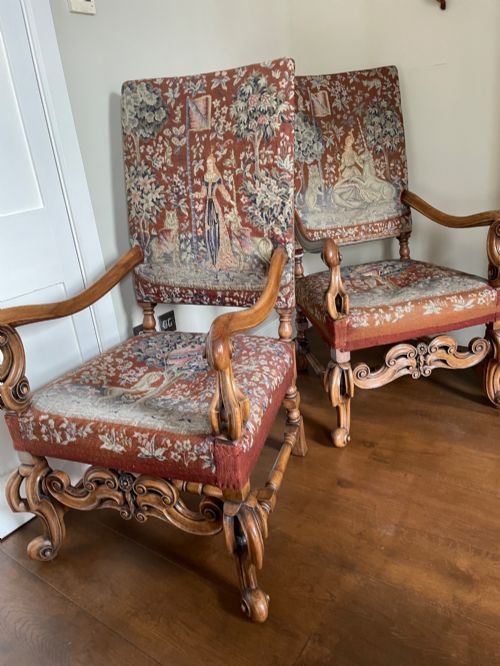
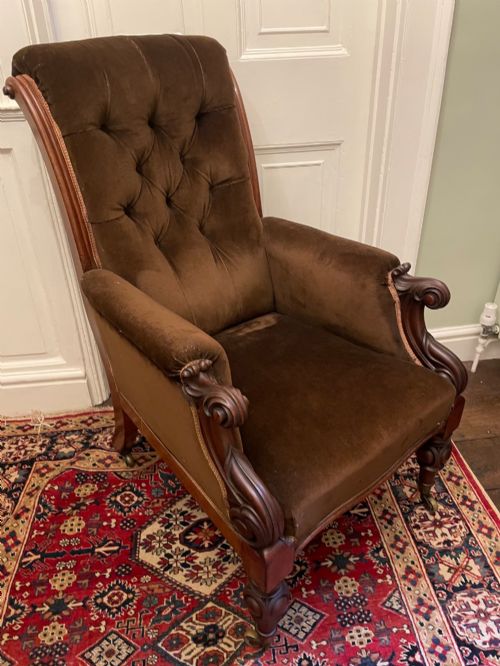
Upholstered variants incorporate supportive foundations utilising materials like webbing, horsehair, and springs beneath outer coverings of leather, velvet, tapestry, calico linen, and kilim. Secondary treatments involve gilding on gesso, surface painting, or wax polishing to finish the exposed woodwork.
Antique Seat with Arms Retail Price Guide 2026
Typical asking prices for seat with arms among the pieces listed under this phrase on Sellingantiques today, from the lower quarter to the upper quarter. They describe what is for sale here now, not the wider market.
Materials recorded across these seats include traditional hardwoods paired with diverse textiles like velvet, tapestry, leather, and original ticking.
Factors determining quality
The standard of a piece is primarily determined by the crispness of its hand-carved ornamentation, the selection of timber figures, and the integrity of its structural joinery. Finer examples display harmonious proportions, balanced arm supports, and thoughtful integration of decorative details like heraldic shields or needlework panels.
Originality of components, including upholstery foundations, rush seats, leather inserts, and hardware, significantly influences the standing of an item. Pieces retaining their early or original coverings, ticking, and surface finishes command greater regard among collectors seeking historical authenticity.
Liberty·Morris and Co·Howard and Son's
The Antique Seat with Arms Glossary
- Bergère
- An enclosed armchair featuring upholstered sides and back, typically filled with cane or fabric panels.
- Carver chair
- An armchair designed with upright proportions, historically used at the head of a dining table.
- Cofer
- A large wooden chest or box with a lid, frequently adapted or utilised as a hall seat.
- Drop-in seat
- A removable upholstered frame that fits directly into a recess within the wooden chair seat rails.
- Smoker's bow
- A low-backed wooden armchair with a continuous curved arm rail, common in vernacular nineteenth-century forms.
- Windsor chair
- A traditional wooden seat construction featuring turned legs and spindles socketed directly into a solid wooden seat.
Antique Seat with Arms: Frequently Asked Questions
What is an antique seat with arms?
An antique seat with arms is any historical piece of furniture intended for sitting that includes structural armrests. These items range from formal library chairs and sofas to utilitarian hall benches and Windsor chairs.
They reflect the domestic requirements and design aesthetics of periods spanning the eighteenth through the early twentieth centuries, constructed primarily in wood with various upholstery types.
How were antique armchairs used?
These chairs served multiple functions across different rooms of a historic home, from reading in a library to receiving guests in a salon. Formal armchairs provided comfortable seating in reception spaces, while robust oak forms occupied hallways and vernacular Windsor chairs suited everyday domestic use.
Upholstered variants offered enhanced comfort for prolonged sitting, whereas wooden hall chairs functioned as rigid, impressive seats for visitors waiting in entryways.
How do I live with antique seating?
Living with these pieces involves balancing daily utility with the preservation of historic materials and delicate frames. Placing wooden and upholstered items away from direct heat sources and strong sunlight protects fragile fabrics, leather, and nineteenth-century polishes.
Regular, gentle dusting and careful weight distribution help maintain the structural integrity of antique joints, cane panels, and original rush or textile seats.
How do I identify different periods?
Identifying periods requires examining the stylistic vocabulary, wood selection, and construction techniques characteristic of specific decades or reigns. Regency and Victorian pieces often display distinct mahogany framing, heavy button-backed upholstery, or classical revival motifs.
Earlier eighteenth-century examples exhibit different carving styles and joinery methods compared to later Arts and Crafts or Edwardian interpretations.