




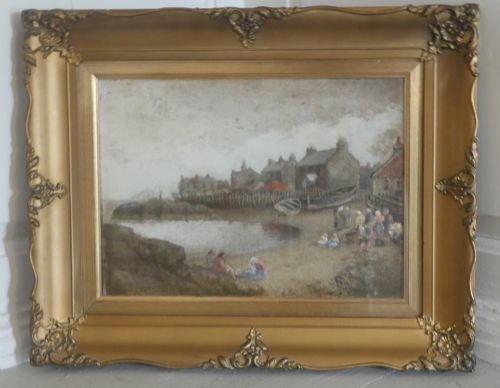
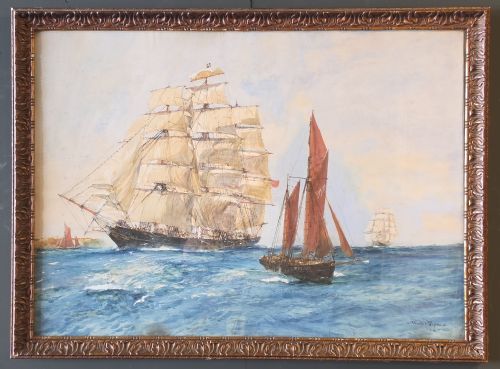
Antique Seascape in Frame
When you search for an antique seascape in frame, you encounter paintings of coastal waters and vessels held in period wooden settings.
Antique Seascape in Frame
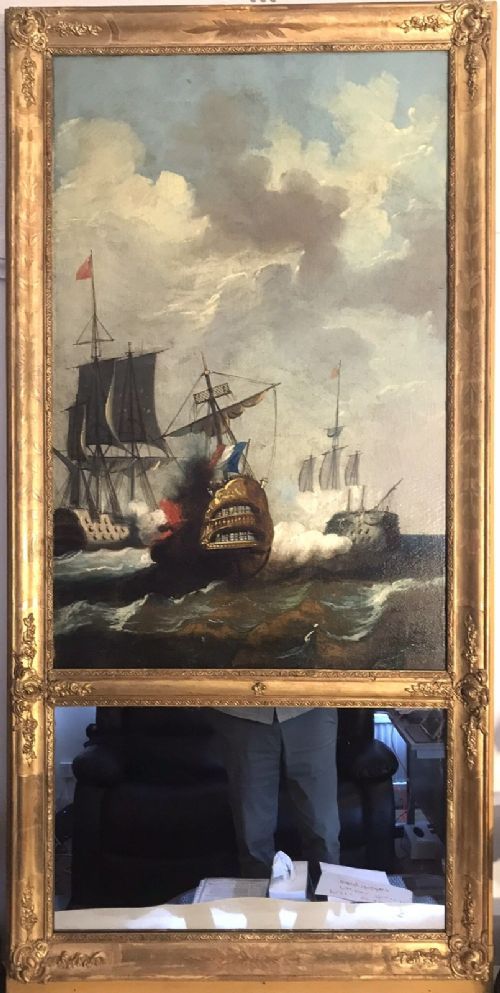
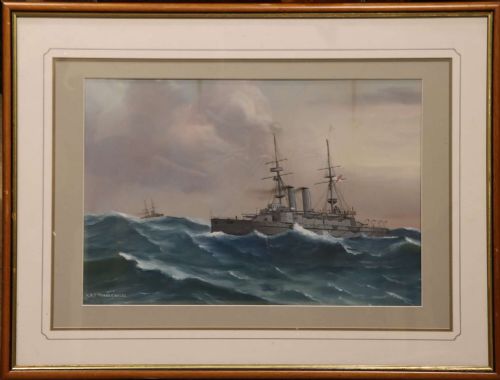
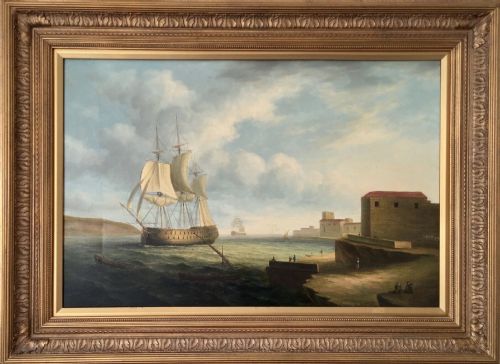
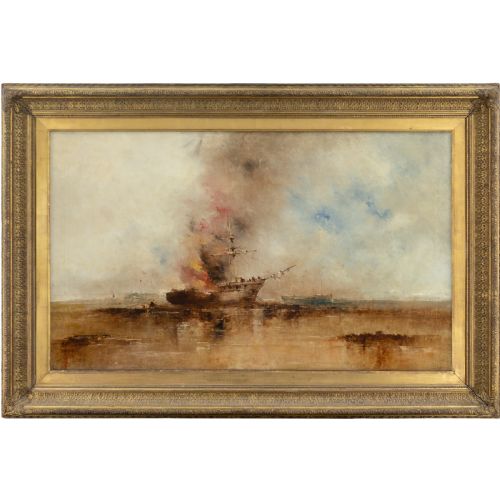
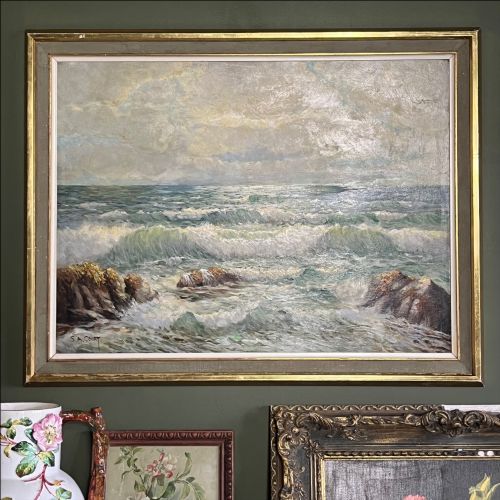
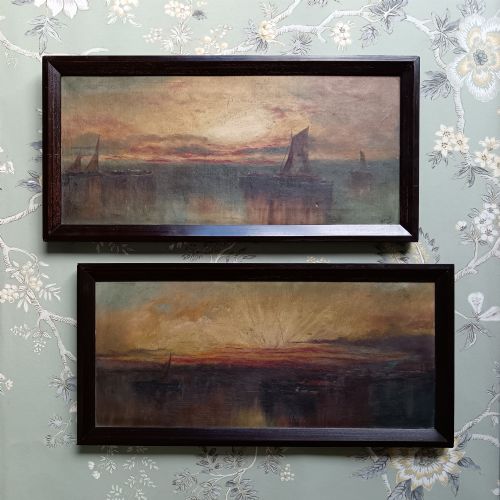
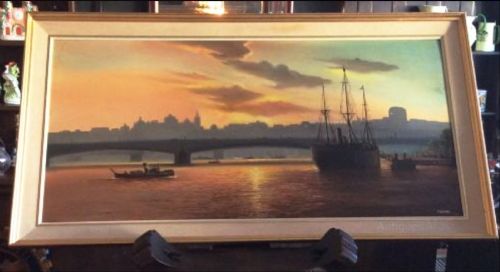
An antique seascape in frame brings maritime subjects into domestic spaces, capturing vessels, harbours, and coastal weather. These works range from small watercolours on paper to large canvas oils depicting historic ships, naval engagements, and quiet shorelines.
The selections span the nineteenth and early twentieth centuries, including Victorian and Edwardian periods. Buyers commonly encounter framed works representing British and European coastal views, from Cornish fishing ports to Venetian canals.
Formats vary from rectangular wall art to oval canvases and maritime shadow boxes. Many pieces arrive housed in their original decorative gilt wood settings, preserving the complete object as it was displayed historically.
How they were made
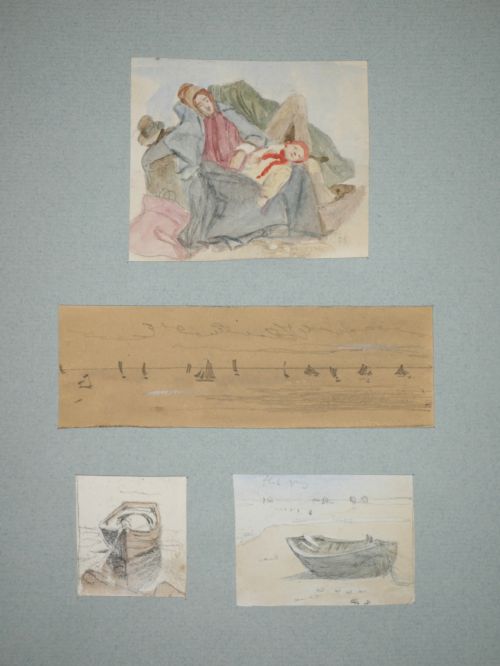
Makers applied oil paint or watercolour to canvas, wood panels, board, or paper supports. Oil on canvas allowed artists to build rich, textured surfaces for stormy seas and billowing sails, whilst watercolours on paper captured lighter atmospheric effects along beaches and estuaries.
Surviving frames are predominantly constructed from wood, frequently finished with a gilt surface to complement the maritime scenes within. Glazing often protects works on paper, while oil paintings on canvas remain unglazed.
Several artists captured the exact moment a ship struck trouble, ensuring generations could admire distant maritime mishaps from the comfort of a dry parlour.
What varies in quality
Quality rests upon the artist's ability to render water, light, and maritime architecture with convincing depth and proportion. Superior examples demonstrate a confident handling of atmospheric conditions, whether depicting calm harbour reflections or turbulent open waters.
The condition and originality of the surrounding wooden frame also influence the overall standard of the piece. Settings that retain their original gilding and structural integrity contribute significantly to the historical integrity of the artwork.
James Orrock·Charles Edward Dixon·William Banks Fortescue·John Rose Miles·Francis Moltino·Thomas Creswick·John Wilson Carmichael
The Antique Seascape in Frame Glossary
- Gilt wood
- Wood coated with a thin layer of gold leaf or gilt paint. This finish was standard for framing fine art throughout the Victorian and Edwardian periods.
- Oil on canvas
- Pigment mixed with drying oil applied to stretched woven fabric. This medium provides durability and allows for deep colour saturation in marine painting.
- Watercolour
- A paint consisting of water-soluble pigments used on paper supports. It is frequently employed for luminous coastal sketches and detailed harbour views.
- Maritime shadow box
- A three-dimensional display containing a painted background and model vessels. These objects bridge the gap between flat art and nautical artefacts.
- Panel
- A flat piece of wood used as a rigid support for painting. Artists utilised panels for smaller compositions before canvas became universally dominant.
Antique Seascape in Frame: Frequently Asked Questions
How do I date an antique marine painting?
Examine the style of the clothing, vessel types, and architectural elements depicted within the composition. Pigments, canvas types, and the construction methods of the frame also offer reliable clues to the era of creation.
Signatures, inscriptions on the reverse, and artist records help narrow down the decade. Comparing the work to documented pieces by known regional painters clarifies the timeline further.
Where should I hang a framed coastal oil painting?
Select an interior wall away from direct sunlight and fluctuating heat sources to protect both the canvas and the wooden frame. Adequate lighting helps reveal the subtle brushwork and atmospheric tones of the water.
Ensure the hanging height places the centre of the artwork at eye level for comfortable viewing. Secure wall fixings are essential, particularly for heavier framed oil paintings.
Are watercolours and oil paintings cared for differently?
Works on paper executed in watercolour require protective glass to shield them from moisture, dust, and ultraviolet light degradation. They demand strict placement away from direct sun to prevent fading.
Oil paintings on canvas are more robust but benefit from gentle dusting with a soft, dry brush. They do not require glass, allowing the textured paint surface to breathe.
What distinguishes a Victorian marine painting from later works?
Victorian maritime art frequently focuses on detailed rigging, named commercial vessels, and dramatic narrative scenes of rescues or naval history. The brushwork tends towards academic precision and finished detail.
Later Edwardian and twentieth-century pieces often embrace looser brushwork influenced by impressionism. These later works focus more on atmospheric light and tonal harmony across the sea.