







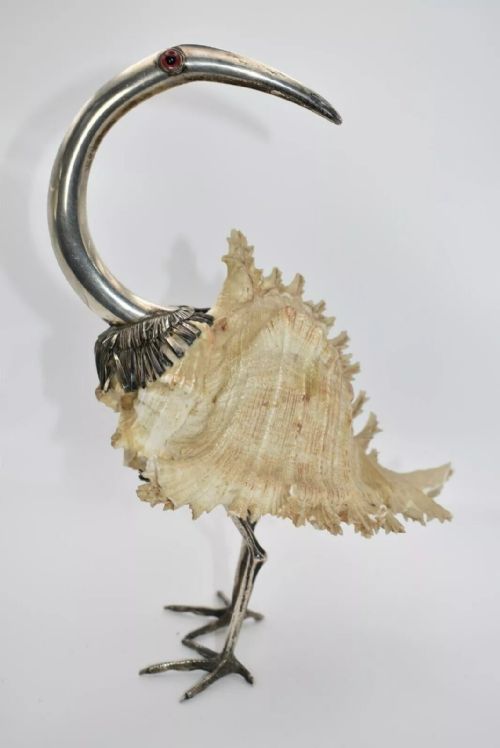
Antique Sea Shell
These antique sea shell pieces bring the timeless appeal of natural history and maritime craft directly into domestic spaces.
Antique Sea Shell
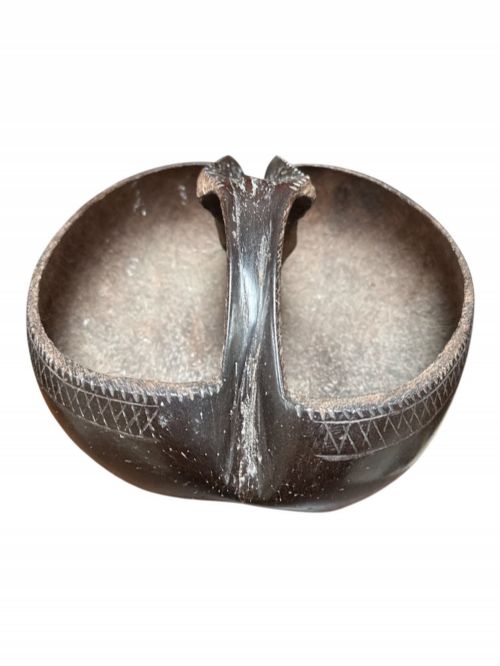
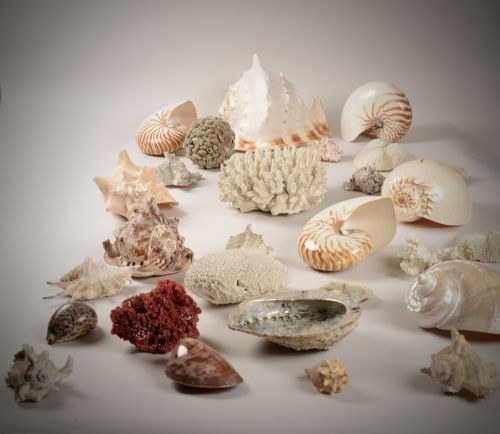
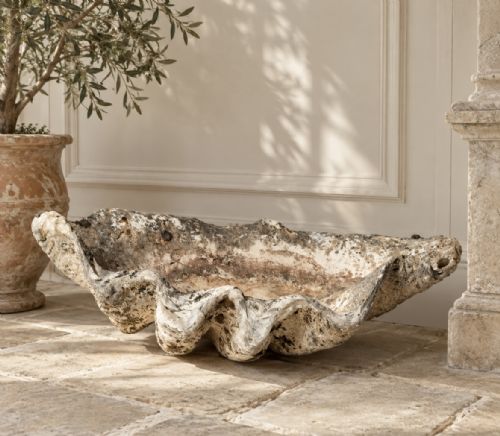
When you search for antique sea shell objects, you encounter a fascinating cross-section of natural history specimens, folk art, and decorative items that span several centuries. The material expressions range from raw natural shells and giant clam specimens to intricate shellwork boxes and framed hand-coloured engravings.
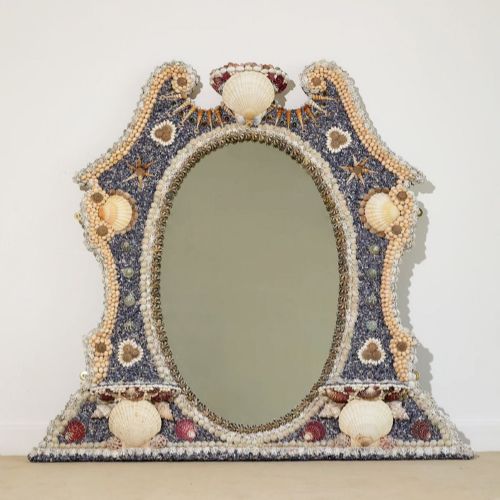
The selection on this page leans heavily toward Victorian natural history collections, Georgian decorative mirrors with later shellwork, and grand tour souvenirs. Buyers frequently find items that reflect both scientific curiosity and domestic ornamentation, typical of wealthy households from the nineteenth and early twentieth centuries.
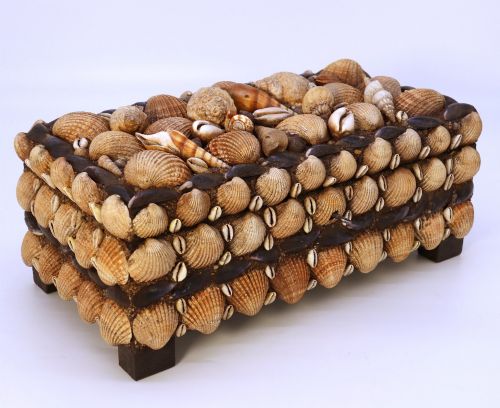
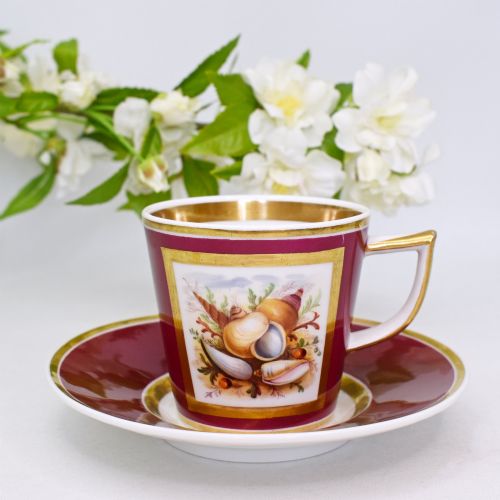
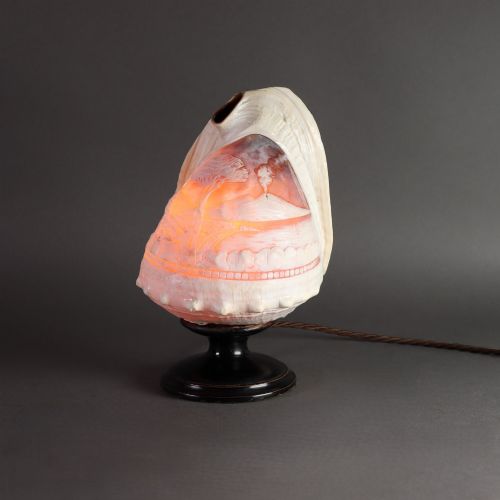
Forms vary considerably from functional trinket boxes and coffee cups to sculptural table lamps, wall mirrors, and large decorative bowls. Each piece demonstrates how makers incorporated marine motifs into classical interiors and rustic folk art traditions alike.
Materials and methods of construction
Makers utilised a combination of organic marine elements and traditional workshop materials, pairing natural calcium carbonate shells with structural timber, gesso, and mirror glass. Several pieces incorporate precious metals and pearls, while others translate organic forms into porcelain, bronze, and paper prints.
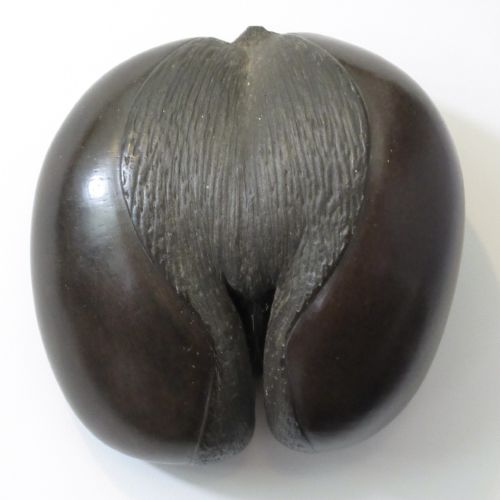
Craftsmanship ranges from the taxidermy and collection of natural specimens like the Coco de Mer and Tridacna Gigantea to meticulous hand-carving on conch shells. Artisans also employed delicate engraving techniques, producing hand-coloured plates that document marine life with scientific precision.
Antique Sea Shell Retail Price Guide 2026
Typical asking prices for sea shell among the pieces listed under this phrase on Sellingantiques today, from the lower quarter to the upper quarter. They describe what is for sale here now, not the wider market.
Listings feature natural sea shells, porcelain, bronze, and wood across periods from the Georgian era through the early twentieth century.
Factors that distinguish quality
Quality rests primarily on the preservation of the material and the sophistication of the arrangement or carving. Natural specimens retain higher integrity when their original scale, surface lustre, and structural completeness remain undisturbed by heavy restoration.
Oliver Goldsmith·Yates Leeds·Clodion
The Antique Sea Shell Glossary
- Grand Tour
- A traditional trip through Europe undertaken by upper-class young men of means for educational and cultural accumulation, frequently resulting in the acquisition of classical souvenirs.
- Coco de Mer
- A palm species native to the Seychelles producing a legendary double-nut shell that became a highly prized cabinet of curiosities specimen.
- Folk art
- Utilitarian or decorative items created by self-taught or non-professional makers using accessible local materials, often displaying distinct regional character.
- Cameo
- A method of carving an object such as a shell or stone in relief, utilising strata of differing colours to create a distinct image against a contrasting background.
- Cabinet of curiosities
- An early form of museum room or piece of furniture where collectors displayed a wide variety of natural and artificial wonders.
Antique Sea Shell: Frequently Asked Questions
How should I clean my antique sea shell?
Organic shells require gentle dusting with a soft, dry brush to prevent surface abrasion. Moisture and chemical cleaners damage natural calcium carbonate over time.
For mounted metal or wood components, use appropriate conservation methods that keep liquids entirely away from the shell surfaces.
Where were these shell pieces displayed historically?
Victorian households prominently displayed natural specimens and shellwork in drawing rooms, studies, and specialised display cabinets. They served as conversation pieces that demonstrated scientific curiosity and global travel.
Smaller items like stick pins and trinket boxes functioned as personal accessories or vanity table ornaments.
How do I identify a Georgian shellwork mirror?
Georgian mirrors featuring shellwork often combine period timber frames with decorative elements applied during the era or subsequently added by later collectors. Examine the backing timbers and adhesives to understand the chronological relationship between the frame and the shells.
Stylistic cues typically align with neoclassical or traditional English folk art aesthetics of the eighteenth and nineteenth centuries.
Are giant clam shells durable enough for daily handling?
Large specimens like Tridacna Gigantea consist of dense calcium carbonate but remain heavy and brittle at the edges. They function best as stable tabletop display objects rather than frequently handled items.
Proper weight distribution and secure placement protect these substantial natural forms from accidental chipping.