


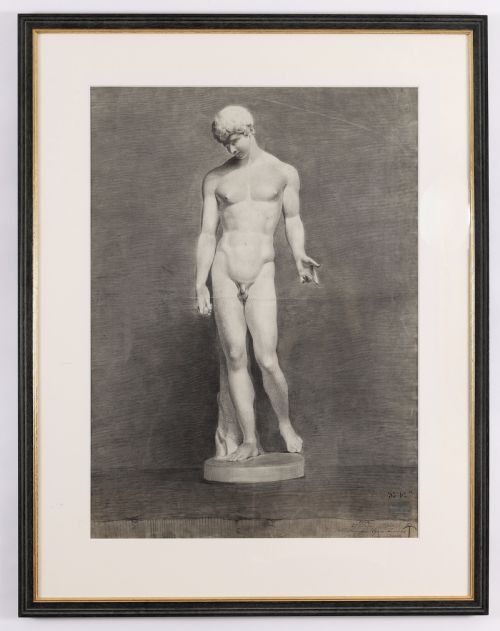


Antique Sculpture Study
When you search for antique sculpture study, you encounter smaller exploratory works, models, and castings made by sculptors to test forms or supply collectors with portable representations of larger monuments.
Antique Sculpture Study
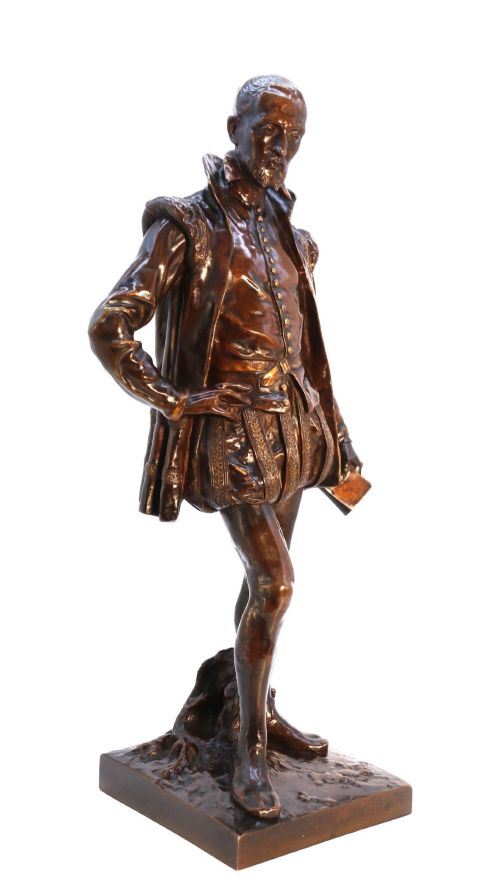
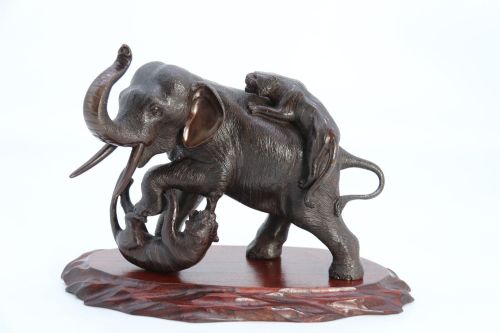
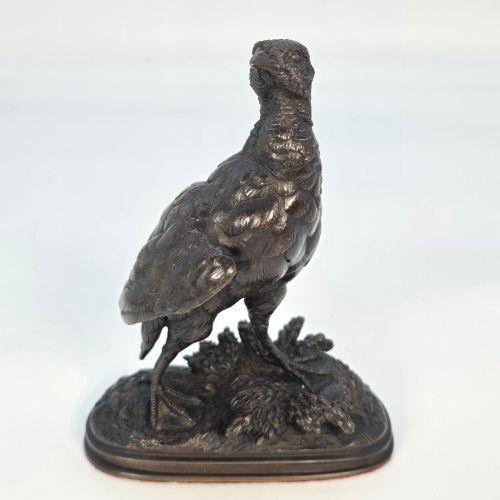
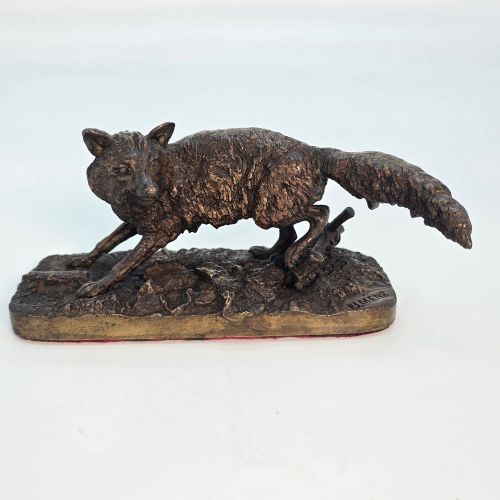
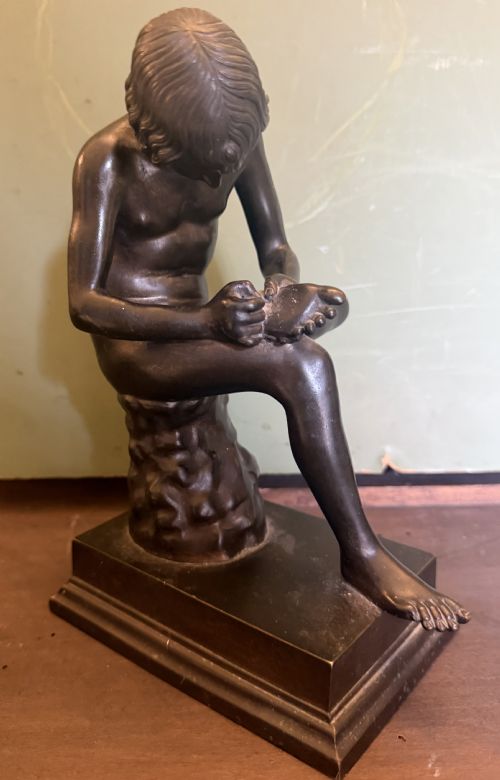
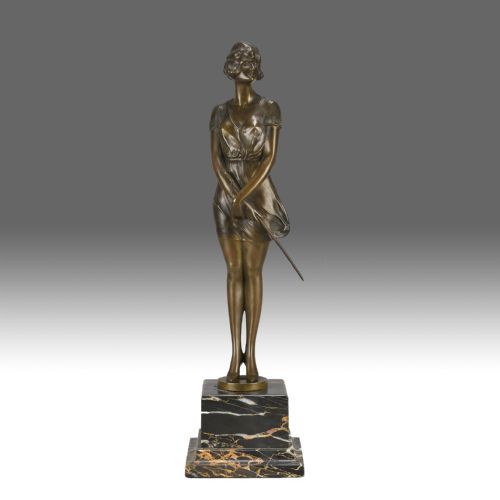
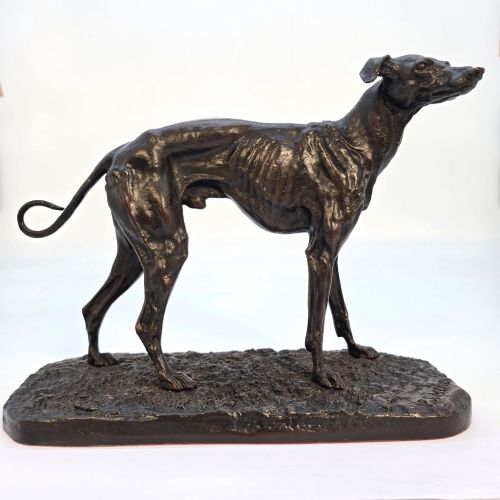
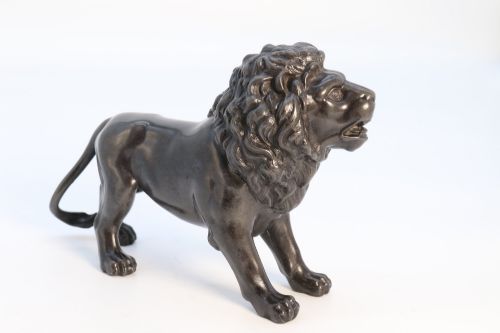
An antique sculpture study represents a focused exploration of a specific subject, animal, or human figure, often created as a preparatory model or as a cabinet-sized piece for a collector. These works range from classical interpretations originating on the Grand Tour to animalier depictions of greyhounds, lions, and birds cast during the nineteenth and early twentieth centuries.
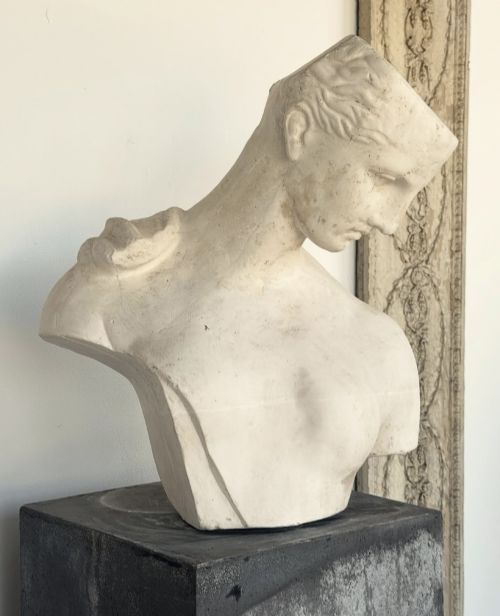
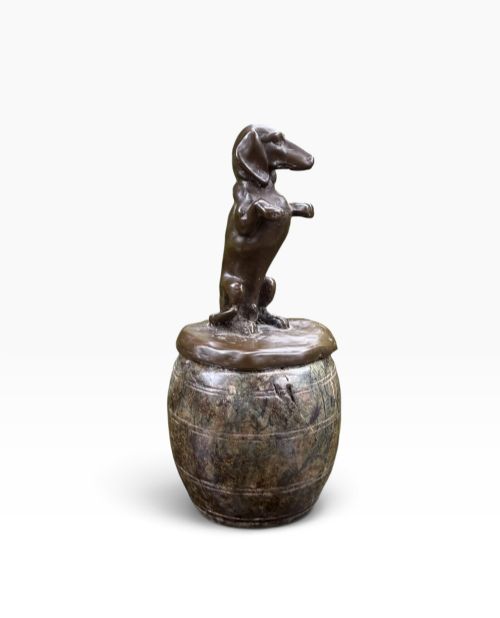
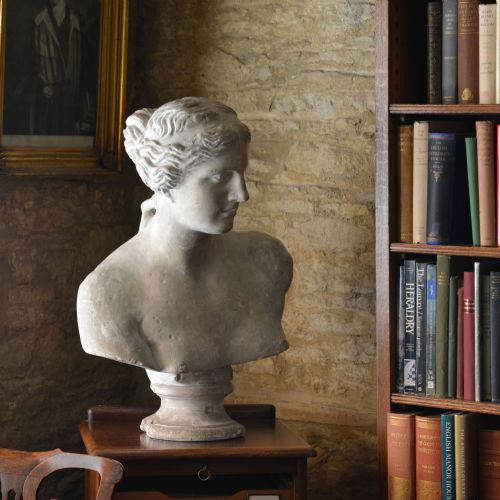
The objects on this page appear in various forms, including bronze casts mounted on marble or onyx bases, carved wood figures, plaster busts, and framed drawings. Animal subjects and classical figures dominate the selection, reflecting the core interests of makers working across the nineteenth century and into the Art Deco period.
How they were made
Makers utilised traditional foundry methods such as the lost-wax technique for metal figures, allowing intricate details like feathers, musculature, and harnesses to emerge clearly in bronze and pewter. Cold-painted surfaces added vibrant hues to avian and animal subjects, while patination provided depth to the metal.
Carvers worked directly in materials such as oak, walnut, hardwood, soapstone, and statuary marble using chisels and gouges to reveal the grain or polish the stone surface. Plaster casts captured the likeness of classical antiquities, relying on mould-making processes popular during the nineteenth century.
Antique Sculpture Study Retail Price Guide 2026
Typical asking prices for sculpture study among the pieces listed under this phrase on Sellingantiques today, from the lower quarter to the upper quarter. They describe what is for sale here now, not the wider market.
One diminutive bronze study captures a rhinoceros beetle from the Meiji period, proving that even the smallest six-legged subjects inspired meticulous casting.
What varies in quality
The selection of the base material and the harmony between the sculpture and its mount influence the overall success of the piece. Integrated bases, well-chosen coloured marbles like onyx or prato verde, and robust structural joinery in carved wood examples indicate a higher standard of production by the maker.
P. J. Mène·Bruno Zach·Dora Heber·Franz Bergman·Alfred Dubucand·Jean Jules Salmson·Louis Riche·Sir Thomas Brock
The Antique Sculpture Study Glossary
- Animalier
- A nineteenth-century artistic movement focusing on the realistic depiction of animals, particularly in motion or repose. Sculptors in this style studied anatomy extensively in menageries.
- Grand Tour
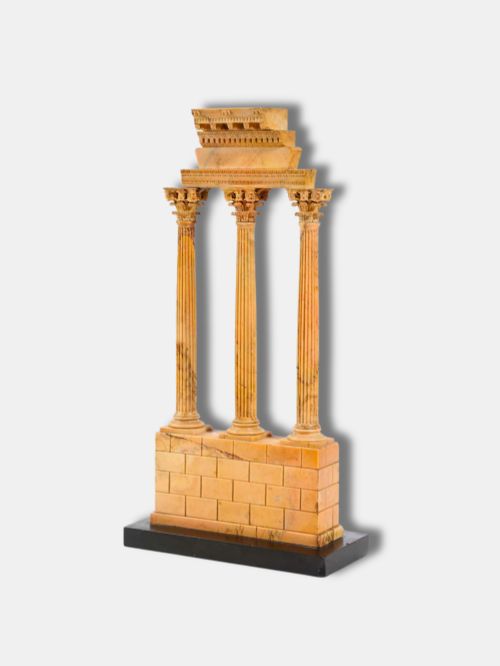
- A cultural journey undertaken by wealthy young Europeans to visit historical sites in Italy and Greece. Souvenirs purchased along the route included small bronzes and marble architectural models.
- Cold-painted bronze
- A technique where oil paint is applied to a cold metal surface rather than fired in a kiln. This method produced brightly coloured birds and figures popular in Vienna.
- Parian porcelain
- A fine-grained bisquit porcelain resembling white marble, developed in Britain during the nineteenth century. It was frequently utilised for reduced-scale figures after classical sculptures.
- Socle
- A short plinth or pedestal supporting a bust or small statue. It elevates the sculpture and provides a stable foundation for display.
Antique Sculpture Study: Frequently Asked Questions
What is an antique sculpture study?
An antique sculpture study is a smaller-scale artwork created to explore a specific form, human expression, or animal anatomy before executing a larger monument. These pieces served as cabinet display items, instructional models, or portable souvenirs.
Collectors prize them for their intimate scale and the direct insight they provide into the working methods and technical skill of nineteenth and early twentieth-century sculptors.
How do I display these pieces?
These works suit tabletops, mantelpieces, and dedicated display cabinets where their materials and patination can be appreciated up close. Bronzes mounted on stone bases require stable, flat surfaces away from direct moisture.
Pairing metal figures with wooden furniture or placing marble busts near natural light enhances the contrast of the textures and highlights the hand-carved or cast details.
Are these works original period pieces?
The listings on this page originate primarily from the nineteenth and early twentieth centuries, spanning periods such as the Victorian era, the Meiji period, and the Art Deco movement. Materials like patinated bronze, carved marble, and walnut reflect the manufacturing standards of those eras.
Examining the casting seams, patination wear, and base materials helps confirm the historical context and age of each individual sculpture study.
What subjects are most common?
Animals feature heavily among the available studies, ranging from greyhounds and lions to elephants and birds. Classical figures, historical portraits, and mythological subjects also appear frequently, often inspired by Grand Tour travels or museum antiquities.
These subjects reflect the Victorian and Edwardian fascination with natural history, exotic fauna, and classical antiquity.