




Antique Sculpture Lamp
An antique sculpture lamp combines figurative metalwork and lighting into a single decorative object designed to illuminate a room.
Antique Sculpture Lamp
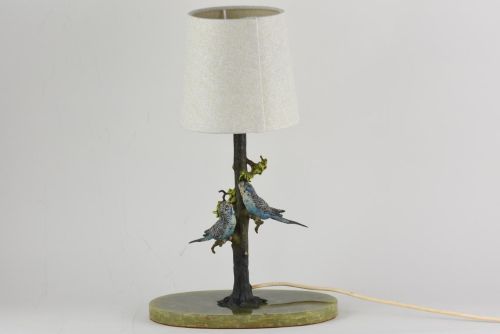
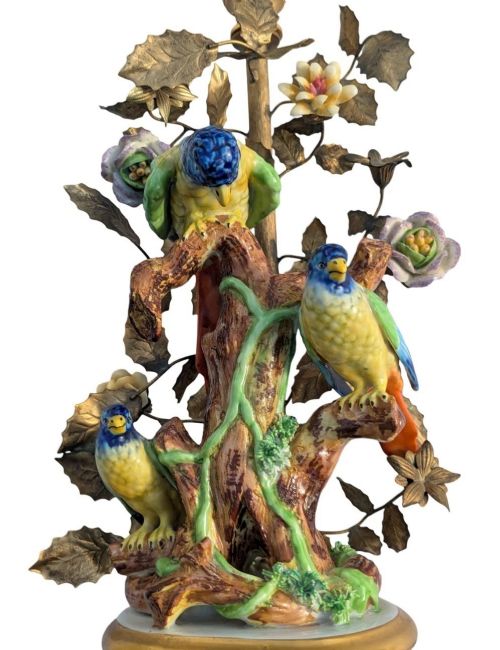
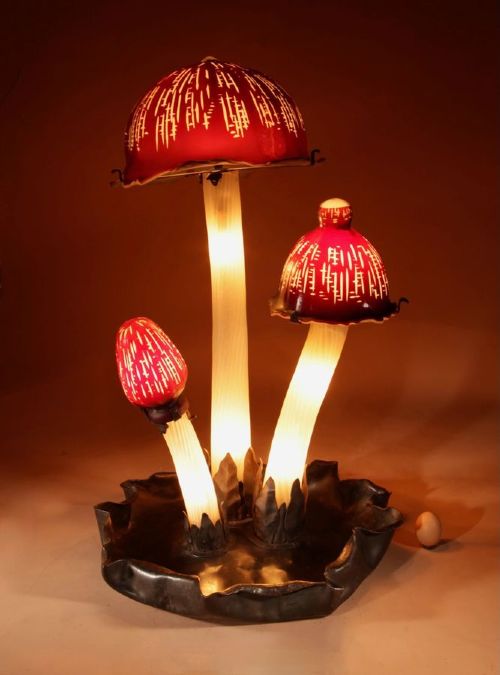
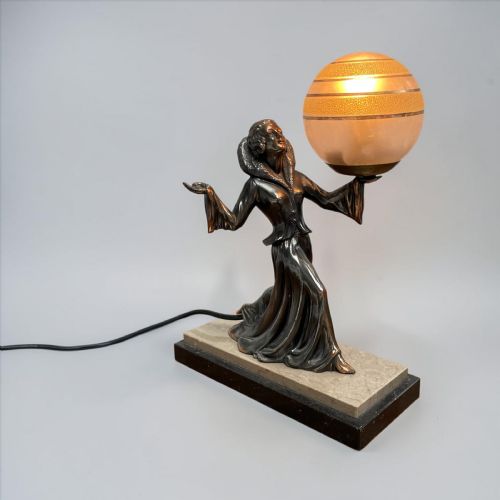
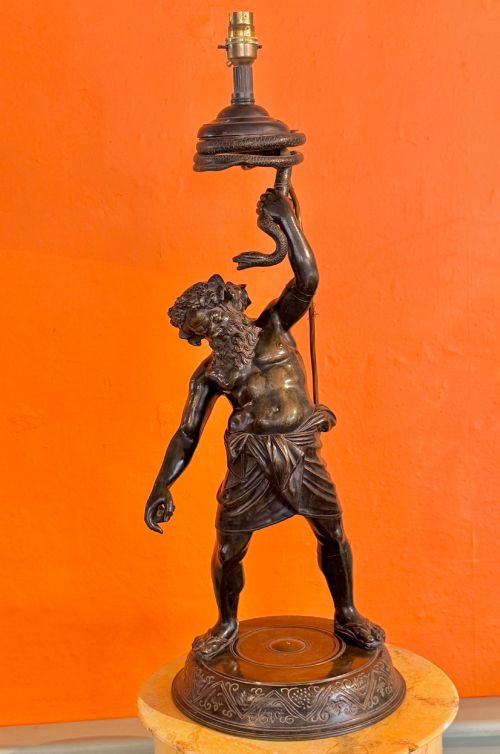
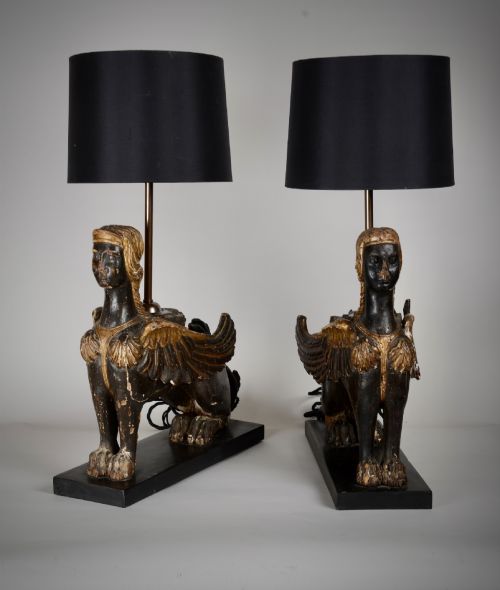
An antique sculpture lamp takes the form of a human figure, animal, or mythological subject integrated with a functional light source. When you search for an antique sculpture lamp, you encounter pieces that bridge fine art and domestic illumination from the nineteenth and early twentieth centuries.
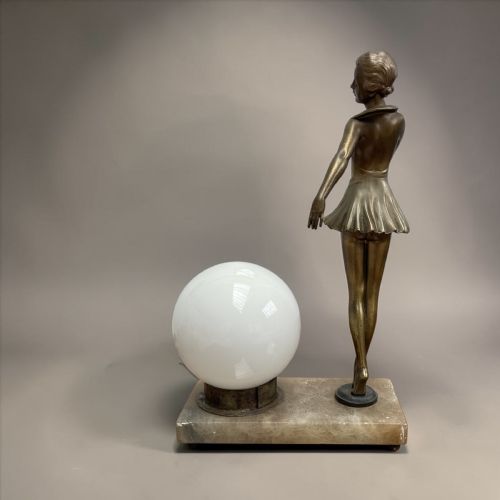
The most common versions on this page span the Victorian, Edwardian, and Art Deco periods. These include table lamps, floor standards, and figural torcheres modelled as classical deities, dancers, or literary figures.
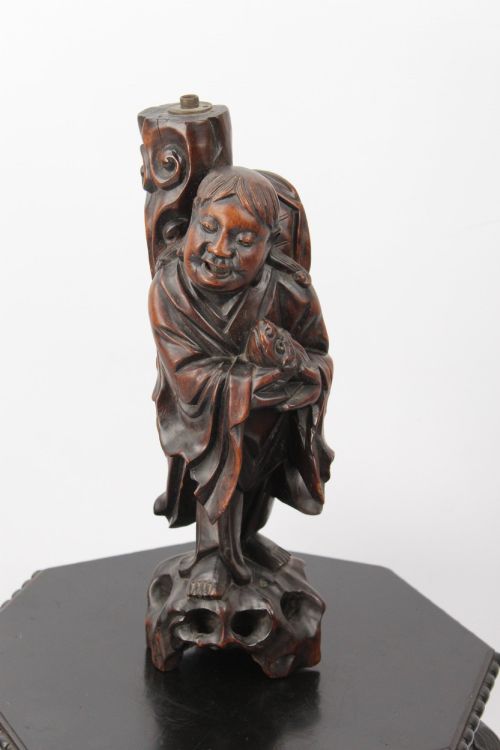
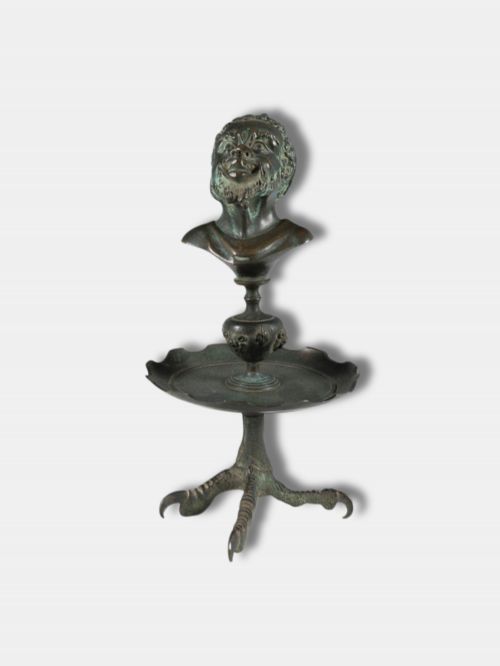
Materials range widely across bronze, spelter, marble, and carved wood. Many pieces started as decorative statues or oil lamps before undergoing later conversion for electrical use.
How they were made
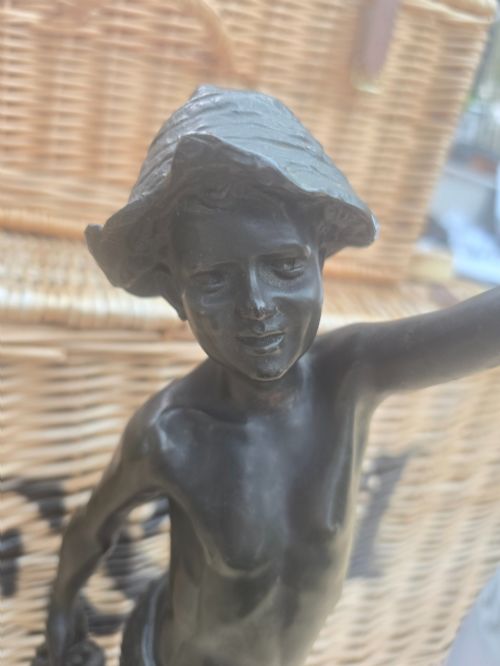
Foundries produced metal figures using the lost-wax casting method for bronze or standard mould casting for cheaper spelter alloys. Artisans then finished these metal surfaces with patination, cold-painting, or gilding to enhance detail.
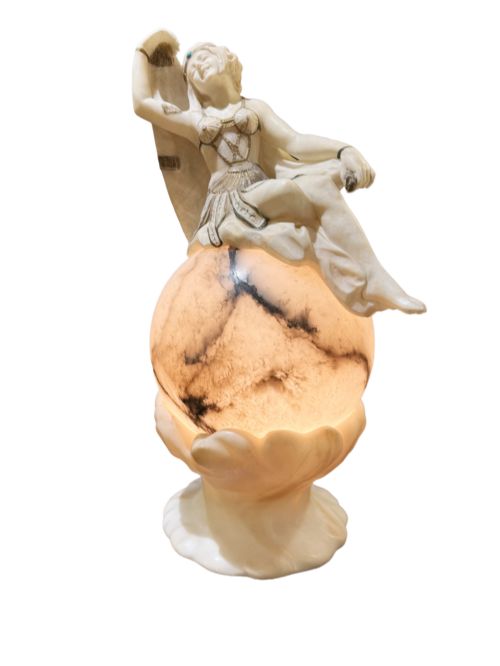
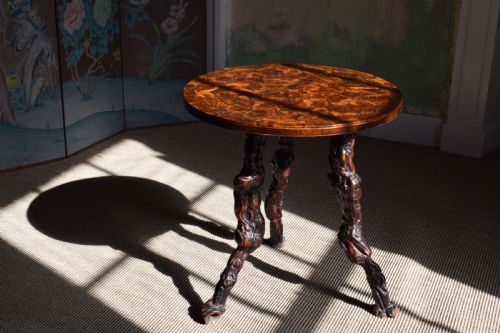
Other examples utilise carved media such as marble, alabaster, or Chinese root wood, shaped by hand to form the body of the lamp. Glass shades, often frosted or moulded, were produced separately to sit atop or enclose the light source.
Antique Sculpture Lamp Retail Price Guide 2026
Typical asking prices for sculpture lamp among the pieces listed under this phrase on Sellingantiques today, from the lower quarter to the upper quarter. They describe what is for sale here now, not the wider market.
Materials span natural stone, carved wood, cast bronze, and moulded glass.
What varies in quality
The integration of the sculptural form with the lighting hardware separates standard production from exceptional studio pieces. A balanced composition where the electrical wiring or lamp fittings do not disrupt the original anatomical proportions represents superior craftsmanship.
G. Amodio Naples·Franz Bergman·Emile Picault·Humphrey Hopper·Ivan Zaiec·Jean-Jules Cambos·H. Moreau·Aug. Moreau·François-Christophe-Armand Toussaint·Bruno Zach·Coutan
The Antique Sculpture Lamp Glossary
- Spelter
- A zinc alloy frequently used as a cheaper alternative to bronze for figural bases and lamps during the nineteenth and twentieth centuries. It accepts patination well but lacks the structural strength of bronze.
- Torchere
- A tall standing lamp or column designed to hold lights aloft in a room. They often take the form of classical figures holding torches or light clusters.
- Patination
- The surface coloration and ageing applied to metal sculptures through chemical treatment or natural oxidation. It adds depth and highlights the contours of the cast figure.
- Grand Tour
- A nineteenth-century travel phenomenon where wealthy collectors acquired classical bronzes and architectural models in Italy. These souvenirs frequently served as the basis for later lamp conversions.
Antique Sculpture Lamp: Frequently Asked Questions
Are these lamps originally electrical?
Most pieces originate from periods before domestic electricity became common. Many started life as bronze or spelter figures, oil lamps, or candlesticks before receiving electrical fittings later in their history.
Rewiring and conversion work are standard for these items to ensure safe daily use in a modern home.
How do I identify bronze from spelter?
Bronze is heavier, colder to the touch, and yields a dull ring when tapped gently. Spelter is a softer zinc alloy that feels lighter and shows a greyish metal beneath any worn surface paint.
Looking at the underside of the base often reveals the true metal type where the finish has rubbed away.
Where should I place a figural torchere?
Tall torcheres suit corners of reception rooms or beside large pieces of furniture where their height provides ambient upward illumination. Their substantial sculptural presence requires floor space to stand clear of heavy foot traffic.
Smaller table lamps fit well on sideboards, desks, or pedestals where the detailed casting can be viewed closely.
How do I clean an antique sculpture lamp?
Dust metal and carved surfaces gently with a soft, dry brush to prevent the accumulation of dirt in recessed details. Avoid chemical polishes, especially on patinated bronze or cold-painted surfaces, which can strip the original finish.
Glass shades can usually be removed and washed in warm soapy water provided they are dried thoroughly before reattachment.