

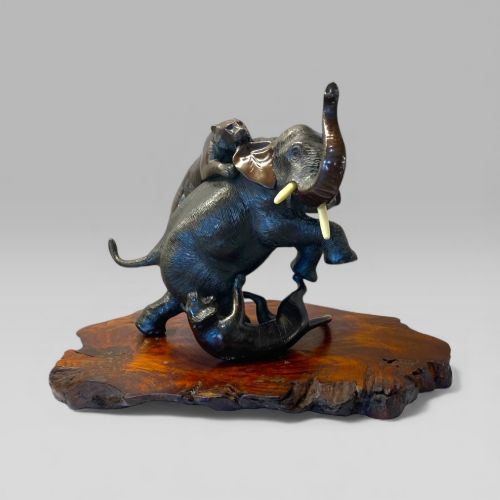
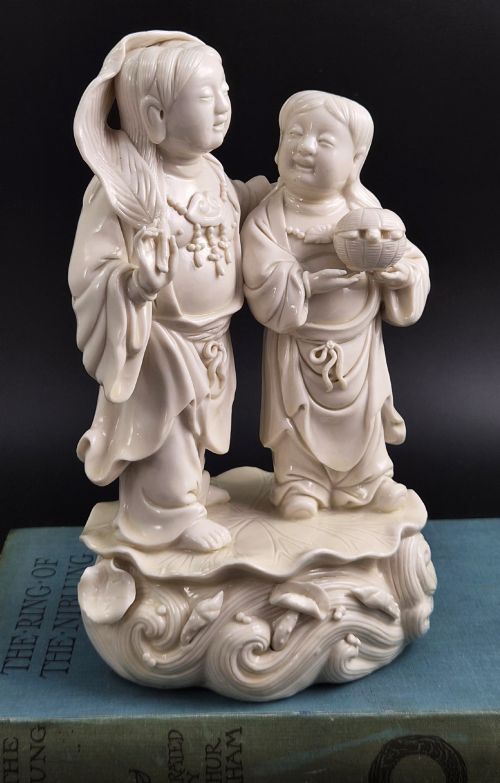
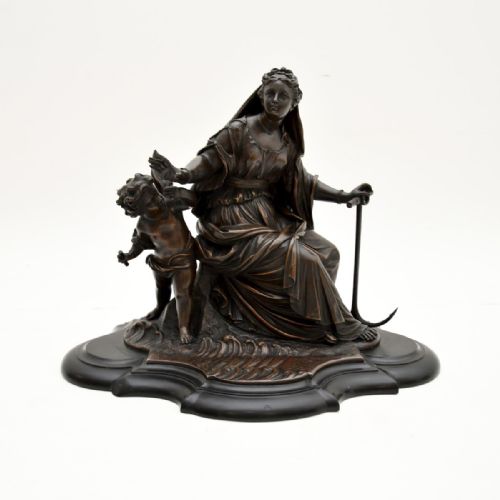
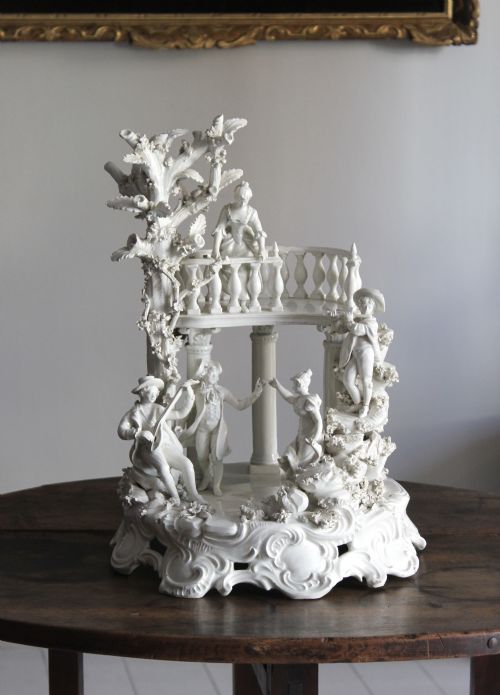

Antique Sculpture Group
When you search for an antique sculpture group, you encounter multi-figured compositions cast in bronze, carved in wood, or modelled in porcelain to capture narrative moments.
Antique Sculpture Group
An antique sculpture group comprises multiple figures interacting within a single composition, originating from European and Asian workshops across the eighteenth, nineteenth, and early twentieth centuries. These works depict mythological scenes, domestic animals, and human narratives, rendered in media ranging from patinated bronze to biscuit porcelain and carved linden wood.
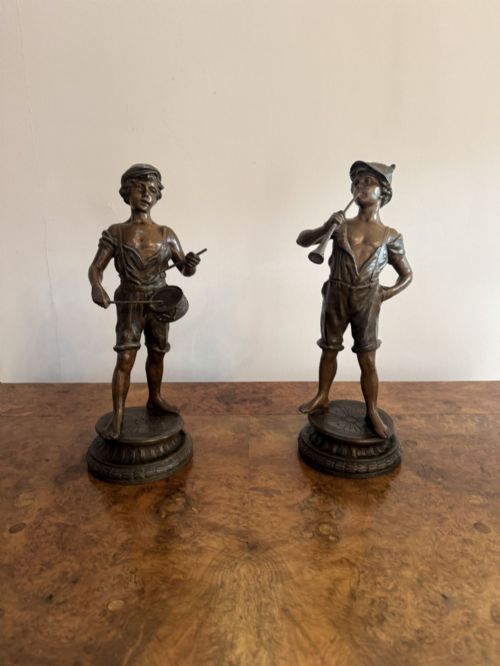
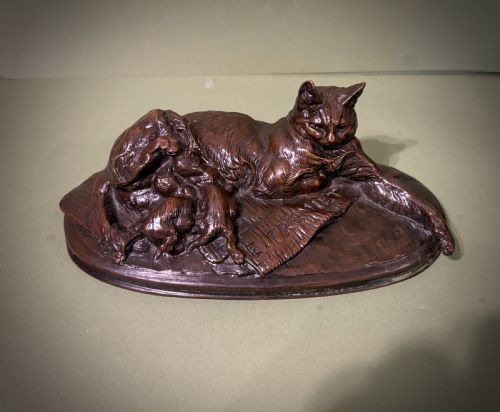
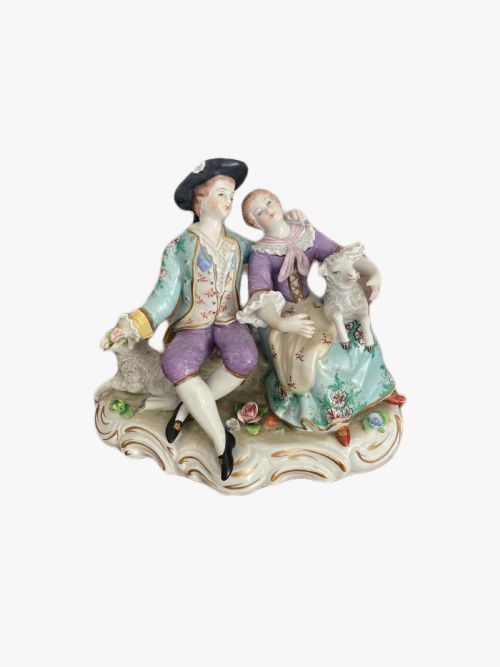
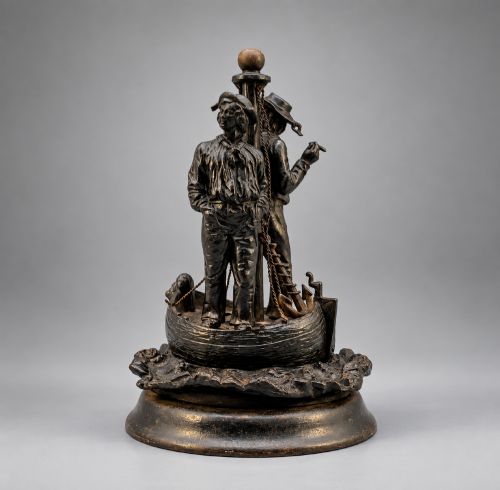
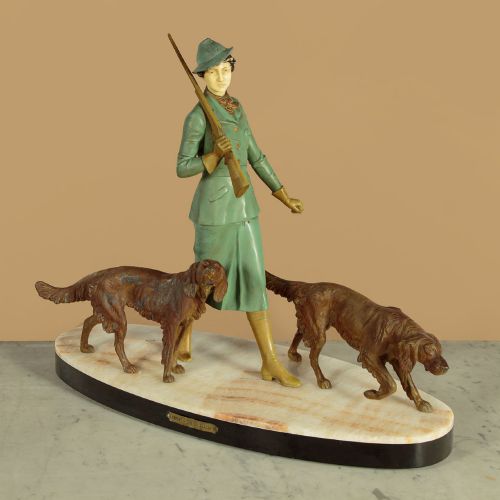
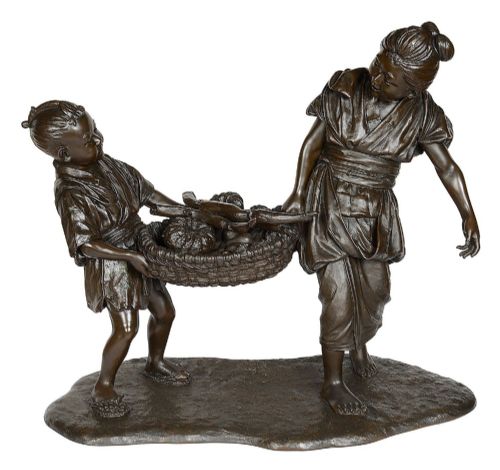
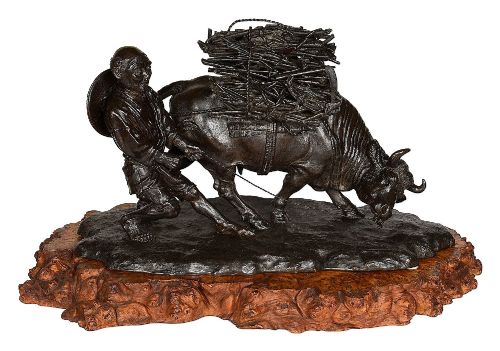
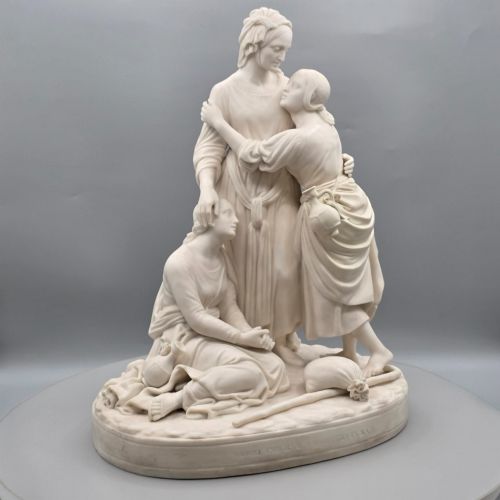
The versions most frequently met on this page date from the nineteenth century, reflecting the tastes of Victorian salons and Meiji period exhibitions. They take the form of patinated bronzes depicting animals and figures, alongside European porcelain groups originating from Meissen and other continental factories.
Materials and construction
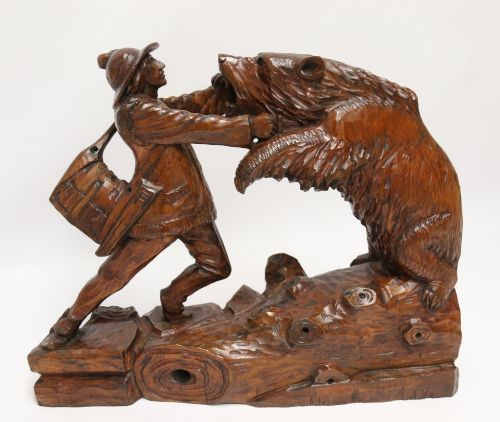
Bronze groups rely on the lost-wax casting technique, allowing artisans to achieve intricate details in fur, feather, and drapery before applying rich chemical patinas or shakudo highlights. Wood compositions utilise dense timbers such as walnut and linden wood, shaped with hand gouges and chisels to reveal the natural grain across animal and human forms.
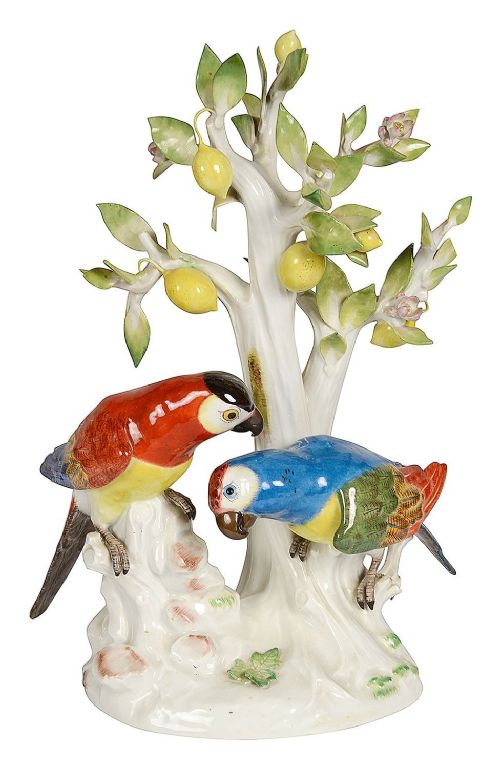
Ceramic groups combine moulded porcelain or terracotta with hand-modelled elements, often finished with polychrome glazes, enamel, or left as unglazed biscuit to mimic marble. Selected works incorporate giltwood, ormolu mounts, and carved precious materials like red coral and bowenite serpentine.
Antique Sculpture Group Retail Price Guide 2026
Typical asking prices for sculpture group among the pieces listed under this phrase on Sellingantiques today, from the lower quarter to the upper quarter. They describe what is for sale here now, not the wider market.
Listings feature bronze, marble, enamel, porcelain, and wood across periods from the sixteenth century to the 1930s.
Evaluating craftsmanship
Quality rests in the crispness of the chasing on metal surfaces, where superior bronze works retain sharp facial expressions and distinct textures without soft edges from worn moulds. In carved wooden groups, the depth of the undercut and the precision of the knife work separate standard production pieces from master-carved sculptures.
Porcelain and terracotta variations depend on the delicacy of applied floral garlands and the subtlety of the hand-painted enamels. The integration of individual figures into a cohesive, balanced spatial arrangement distinguishes ambitious compositions from static pairings.
Tsunemitsu 常光·Kakuha Kanzaemon·Jomi Eisuke·J Huggler·Emile Carlier·E Drouot·Kaniya Kuniharu
The Antique Sculpture Group Glossary
- Patinated bronze
- Bronze that has been treated with chemical solutions to produce a specific surface colour, ranging from deep brown to green. This treatment protects the metal and enhances sculptural depth.
- Biscuit porcelain
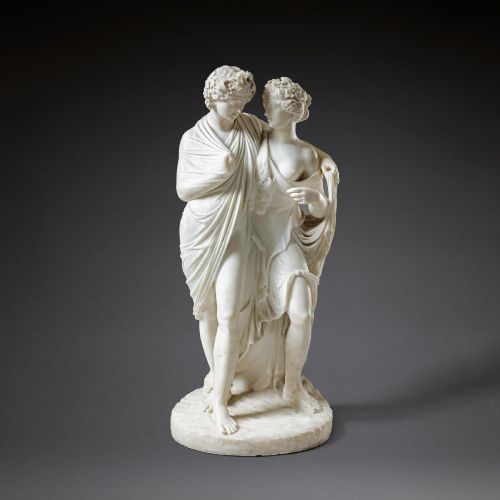
- Unglazed porcelain fired at high temperatures to achieve a matte, white finish resembling smooth marble. It was widely utilised for eighteenth and nineteenth-century figurative groups.
- Okimono
- A Japanese term for a decorative object or standalone sculpture designed for display on a shelf or in a tokonoma alcove. These carvings frequently depict animals, deities, or genre scenes.
- Shakudo
- A Japanese billon alloy of gold and copper treated to achieve a dark purple-black patina. It is typically inlaid into bronze works to provide contrasting metallic highlights.
- Polychrome
- The practice of decorating sculptural surfaces in multiple colours using enamel, paint, or glaze. This technique brings realism to historical and botanical motifs.
Antique Sculpture Group: Frequently Asked Questions
How were sculpture groups displayed?
These pieces were designed to occupy prominent positions on parlour tables, mantelpieces, and cabinet tops within nineteenth-century interiors. Their multi-figured compositions invited viewers to walk around them and observe the narrative from multiple angles.
Larger monumental groups required dedicated pedestals or console tables to support their weight and command the room. Smaller porcelain and bronze versions sat comfortably among books and decorative objects in domestic drawing rooms.
What materials are common?
Bronze remains the most prevalent medium for animal and human action scenes, offering durability and fine detail through lost-wood or lost-wax casting. Wood, particularly linden and walnut, appears frequently in regional European carvings depicting wildlife and rural life.
Porcelain and terracotta dominate ceramic entries, especially from continental factories producing pastoral and mythological subjects. Precious materials such as coral and bowenite serpentine feature in specialised Asian decorative objects.
How do I identify the period?
Dating relies on stylistic markers, casting signatures, and material preparation that align with specific manufacturing eras. Eighteenth-century pieces often display Rococo or Neoclassical symmetry, while nineteenth-century works embrace naturalistic dynamism and historic revival styles.
Maker signatures, foundry marks, and factory stamps incised into the base provide precise chronological anchors. Examining the method of construction and tooling marks confirms whether a piece belongs to the Meiji period, the Victorian era, or later decades.
Can these be cleaned safely?
Maintenance requires gentle dusting with a soft, dry brush to prevent particulate buildup in the crevices of carved wood or bronze surfaces. Liquid cleaners and abrasive agents must be avoided, as they strip patinas and damage vulnerable painted enamels.
Bronze benefits from occasional light applications of microcrystalline wax to protect the metal from atmospheric moisture. Wooden groups require stable humidity levels to prevent timber shrinkage and subsequent splitting.