




Antique Scottish Figure
An antique scottish figure captures regional character through pottery, bronze, and oil on canvas.
Antique Scottish Figure
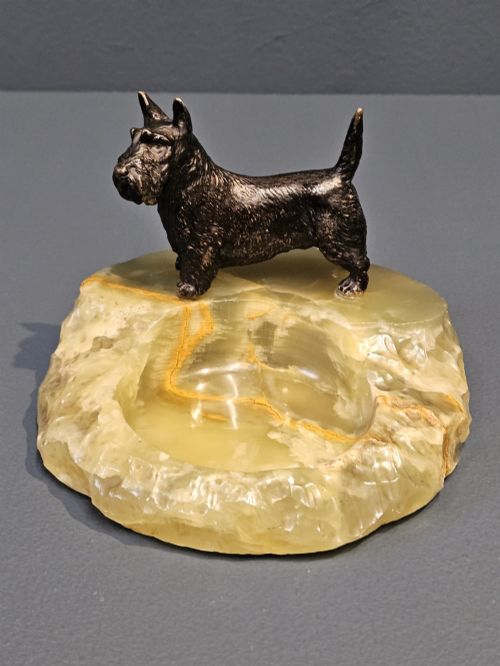
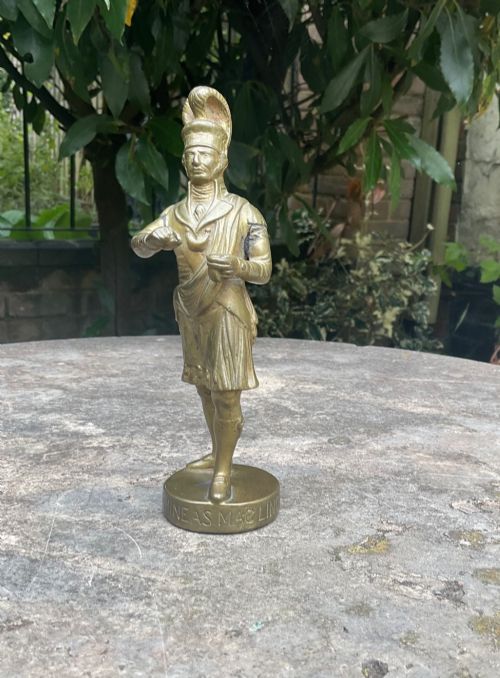
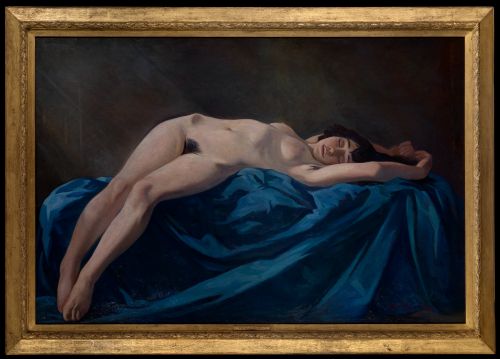
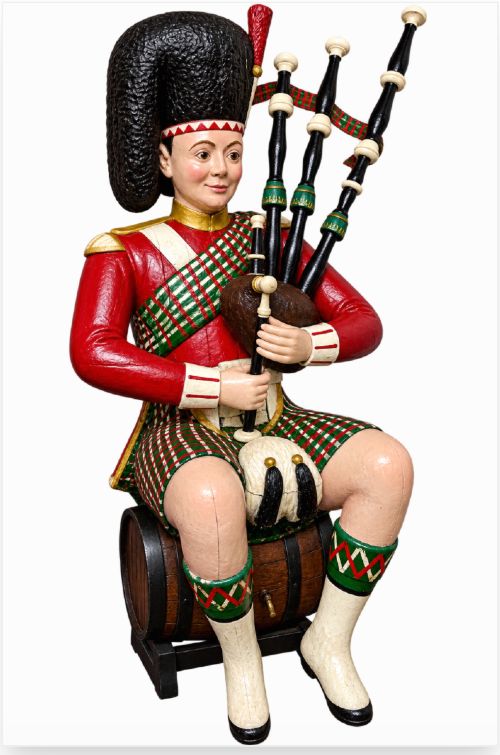
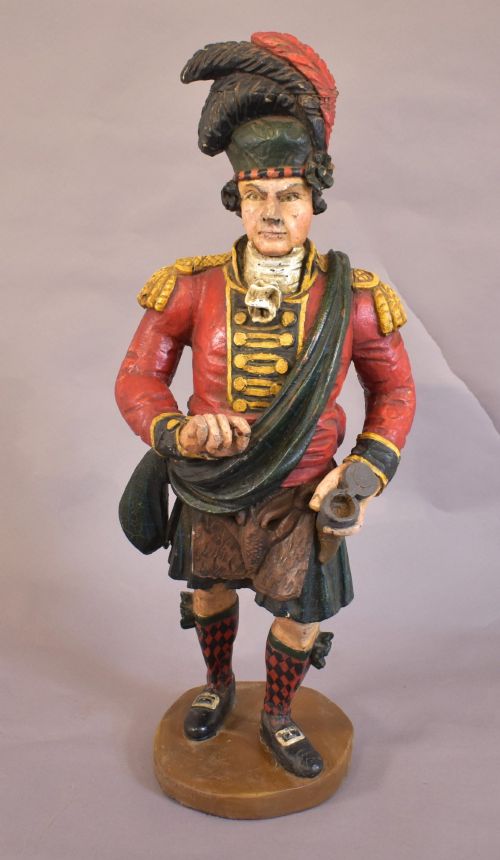
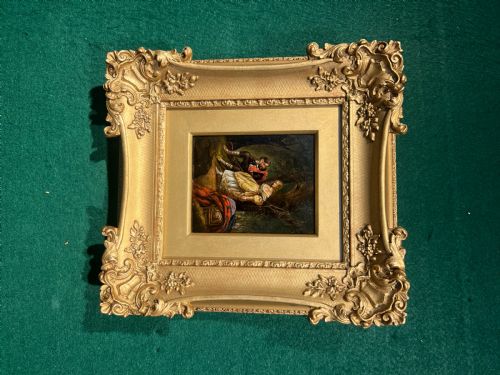
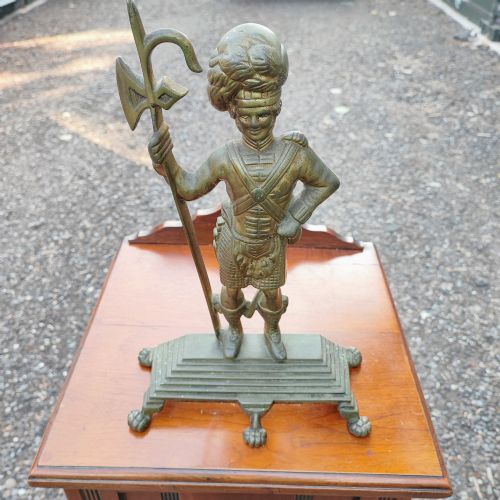
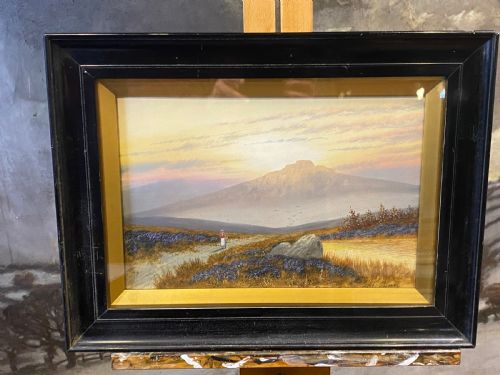
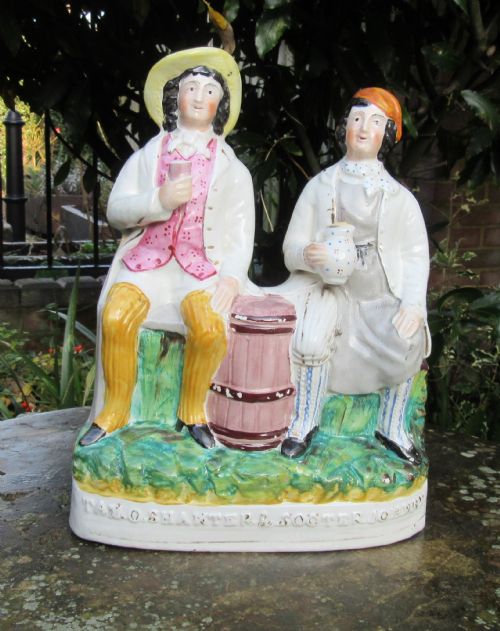
When searching for an antique scottish figure, collectors encounter a diverse range of objects spanning earthenware pottery, cast bronze, and oil paintings. The selections on this page predominantly include Victorian Staffordshire flatback figures depicting highlanders, musicians, and historical characters alongside desk accessories and oil paintings.
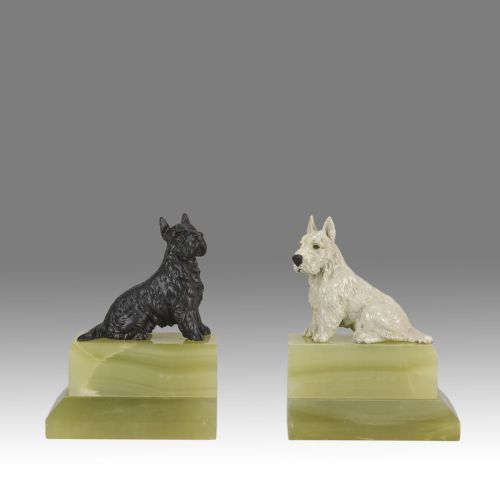
Pottery figures form a large portion of these listings, often featuring lead glaze and enamel detailing. Other interpretations appear in cold painted bronze, brass, and canvas, reflecting both vernacular craft and academic art traditions.
How they were made
Metal items incorporate bronze casting and brass work, sometimes enhanced with cold painting techniques. Oil paintings utilise canvas grounds built up with traditional pigment applications.
Antique Scottish Figure Retail Price Guide 2026
Typical asking prices for scottish figure among the pieces listed under this phrase on Sellingantiques today, from the lower quarter to the upper quarter. They describe what is for sale here now, not the wider market.
Listings incorporate earthenware, enamel, lead glaze, brass, glass, oil on canvas, and bronze across the eighteenth, nineteenth, and early twentieth centuries.
What varies in quality
Cast metal sculptures and desk accessories vary according to the definition in the bronze casting and the preservation of the original cold painted finish. Paintings depend on the skill of brushwork and composition.
Whytock and Reid·Edith Parsons·John A Houston·George Turner·Eric Robertson
The Antique Scottish Figure Glossary
- Flatback
- A pottery figure modelled primarily on the front and sides with a flat, unpainted reverse designed to stand against a wall.
- Lead glaze
- A glossy coating containing lead oxide applied to earthenware pottery before firing to waterproof the body and enrich colours.
- Cold painted bronze
- Metal sculpture painted with non-heat-set paints after the casting process is complete.
- Spill vase
- A hollow pottery vessel incorporating a cylindrical holder intended to contain wooden spills for lighting fires.
- Portobello
- A pottery production centre near Edinburgh known for early primitive earthenware figures.
Antique Scottish Figure: Frequently Asked Questions
What is a Staffordshire flatback?
Staffordshire flatbacks are earthenware pottery figures produced in large numbers during the nineteenth century for domestic mantelpiece display. They are characterised by a decorated front and a flat, unpainted back.
These pieces often portrayed contemporary events, literary characters, and regional figures such as Scottish highlanders. They bring vernacular charm to period interiors.
How do I care for bronze figures?
Bronze sculptures and desk accessories require minimal maintenance beyond gentle dusting with a soft, dry cloth. Avoid using liquid cleaners or polishes which can strip patination and cold painted surfaces.
Keep pieces away from direct sunlight and excessive moisture to protect the finish. Stable room humidity prevents metal corrosion over time.
What materials were used?
The objects recorded here utilise earthenware, enamel, lead glaze, brass, glass, oil on canvas, and bronze. Pottery pieces rely on clay bodies finished with glazes and hand painting.
Metal items employ bronze and brass casting techniques. Paintings utilise traditional canvas and oil pigments.
Where were these items made?
Many pottery figures originate from Staffordshire potteries, while others stem from Scottish workshops and international foundries. Bronzes include works from Vienna and domestic makers.
Paintings and decorative items reflect regional schools and individual artists working across the nineteenth and early twentieth centuries.