

Antique Scottish Drawers
Antique scottish drawers provide robust storage through distinct regional proportions, grounding period interiors with substantial timber and character.
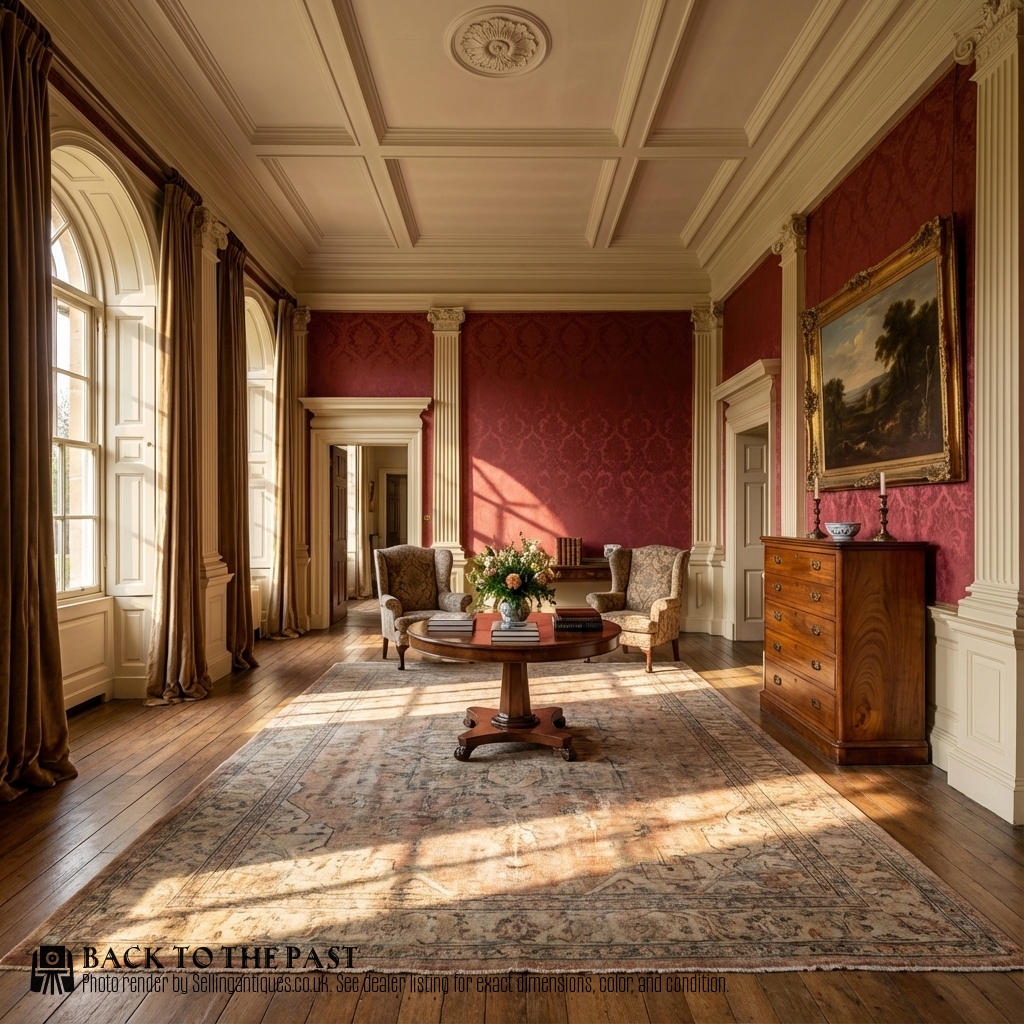
Antique Scottish Drawers
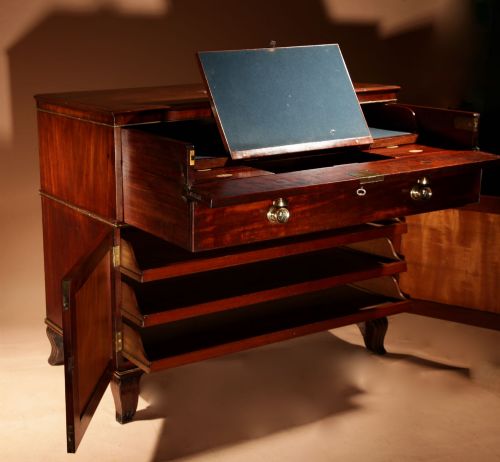
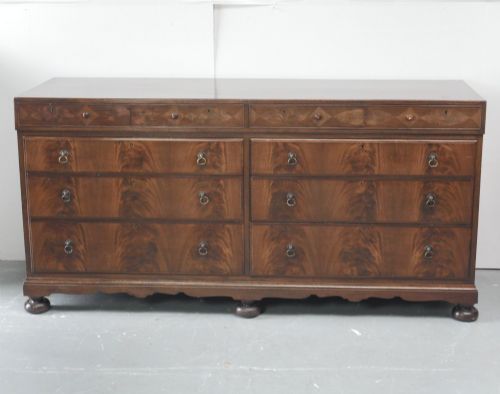
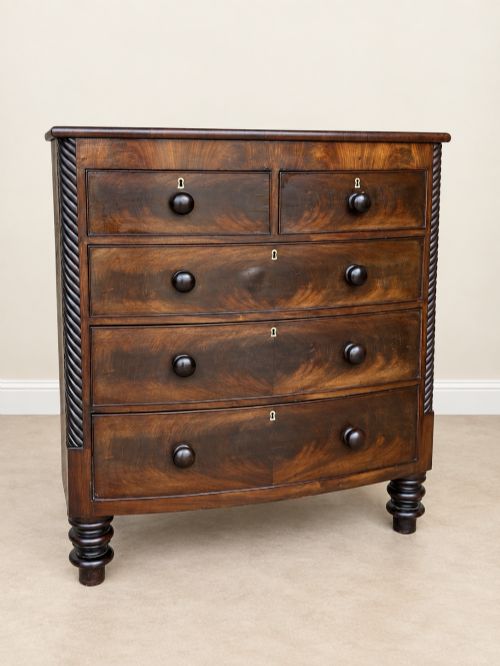
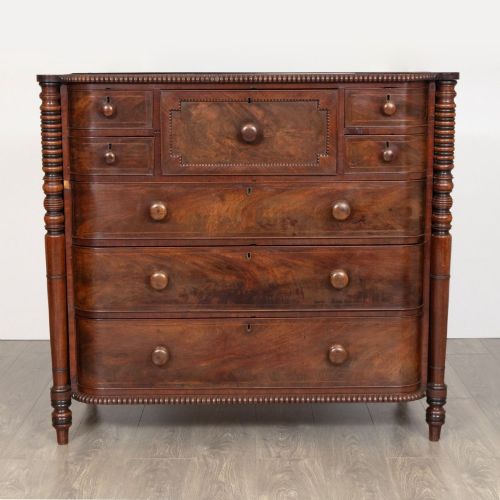
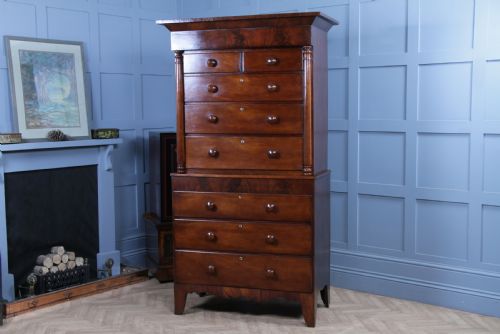
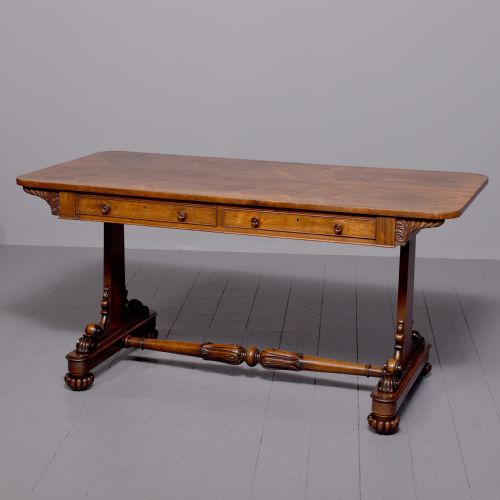
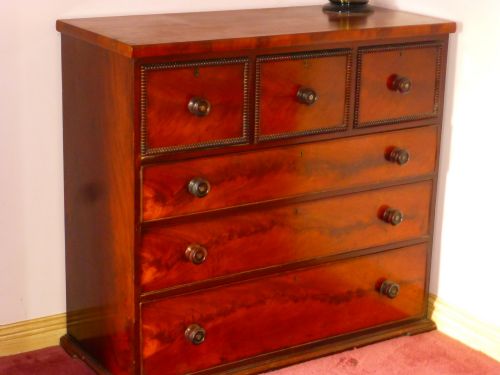
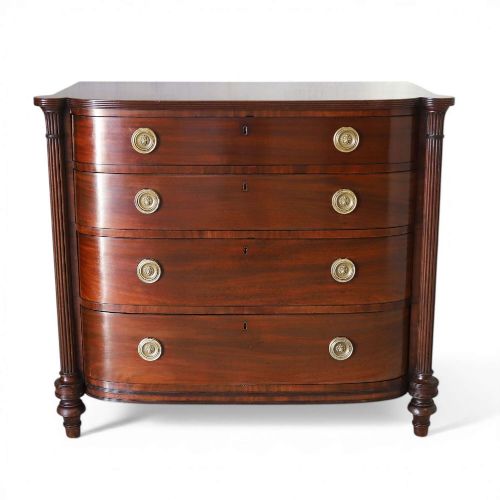
Antique scottish drawers encompass substantial case pieces produced across the eighteenth and nineteenth centuries, featuring regional characteristics such as deep top drawers and pillar columns. Collectors searching for antique scottish drawers regularly encounter tall Victorian examples finished in figured flame mahogany alongside earlier Georgian forms.
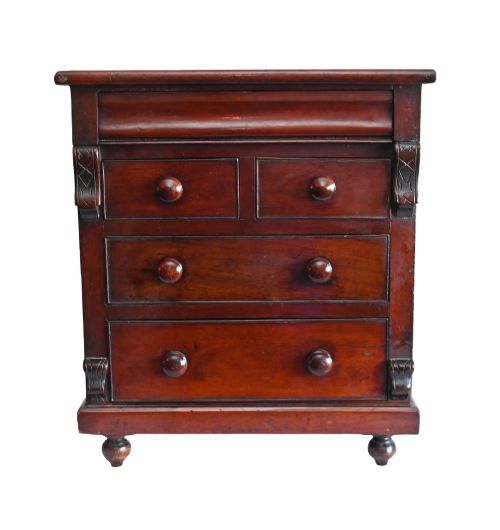
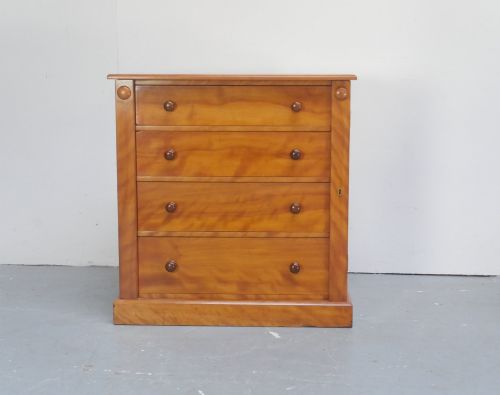
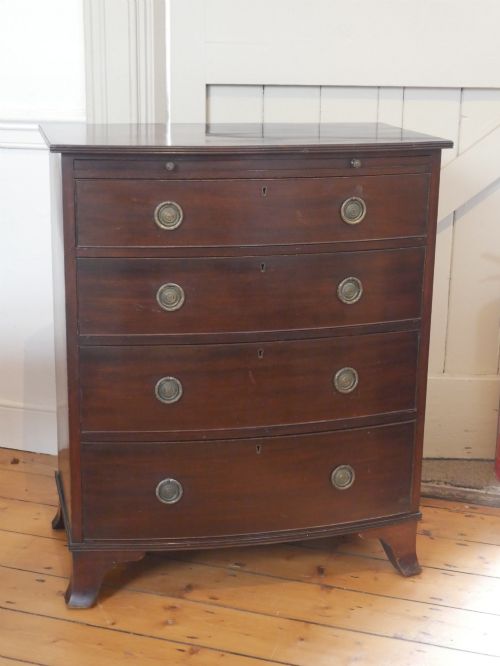
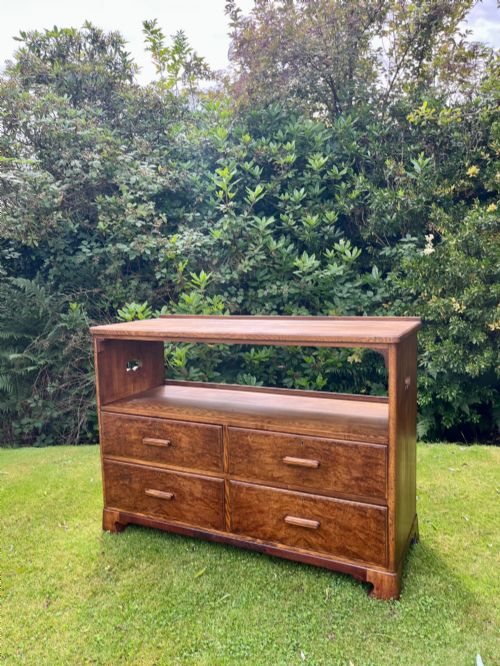
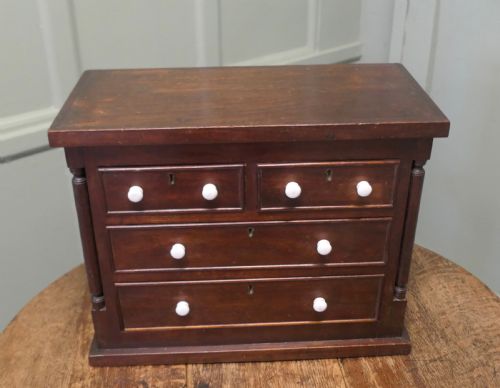
The inventory includes grand tallboys, bow fronts, and smaller apprentice pieces alongside specialised regional variations like the Scotch chest. These items reflect the output of prominent Edinburgh and regional cabinet makers working in mahogany, oak, and pine.
How they were made
Cabinet makers utilised dense native and imported timbers, applying figured flame mahogany veneer over secondary woods like oak and pine for structural stability. Drawers frequently feature meticulous oak linings and hand-cut dovetail joints.
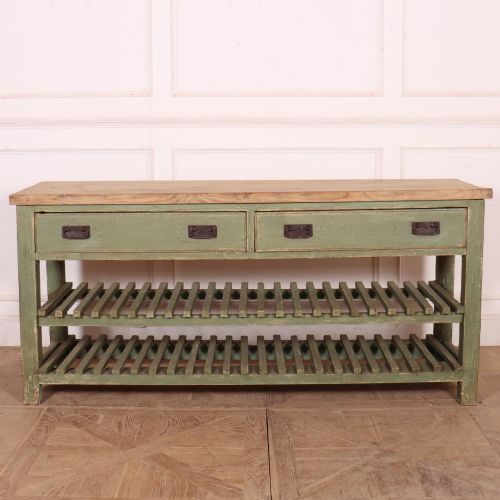
Surface treatments range from French polish highlighting the grain to original paint finishes on utilitarian country pieces. Decorative elements include bobbin turning, mother of pearl inlay, and carved wooden handles.
Antique Scottish Drawers Retail Price Guide 2026
Typical asking prices for scottish drawers among the pieces listed under this phrase on Sellingantiques today, from the lower quarter to the upper quarter. They describe what is for sale here now, not the wider market.
Listings feature mahogany, oak, pine, and rosewood across Georgian, Regency, and Victorian periods.
What varies in quality
The standard of timber selection largely dictates value, with symmetrical flame grain veneers and fiddleback figures marking superior output. Workshops such as Whytock and Reid demonstrate advanced veneering technique and precise cabinet work.
Structural integrity relies on the retention of original timber backs, smooth drawer running action, and undisturbed period handles. Graduated drawer depths and well-proportioned architectural columns further distinguish the finest examples from standard production.
Whytock & Reid·William Trotter·Morison of Edinburgh·R H & J Simpson·J A Mein
The Antique Scottish Drawers Glossary
- Scotch chest
- A regional form of chest of drawers typically featuring a deep secret frieze drawer above smaller configuration drawers flanked by columns.
- Flame mahogany
- Timber cut to reveal a characteristic fiery, undulating grain pattern prized by cabinet makers.
- Frieze
- The architectural band situated beneath the top surface of a case piece.
- Bobbin turning
- A decorative lathe-turned moulding resembling a string of spools or bobbins.
Antique Scottish Drawers: Frequently Asked Questions
What is a scotch chest?
A Scotch chest is a traditional regional form characterised by a deep top drawer positioned above smaller drawers, often flanked by heavy turned pillars.
These pieces typically offer immense internal capacity and distinct architectural presence compared to standard English equivalents.
How do I identify flame mahogany?
Flame mahogany displays a dramatic, undulating grain pattern resembling flickering flames, achieved by cutting across the branch junctions of the tree.
Cabinet makers reserved this decorative veneer for the primary visible surfaces of high-status case furniture.
Where should I place a tall chest?
Tall chests require solid wall placement to support their significant vertical height and heavy timber construction safely.
Bedrooms and dressing rooms suit their original domestic function, while spacious hallways accommodate their bold proportions.
Are apprentice pieces real furniture?
Apprentice pieces are fully functioning miniature furniture items created by trainees to prove their competence to master craftsmen.
Despite their reduced scale, they utilise identical traditional joinery and timber selection found in full-sized furniture.