
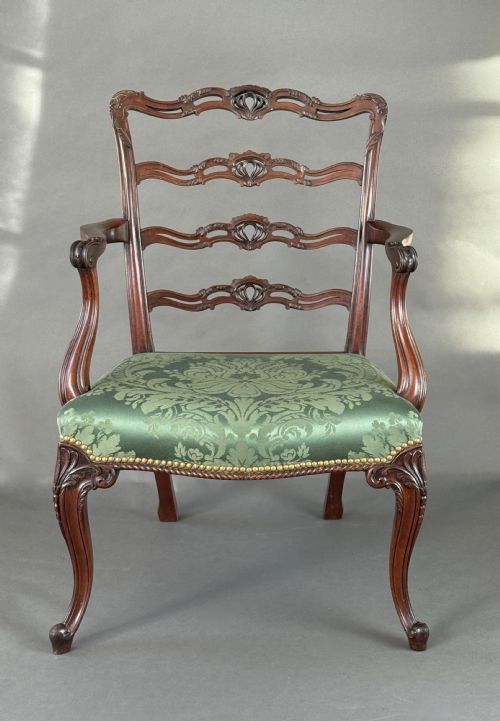
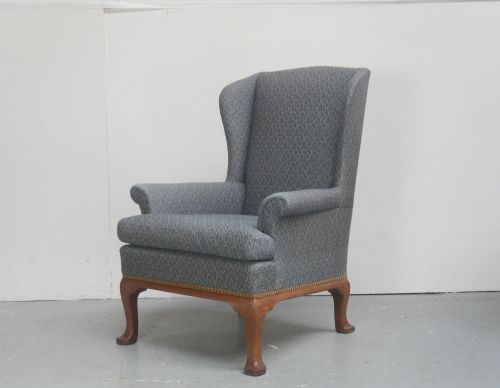
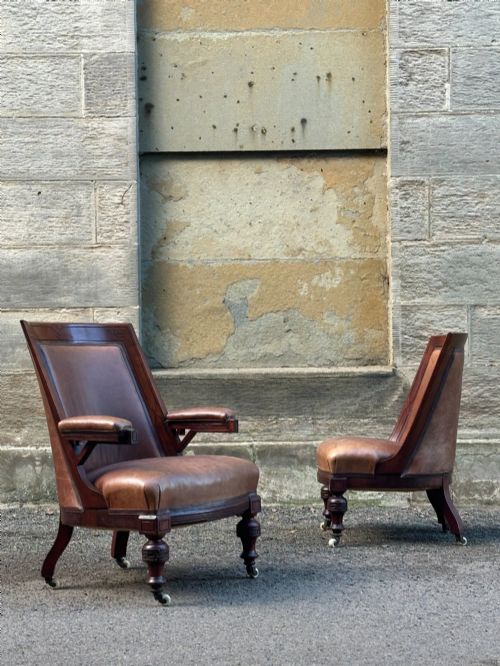
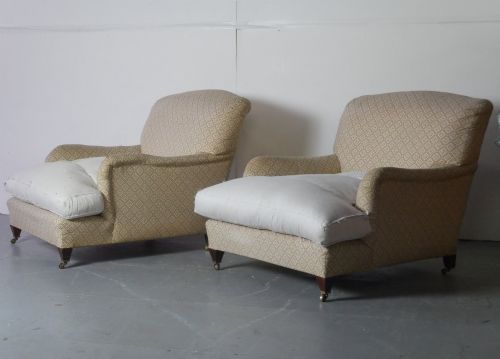

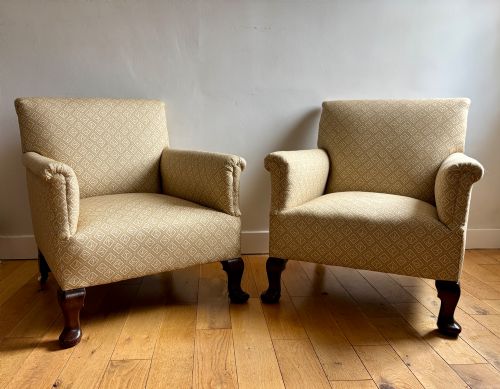
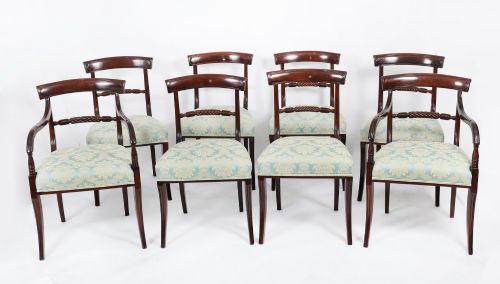
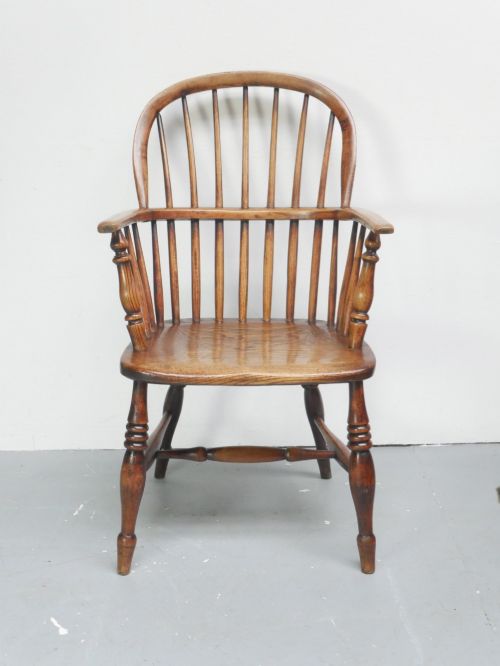
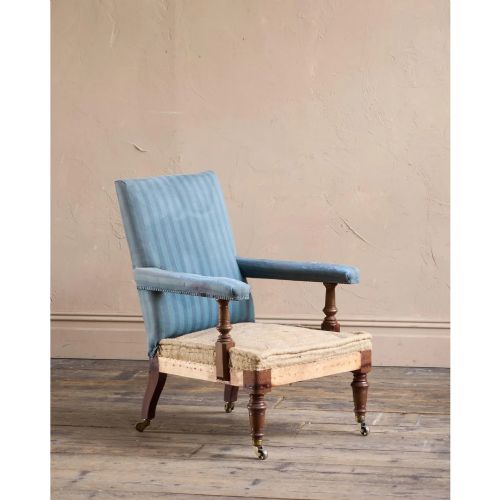

Antique Scottish Armchairs
Antique Scottish armchairs combine robust vernacular traditions with formal cabinet-making across centuries of regional craftsmanship.
Antique Scottish Armchairs
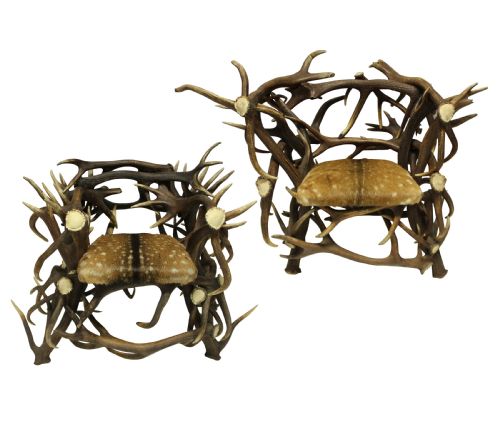
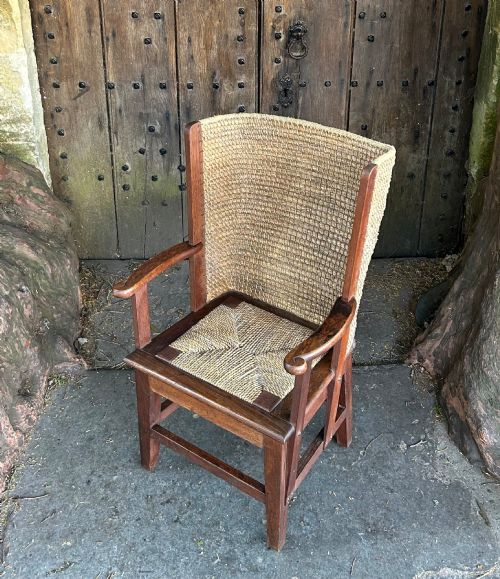
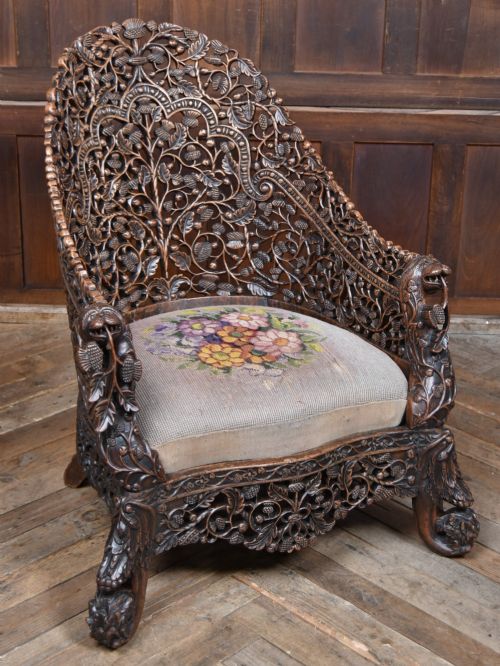
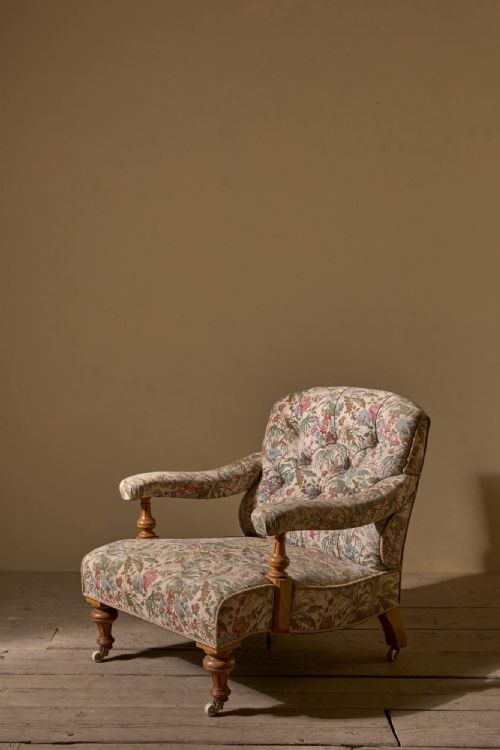
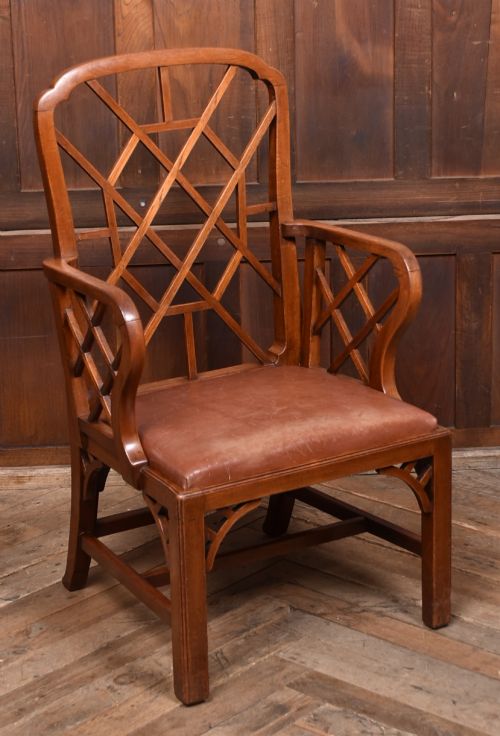
Buyers encounter distinct regional variants including Orkney chairs constructed with straw backs, Windsor forms, and traditional Cockpen chairs with lattice backs. Formal Victorian, Edwardian, and Gothic Revival iterations also appear frequently among the listings.
Origins trace across Scottish domestic and country house interiors, spanning periods from the seventeenth century through to the early decades of the twentieth century. The inventory balances vernacular regional seating with documented Edinburgh cabinet-maker productions.
Assessing quality and authenticity
Quality rests upon the integrity of the timber frame, the fidelity of regional construction methods, and the survival of original surfaces. Master chairs from the seventeenth century derive distinction from dense oak patination and pegged joinery.
Signed or attributed pieces from prominent Edinburgh workshops carry greater documentary weight than standard vernacular output. The fineness of turned elements, delicate fretwork carving, and untouched straw work in Orkney examples distinguish superior execution.
Regional vernacular seating forms include Darvel Windsor chairs, Fair Isle crofter seats, and woven straw Orkney models.
Whytock and Reid·Morison and Co·Duncan McKellar·J and T Scott·Wheelers of Arncroach
The Antique Scottish Armchairs Glossary
- Cockpen chair
- An open armchair characterised by a straight back filled with a distinctive Chinese fretwork lattice. This style gained popularity in Scottish domestic interiors during the eighteenth and nineteenth centuries.
- Orkney chair
- A traditional regional armchair featuring a high, rounded back constructed from woven oat straw bound with split cane or cord. Early versions often incorporate a low wooden hood and small under-seat drawers.
- Vernacular
- Objects made by local craftsmen for everyday use rather than high-style metropolitan workshops. These chairs rely on regional traditions and readily available native materials.
- Wainscot chair
- An early heavy wooden armchair constructed with panelled backboards and solid arms. They represent some of the earliest surviving domestic seating forms in oak.
- Bobbin turning
- A decorative furniture turning technique resembling a string of rounded bobbins or spools. This method appears frequently on regional Scottish rocking chairs and nursing seats.
Antique Scottish Armchairs: Frequently Asked Questions
How do I identify an authentic Orkney chair?
Authentic Orkney chairs feature a characteristic high back built from woven oat straw fastened with split cane or cord around a wooden frame. Many traditional examples incorporate a curved straw hood and a wooden seat box.
Examine the base and internal framework for traditional pegging and native timber species like oak or beech. The tightness and regularity of the straw weaving offer strong indicators of period regional craftsmanship.
How should I care for antique rush and straw seating?
Keep straw and rush seated chairs away from direct sunlight and excessive humidity to prevent the natural fibres from becoming brittle. Regular gentle dusting with a soft brush prevents particulate build-up between the weaves.
Avoid applying modern liquid cleaners or polishes directly onto woven organic materials. Professional conservation advice should be sought if structural sagging or fibre breakage occurs.
How do I distinguish seventeenth-century oak chairs from later revivals?
Seventeenth-century oak chairs display deep natural patination, hand-cut joinery marks, and heavy pegged tenons accumulated through centuries of use. The timber density and construction irregularities differ noticeably from nineteenth-century factory or revival output.
Revival pieces often utilise machine-sawn components and standardised turnings that lack the organic wear patterns of genuine early domestic furniture. Examining the underside and interior joints reveals the true age of the frame construction.