


Antique Scientific Instrument Case
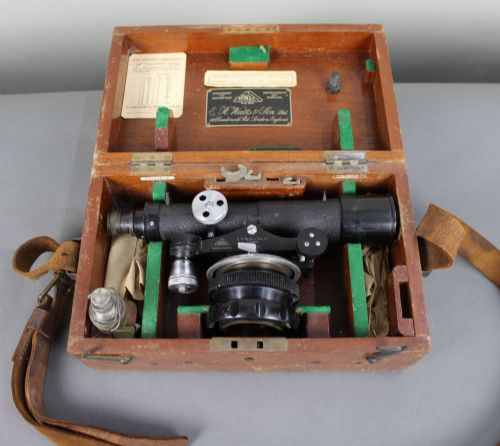
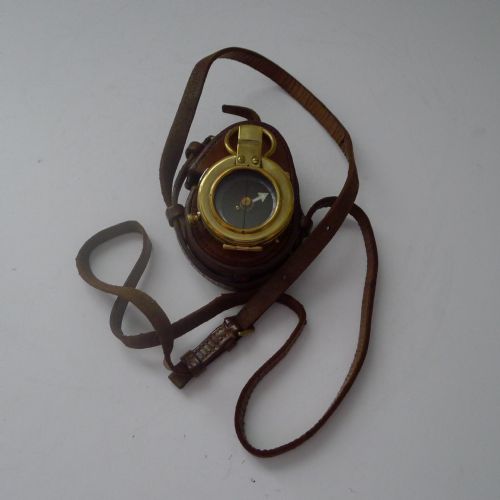
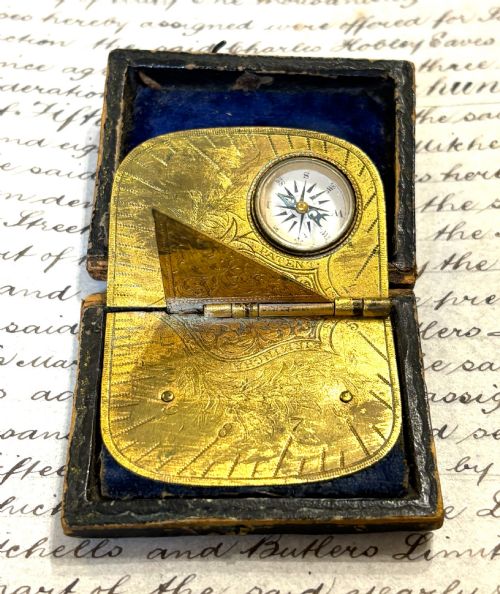
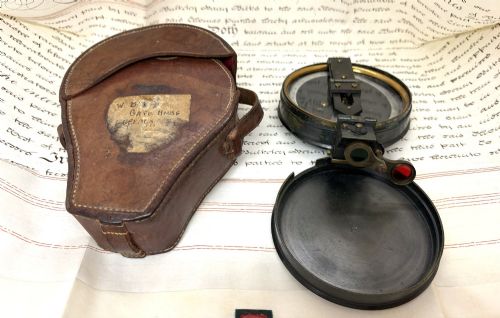
An antique scientific instrument case protects precision work in brass, glass and mahogany built to measure the world.
Antique Scientific Instrument Case
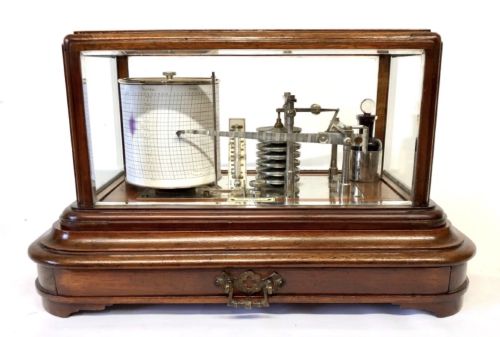
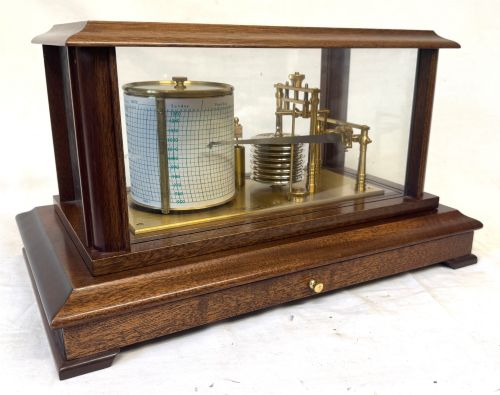
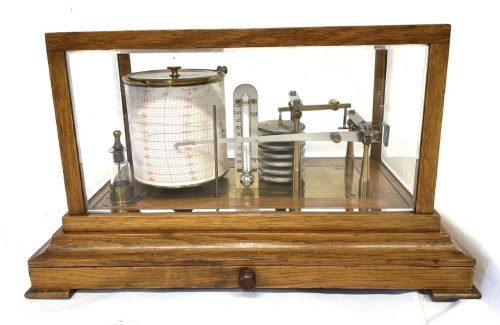
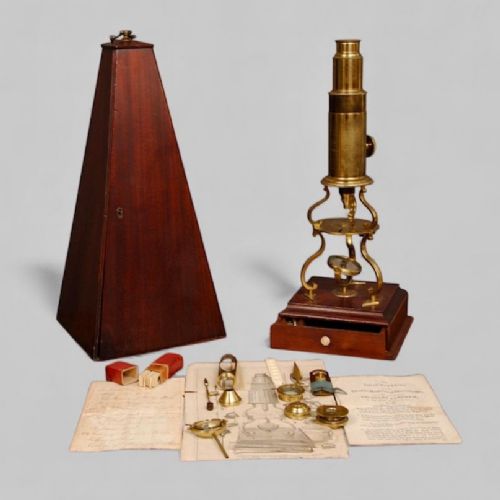
An antique scientific instrument case houses precision items designed for measurement, navigation and observation across centuries of scientific endeavour. Buyers searching for an antique scientific instrument case encounter enclosures built to protect barographs, barometers, microscopes, telescopes, compasses and surveying tools.
The selections span periods from the eighteenth century through the Georgian, Victorian and Edwardian eras into the early twentieth century. These housings range from pocket-sized brass and leather containers to substantial mahogany and oak cabinets fitted with chart drawers and bevelled glass.
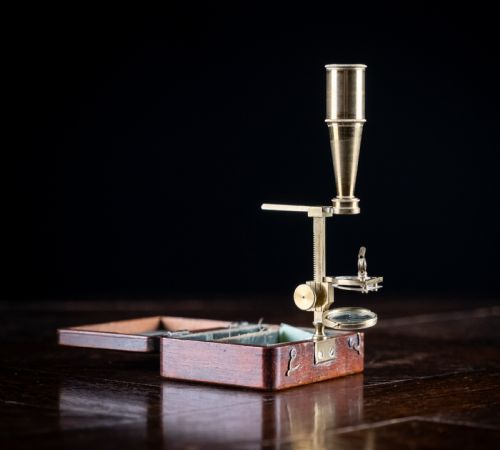
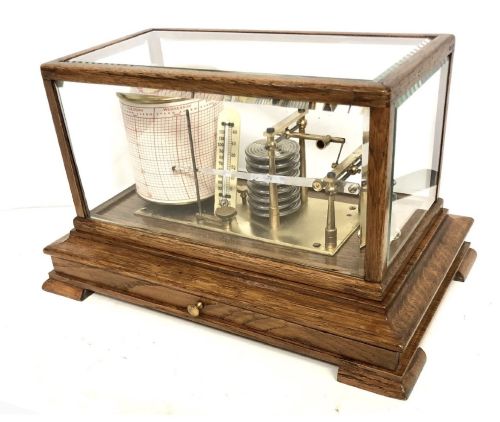
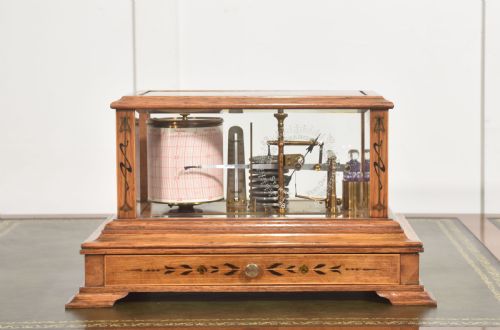
Many of these containers survive with their original instruments intact, including barographs by Short & Mason, pocket barometers and field microscopes. Others remain as specialised fitted cabinetry once designated for specific technical apparatus.
How They Were Made
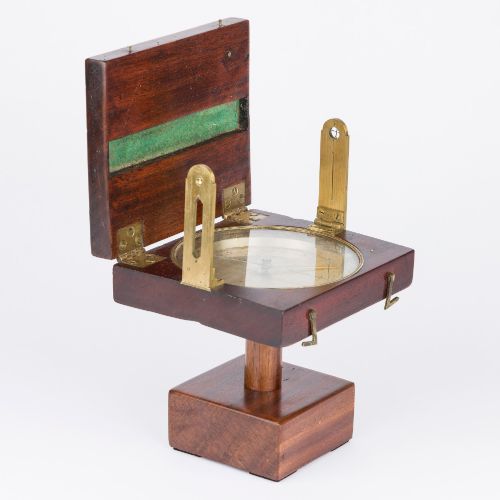
Cabinetmakers constructed these enclosures primarily in mahogany and oak, selecting dense hardwoods capable of withstanding travel and field conditions. Internal fittings involved precise carpentry to secure delicate instruments, often supplemented by velvet or paper linings that cushioned brass and glass components against shock.
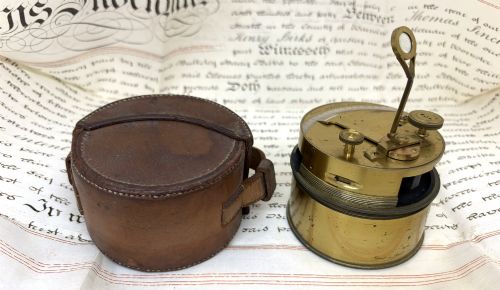
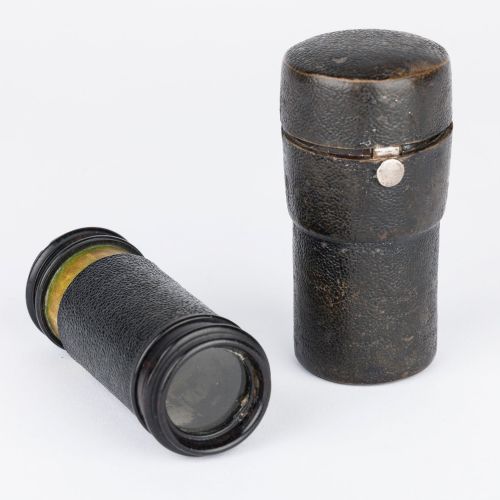
Metalwork played a structural role alongside timber, utilising brass for hinges, locking mechanisms, carrying handles and telescope barrels. Leather dressing appeared on portable spyglasses and travelling compasses, offering a durable exterior layer for field use.
Makers integrated specialised components such as bevelled glass panels in barograph lids and fitted compartments designed to hold trade papers, lenses or recording charts.
Listings feature scientific enclosures spanning the eighteenth century through the Georgian, Victorian and Edwardian periods into the 1930s.
What Varies in Quality
Quality rests in the precision of the cabinetwork and the degree of integration between the enclosure and its contents. Fine examples display dovetailed joints, matching timber grains and original fitted interiors that hold each component without movement.
French Ltd·G. Davis of Leeds·P. Orr, Madras·Baker, London·Cary, London·Short & Mason·L Casella & Co·R. & J. Beck, London·Poulenc Freres of Paris·M Pillischer of London·Alfred Apps·George Adams·H Hughes & Son·Negretti & Zambra·J Swift·Watson of London
The Antique Scientific Instrument Case Glossary
- Barograph
- A self-recording aneroid barometer that charts atmospheric pressure onto paper over a weekly or daily cycle.
- Aneroid barometer
- An instrument that measures air pressure utilising an expansion and contraction metal chamber rather than liquid mercury.
- Theodolite
- A precision optical instrument mounted on a tripod for measuring horizontal and vertical angles in surveying.
- Hygrometer
- An instrument used for measuring the moisture content or humidity in the atmosphere.
- Spyglass
- A small, portable refracting telescope usually constructed with draw-tubes dressed in leather or finished in bare metal.
Antique Scientific Instrument Case: Frequently Asked Questions
What fits inside an antique scientific instrument case?
These enclosures accommodate a wide range of technical apparatus including microscopes, telescopes, barographs, compasses and surveying equipment. Each case was tailored to the specific dimensions of its intended instrument.
Many retain internal blocks, brass hooks or fitted compartments designed to secure lenses, slides, keys and paperwork alongside the main device.
How do I identify the period of a case?
Dating relies on the choice of timber, construction techniques, hardware style and any accompanying trade labels or signatures. Eighteenth-century and Georgian examples frequently employ solid mahogany with simple, robust joinery.
Victorian and Edwardian pieces often incorporate bevelled glass, machine screws, maker plaques and elaborate interior velvet or paper linings characteristic of industrial production.
Were these cases made separately from the instruments?
Instrument makers and specialist cabinetmakers produced these housings specifically for each piece of apparatus. The fitted interiors demonstrate that the enclosure was designed around the exact contours of the barometer, microscope or compass.
Some bear retail stamps or trade papers indicating where the combined instrument and case were sold to the original owner.
How should I care for mahogany and oak instrument cases?
Maintain stable indoor humidity and temperature to prevent the timber from warping or splitting. Avoid placing wooden enclosures in direct sunlight which can fade the finish and dry out the wood.
Dust the exterior gently with a dry cloth and check brass fittings periodically without applying abrasive cleaning agents to historic metal surfaces.