

Antique School Painting
An antique school painting captures regional traditions and historical moments, offering collectors a direct link to past artistic workshops and enduring portraiture.
Antique School Painting
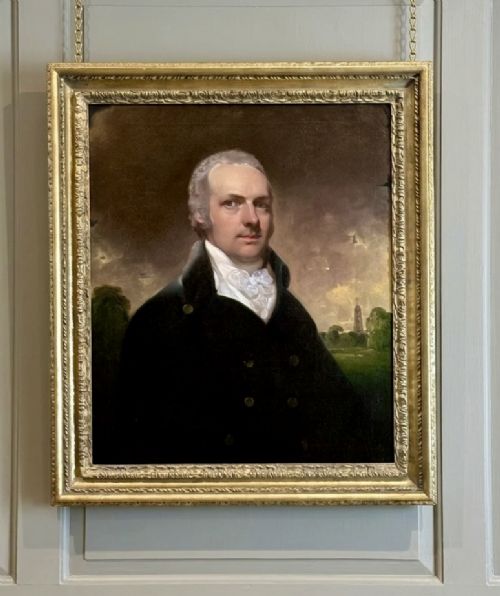
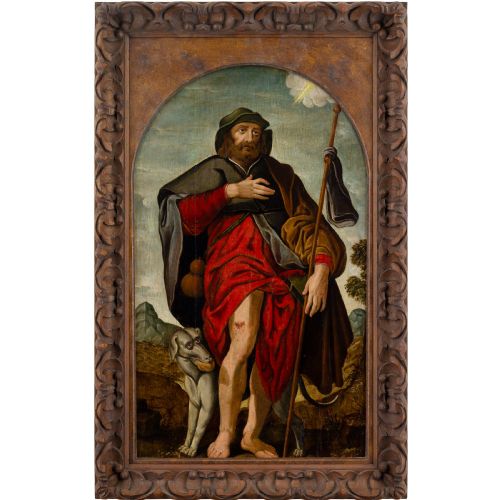
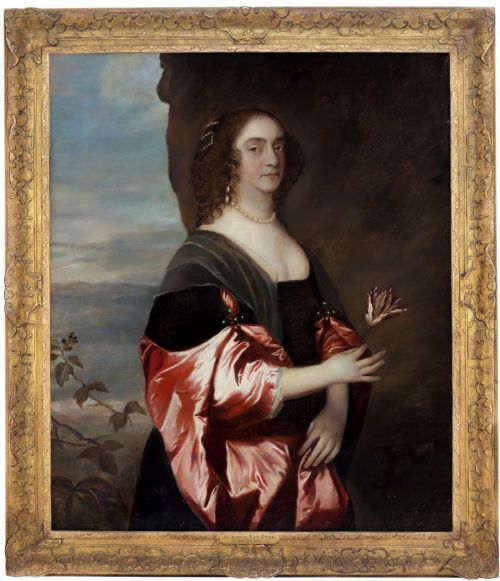
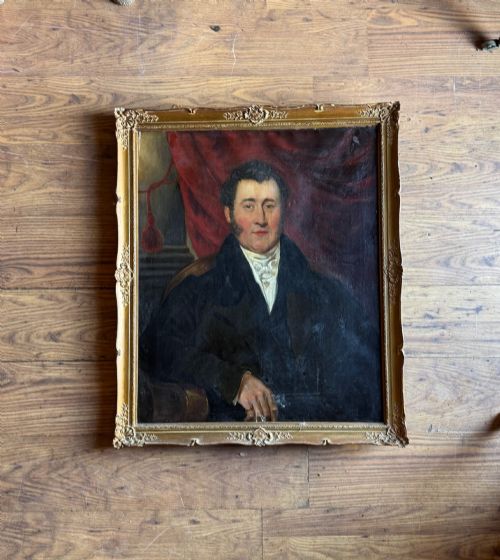
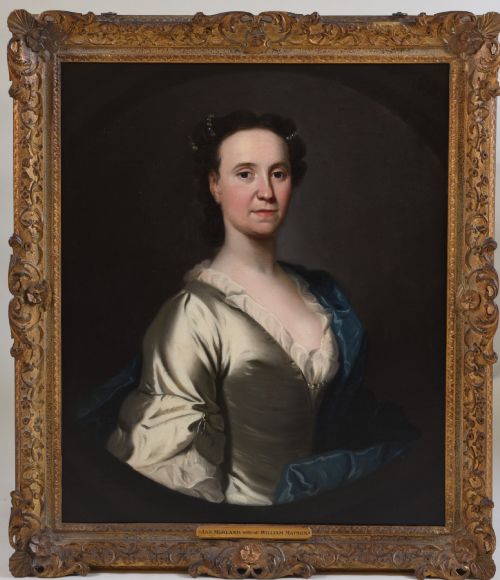
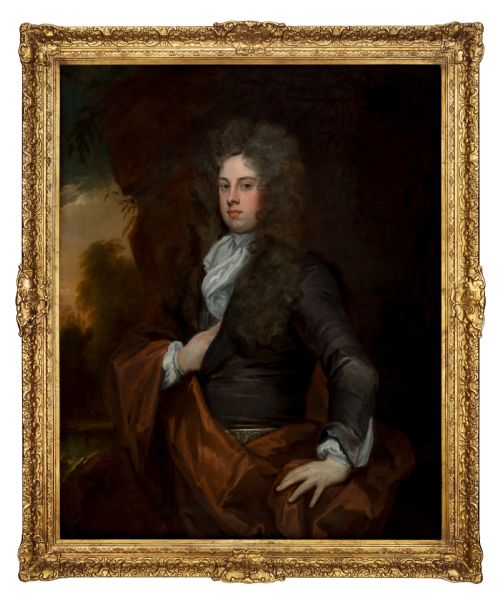
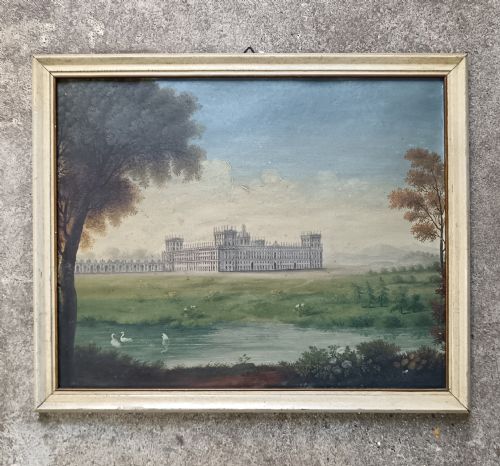
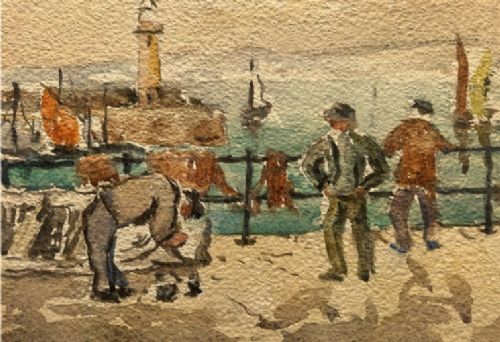
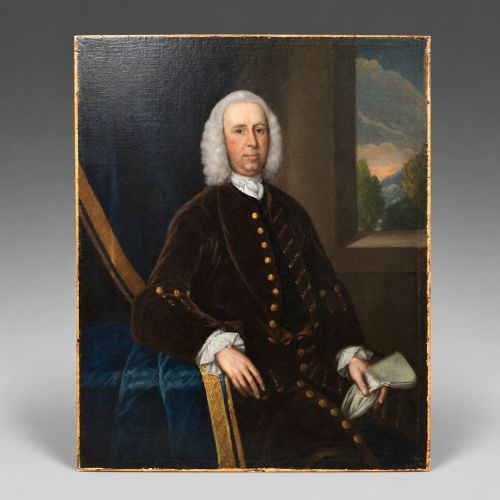
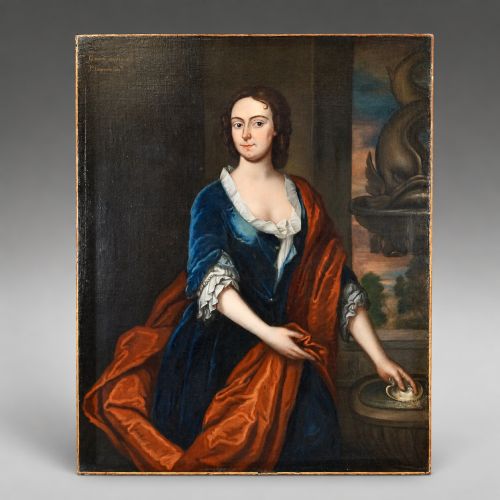
When searching for an antique school painting, a buyer encounters works attributed to specific regional traditions, collaborative workshops, or historical movements rather than a solitary named master. These pieces frequently represent British, Dutch, French, or Italian schools, spanning centuries of portraiture, landscapes, and religious subjects.
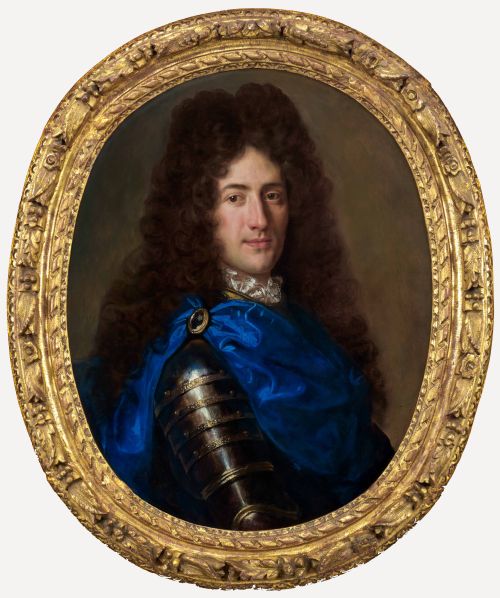
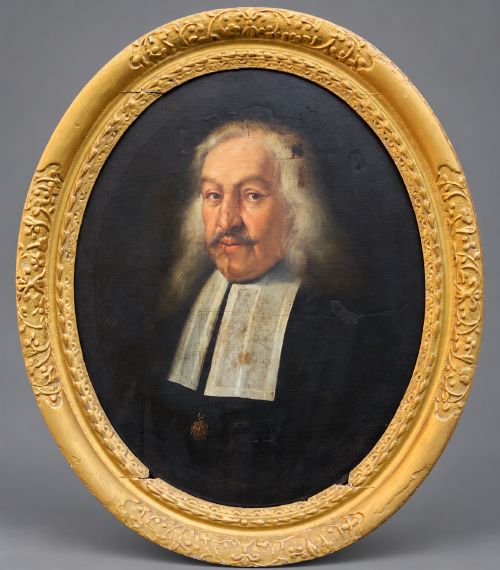
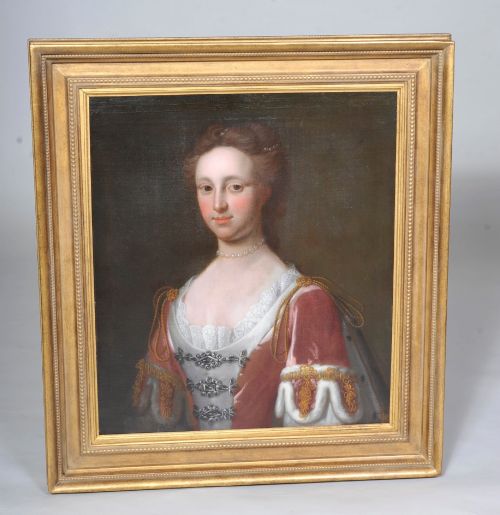
The most common examples on this page originate from the seventeenth and eighteenth centuries, often executed in oil on canvas or panel. Portraiture dominates these listings, frequently depicting nobility, scholars, or gentlemen in period attire alongside pastoral and maritime scenes.
Materials and Techniques
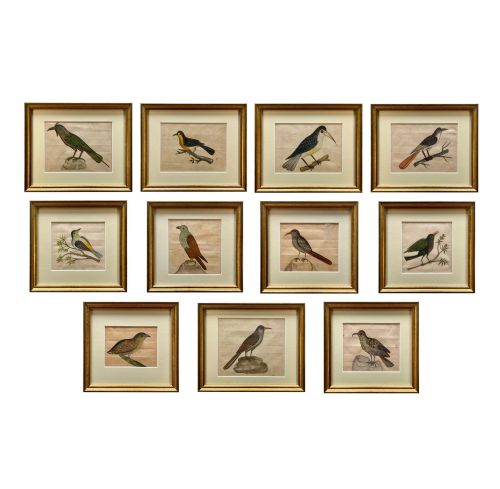
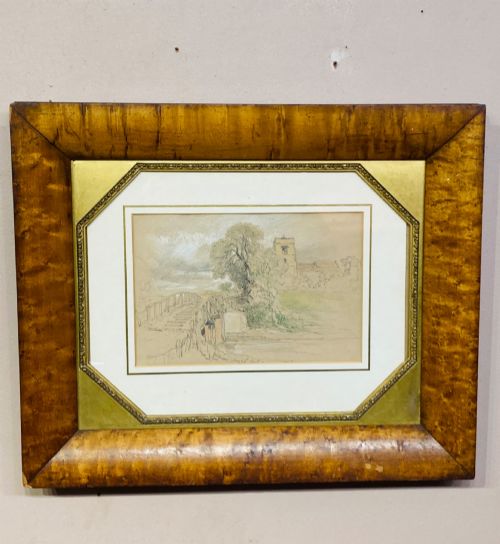
Artists of these periods utilised oil paint applied to prepared canvas or wooden panels, sometimes supplemented by watercolour and paper in smaller works and miniatures. Wooden panels provide a rigid support typical of earlier seventeenth-century works, whereas canvas becomes predominant in eighteenth and nineteenth-century productions.
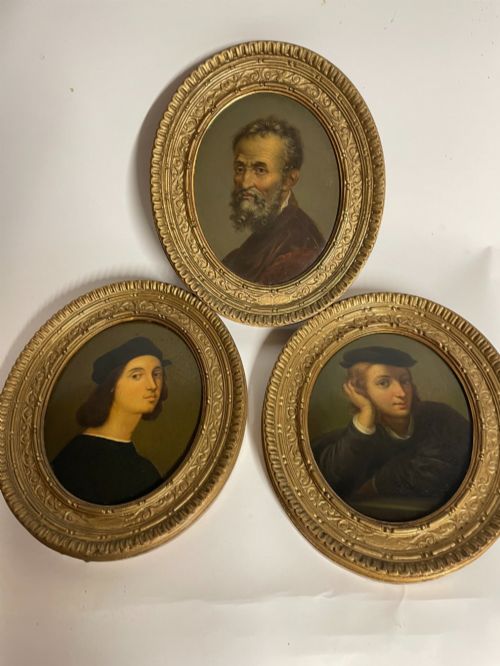
Frames play a structural and aesthetic role, with period examples mounted in giltwood or gold plated oval settings that complement the depth of the pigment. Pigments were mixed by hand in workshops, resulting in rich tones that endure across centuries of display.
Antique School Painting Retail Price Guide 2026
Typical asking prices for school painting among the pieces listed under this phrase on Sellingantiques today, from the lower quarter to the upper quarter. They describe what is for sale here now, not the wider market.
Several canvases capture historic pets, preserving the exact gaze of spaniels and kittens from centuries past.
Factors of Quality
Quality in these works rests upon the precision of brushwork, the psychological depth of a portrait, and the preservation of the original surface. A strong composition demonstrates confident handling of light and shadow, particularly in the rendering of textiles such as ruff collars and velvet doublets.
Robert Buchan Nisbet RSW·John Greenhill·Nicolaas Martinus Wijdoogen·Thomas Thomas·Charles Jervas
The Antique School Painting Glossary
- School
- A group of artists working in a similar style, region, or period, often under the influence of a master. This designation helps attribute works when an individual signature is absent.
- Oil on Panel
- A painting technique where pigments bound in oil are applied to a wooden board. This method is frequently encountered in earlier centuries before canvas became the standard support.
- Portrait Miniature
- A small, highly detailed painting, often executed in watercolour on vellum or paper. These intimate pieces were frequently housed in protective lockets or frames.
- Giltwood
- Wood that has been coated with a thin layer of gold leaf or powder. It provides an ornate and reflective border for traditional oil paintings.
- Baroque
- An artistic style prevalent from the early seventeenth century characterised by dramatic movement and clear tension. Works in this style use deep contrasts between light and dark to create theatrical effect.
Antique School Painting: Frequently Asked Questions
What defines a school painting?
A school painting originates from a circle of artists influenced by a particular master, region, or tradition. These works often carry an attribution to a broader movement rather than a single signed creator.
Such designations reflect the collaborative and workshop-based nature of historical art production, where assistants and students replicated successful compositional formats.
How should I hang an oil painting?
Oil paintings on canvas or panel require stable environmental conditions away from direct sunlight and dramatic temperature fluctuations. Proper hanging involves securing the weight to wall studs using appropriate hardware rated for heavy frames.
Maintaining distance from heat sources prevents the wooden panels or canvas stretchers from warping and protects the delicate oil pigments from drying out prematurely.
How do I identify the period?
Dating an antique painting involves examining the style of clothing, the preparation of the canvas or panel, and the framing materials. Costume details like ruff collars or doublets provide precise chronological markers.
Additionally, the stretcher construction, nail types, and written inscriptions on the reverse offer clues regarding the century of production.
What is a portrait miniature?
A portrait miniature is a small-scale painting designed for private viewing, often worn as jewellery or kept in a fitted case. These delicate items capture likenesses with extraordinary precision using fine brushstrokes.
Artists frequently employed watercolour on paper or vellum, protected beneath glass within ornate metal or wooden frames.