


Antique Satire Art Prints
Antique satire art prints expose political folly and social absurdities through sharp caricature, offering a direct view into past humours.
Antique Satire Art Prints
When buyers search for antique satire art prints, they encounter printed works designed to ridicule political figures, social trends, and human folly across past centuries. These pieces translate contemporary grievances and laughter into visual form, often targeting politicians, royalty, and societal institutions.
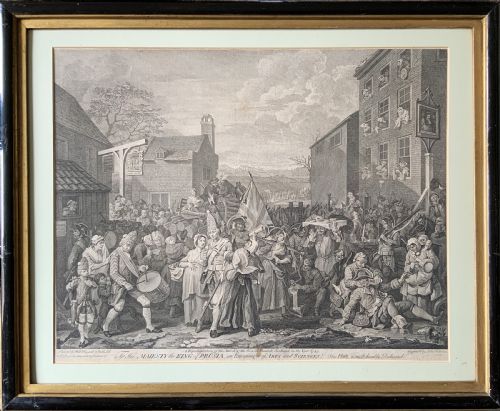
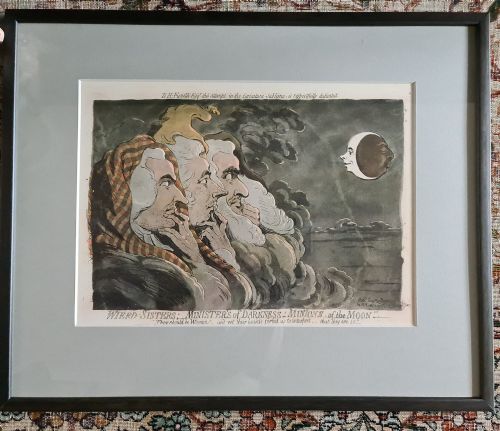
The versions most commonly met on this page span the 18th century and the 19th century, featuring works by renowned satirists like William Hogarth, James Gillray, and Thomas Rowlandson. Framed prints, engravings, and periodical plates form the bulk of what appears, preserved behind glass in wood frames.
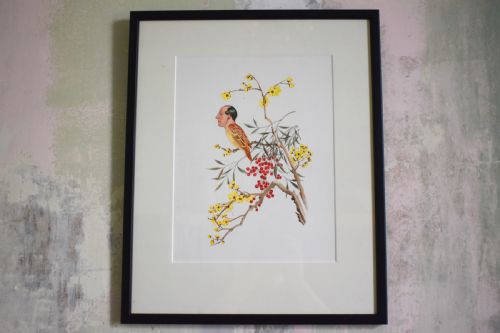
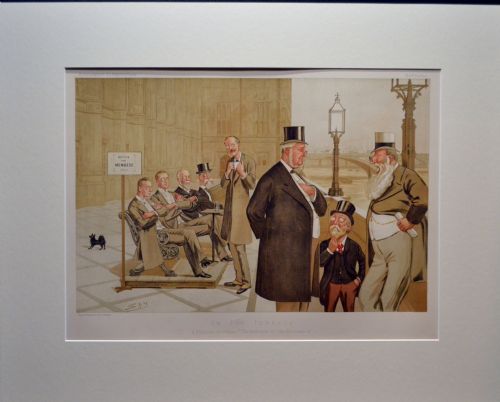
Subjects range from Georgian social critiques and political portfolios to Victorian Vanity Fair personality portraits and American comic lithographs. Later examples stretch into the early 20th century, capturing wartime caricatures and military figures with ink and watercolour on paper.
How they were made
Makers produced these works primarily as copperplate engravings, ink drawings, and early lithographs printed onto quality paper. Artisans frequently applied hand colouring using watercolours or washes over printed carbon ink lines to heighten the visual impact of the caricature.
Framing materials typically involve period wood mouldings, including maple, which protected the delicate paper sheets from environmental damage. Workshops housed plates and pressed sheets in runs that varied from individual sheets to bound portfolios.
Listings feature works utilising carbon ink, watercolour, and marbled paper set inside maple and wood frames.
What varies in quality
The distinction between standard examples and superior impressions rests on the crispness of the plate lines and the clarity of the ink. Early strikes from copperplates retain fine details that later impressions lose as the metal wears down over successive printings.
Condition of the paper and the presence of original hand colouring significantly elevate the standing of a piece. Retaining period frames, such as original maple mouldings, further distinguishes well-preserved survivals from later replacements.
William Hogarth·Luke Sullivan·E.L. Riepenhausen·Thomas Rowlandson·Thomas Worth
The Antique Satire Art Prints Glossary
- Engraving
- A printmaking technique where an artist cuts an image directly into a metal plate with a burin. The resulting lines hold ink to be transferred under pressure onto paper.
- Copperplate
- A flat sheet of copper used in the intaglio printing process to produce detailed graphic works. Artisans etched or engraved designs into its surface before printing.
- Hand colouring
- The manual application of watercolours or tints to a black and white printed image. This technique was common in Georgian and Victorian production to add vibrancy.
- Caricature
- A rendered portrait or scene exaggerating physical traits or behaviours for comic or satirical effect. It remains a primary vehicle for political and social commentary in these prints.
Antique Satire Art Prints: Frequently Asked Questions
What subjects do these prints cover?
These works target political scandals, social pretensions, and everyday absurdities across Georgian and Victorian society. Subjects range from parliamentary elections and royal portraits to moral tales and wartime military commanders.
Creators used biting humour and recognizable caricatures to comment on the events of their day. Collectors find rich historical commentary embedded within each framed engraving.
How should I display them at home?
Framed prints require placement away from direct sunlight to prevent the ink and paper from fading over time. Maintaining stable indoor humidity protects both the paper sheets and the wooden frames.
Grouping related portfolios or thematic sets creates a striking focal point on a wall. Proper mounting behind glass ensures these delicate historical pieces survive for future years.
Are these prints original period pieces?
The listings comprise authentic 18th-century and 19th-century productions, including copperplate engravings and Victorian periodical plates. Each item originates from the era it depicts rather than serving as a modern reproduction.
Examining the paper stock, ink types, and framing helps confirm the period of manufacture. Dealers provide specific dates and attributions based on the physical evidence of the item.
What is a Vanity Fair print?
Vanity Fair prints are chromolithographic caricatures published in the British weekly magazine during the late 19th and early 20th centuries. They typically feature prominent political figures, royalty, and society personalities under pseudonyms like Spy.
These plates became highly collectible for their witty observations of Victorian and Edwardian leadership. They offer a distinct window into the ruling classes of the British Empire.