



Antique Salt Shaker
An antique salt shaker sits on the dining table as a small sculpture with a distinct purpose, bringing period character to every meal.
Antique Salt Shaker
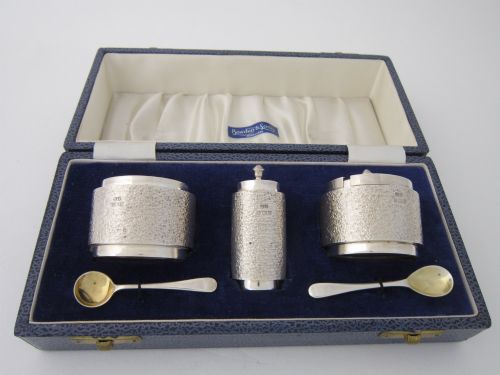
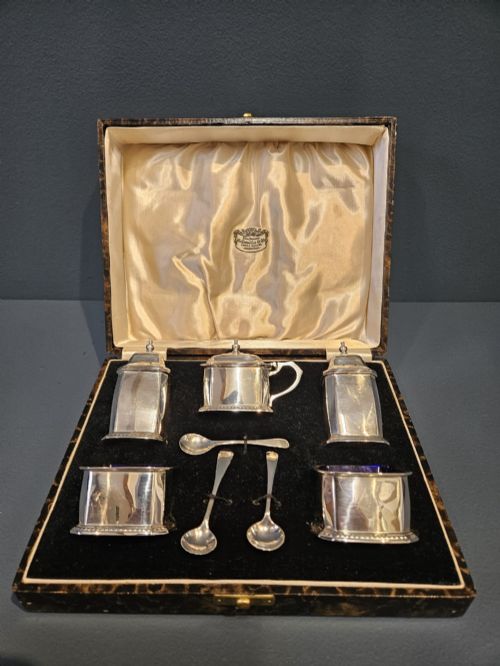
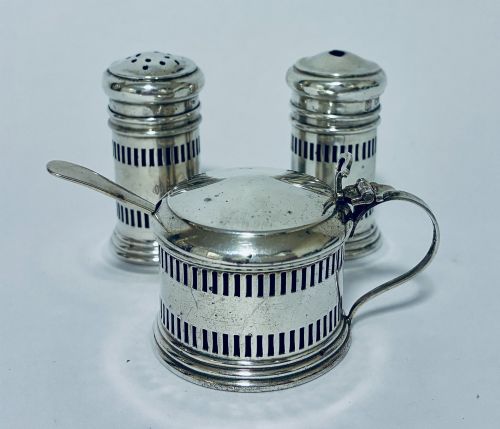
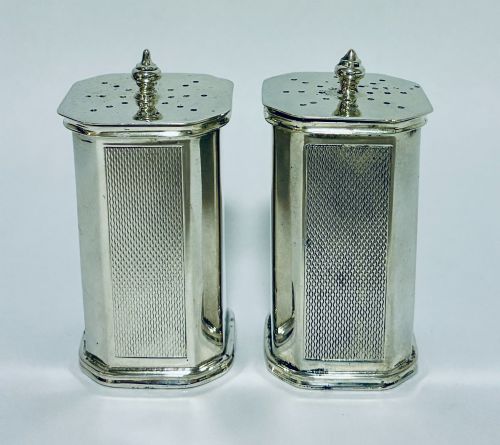
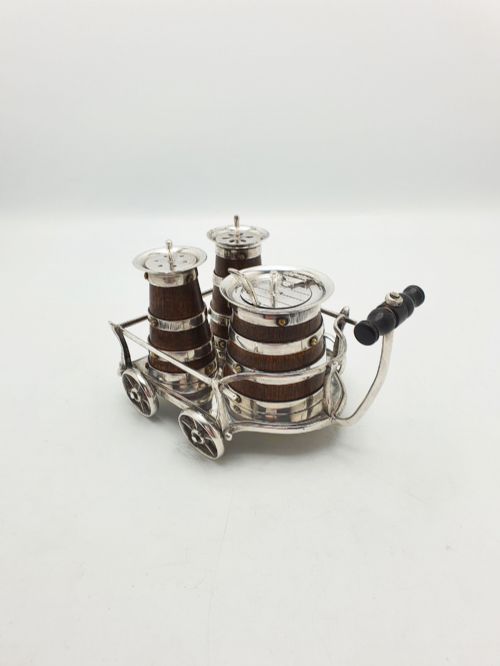
When searching for an antique salt shaker, buyers encounter a diverse range of tabletop vessels spanning from the Georgian era through the Victorian and Edwardian periods up to Art Deco and mid-century modern designs. These pieces appear as individual casters, open salt cellars with spoons, or matched components within larger cruet sets alongside mustard pots and pepper cruets.
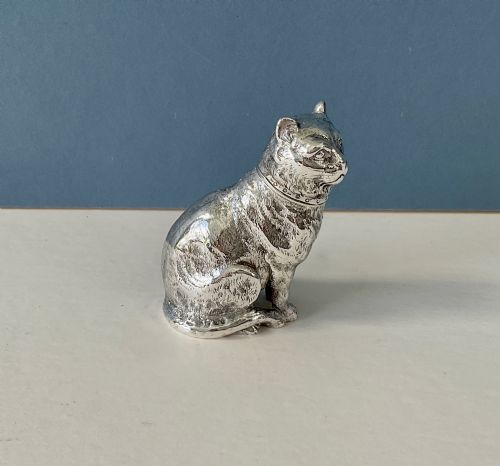
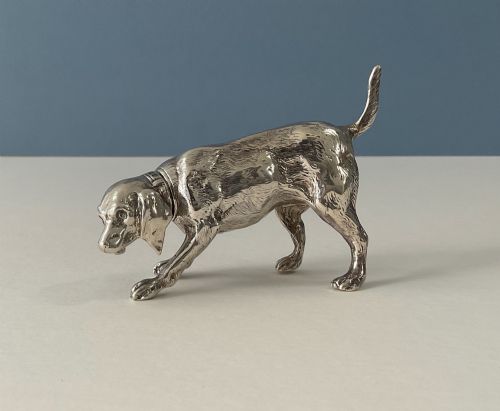
The most frequent iterations on this page are sterling silver or silver-plated single shakers and paired sets, often taking traditional vase shapes or whimsical novelty forms. Victorian and Edwardian examples lean heavily toward figural novelty designs such as owls, chicks, dogs, and farmyard animals, while later twentieth-century pieces embrace clean geometric lines and heavy lead crystal.
Materials and construction in early salt cellars
Makers fashioned these condiment containers primarily from sterling silver, silver plate, and cut or lead glass, occasionally incorporating interior glass liners to protect metal from corrosive salt. Silversmiths utilised casting, hand-cutting, and piercing techniques to form intricate bodies, hinged lids, and perforated tops that allowed free dispersion of seasoning.
Novelty pieces required skilled modelling and chasing by specialist craftsmen to render animal feathers, fur, and human figures with tactile realism. Glass shakers relied on heavy press-moulding and deep wheel-cutting to achieve light-refracting facets and robust walls suitable for daily dining use.
Antique Salt Shaker Retail Price Guide 2026
Typical asking prices for salt shaker among the pieces listed under this phrase on Sellingantiques today, from the lower quarter to the upper quarter. They describe what is for sale here now, not the wider market.
Listings span from the Georgian period through Victorian, Edwardian, and Art Deco eras, constructed in sterling silver, silver plate, and cut glass.
Distinguishing marks of superior workmanship
Quality in these tablewares rests upon the crispness of the casting and the weight of the metal or crystal used in the body. Superior examples maintain clear, legible hallmarks, tight-fitting screw or push-on caps, and balanced proportions that feel substantial in the hand.
Lower-tier pieces often show worn silver plating over base metal, sluggish threads on shaker tops, or blurry detail on figural castings where moulds have been overused. Exceptional items exhibit hand-chased finesse and pristine interior compartments that demonstrate careful stewardship over the decades.
Goldsmith & Silversmith's·Bricks & Sons·Sampson Mordan·Thomas Johnson·Wilmot Manufacturing Co.·Berthold Muller·Viners
The Antique Salt Shaker Glossary
- Cruet set
- A matched collection of glass or silver bottles and shakers held in a metal stand for the dining table. These sets typically held oil, vinegar, salt, pepper, and mustard.
- Pepperette
- A small shaker designed specifically for ground pepper, often styled as a miniature urn, cylinder, or animal figure. The term appears frequently in British silversmithing records.
- Salt cellar
- An open dish or small bowl used to hold salt before the widespread adoption of free-flowing table shakers. Diners used a small spoon or took pinches by hand.
- Novelty pepper
- A shaker modelled in the likeness of an animal, human character, or inanimate object rather than a standard geometric shape. These figural pieces were exceptionally popular during the Victorian period.
- Hallmark
- An official stamp applied by an assay office to indicate the purity of precious metal, the maker, and the year of production. British silver relies on these marks for accurate dating.
Antique Salt Shaker: Frequently Asked Questions
How were antique salt shakers used?
Diners placed these vessels on the dining table or sideboard to dispense seasoning during meals, either as open cellars requiring a tiny spoon or as pierced shakers.
Larger households utilised multi-bottle cruet stands to keep various condiments organised and within easy reach of guests.
Can I use antique salt daily?
Solid silver and glass shakers remain durable enough for regular modern dining provided they receive gentle hand washing without harsh abrasives.
Silver-plated items require more careful handling to preserve the thin metal coating from the corrosive nature of table salt.
How do I clean silver salt shakers?
Warm water, mild soap, and a soft cloth suffice for routine cleaning of sterling silver and glass components.
Harsh chemical dips should be avoided, especially on antique pieces with delicate chased details or applied coloured enamels.
What is a figural salt shaker?
Figural pieces are novelty shakers cast in the shape of animals, birds, or characters such as owls, dogs, and Mr Punch.
Victorian silversmiths specialised in these whimsical designs, which functioned as both functional tableware and decorative conversation pieces.