



Antique Saint Painting
When you search for an antique saint painting, you enter a centuries-long tradition of devotion rendered in oil, tempera and gold leaf.
Antique Saint Painting
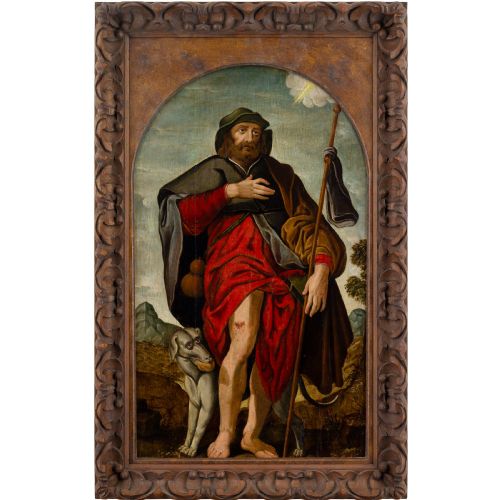
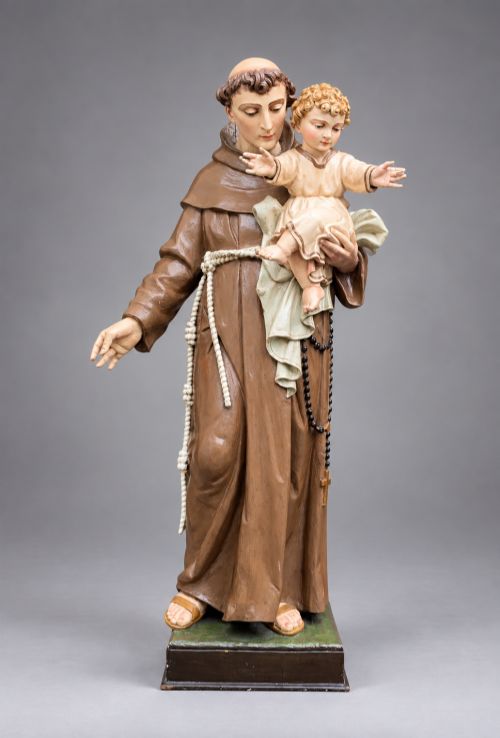
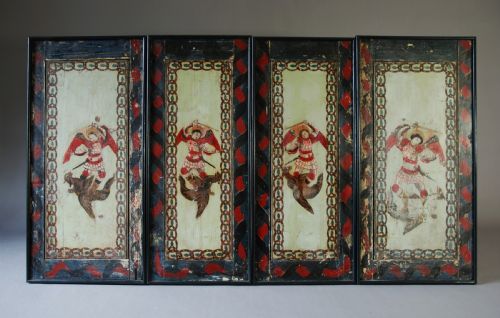
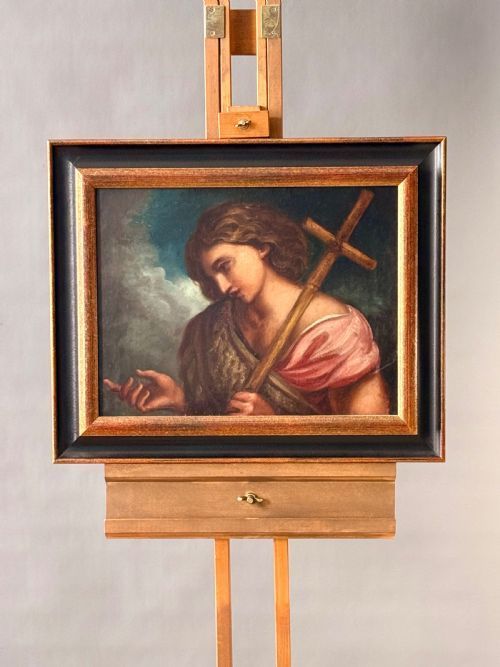
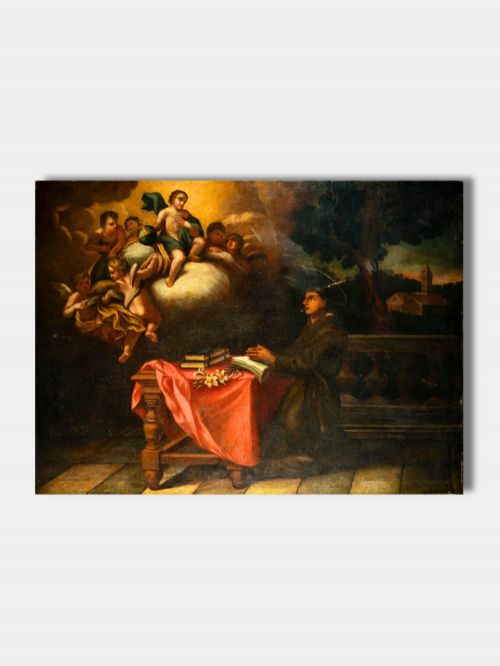
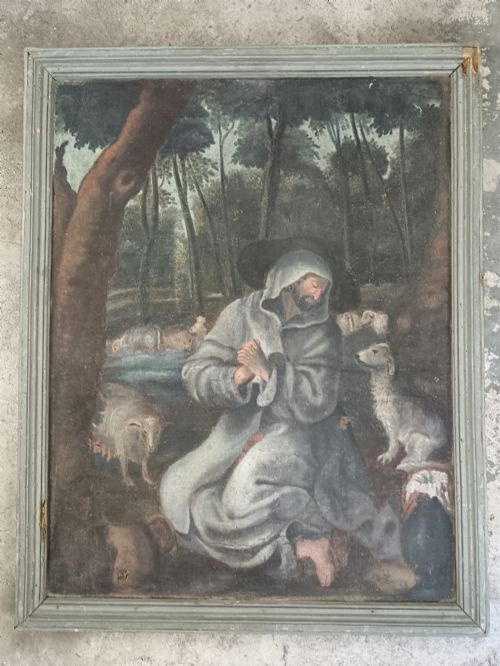
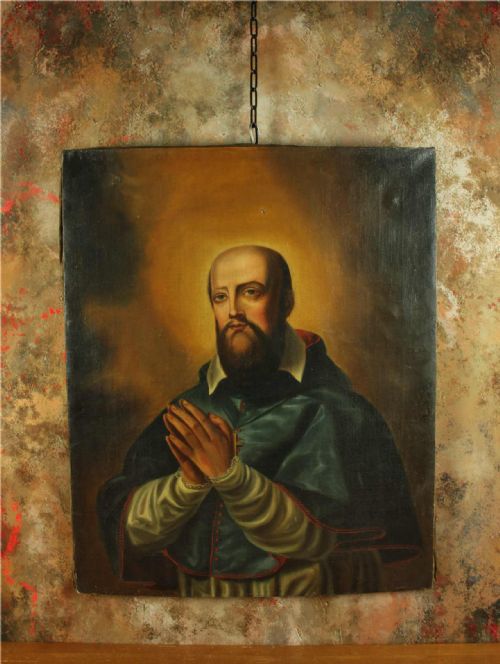
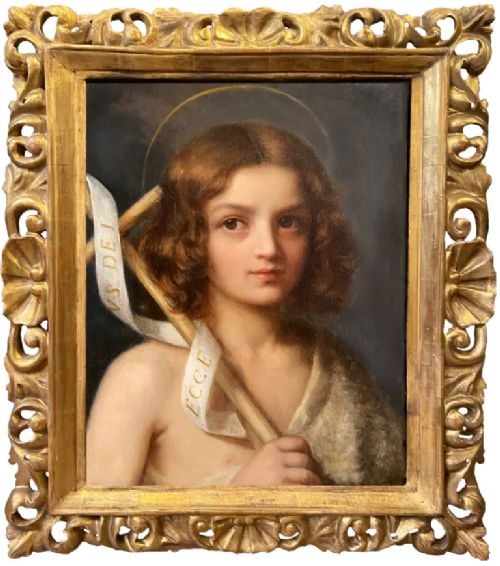
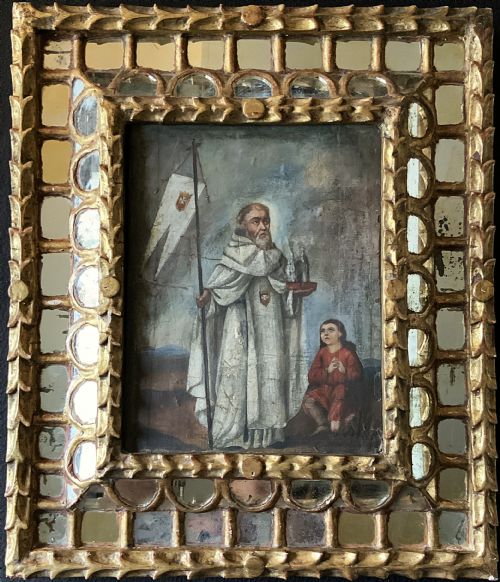
An antique saint painting encompasses canvas works, reverse glass pictures and devotional panels produced across European schools from the seventeenth century onwards. These artworks depict figures such as Saint John the Baptist, Saint Francis and the Holy Family in various regional styles including Spanish, Italian and Russian Orthodox.
Buyers most frequently encounter eighteenth-century oils on canvas and tempera icons on this page, often reflecting Baroque or folk traditions. Alongside traditional wall art, the selection includes carved wooden sculptures and miniatures that served private contemplation or home altars.
How they were made
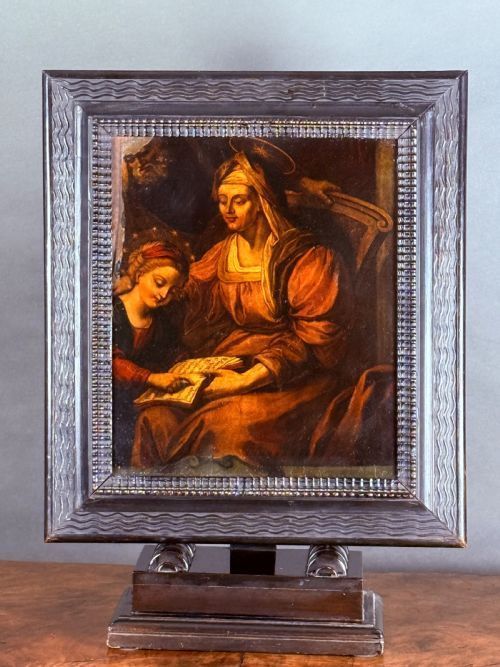
Painters applied oil and tempera pigments directly onto prepared canvases or wood panels, sometimes incorporating gold leaf and gesso to create luminous halos and backgrounds. Regional workshops employed specific supports, such as reverse glass painting or Limoges enamel, to achieve distinct translucent effects.
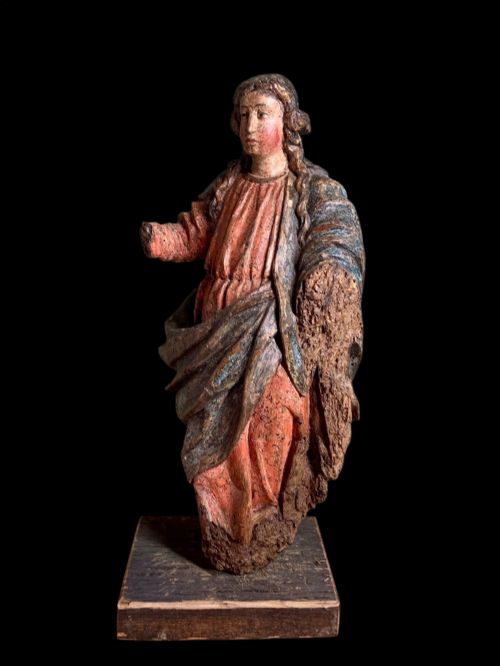
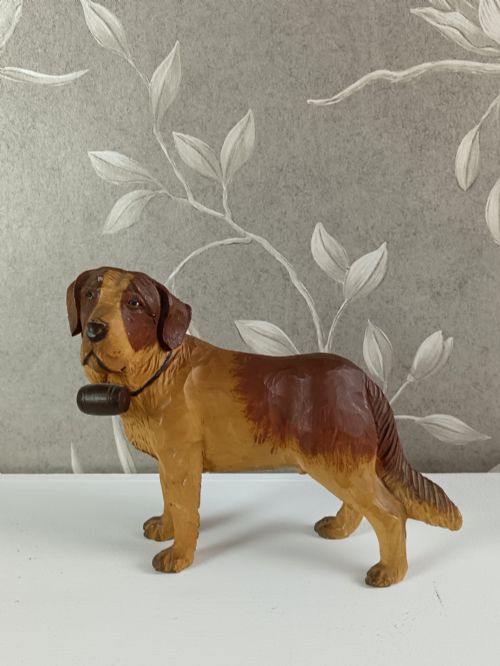
Carved sculptures of saints utilised timber finished with polychrome paint and gilding to render garments and facial expressions with lifelike depth. Frames were frequently hand-carved from giltwood or pine to complement the devotional imagery.
Antique Saint Painting Retail Price Guide 2026
Typical asking prices for saint painting among the pieces listed under this phrase on Sellingantiques today, from the lower quarter to the upper quarter. They describe what is for sale here now, not the wider market.
The listings span the seventeenth, eighteenth and nineteenth centuries, featuring works executed in oil, tempera and carved wood across European schools.
What varies in quality
The sophistication of the brushwork and the anatomical accuracy of the figures distinguish academic old master pieces from provincial folk art. Works produced by recognised workshops or followers of established masters display superior draughtsmanship in drapery and expression.
The integrity of the original surface, including visible pentimenti and untouched layers of old varnish, elevates the standing of a canvas. Finer examples retain their original gesso grounds and gilding without heavy modern intervention.
Francesco Solimena Workshop·Gaspar de Figueroa
The Antique Saint Painting Glossary
- Oil on canvas
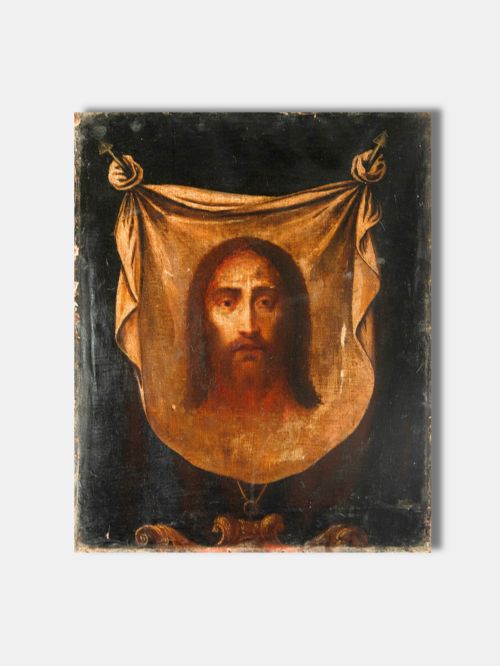
- Pigment mixed with drying oil applied to a woven fabric support. This technique allowed artists to blend colours smoothly and build rich textures over time.
- Tempera
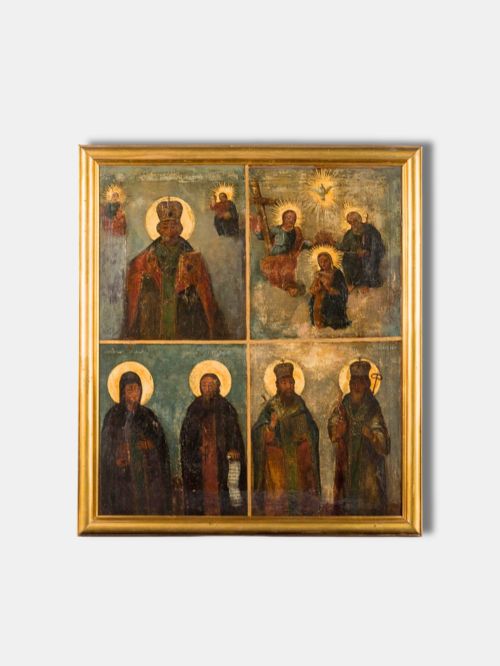
- A permanent fast-drying painting medium consisting of coloured pigment mixed with a water-binder such as egg yolk. It produces a matte surface ideal for detailed icon painting.
- Gold leaf
- Gold beaten into extremely thin sheets used to gild backgrounds and halos on panels and canvases. It reflects ambient light to create a divine glow in dim liturgical spaces.
- Gesso
- A white paint mixture consisting of a binder mixed with chalk, gypsum, or pigment. It served as a smooth preparation base for wood panels before painting or gilding.
- Reverse glass mezzotint
- An image applied to the underside of a glass pane so the final composition is viewed through the transparent front. It protected the delicate work from dust and moisture.
- Pentimento
- An alteration in a painting evidenced by traces of previous work showing through the top layer. It reveals the artist changing their mind about composition during the creative process.
Antique Saint Painting: Frequently Asked Questions
How do I identify a Russian icon?
Russian icons typically feature tempera and gold leaf on wooden panels, depicting sacred figures with stylised, solemn expressions and traditional inscriptions. They often show distinct signs of age in the crackleure of the paint surface.
These pieces were created for veneration in homes or churches rather than mere decoration, carrying deep spiritual significance for the maker and owner.
What is an old master follower?
An old master follower refers to a later artist working in the style or copying the compositions of renowned painters active during the Renaissance and Baroque periods. These works capture the technical approach of the primary master.
Such paintings allowed patrons to own devotional imagery inspired by famous altarpieces long after the original artist had passed away.
How were these paintings displayed originally?
Devotional artworks were housed in private home altars, domestic chapels or churches, often framed in heavy giltwood to draw the eye upward. Smaller pieces like miniatures and reverse glass works functioned as personal aids for private prayer.
Living with these pieces today involves mounting them securely away from direct sunlight to preserve the organic pigments and gold leaf.
What distinguishes Spanish Baroque art?
Spanish Baroque paintings and sculptures are characterised by dramatic contrasts of light and shadow, intense emotional realism and solemn religious themes. Artists focused on evoking direct spiritual empathy from the viewer.
Carved wooden figures from this tradition often feature rich polychrome finishes that highlight the tactile qualities of the saint's garments.