



Antique Saint Figures
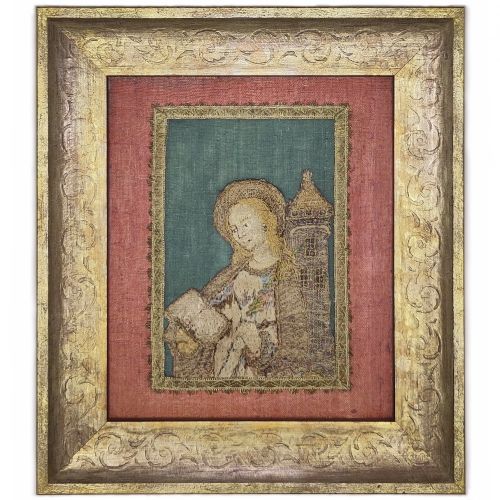
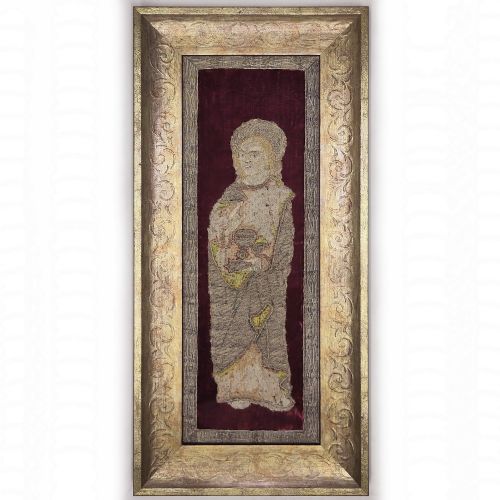
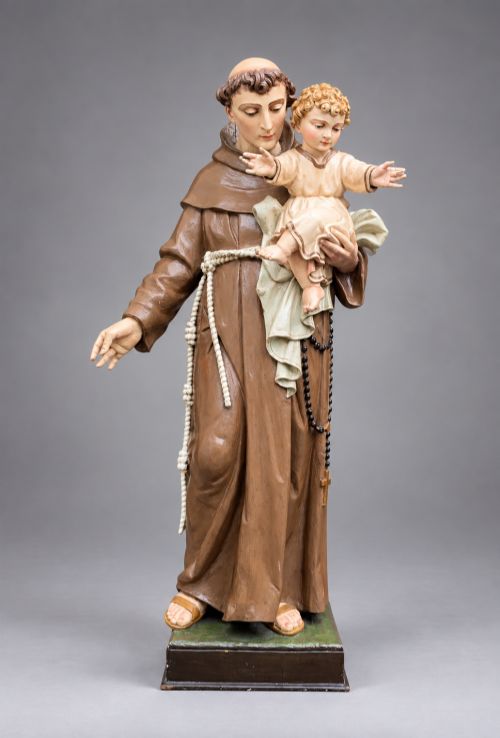
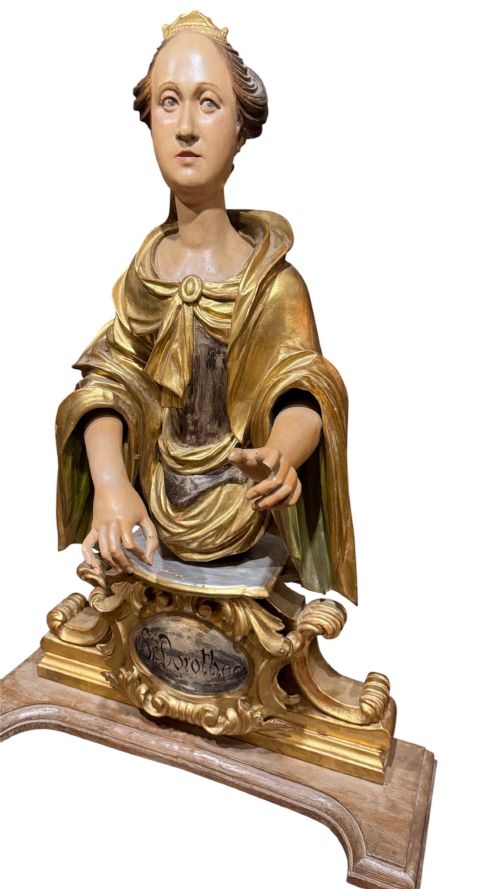
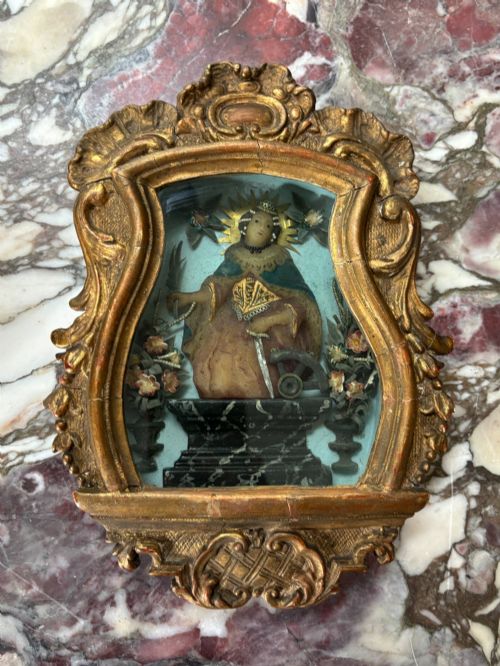
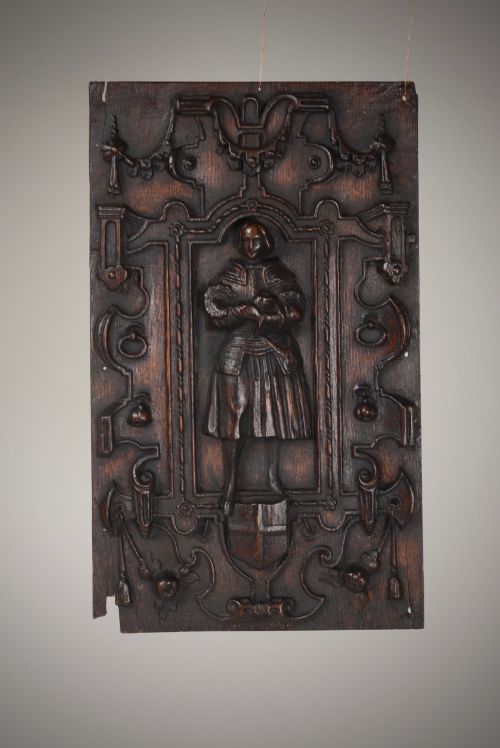
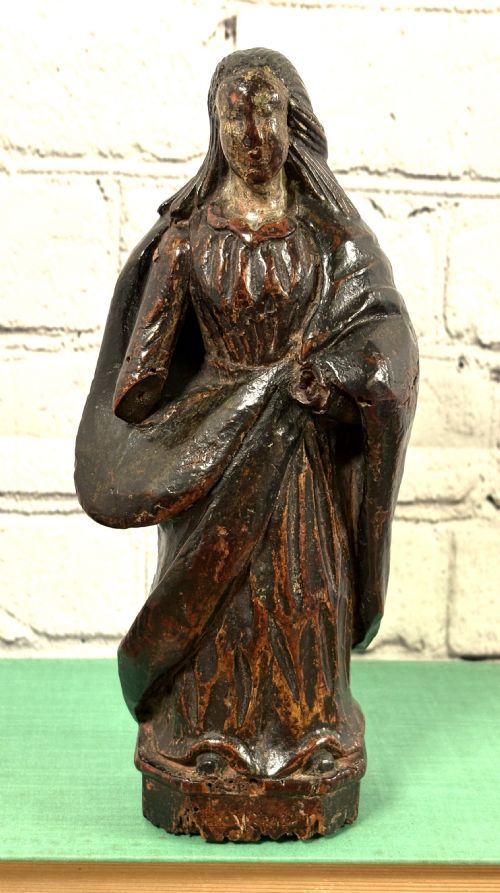
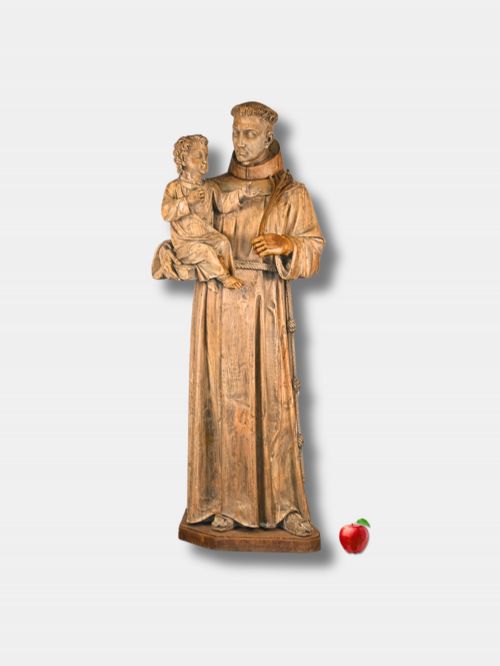
These antique saint figures are devotional wooden sculptures and panels that bring centuries of European craftsmanship and sacred history into a domestic interior.
Antique Saint Figures
When you search for antique saint figures, you encounter devotional carvings originating primarily from European churches, chapels, and private shrines. These pieces span from pre-sixteenth-century Gothic works to eighteenth-century Baroque interpretations, taking the form of free-standing statues, relief panels, and processional figures.
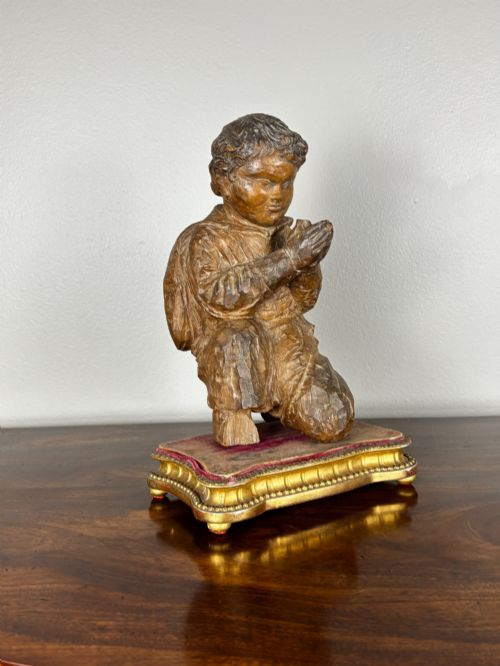
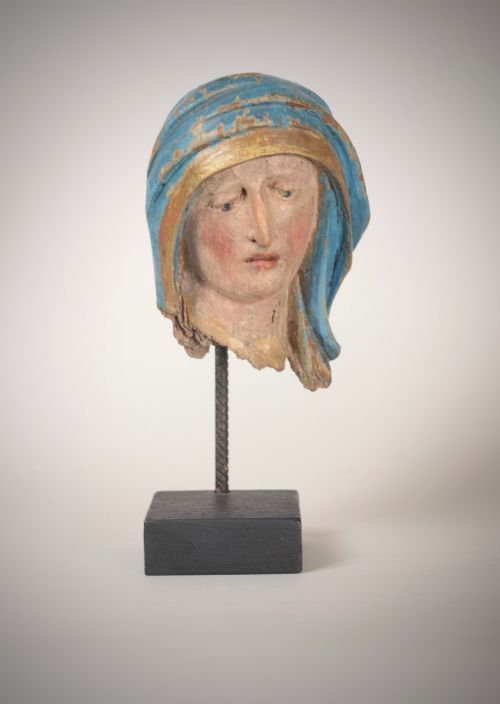
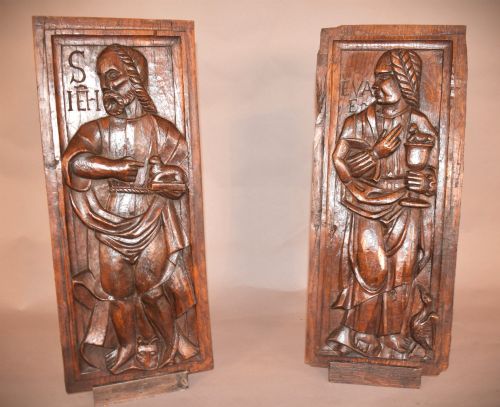
The versions you meet most frequently on this page are carved from wood, including oak, limewood, and pine. They depict key religious figures such as the Virgin Mary, Saint John, and various apostles or martyrs, often bearing the marks of their ecclesiastical origins.
Materials and construction methods
Many surfaces received a preparation layer of gesso before being finished with polychrome paint and gold leaf. This combination of carved wood and applied pigment gave the sculptures a lifelike presence suited to dim church interiors.
Antique Saint Figures Retail Price Guide 2026
Typical asking prices for saint figures among the pieces listed under this phrase on Sellingantiques today, from the lower quarter to the upper quarter. They describe what is for sale here now, not the wider market.
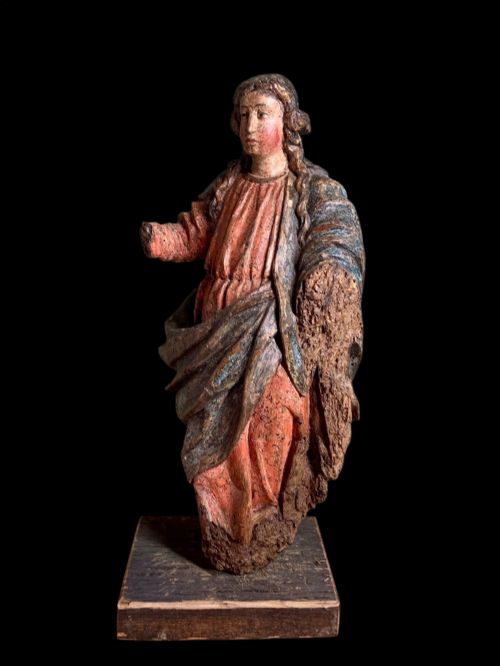
The inventory includes carved wood panels alongside free-standing statues of saints and angels.
Assessing quality and execution
The distinction between ordinary and exceptional carving lies in the anatomical accuracy of the hands and face, alongside the fluid movement carved into the garments. Master carvers achieved a natural gravity in the drapery that lesser workshops missed.
The survival of original polychrome paint and gilding elevates a piece, as does the crispness of the chisel work in stubborn timbers like oak. Pieces retaining their early surface layers offer a clearer view of the artisan's original intent.
Franz Keller·Antonio Rossellino
The Antique Saint Figures Glossary
- Polychrome
- Decorated in multiple colours. This paint layer was often applied over a gesso ground on wooden sculptures.
- Gesso
- A plaster mixture used as a smooth base for paint or gold leaf. It helped seal the wood surface before final decoration.
- Capipote
- A Spanish devotional figure with a wooden head and hands attached to a framework of sticks, dressed in real fabric vestments.
- Limewood
- A fine-grained timber favoured by continental carvers for detailed sculpture. It resisted splitting and allowed for deep undercut carving.
- Giltwood
- Wood that has been coated with thin sheets of gold leaf. This technique added luminosity to ecclesiastical figures.
Antique Saint Figures: Frequently Asked Questions
What are antique saint figures made from?
The pieces listed utilise traditional timbers such as oak, limewood, and pine as their primary structural material. Many feature secondary layers of gesso, polychrome paint, and gold leaf applied to the carved wooden surface.
These materials reflect the workshop practices of European carvers across the sixteenth, seventeenth, and eighteenth centuries, designed to create durable devotional objects for religious settings.
How were these statues used originally?
Ecclesiastical figures served as focal points for prayer and veneration in churches, convents, and roadside shrines. Some functioned as architectural elements within altarpieces, while others were carried in religious processions.
Processional figures like Spanish capipotes were dressed in actual textiles, allowing the sculptures to participate actively in liturgical events and community rituals.
How do I identify sixteenth-century carvings?
Sixteenth-century works, particularly those from Gothic and Renaissance traditions, display heavy, angular drapery folds and distinct facial expressions associated with early European workshops. The use of dense native woods like oak is typical for this period.
Examining the tool marks left by hand chisels helps differentiate these earlier pieces from later nineteenth-century Gothic revival copies.
How do I care for wooden religious figures?
Display wooden sculptures away from direct heat sources and dramatic humidity fluctuations to prevent the timber from splitting. Dust them gently with a dry, soft brush rather than using liquid polishes or chemical cleaners.
Preserving the fragile historical surface requires maintaining a stable indoor environment that protects both the bare wood and any surviving polychrome paint.