





Antique Sailor Art
Antique sailor art comprises hand-crafted items made by mariners and folk artists, offering a tangible connection to maritime history.
Antique Sailor Art
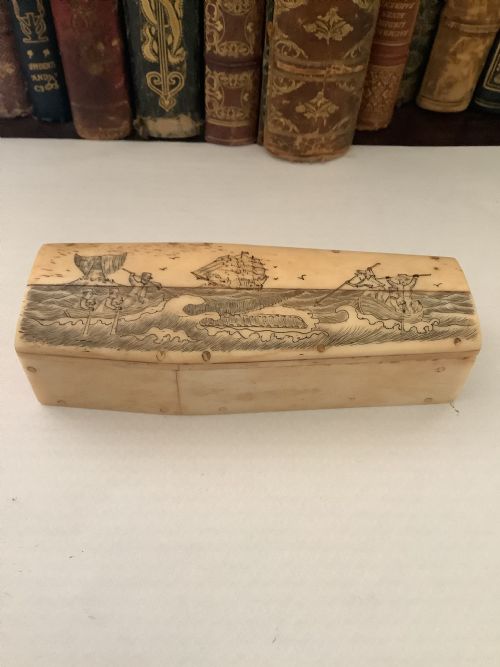
Makers utilised humble materials available at sea to construct personal mementoes and decorative objects. Walking sticks fashioned from bone, horn, and shark vertebrae frequently appear alongside framed watercolours and folk art dioramas.
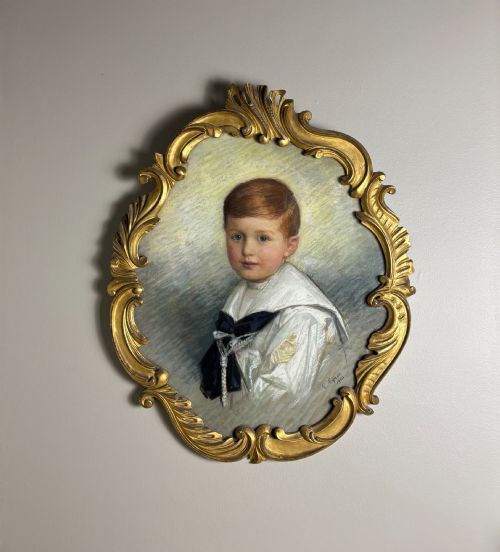
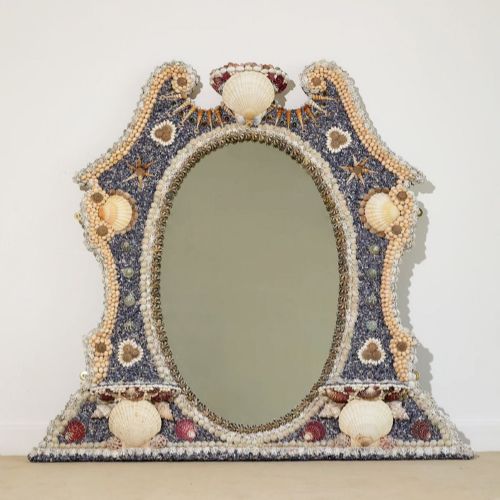
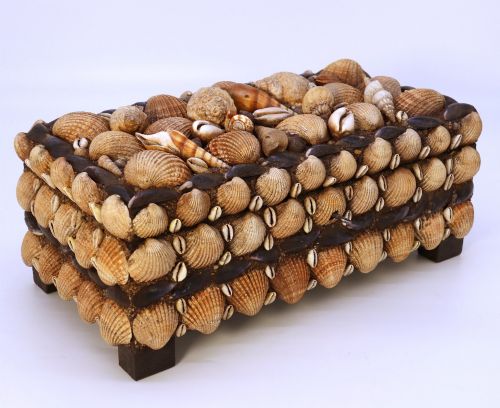
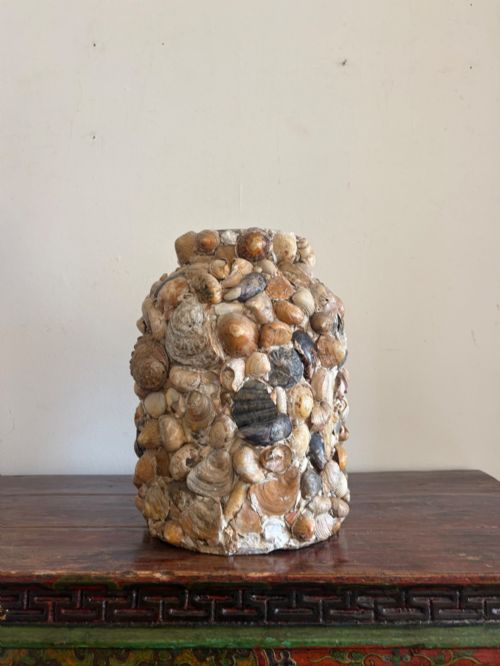
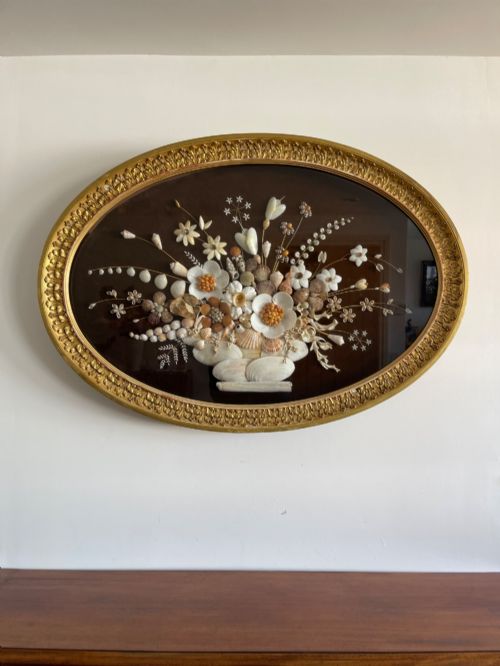
Origins range across English, Welsh and French workshops, encompassing both professional marine painting and authentic folk art traditions. Buyers encounter everything from small trinket boxes decorated with seashells to large framed gouache tributes.
How they were made
Makers relied on organic materials such as wood, whalebone, coconut shells, and seashells, shaping them with basic hand tools during long voyages. Detailed needlework utilised dyed wool on canvas to produce textured pictorial scenes known as woolies.
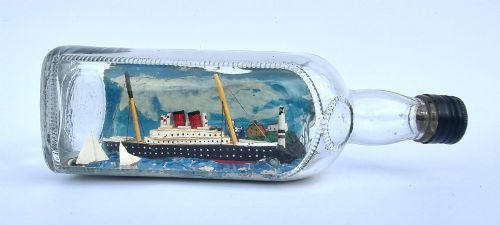
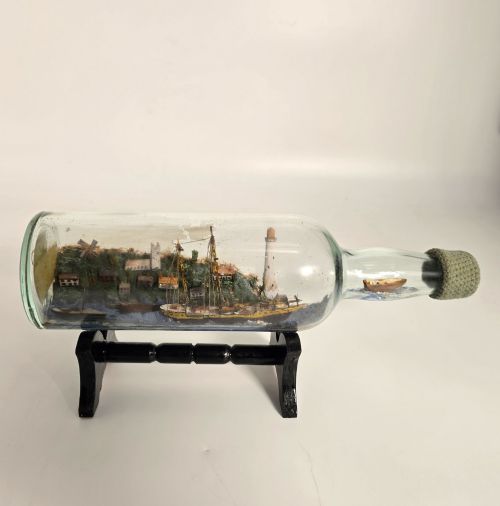
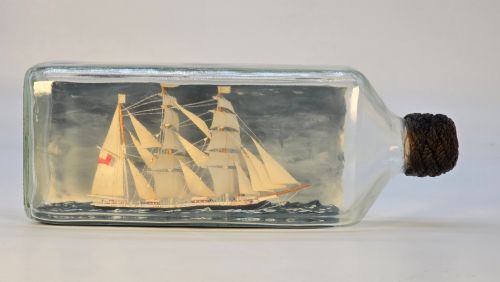
Bottle dioramas required inserting folded masts and rigging through narrow glass necks before tension threads raised the sails inside. Enamel plaques, watercolours, and painted gouache brought colour and maritime portraits to paper and metal surfaces.
Antique Sailor Art Retail Price Guide 2026
Typical asking prices for sailor art among the pieces listed under this phrase on Sellingantiques today, from the lower quarter to the upper quarter. They describe what is for sale here now, not the wider market.
Sailors utilised shark vertebrae and coconut shells to craft walking sticks and drinking vessels during long ocean voyages.
What varies in quality
The degree of intricate detail distinguishes finer examples, particularly in the rigging of ship models and the precision of shell mosaic placement. Superior items maintain complete original components, such as undamaged glass bottles and unaltered wooden frames.
Artistic skill in painted portraits and watercolours dictates overall merit, separating amateur craft from accomplished maritime folk art. The survival of fragile organic elements like wool embroidery and delicate bone carvings largely determines the condition level.
Emily Eyres·J. Hardy
The Antique Sailor Art Glossary
- Woolie
- An embroidered picture created by sailors using coloured wool yarns to depict sailing ships. These textured works often incorporate cotton threads for rigging details.
- Diorama
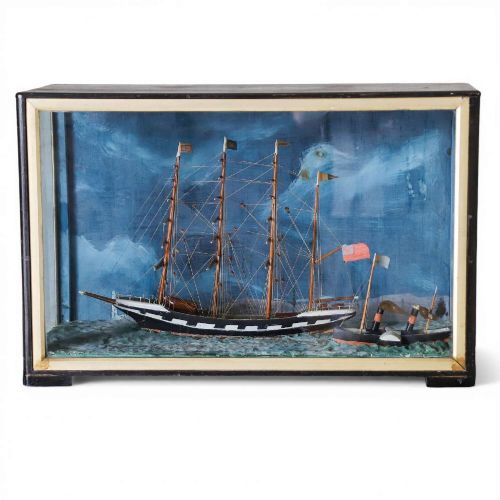
- A three-dimensional scene enclosed within a container or frame. Maritime examples typically represent sailing ships upon simulated waves.
- Fid
- A conical wooden or bone tool used by sailors for splicing ropes. Antique versions were frequently carved with decorative motifs by crew members.
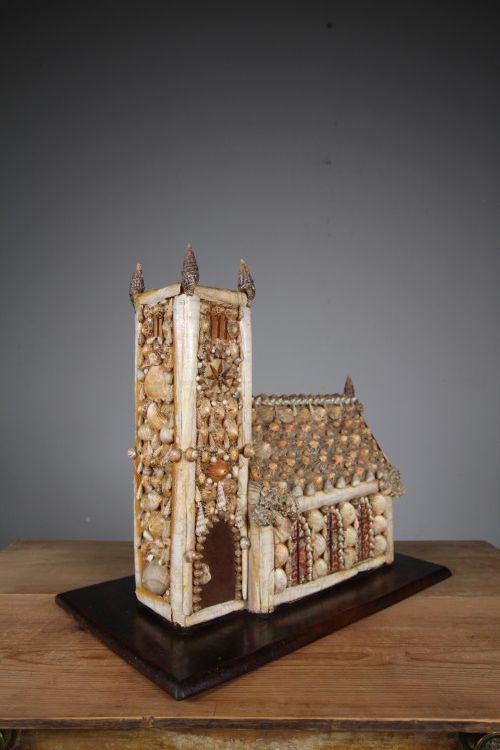
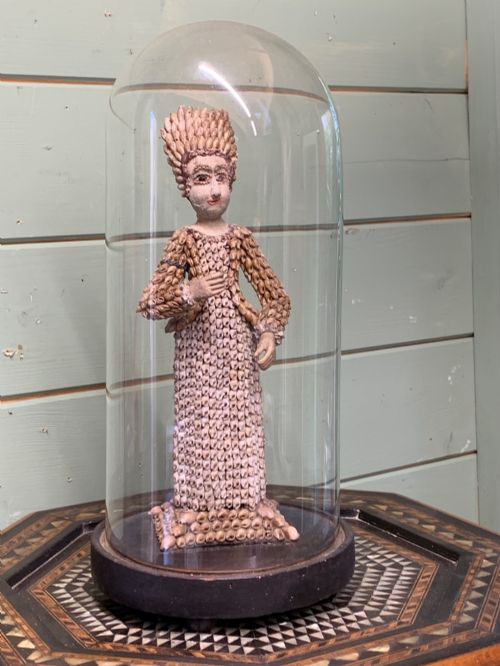
- Shellwork
- Decorative art formed by adhering seashells to surfaces in geometric or architectural patterns. Examples include framed pictures, boxes, and miniature grottos.
- Nailsea glass
- Glassware produced in the English village of Nailsea, known for characteristic looped or splashed patterns. Rolling pins made from this glass were popular sailor tokens.
Antique Sailor Art: Frequently Asked Questions
What is antique sailor art?
Antique sailor art encompasses decorative objects, models, and paintings created by mariners and folk artists during the 18th, 19th, and early 20th centuries. These items reflect maritime life through materials found at sea or worked during long voyages.
Pieces range from detailed ship models in bottles and wool embroidery to intricately carved walking sticks and shellwork pictures. Each object captures a distinct aspect of nautical heritage and traditional craftsmanship.
How were ships put in bottles?
Makers constructed ship models with hinged masts and rigging threads that laid flat along the hull. This allowed the entire assembly to pass carefully through the narrow neck of a glass bottle.
Once inside, the maker pulled hidden strings to raise the masts upright and secure the rigging into place. Sealed stoppers and glass work completed the miniature diorama.
How do I care for woolies?
Woolies require protection from direct sunlight to prevent the coloured wool yarns from fading over time. Keeping them behind glass in stable humidity environments preserves the textile fibres.
Avoid hanging these embroidered pieces in damp areas such as kitchens or unheated spaces. Gentle dusting of the exterior frame is usually sufficient for ongoing maintenance.
What is a sailors fid used for?
A fid is a heavy-duty pointed tool traditionally used by sailors to splice thick ropes and cables. Carved wooden or bone examples served as practical deck tools during daily shipboard duties.
Many surviving fids feature detailed scrimshaw or carving work added by sailors during quiet off-duty hours. These decorated versions transitioned from working tools into cherished keepsakes.