



Antique Rustic Mirror
An antique rustic mirror brings warmth and character to a room, offering tactile timber frames, patinated metalwork, and regional charm.
Antique Rustic Mirror
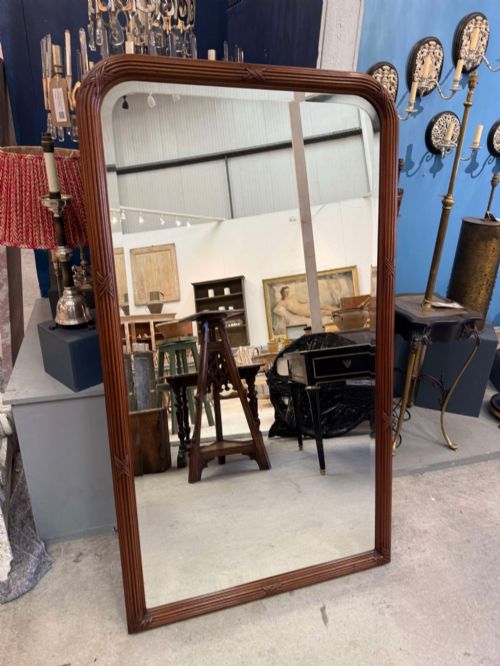
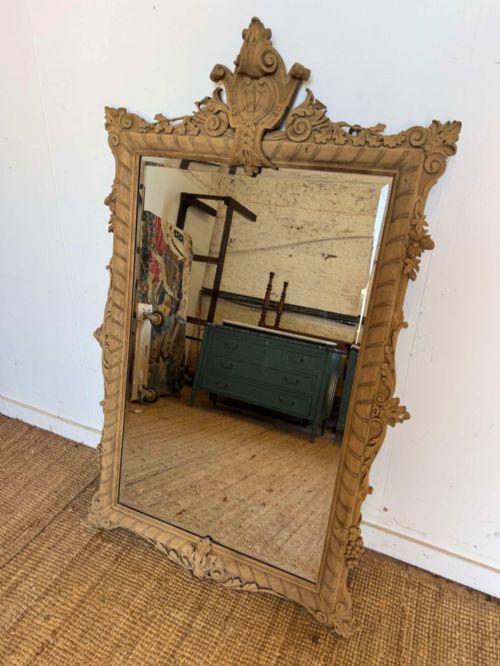
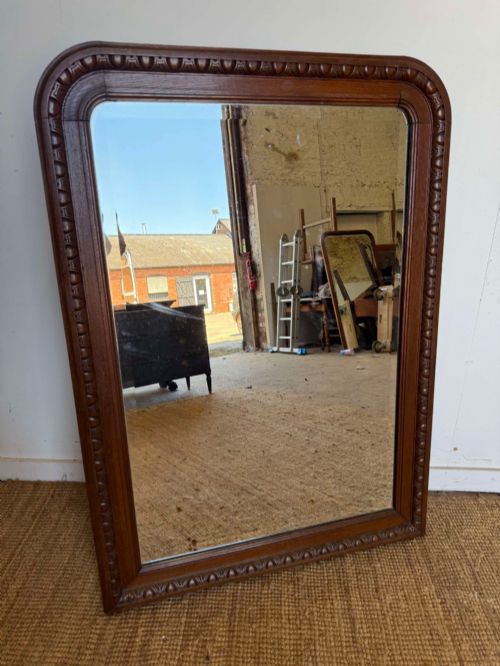
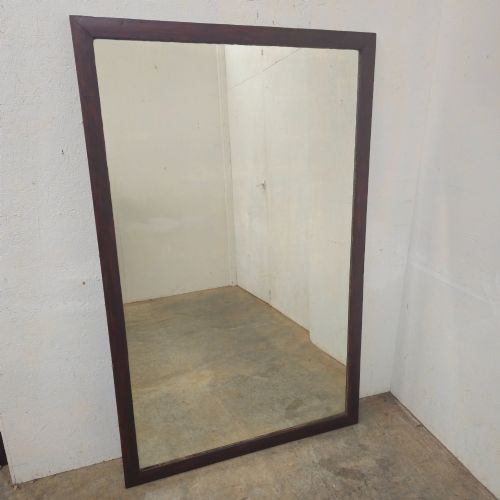
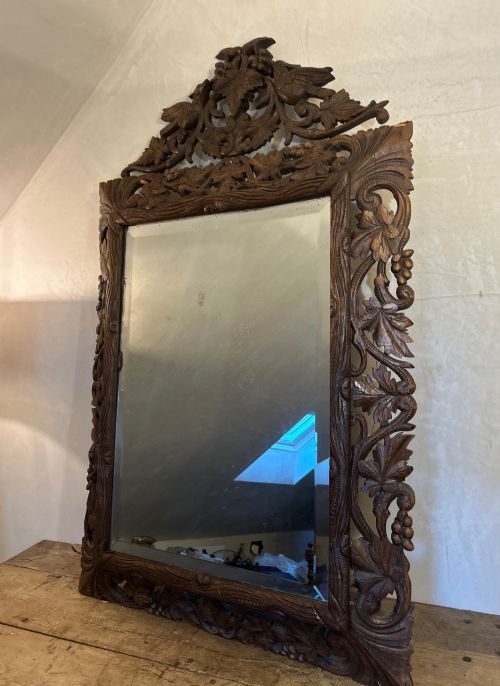
When you search for an antique rustic mirror, you encounter pieces defined by vernacular construction, unpretentious materials, and hand-worked frames. These items span the nineteenth century into the early twentieth century, taking the form of wall-hanging glasses, overmantels, and pier mirrors. The selection frequently includes French country designs, Arts and Crafts oak frames, and carved Black Forest pieces.
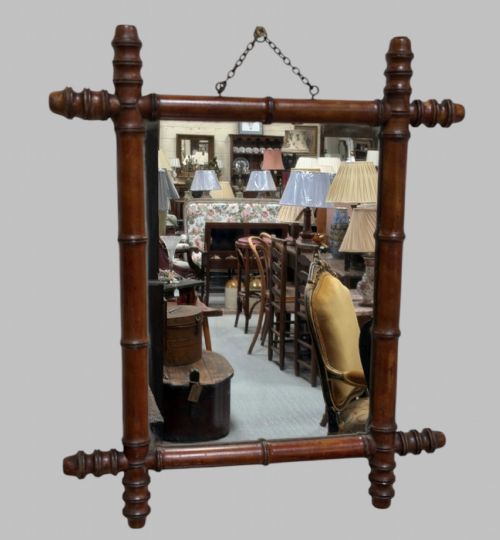
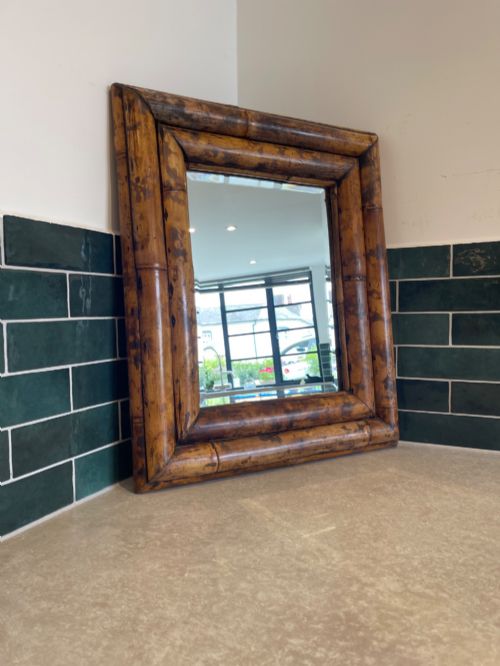
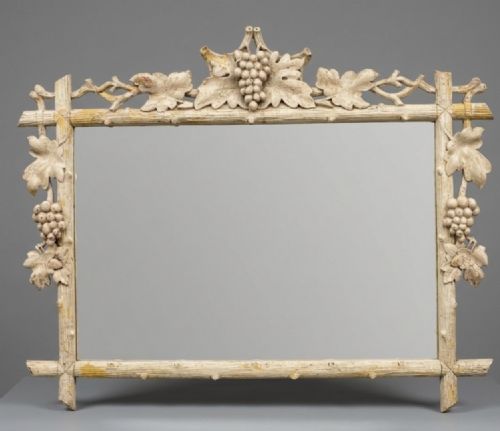
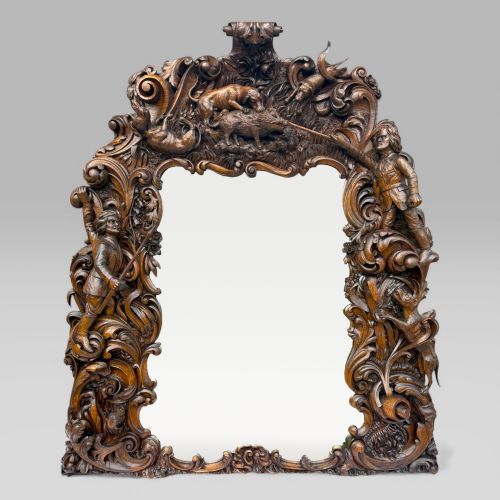
The most common examples on this page are wall mirrors framed in scrubbed oak, pine, or carved fruitwood. Many display regional traits such as exposed grain, simple peg joinery, or applied bark and faux bamboo. They range from modest domestic looking-glasses to large, imposing overmantels intended for country houses and hunting lodges.
Makers and workshops across Britain and continental Europe produced these mirrors for everyday domestic use rather than grand formal salons. Their charm lies in the honesty of the materials and the visible signs of age in both the timber and the original glass. Buyers choose them to anchor a hall, bedroom, or living space with authentic period texture.
How they were made
Makers utilised solid timbers such as oak, pine, maple, and carved wood, often leaving the grain visible or applying a simple scrubbed finish. Frames were constructed using traditional joinery techniques, sometimes incorporating applied natural elements like cork tramp art or faux bois plasterwork. Regional workshops favoured local woods that weathered well and accepted straightforward hand-carving.
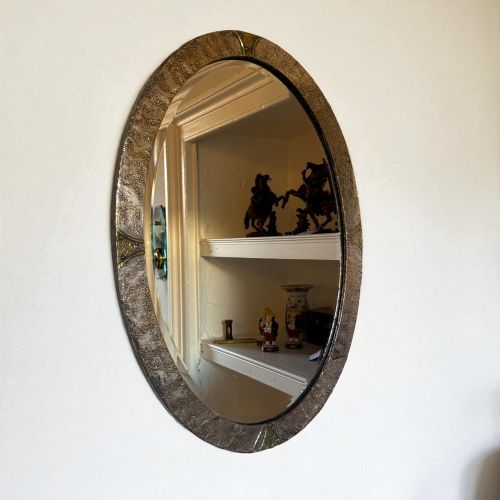
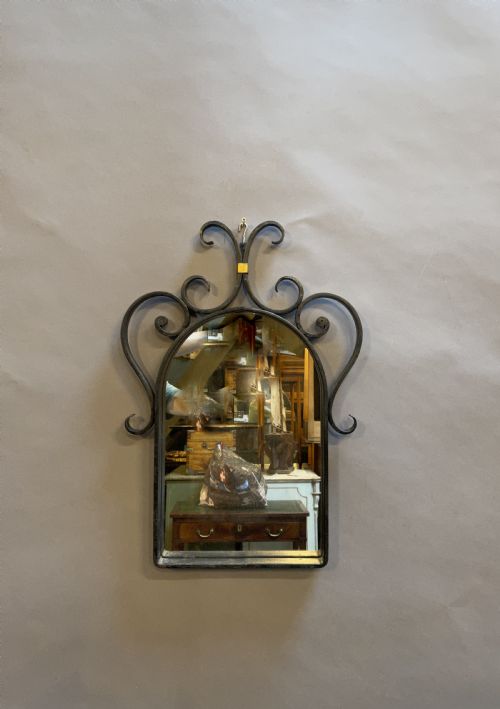
Metalwork played a significant role in Arts and Crafts examples, where hammered copper, brass, and applied cabochons frame the glass. Artisans worked sheet metal by hand, securing it with visible copper rivets and executing motifs like Celtic knots. This combination of heavy timber and beaten metal created a robust, tactile aesthetic.
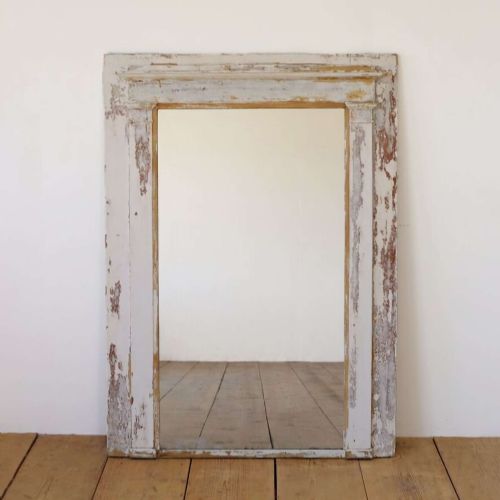
Surfaces were finished with natural wax, original paint, or left as bare scrubbed wood that absorbed decades of daily interaction. Mirror plates were traditionally silvered by hand, resulting in characteristic spotting and oxidation known as foxing. Backboards were typically constructed from tongue-and-groove pine secured with slotted screws.
Antique Rustic Mirror Retail Price Guide 2026
Typical asking prices for rustic mirror among the pieces listed under this phrase on Sellingantiques today, from the lower quarter to the upper quarter. They describe what is for sale here now, not the wider market.
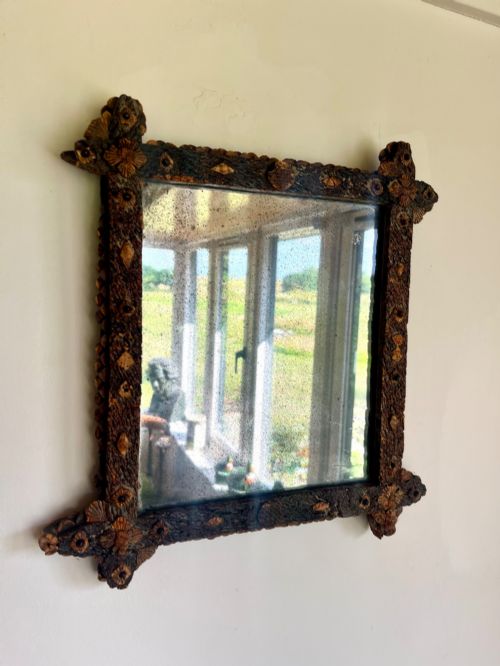
Several mirrors incorporate whimsical details like carved hunting lodge motifs, pine cones, and intricate layers of cork tramp art.
What varies in quality
Quality in these mirrors rests primarily on the ambition of the carving and the integrity of the frame's construction. Superior pieces display deep, crisp hand-carving on oak or fruitwood, whereas simpler examples rely on basic mouldings and machine-cut pine. The distinction shows in whether decorative elements like leaves, scrolls, or hammered metal panels are integrated thoughtfully into the overall design.
The preservation of original surface finishes determines much of the piece's character and desirability. Mirrors retaining their early scrubbed timber, authentic old paint, or untouched patinated copper stand apart from those stripped down or aggressively refinished. Original mirror plates with genuine age and uniform foxing also elevate the overall integrity of the object.
The Antique Rustic Mirror Glossary
- Trumeau
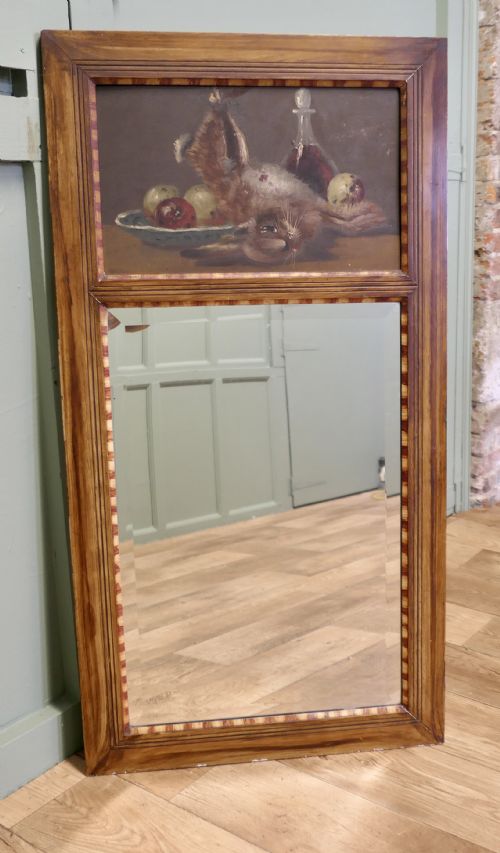
- A decorative wall mirror featuring a painted panel or carved artwork positioned directly above the glass. This French form often occupied the space between tall windows.
- Overmantel mirror
- A large horizontal looking-glass designed specifically to hang on the wall above a fireplace mantelpiece. These often incorporated heavy oak or gilded frames to anchor the room.
- Trampt art
- A form of folk carving created by chipping small pieces of scrap wood into geometric layers. Frames made in this manner display intricate, textured surface patterns.
- Foxing
- The natural process of oxidation and age spots appearing within the silver backing of older mirror glass. Collectors value this patination as proof of genuine antique origin.
- Faux bois
- An artistic technique of painting or moulding concrete and plaster to imitate natural wood grain. French makers applied this finish to achieve rustic textures on lighter frames.
Antique Rustic Mirror: Frequently Asked Questions
How do I hang a heavy oak mirror?
Heavy antique mirrors require robust wall fixings secured directly into masonry or solid wooden studs rather than standard plasterboard.
Most large overmantels and framed wall glasses feature substantial wooden battens or iron rings on the back that demand heavy-duty picture hooks.
Are the mirror plates original?
Many surviving pieces retain their original hand-silvered glass, which frequently exhibits charming signs of age such as light foxing and tiny dark speckles.
Replacement glass does occur during restoration, so inspecting the backboards and fixings helps determine whether the plate has been changed.
How should I clean the wooden frame?
Maintain antique timber frames by dusting gently with a dry, soft cloth and occasionally applying a light coat of pure beeswax.
Avoid modern liquid polishes containing silicones, as these can penetrate the porous grain and damage the historic patination of scrubbed pine or oak.
What defines Arts and Crafts mirrors?
Arts and Crafts mirrors are distinguished by honest construction, visible joinery, and hand-worked metal elements such as hammered copper and brass.
These pieces often feature motifs like Celtic knots, repoussé panels, or Ruskin ceramic cabochons set directly into the wooden frame.
Can I place these mirrors in bathrooms?
Placing antique wooden mirrors in damp environments like bathrooms requires caution because moisture can warp old pine and oak frames.
If used in such spaces, ensure adequate ventilation and keep them away from direct water splashes to protect the historic wood and silvering.