
Antique Rural Picture
An antique rural picture captures country life, farming scenes and quiet village views through the brush of painters from the nineteenth and early twentieth centuries.
Antique Rural Picture
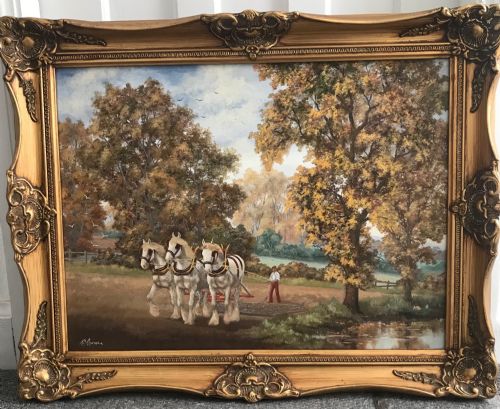
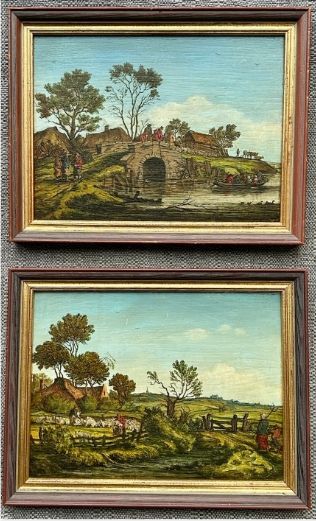
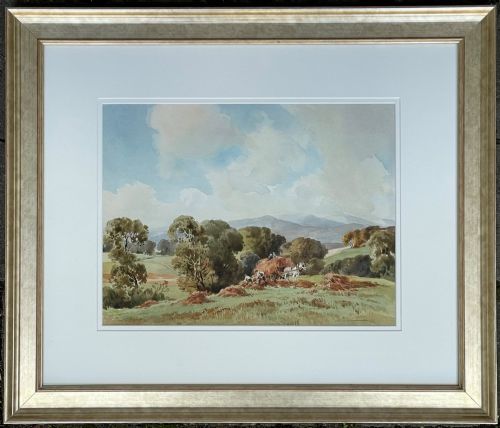
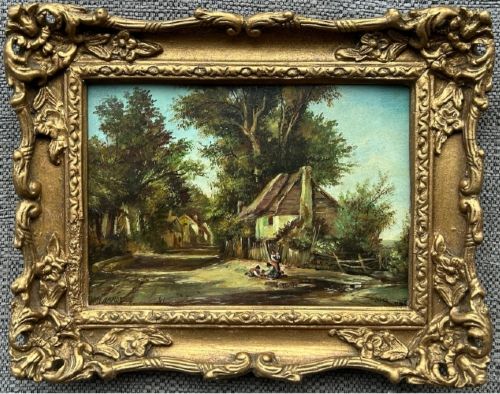
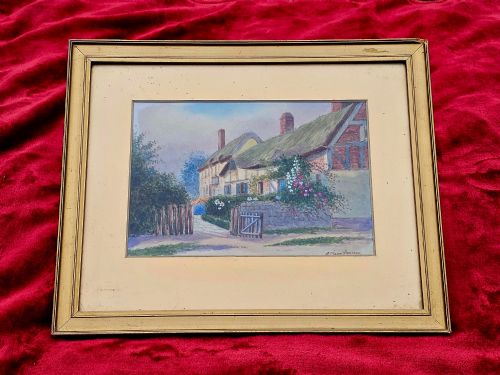
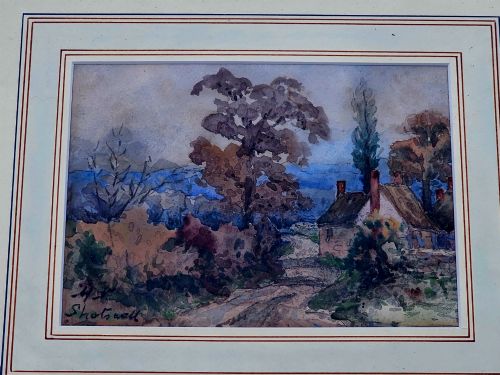
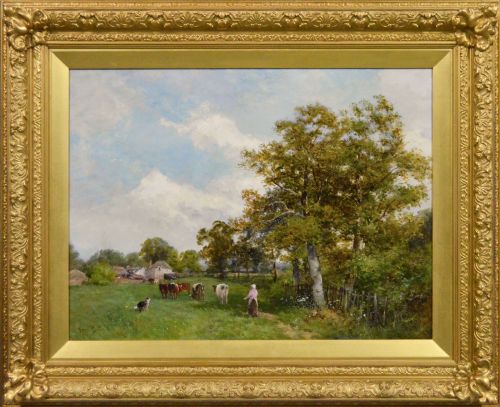
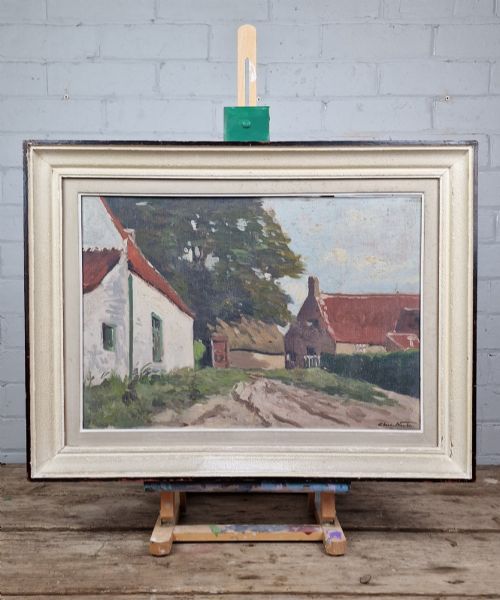
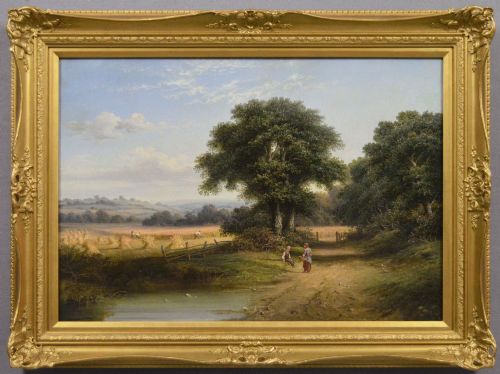
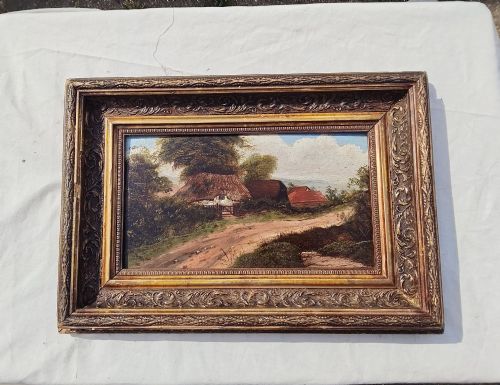
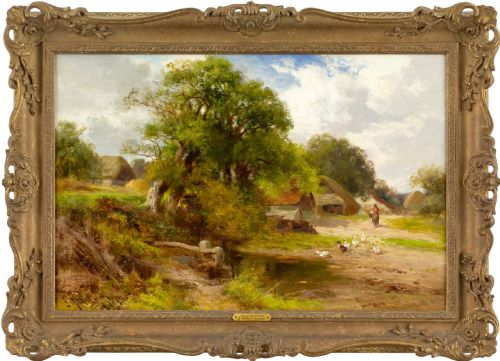
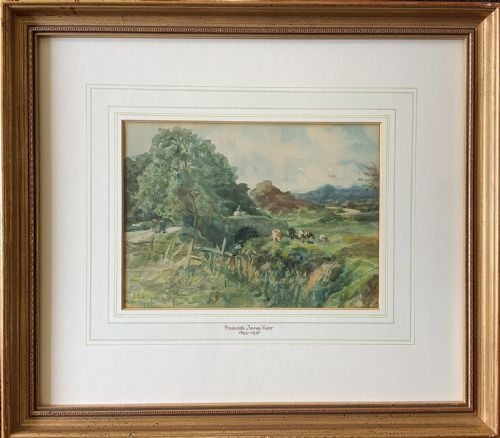
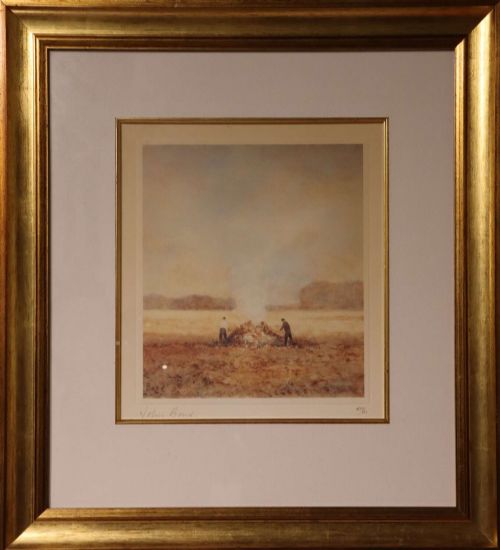
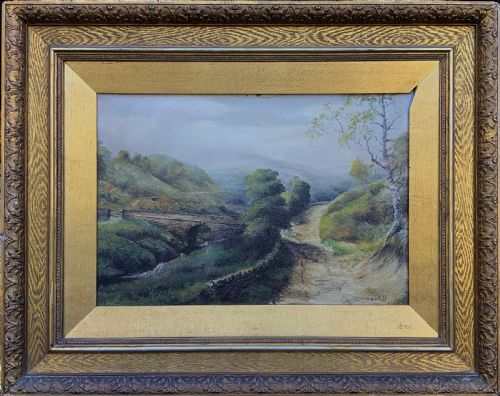
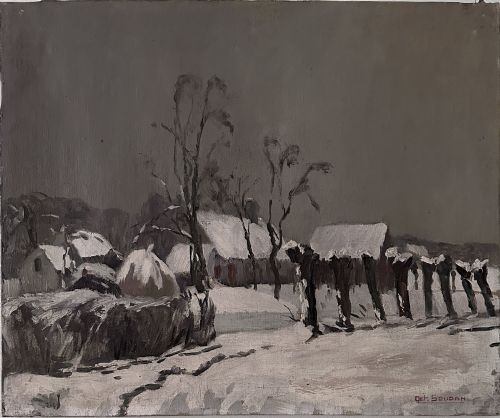
An antique rural picture presents traditional country scenes, including farmyards, cottages, livestock and pastoral landscapes, across oil and watercolour mediums. Buyers searching for an antique rural picture encounter works spanning the Victorian and Edwardian eras up to the nineteen-thirties, reflecting agrarian life across Britain and Europe.
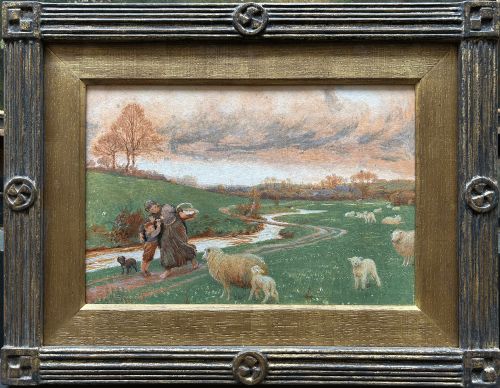
The selections on this page centre on framed paintings, panel works and watercolours executed by named artists and regional schools. Common subjects feature harvesters, shepherds with flocks, streamside cottages and winter villages.
Most pieces date from the nineteenth century into the early decades of the twentieth century. These works range from intimate watercolour sketches to detailed oil paintings on canvas, board or wood panels.
How these pieces were made
Painters of the period worked primarily with oil paint on canvas, wood panels and card, or applied watercolours onto heavyweight paper. Oil paintings offered rich colour saturation and texture, often built up in layered glazes.
Watercolour paintings relied on transparent washes of pigment on paper, sometimes accented with bodycolour to highlight details in fields and figures. Many works are preserved in their original framed presentations beneath glass or within giltwood surrounds.
Materials recorded in current stock include watercolour, oil paint, canvas, wood panels, giltwood and paper.
What varies in quality
Quality in an antique rural picture rests upon the confidence of the brushwork, the handling of natural light and the compositional balance of the landscape. Master artists achieved depth and atmospheric movement that lesser studio copies or provincial student works missed.
The integrity of the original materials also marks the standard of the piece, from stable panel supports and well-preserved canvas tension to paper free from heavy foxing. Original frames suited to the period further distinguish superior examples.
Percy Lancaster·David Bates·Charles Houben·Walter Heath Williams·John Horace Hooper·Frederick James Kerr·Sydney Yates Johnson·Henry Charles Fox·Thomas Sidney Cooper·Fred Lawson·Henry John Yeend King·Henry John Boddington·John Atkinson·Henry Bailey
The Antique Rural Picture Glossary
- Pastoral
- A style of painting depicting rural life, shepherds and agricultural scenes in an idealized or peaceful manner. These works emphasise the quiet harmony of the countryside.
- Watercolour
- A painting method where fine pigments are suspended in a water-soluble binder and applied to paper. It allows for translucent washes and delicate atmospheric effects.
- Oil on panel
- A technique where oil paint is applied directly to a prepared wooden board rather than woven canvas. Panels provide a rigid and durable support for detailed brushwork.
- Giltwood
- Timber carved and coated with a thin layer of gold leaf or metallic gilt. It was widely used for framing fine artwork during the nineteenth century.
- Impressionism
- An art movement focused on capturing the visual impression of a moment, particularly through shifting light and unblended brush strokes. It influenced many landscape painters of the late nineteenth and early twentieth centuries.
Antique Rural Picture: Frequently Asked Questions
What subjects appear in these paintings?
These works focus on traditional country life, featuring farmyards, cottages, livestock, harvesters and pastoral river landscapes. Painters recorded daily rural activities such as haymaking, sheep grazing and quiet village scenes.
Most subjects reflect the agricultural landscape of nineteenth and early twentieth century Britain and Europe. Figures and animals are frequently integrated into expansive natural settings.
How do I date a rural picture?
Dating relies on the artist's recorded working dates, stylistic clues in the clothing and architecture, and the materials used. Nineteenth century works often display heavier Victorian framing and varnished oil surfaces.
Early twentieth century pieces frequently show looser Impressionist brushwork or softer watercolour palettes. Inscriptions on the reverse of panels and canvases also provide specific locations and dates.
Were these painted outdoors?
Many watercolourists and landscape painters worked directly in the open air to capture natural light and local weather conditions. Artists gathered initial sketches and studies from rural locations before finishing larger works in the studio.
En plein air painting became increasingly common through the nineteenth century as portable watercolour boxes and prepared boards grew widely available.
How should I display an antique painting?
Position paintings away from direct sunlight and steady sources of artificial heat to protect pigments and wooden panels from fading or warping. Maintain stable room temperatures to preserve the condition of canvas, paper and frame gilding.
Ensure watercolours remain protected behind glass with appropriate mounts that prevent the paper from touching the glazing.