

Antique Royal Pottery Ornament
An antique royal pottery ornament brings nineteenth-century portraiture and portrait figures into the home through glazed earthenware and porcelain.
Antique Royal Pottery Ornament
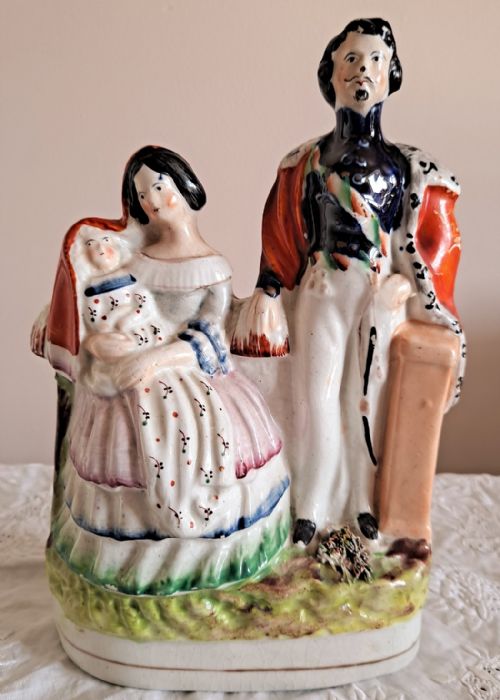
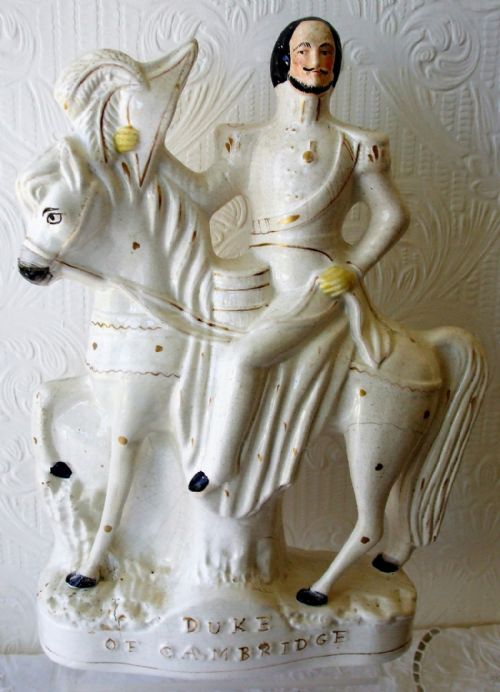
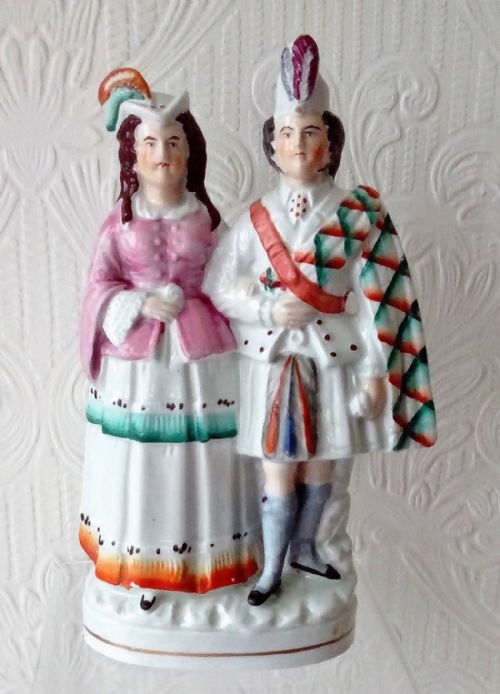
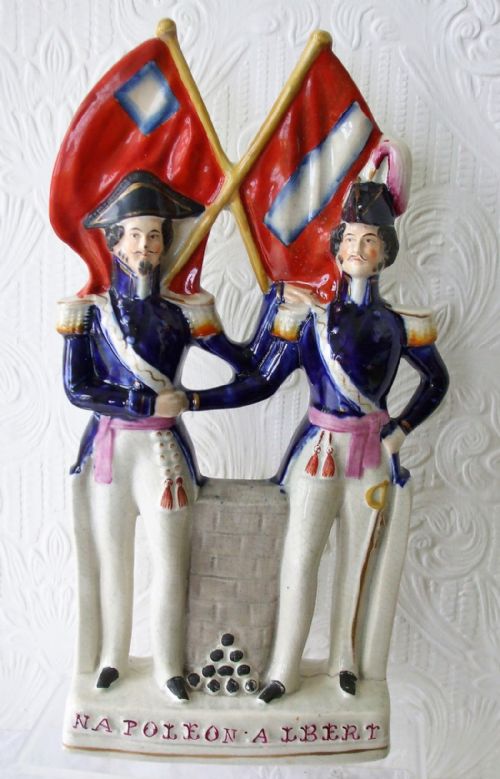
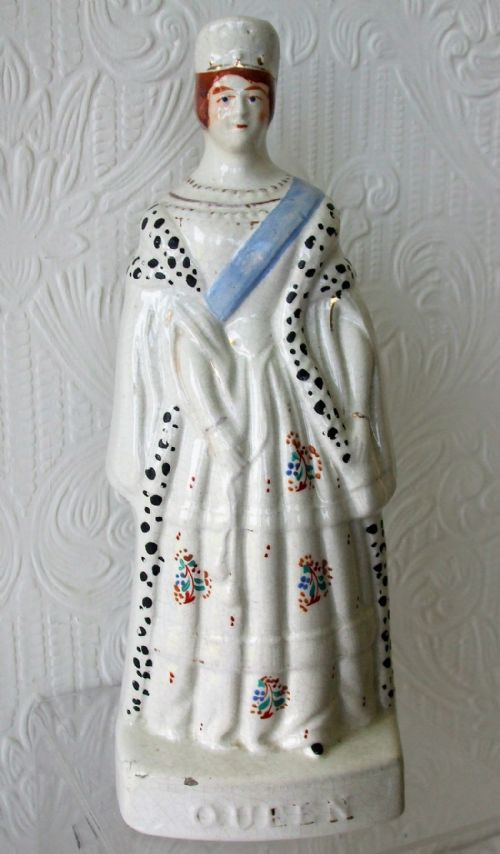
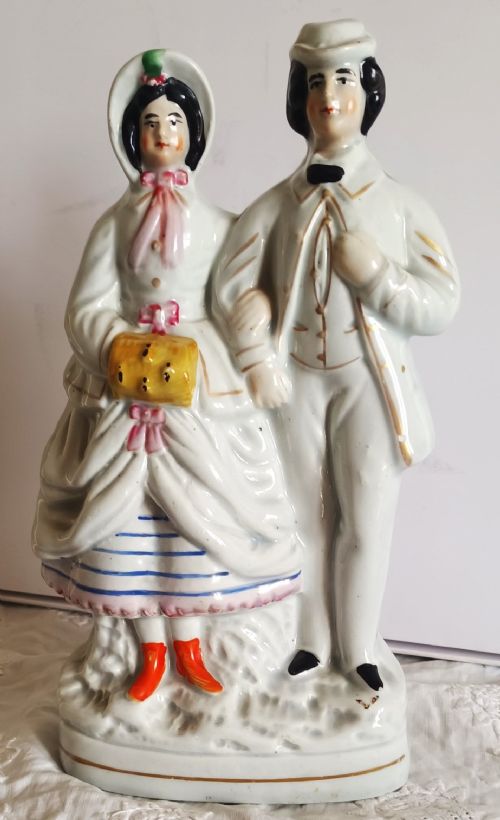
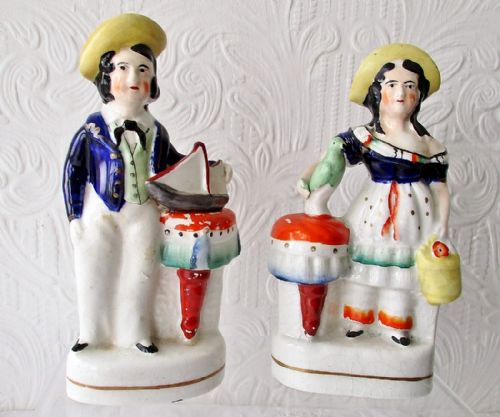
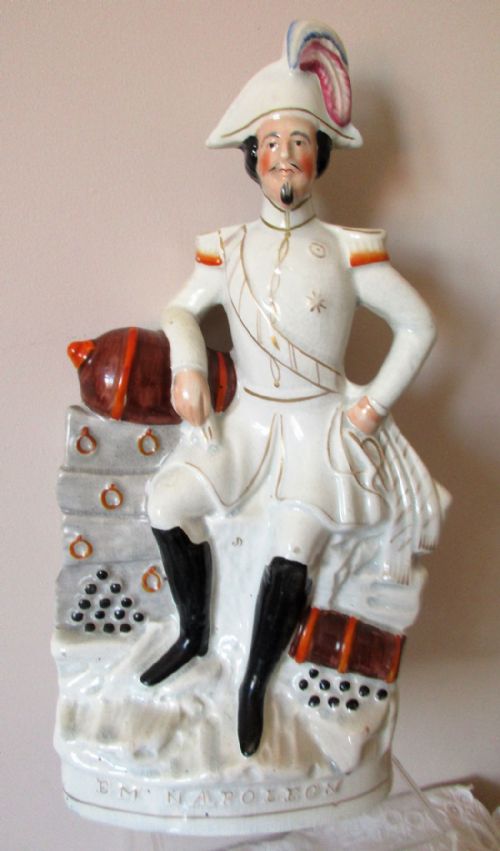
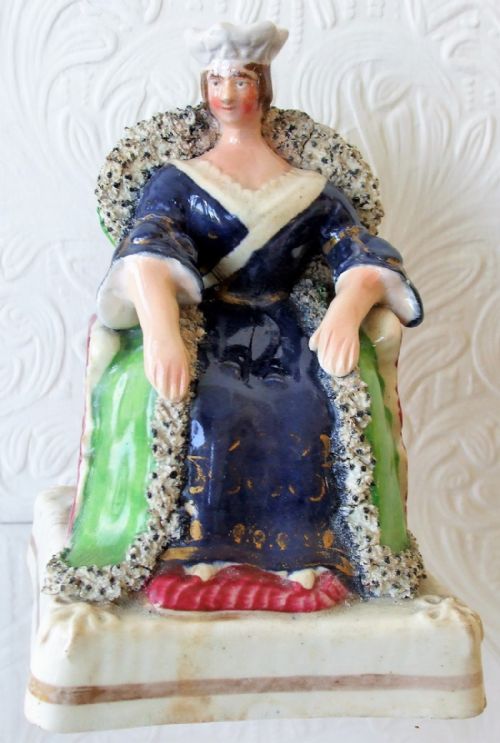
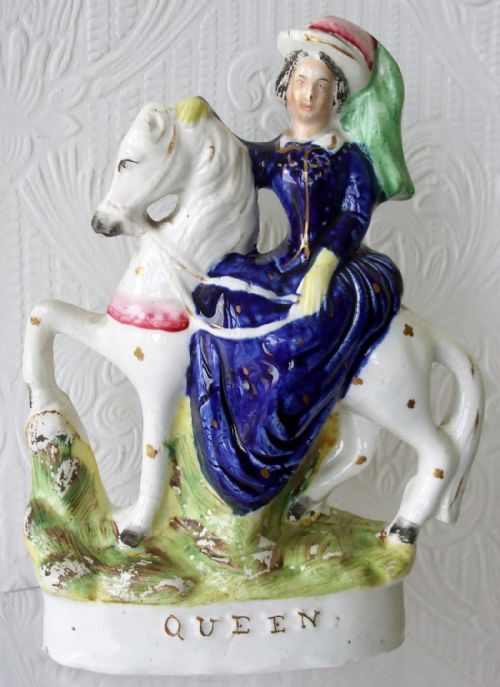
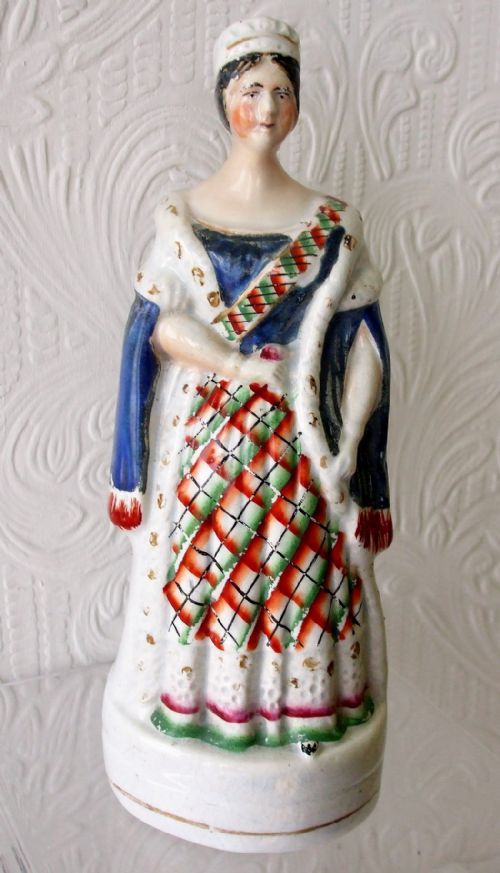
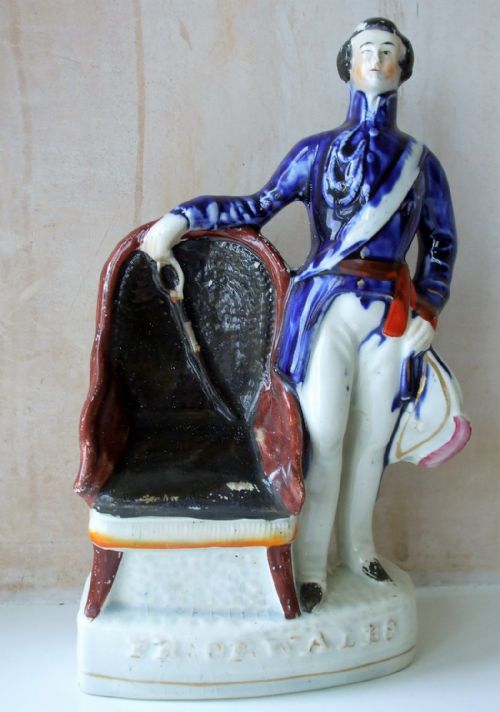
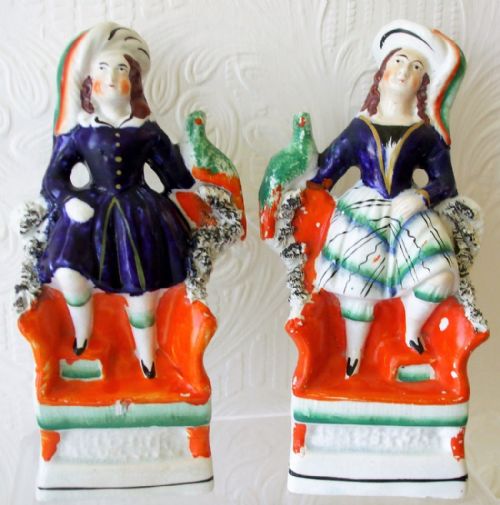
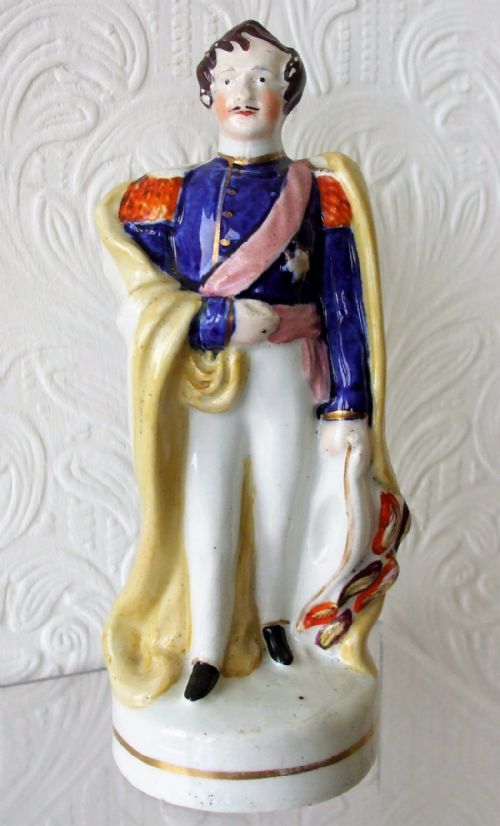
When searching for an antique royal pottery ornament, collectors examine portrait figures, flatbacks, and figurines depicting monarchs, princes, and historical groups. The most frequent versions met on this page are nineteenth-century Staffordshire earthenware figures portraying Queen Victoria, Prince Albert, and various European leaders.
These pieces encompass regional styles such as Victorian Folk Art alongside English porcelain figurines from later decades. The forms range from single standing dignitaries to paired groups and animal ornaments created for display on mantelpieces.
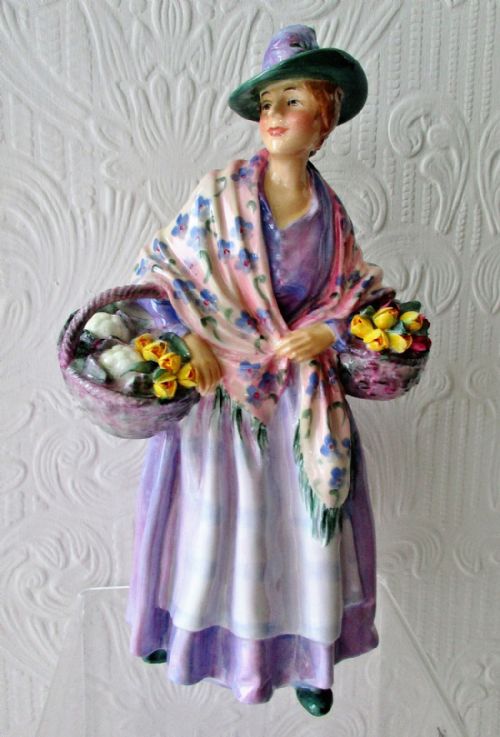
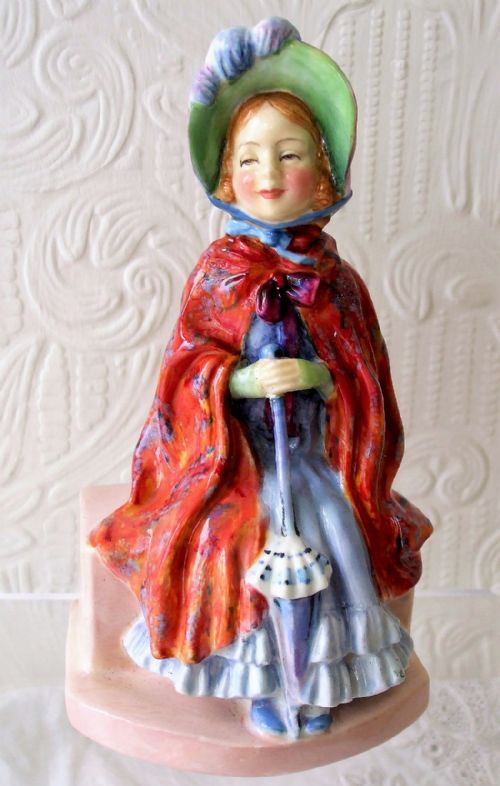
Makers represented span Staffordshire potteries alongside factories such as Royal Doulton and Royal Copenhagen. The selection moves from mid-nineteenth-century flatback pottery to twentieth-century glazed porcelain.
How They Were Made
Potters built these ornaments using earthenware and porcelain bodies shaped by moulds. Artisans applied lead glaze, enamel, and occasional gilt highlights to the ceramic surface before firing.
Antique Royal Pottery Ornament Retail Price Guide 2026
Typical asking prices for royal pottery ornament among the pieces listed under this phrase on Sellingantiques today, from the lower quarter to the upper quarter. They describe what is for sale here now, not the wider market.
Listings feature 19th-century Staffordshire earthenware alongside 20th-century porcelain figures.
What Varies in Quality
The standard of modelling distinguishes superior portrait figures from simpler work. Well-modelled pieces capture realistic facial likenesses and crisp details in clothing and regalia.
Enamel application and glaze consistency also vary across the range. Precise hand-painting and clean lead glazes elevate individual pieces above standard production runs.
Royal Doulton·Royal Copenhagen·Doulton Lambeth·Royal Dux
The Antique Royal Pottery Ornament Glossary
- Flatback
- A figure moulded with a decorated front and a flat, unpainted reverse designed to sit against a wall. These ornaments formed a staple of nineteenth-century mantelpiece decoration.
- Earthenware
- A porous pottery body fired at lower temperatures than porcelain. It requires a glaze to become waterproof and served as the primary material for Staffordshire portrait figures.
- Enamel
- Opaque glass colours applied over a fired glaze and refired at a lower temperature to bond with the ceramic surface. This technique provided the vibrant hues found on portrait figures.
- Lead glaze
- A glossy coating containing lead oxide applied to earthenware before firing. It produced a smooth, reflective surface that enhanced the underlying colours.
Antique Royal Pottery Ornament: Frequently Asked Questions
What are antique royal pottery ornaments?
These pieces are ceramic figures and portrait models depicting monarchs, royal family members, and historical dignitaries. They were produced primarily in earthenware and porcelain during the nineteenth and twentieth centuries.
Potters created them as decorative ornaments for domestic interiors, particularly for mantelpieces in nineteenth-century homes.
How were Staffordshire figures displayed?
Staffordshire portrait figures and flatbacks were designed to sit on mantels, shelves, and sideboard tops. Because their backs were often left unglazed and flat, they stood flush against cottage walls.
This arrangement allowed families to display loyalty to the crown or commemorate royal marriages and political alliances within small living spaces.
How do you tell periods apart?
Nineteenth-century pieces typically feature heavy earthenware bodies with hand-painted enamel and lead glazes, often in the flatback style. Twentieth-century examples from factories like Royal Doulton utilise refined porcelain and carry specific numeric codes.
Observing the base material, glaze type, and stylistic traits helps differentiate mid-Victorian folk pieces from later factory-produced porcelain figurines.
What subjects appear on these figures?
Common subjects include Queen Victoria, Prince Albert, the Prince of Wales, and various European rulers such as Napoleon III. Commemorative groups also depict historical alliances and royal weddings.
Makers recorded these public figures and events to satisfy popular demand for royal memorabilia during the Victorian era and beyond.