
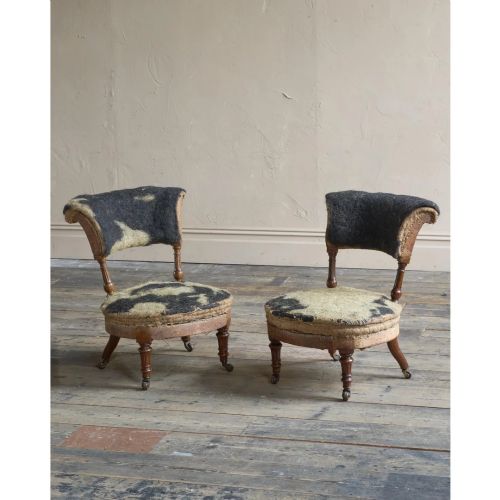
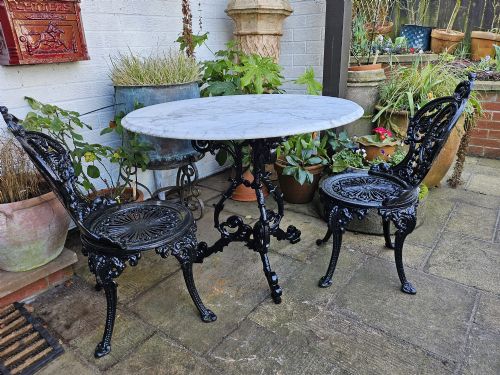
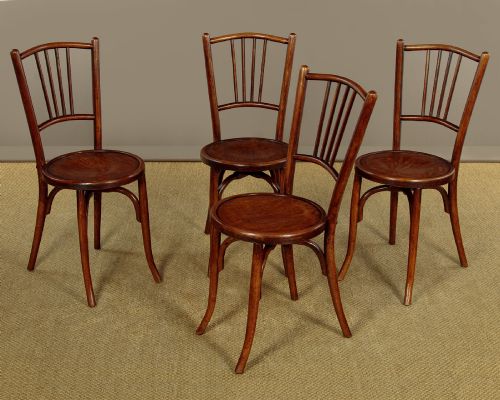
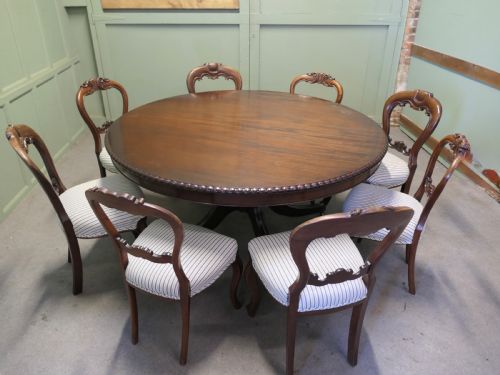


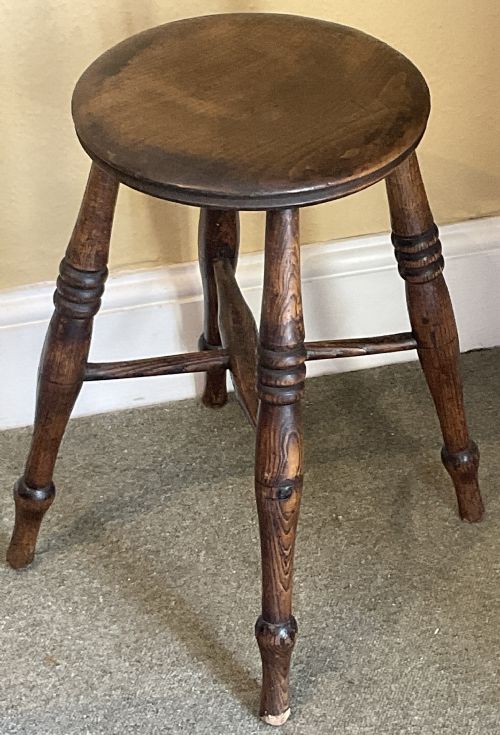


Antique Round Seat Chair
These antique round seat chair examples range from sturdy Windsor forms to refined piano stools, offering practical character for everyday sitting.
Antique Round Seat Chair
When you search for an antique round seat chair, you encounter a diverse group of seating furniture united by a circular platform rather than a standard square or rectangular pad. The selection spans piano stools, captain's chairs, nursing chairs, and bistro seating.
The pieces on this page draw from periods including the eighteenth century, the Regency era, the Victorian period, and the early twentieth century. You are likely to meet turned wooden stools, adjustable swivel piano seats, and stick-back Windsor designs.
Makers utilised woods such as mahogany, beech, elm, and rosewood, often pairing the timber seats with fabric, brass fittings, or hessian webbing. Styles reflect English country traditions alongside French bistro and formal George III influences.
How they were made
Cabinet makers and turners shaped solid timbers like mahogany, rosewood, and beech using lathes and hand tools to create stable circular seats and vertical spindles. Windsor and stick-back varieties relied on traditional socket joints where legs and spindles wedged directly into the thick wooden base.
Adjustable piano stools incorporated internal wooden or metal screw mechanisms that allowed the round seat to rise and fall when rotated. Upholstered variants utilised fabric or hessian stretched over padded foundations secured firmly to the wooden frames.
The listings span eight distinct periods, from the eighteenth century through to nineteen-thirty, demonstrating wide historical breadth.
What varies in quality
The distinction between standard examples and finer pieces lies in the choice of cabinet timber and the crispness of the turning. Dense hardwoods like rosewood and figured mahogany indicate a more ambitious workshop origin than plain beech or utility woods.
Mechanical complexity also divides the range, particularly in piano stools where smooth, reliable height adjustment machinery denotes superior craftsmanship. The integrity of the joint construction between the circular seat and the supporting legs dictates overall longevity.
Gillows·Codina
The Antique Round Seat Chair Glossary
- Windsor
- A traditional wooden chair or stool construction where legs and back spindles are fitted directly into a solid wooden seat rather than a framed chassis. This method provided robust durability for everyday domestic use.
- Piano stool
- A seat designed specifically for keyboard players, frequently featuring a circular top that adjusts in height via a central screw mechanism. These pieces often utilise polished mahogany or rosewood.
- Nursing chair
- A low-seated chair traditionally utilised for comfort during domestic tasks, often appearing in nineteenth-century forms with upholstered round seats. They sit closer to the floor than standard dining chairs.
- Stick back
- A chair or stool design utilising simple turned wooden rods or spindles to form the backrest structure. These members insert into holes bored directly into the seat board.
Antique Round Seat Chair: Frequently Asked Questions
What is an antique round seat chair used for today?
These pieces serve well as functional accent seating in studies, bedrooms, and living spaces. Adjustable variants function effectively as piano stools or dressing table seats.
Sturdier wooden versions operate as occasional chairs around desks or small tables. Their compact footprints allow them to fit into corners where standard square chairs might crowd the room.
How do I identify the period of a round seat chair?
Dating relies on observing the timber species, turning profiles, and construction methods. Eighteenth-century and Regency examples typically feature dense mahogany with hand-cut joinery.
Victorian and later nineteenth-century pieces often incorporate factory-turned components, cast-iron adjustment mechanisms, or rosewood veneers. Comparing the leg profiles to established furniture styles helps narrow the decade of manufacture.
Are adjustable piano stools mechanically reliable?
Most wooden and brass screw mechanisms engineered in the nineteenth century continue to function smoothly when maintained properly. Regular gentle rotation prevents the internal threads from binding.
Careful handling ensures the mechanism avoids strain. The engineering allows the circular top to rise and fall without losing stability.
How should I care for a wooden round seat?
Maintenance involves applying occasional appropriate furniture wax to nourish the timber surfaces and preserve the polished finish. Avoiding placement near direct heat sources prevents the wood from drying out or splitting.
Upholstered sections benefit from gentle brushing and protection from direct sunlight. Ensuring the legs remain stable on uneven floors prevents stress on the joints.