





Antique Rope Frame Mirror
An antique rope frame mirror brings texture and maritime warmth to a room through carved twisting borders of wood and gesso.
Antique Rope Frame Mirror
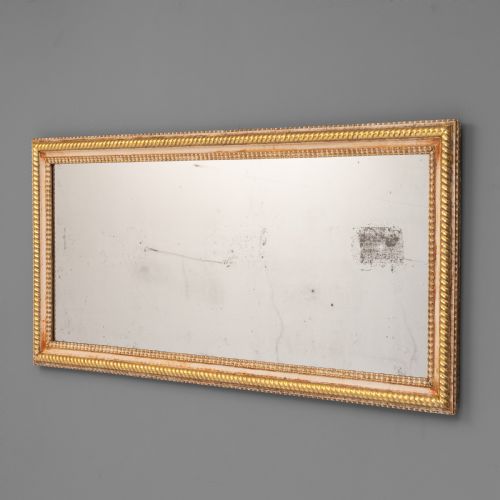
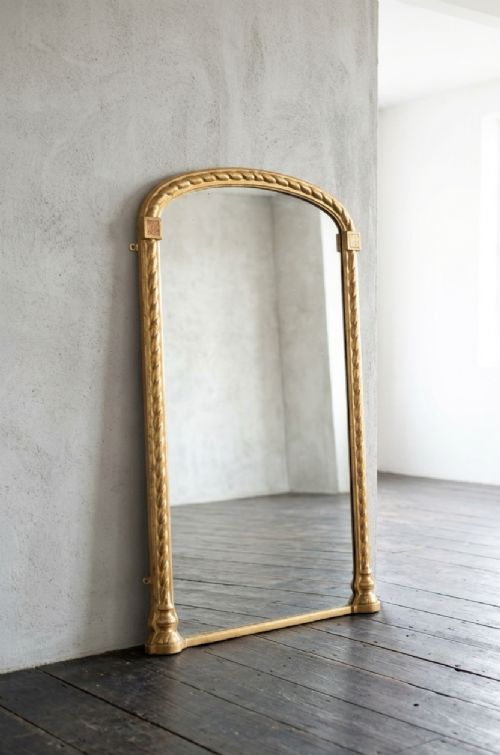
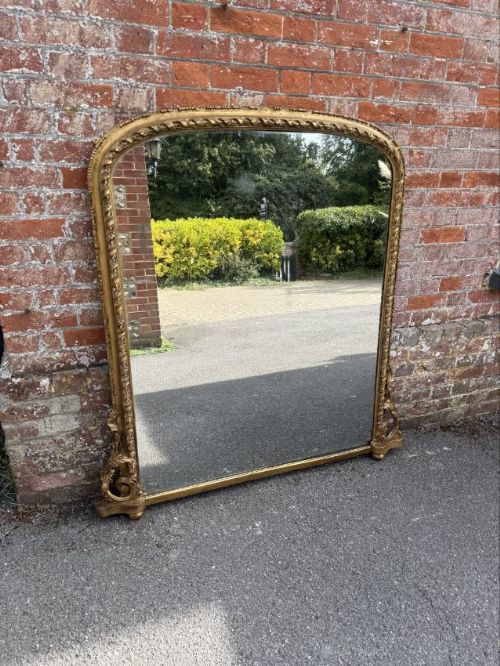
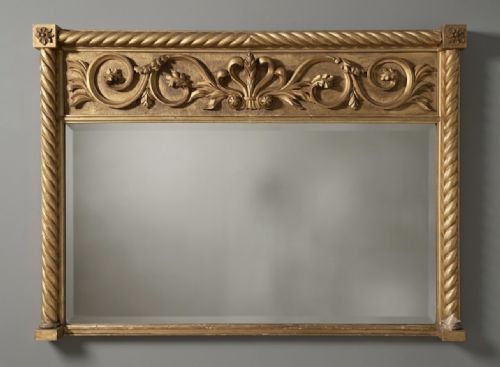
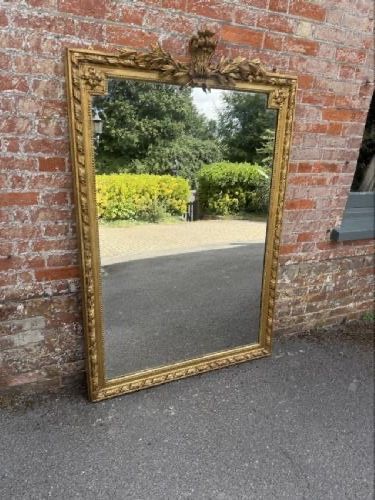
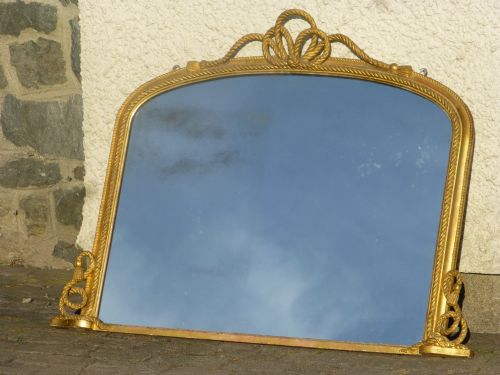
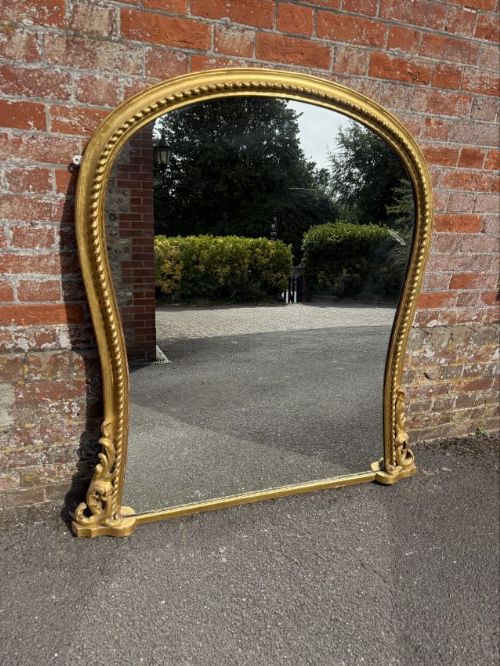
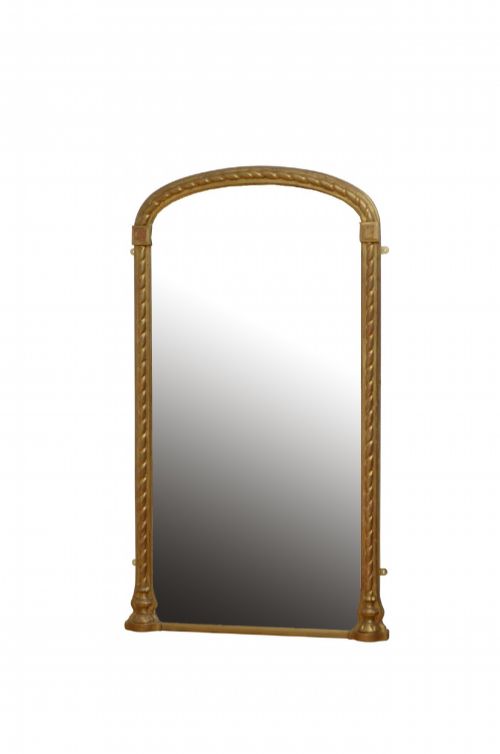
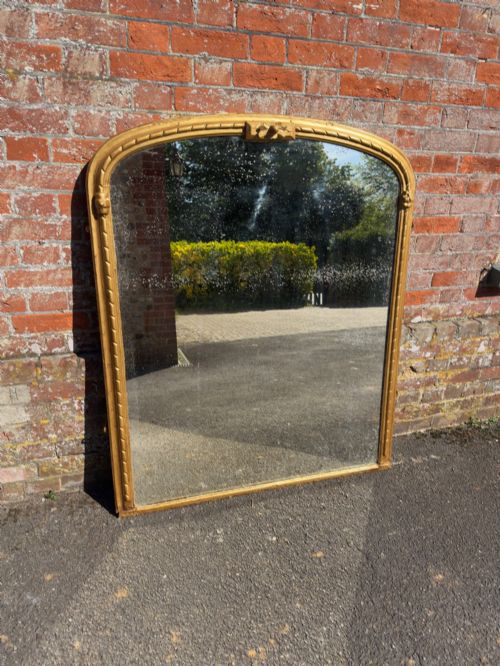
When you search for an antique rope frame mirror, you encounter decorative looking glasses produced mainly during the nineteenth century, including Victorian and Regency periods. The forms on this page span large overmantel mirrors, arched leaner mirrors, pier mirrors, and wall hanging formats.
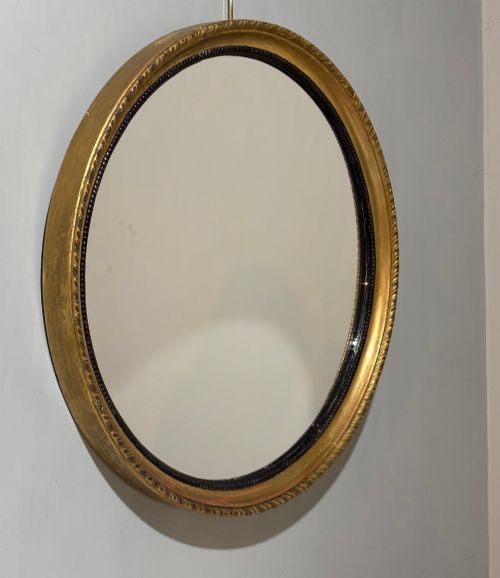
The English and French examples frequently employ an arched top or rectangular format designed to hang above a mantelpiece. Alongside these large scale pieces, circular and oval wall mirrors appear with carved rope twist or ribbed borders.
Regional variations include Spanish carved pine pieces and circular giltwood designs spanning from the Regency era into the early twentieth century. These furnishings served both practical and decorative functions in period drawing rooms and parlours.
How they were made
The construction relies on carved wood foundations shaped from pine or other timber substrates. Artisans then applied layers of gesso to build up the intricate surface details before gilding.
Gold leaf or metallic leaf finishes were laid over the gesso ground to provide the characteristic luminous surface. The rope twist and ribbed mouldings were hand carved into the wooden frame or formed within the gesso layer.
Antique Rope Frame Mirror Retail Price Guide 2026
Typical asking prices for rope frame mirror among the pieces listed under this phrase on Sellingantiques today, from the lower quarter to the upper quarter. They describe what is for sale here now, not the wider market.
Some nineteenth century carvers couldn't resist sneaking an extra twist into the rope, giving stubborn mariners a run for their knots.
What varies in quality
The precision and depth of the hand carving separate standard frames from superior examples. Crisp execution in the rope twist or hour glass ribbing demonstrates the skill of the carver.
The integrity of the gilded surface and the preservation of the original gesso moulding determine the visual impact. Heavy ornamentation combined with balanced proportions distinguishes grand scale overmantels from simpler wall mirrors.
The Antique Rope Frame Mirror Glossary
- Gesso
- A plaster based compound applied to wooden frames to create a smooth surface for gilding. It allows for crisp moulding of decorative details like rope twists.
- Giltwood
- Timber that has been coated in gold leaf or metallic powder. This finish reflects light and provides a warm metallic sheen.
- Overmantel mirror
- A large horizontal mirror designed specifically to hang above a fireplace mantel. These pieces often feature arched tops and elaborate wooden frames.
- Pier mirror
- A tall narrow mirror traditionally hung on the pier or solid section of wall between two windows. They frequently incorporate rope carving on the upright frame.
- Regency
- An English design period spanning the early nineteenth century. Characterised by classical revival motifs and refined proportions.
Antique Rope Frame Mirror: Frequently Asked Questions
How do I hang a heavy overmantel mirror?
Large nineteenth century overmantel mirrors carry substantial weight due to their timber frames and glass plates. Secure fixings into wall studs or masonry are essential to support the load safely.
Professional mirror hangers utilise heavy duty brackets attached directly to the back frame. Distributing the weight evenly prevents warping of the antique timber structure over time.
Where should I place a rope frame mirror?
Placing an overmantel mirror above a fireplace creates a traditional focal point in a reception room. The reflective glass bounces natural light deeper into living spaces.
Narrower pier mirrors suit narrower wall spaces between windows or doors. Circular variants work effectively as standalone statement pieces in hallways or bedrooms.
How do I clean a gilded frame?
Dusting gilded gesso frames requires a soft dry brush to remove particles without disturbing delicate raised mouldings. Moisture can damage old water gilding and composition ornament.
Avoid chemical cleaning solutions entirely on the frame surface. Professional conservation methods should be sought for deeper cleaning of fragile antique finishes.
What is the difference between Victorian and Regency mirrors?
Regency mirrors date from the early nineteenth century and typically display restrained classical proportions. The framing often incorporates architectural elements alongside gilded rope motifs.
Victorian pieces from the later nineteenth century tend towards heavier scaling and ornate carving. Arched top overmantels become more prominent during this later period.