

Antique Room Panels
Antique room panels are folding screens and dividers that shape living spaces, bringing warmth, texture and historic character to interiors.
Antique Room Panels
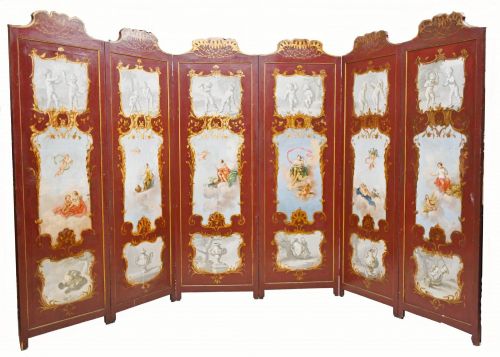
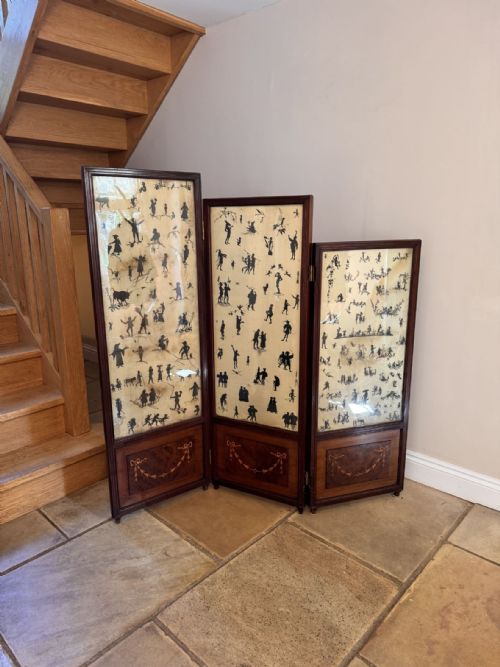
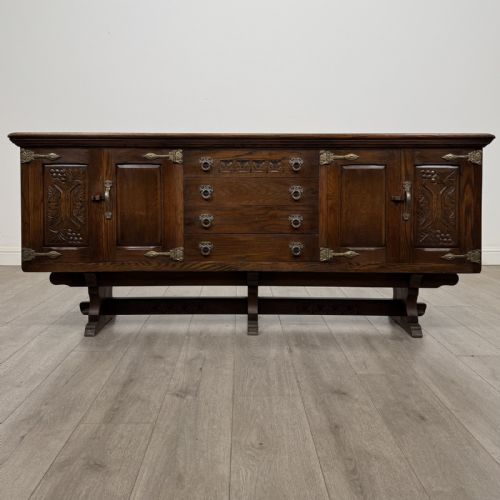
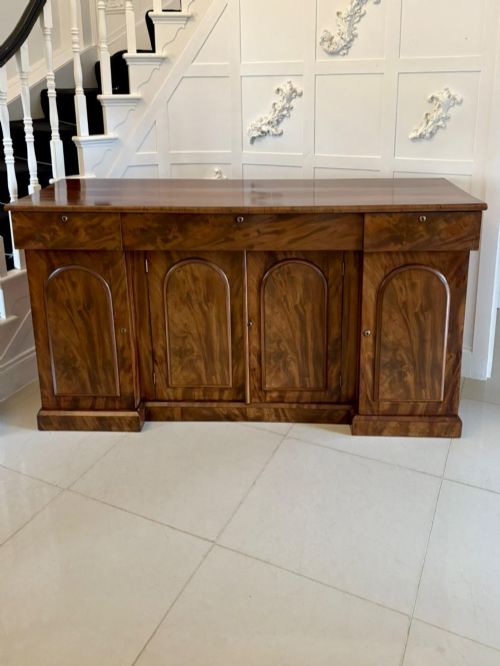
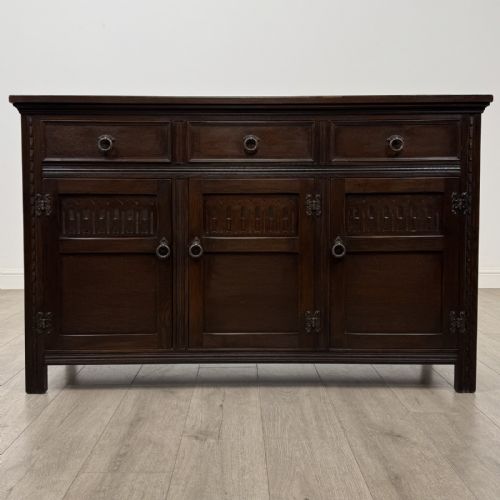
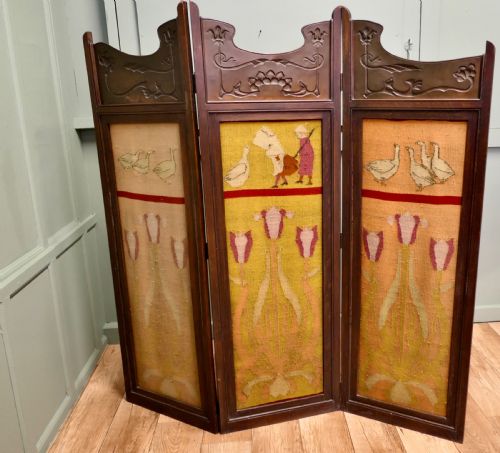
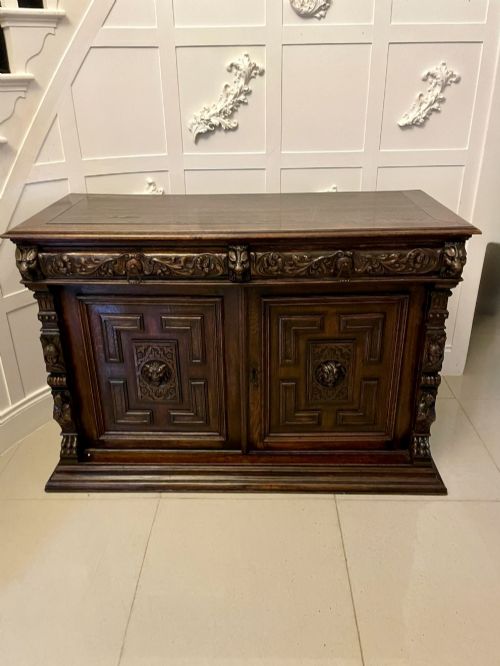
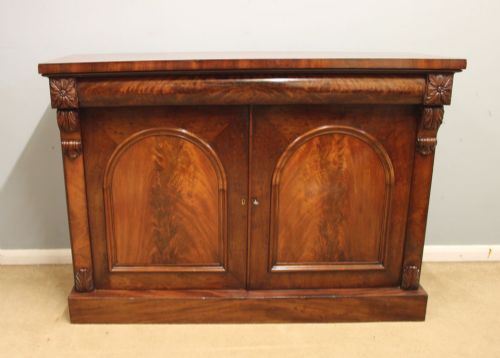
When you search for antique room panels, you are looking at folding screens, room dividers and fitted panels designed to partition living spaces or frame interiors. The pieces on this page mostly appear as multi-fold freestanding screens originating from the nineteenth and early twentieth centuries, alongside occasional sideboards and cabinet panels.
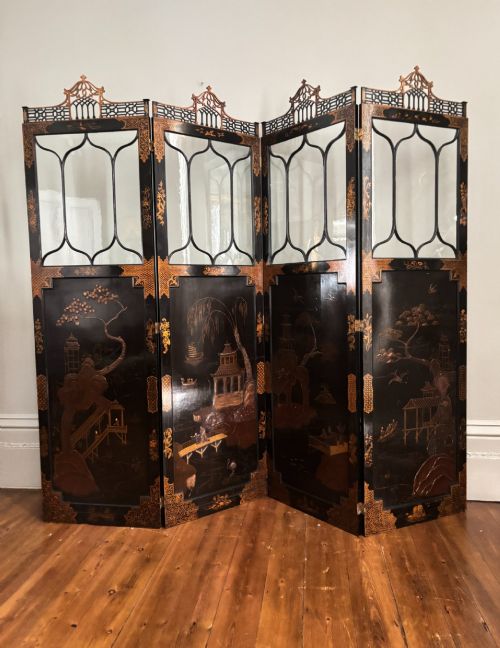
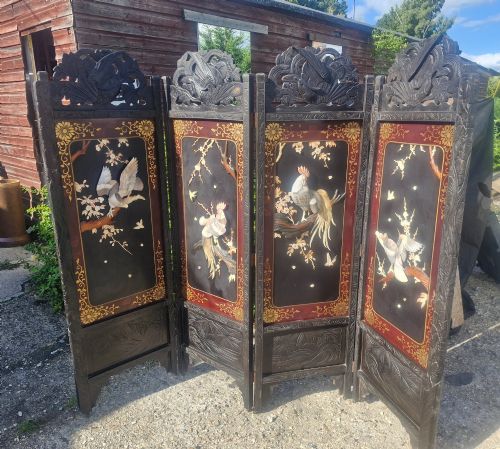
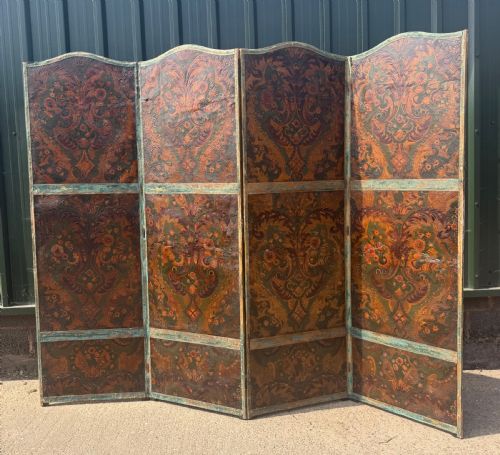
The selection ranges from British and French country-house painted canvas and leather items to intricately carved Chinese Coromandel lacquer pieces and Anglo-Indian woodwork. Styles shift from Victorian and Edwardian domestic utility to Chinoiserie and French Rococo Revival aesthetics, reflecting varied regional tastes for decorative interior divisions.
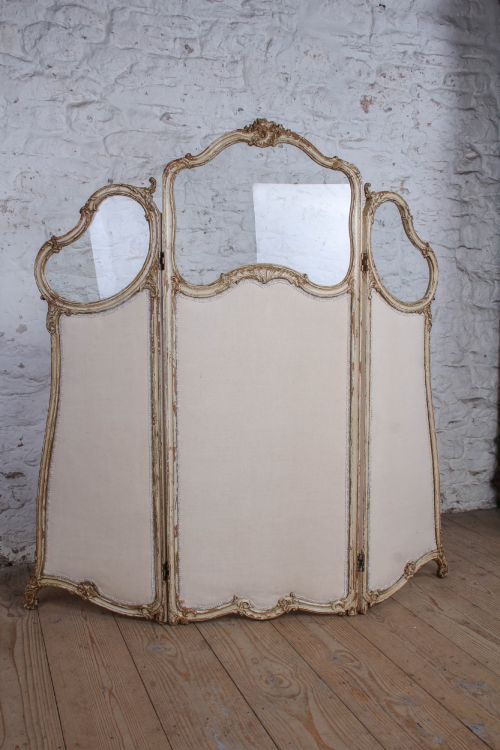
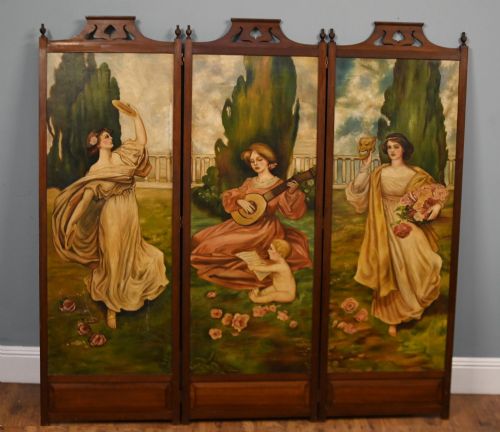
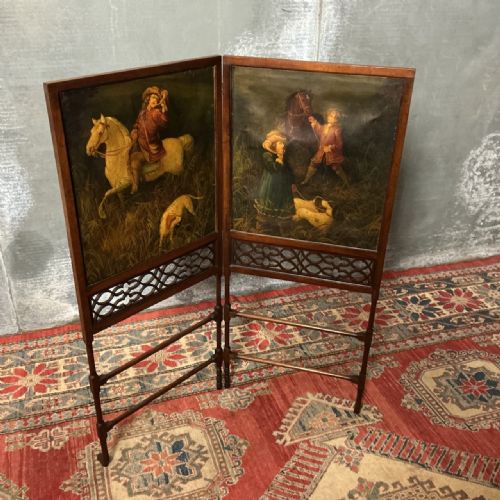
Formats vary from low three-fold dressing screens and modest fire screens to imposing eight-fold room dividers covered in needlepoint, silk, oil paint or scrap work. Buyers encounter everything from simple oak frameworks to elaborate giltwood structures fitted with bevelled glass.
How they were made
Makers built these panels using solid hardwoods such as mahogany, oak, walnut and teak, alongside softer pine framing for fabric or paper coverings. Joinery relied on traditional framing techniques to support heavy hinges and folding leaves without warping.
Surface decoration involved diverse specialist methods, including hand-painted oil scenes, giltwood carving, lacquer work with incised bone figures, and hand-tooled Cordoban leather. Artisans also integrated textiles such as wool, needlepoint, jacquard and silk directly into the wooden frames.
Antique Room Panels Retail Price Guide 2026
Typical asking prices for room panels among the pieces listed under this phrase on Sellingantiques today, from the lower quarter to the upper quarter. They describe what is for sale here now, not the wider market.
Listings feature room panels spanning the eighteenth, nineteenth, and early twentieth centuries, utilising materials like brass, glass, oil paint, and leather.
What varies in quality
The calibre of an antique room panel rests on the execution of its decorative surface, from the depth of hand-carved bone figures and lacquered layers to the precision of painted pastoral scenes. Finer examples display meticulous attention to detail across every fold, whereas simpler pieces rely on standard commercial textiles or basic painted finishes.
Structural integrity also separates the tier of pieces, seen in the weight and durability of the timber framing, the original quality of the brass or iron hinges, and the stability of multi-fold joints. Pieces that retain their original unblemished leather, unbroken lacquer or intact oil paintings command greater appreciation.
M. D. Miller and Sons
The Antique Room Panels Glossary
- Coromandel
- A type of Chinese incised lacquer ware where designs are carved into a dark ground and filled with pigments or gold. This technique is frequently found on grand multi-fold screens.
- Chinoiserie
- European theatrical interpretation of Chinese and East Asian artistic traditions, popular in furniture decoration and screen panels. It often incorporates motifs of figures, pavilions and landscapes in lacquer or paint.
- Mashrabiya
- An architectural window or partition element formed of wooden lattice turning, occasionally adapted into large freestanding room dividers. It creates patterned light and privacy.
- Verdure
- A style of tapestry or painted landscape depicting lush foliage, trees and sometimes animals. These scenes are typical of Flemish and European decorative panels.
- Modesty screen
- A small portable privacy screen historically placed in rooms to shield occupants from drafts or observation. They often feature painted panels or fabric inserts.
Antique Room Panels: Frequently Asked Questions
How were antique room panels used?
These pieces served primarily to divide large rooms into intimate zones, block cold drafts from doors and windows, and provide privacy for dressing or resting. Domestic spaces utilised them flexibly as movable walls rather than fixed architectural partitions.
Over time, owners also repurposed decorative panels simply as wall art or decorative backdrops within reception rooms and hallways.
Where should I place a folding screen?
Folding screens work well positioned across open corners, behind seating groups to anchor furniture arrangements, or along plain walls to introduce texture and historic colour. Their mobility allows owners to alter room layouts easily.
Placement should avoid direct, strong sunlight to protect delicate textiles, oil paints, and aged lacquer finishes from fading or cracking.
How do I care for painted leather panels?
Painted and gilt embossed leather requires a stable environment away from extreme humidity and direct heat sources that can dry out the material. Dusting should be done gently with a dry, soft cloth.
Avoid using commercial polishes or liquid cleaners on historic leather or painted surfaces, as moisture can lift old pigments and binders.
What is the difference between Coromandel and lacquer?
Coromandel refers specifically to Chinese incised lacquer where designs are carved deep into the dark ground to reveal contrasting layers beneath. Standard lacquer work involves building up multiple smooth resin coats that may be painted or gilded on the surface.
Both techniques require skilled craftsmanship, but Coromandel pieces present a distinct textured, recessed relief.