





Antique Room Interior Painting
These antique room interior painting works capture domestic and formal spaces in oil and watercolour, offering a window into past domestic lives.
Antique Room Interior Painting
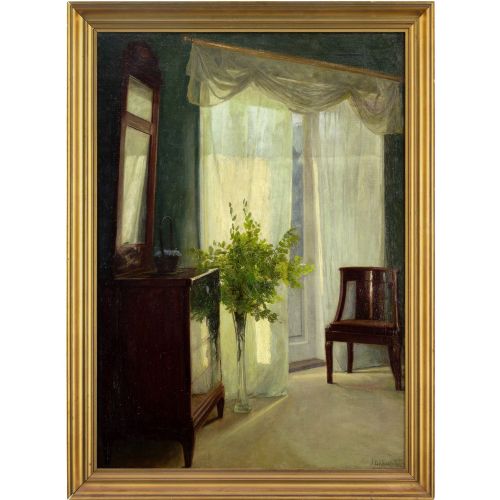
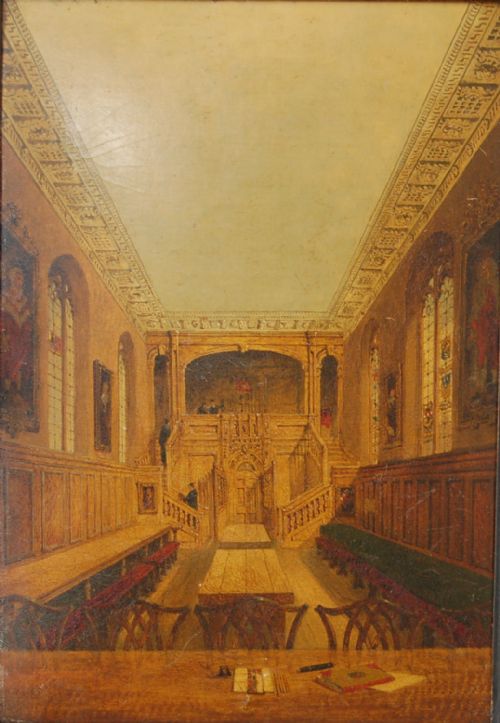
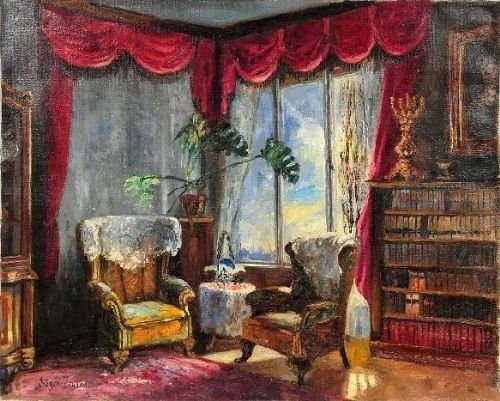
When you search for an antique room interior painting, you examine depictions of domestic spaces, formal halls, and stately rooms rendered across various centuries. The pieces range from intimate cottage studies to grand galleries and drawing rooms.
The selections span the eighteenth century, the Victorian era, and early twentieth-century British and Scandinavian realism. You meet both named artists and works attributed to English school painters working across these periods.
Most examples present rooms populated with period furniture, decorative wall panels, and figures engaged in daily routines or quiet contemplation. These artworks document the changing tastes in interior decoration and social life over generations.
Assessing quality and execution
Quality rests upon the artist's handling of perspective, light sources, and architectural detail within the room. Superior works successfully balance the play of natural light through windows with the rendering of interior furnishings and textiles.
The precision in depicting human figures interacting with their surroundings distinguishes finer examples from simpler student or vernacular pieces. Preservation of the original paint layer and the character of the period frame also contribute to the standing of an individual work.
The listings encompass works from the eighteenth, nineteenth, and twentieth centuries, executed in watercolour and oil on canvas or wood panel.
John Lübschitz·Francis Alleyne·Margaret Thompson·Elinor Margaret Charteris·Joseph Murray Ince·John Exley·Karl Viktor Mayr·Søren Josva Christensen·Ernest Forbes
The Antique Room Interior Painting Glossary
- Watercolour
- A painting method in which the paints are made of pigments suspended in a water-based solution. These works are typically executed on paper and require glass protection.
- Oil on Canvas
- A traditional painting technique utilising pigments bound with a drying oil applied to stretched woven fabric. This medium allows for rich blending and textured brushwork.
- Wood Panel
- A rigid wooden support used by artists instead of canvas for painting. Panels provide a stable surface that preserves fine details.
- Gilt Wood
- Wood that has been treated with a thin layer of gold leaf or gold paint. Frames utilising this technique often accompany formal interior paintings.
- Topographical
- A genre of art focusing on the accurate depiction of specific places, buildings, or rooms. These works serve as visual records of historical locations.
Antique Room Interior Painting: Frequently Asked Questions
How should I care for a watercolour interior painting?
Watercolour works on paper require protection from direct sunlight to prevent fading of the pigments and discoloration of the paper support. Glazing with appropriate framing glass helps shield the delicate surface from airborne pollutants and moisture.
Maintaining stable temperature and humidity levels in the room where you hang the piece ensures the long-term preservation of both the paper and its period frame.
What is the difference between oil on canvas and wood panel works?
Oil on canvas utilises a flexible woven fabric stretched over a wooden frame, which yields a characteristic texture and resilience. Wood panel works provide a completely rigid surface that allows for meticulous detail and a smooth finish.
Both supports were utilised across different centuries, with panel paintings often found in smaller formats or specific regional traditions.
How can I identify the date of an interior painting?
Dating relies upon stylistic clues within the depicted furniture, clothing, and architectural decorations, alongside artist signatures or documented exhibition histories. Comparative study of period interior design helps narrow the decade of creation.
Written records, labels on the reverse, and framing styles also offer reliable evidence for establishing the historical context of the artwork.