
Antique Rococo Overmantel
An antique rococo overmantel brings sculptural rhythm and bright reflection to a room, framing nineteenth-century interiors with asymmetrical curves and gilded depth.
Antique Rococo Overmantel
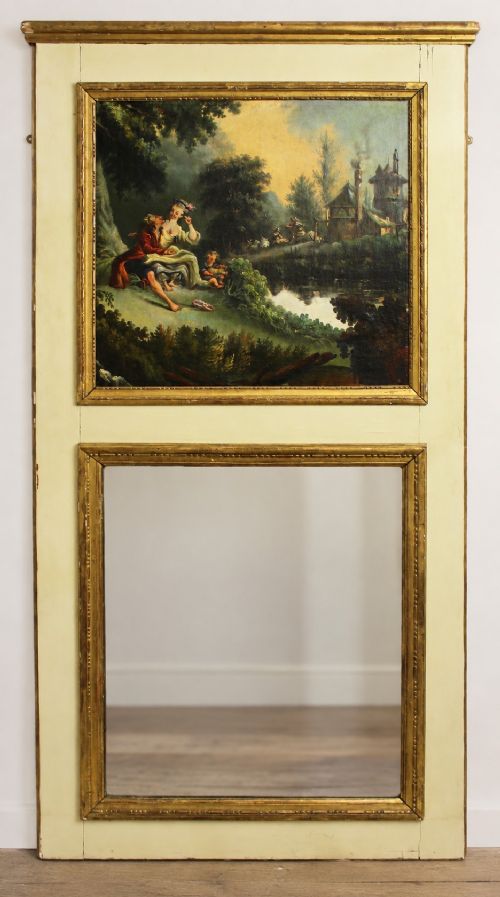
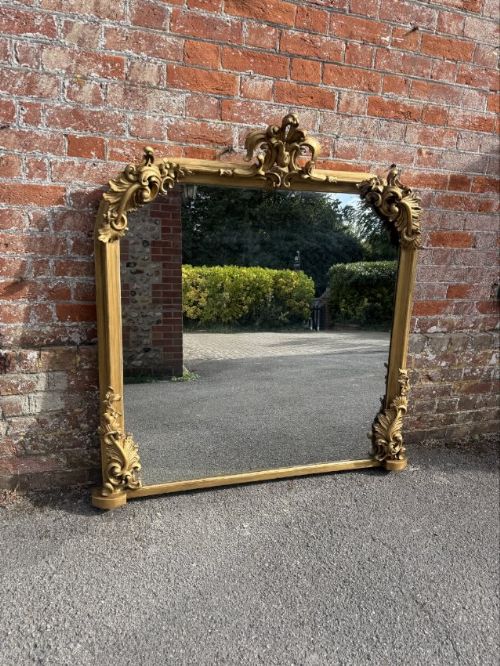
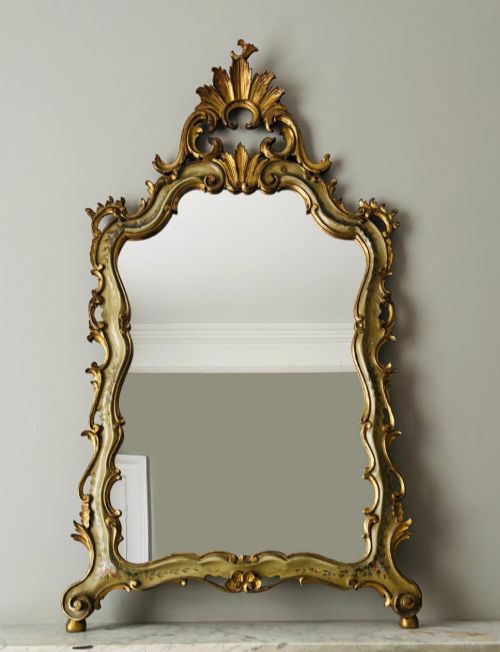
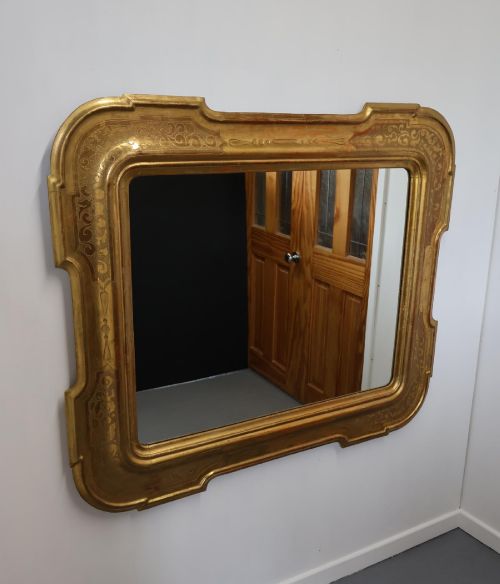
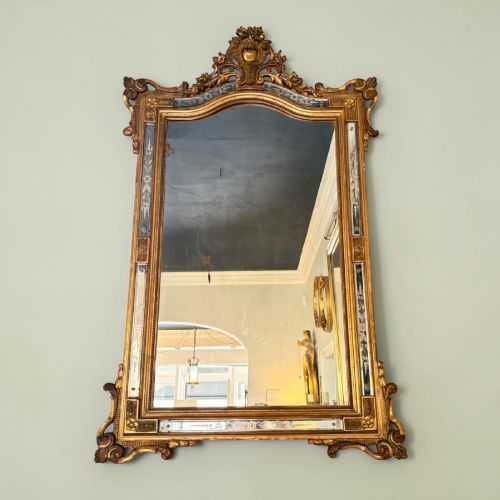
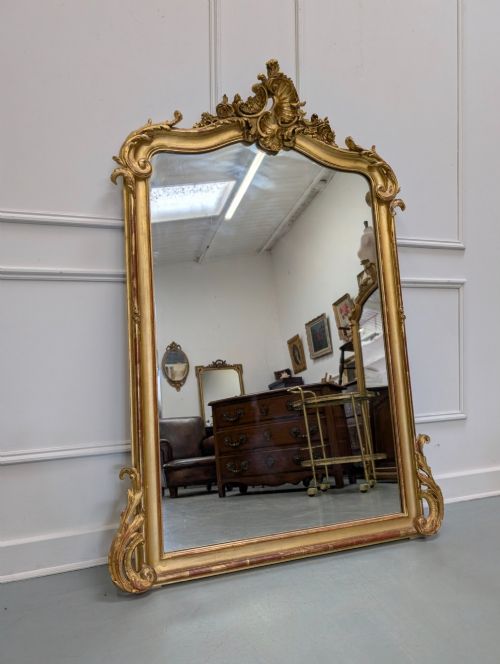
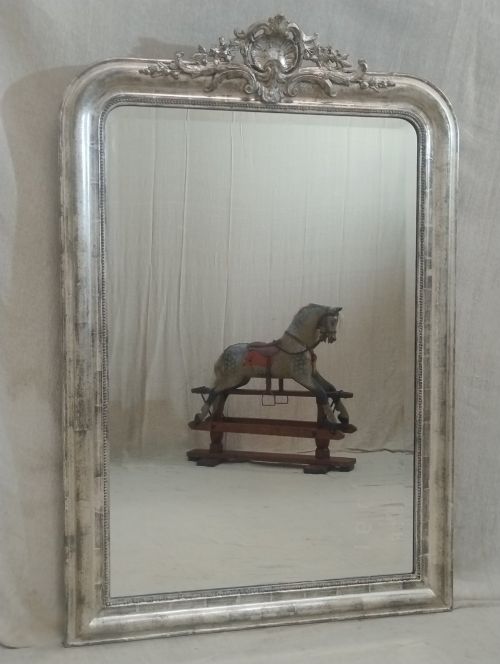
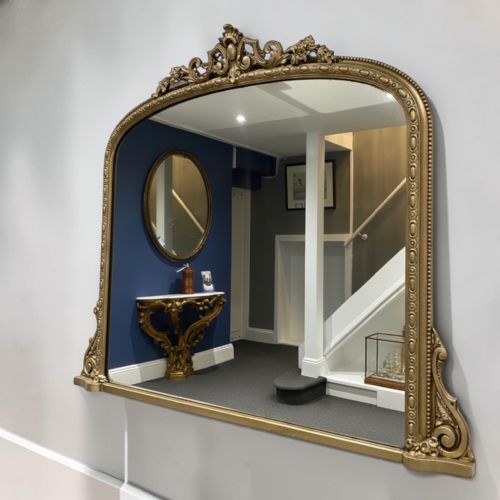
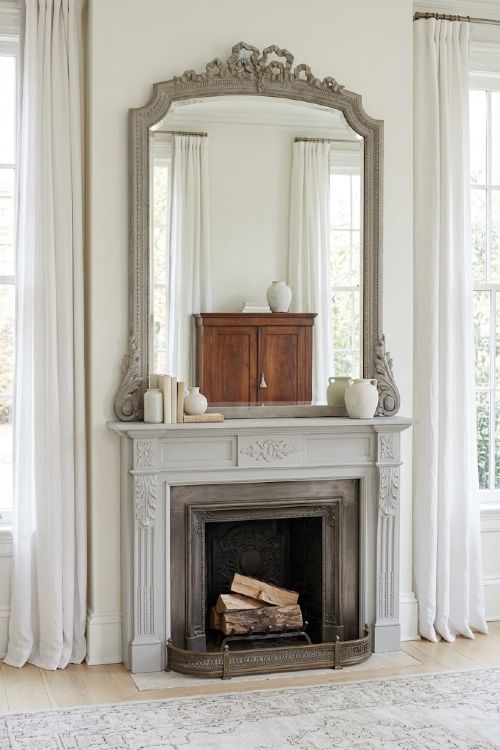
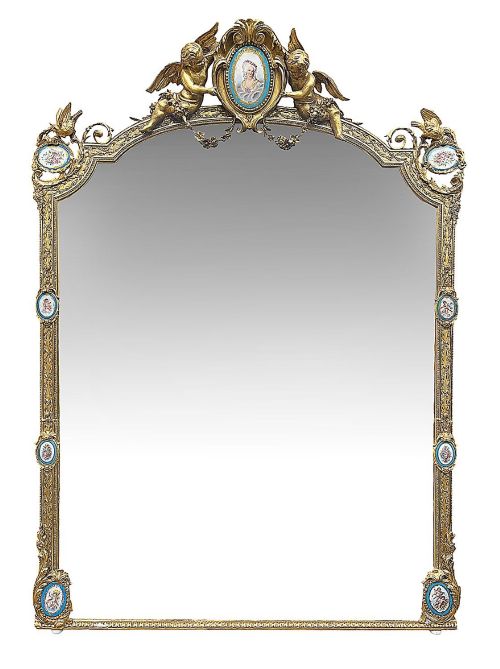
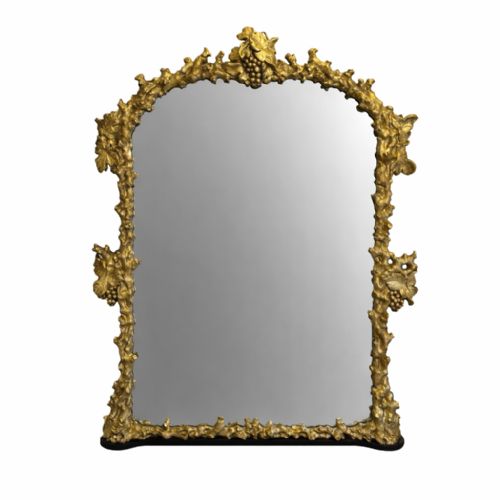
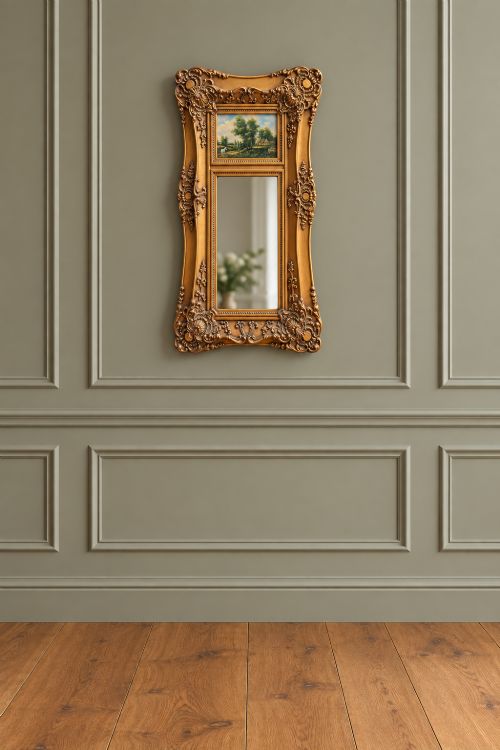
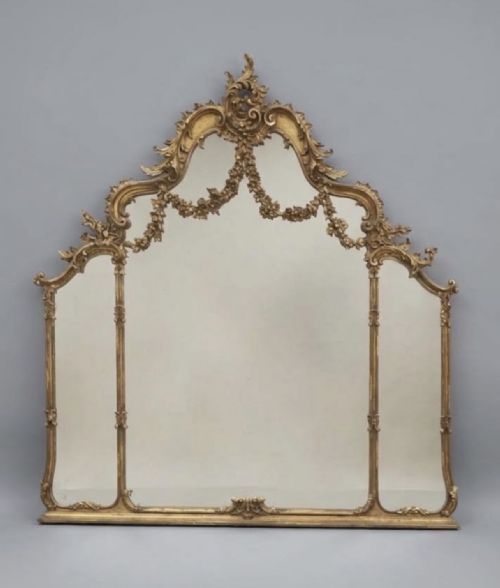
When you search for an antique rococo overmantel, you are looking at large, architectural wall glasses designed to sit above a fireplace hearth. The versions you are most likely to meet on this page date from the nineteenth century, drawing heavily on French Louis XV forms and Victorian revival tastes. They arrive in formats ranging from grand carved giltwood statement pieces to tall trumeau frames complete with pastoral oil paintings.
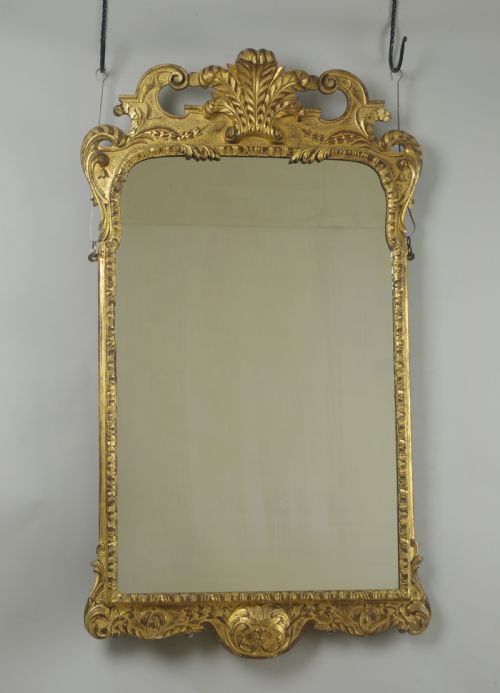
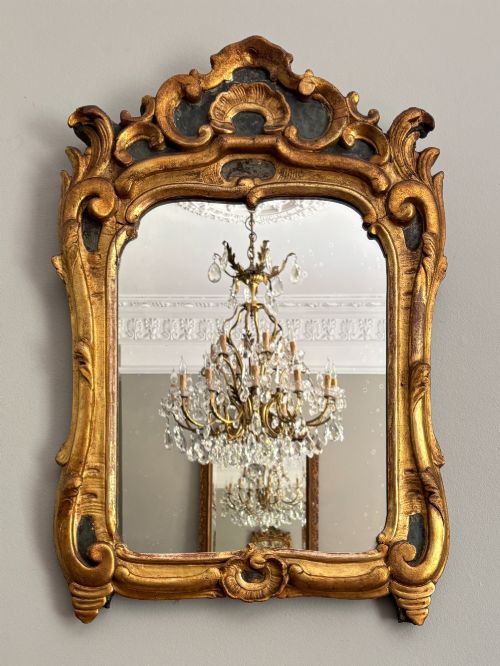
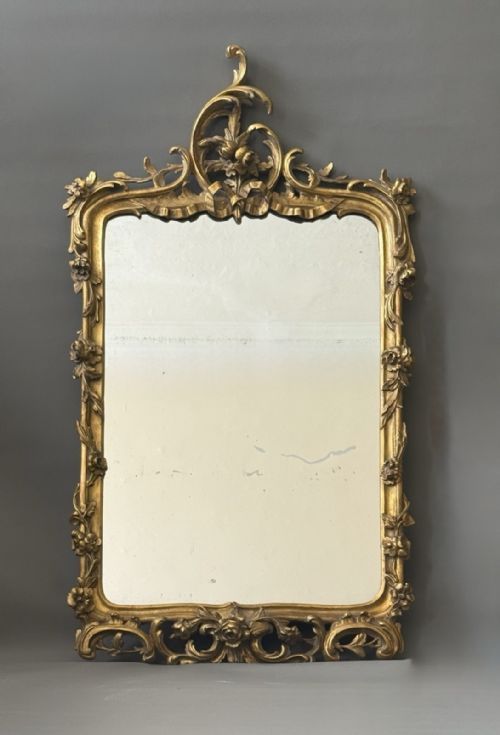
Many of these frames display characteristic C-scrolls, foliate carving, and shaped crests that dominate the mantelpiece. French and Italian examples appear frequently alongside English interpretations, often utilising gesso over carved wood to achieve high-relief ornamentation. Some pieces incorporate triple plates or mercury glass bearing age foxing, connecting the domestic interior directly to earlier craftsmanship.
What varies in quality
The depth and crispness of the hand-carved detail separate ordinary frames from exceptional ones, particularly where gesso has been modelled rather than moulded. Superior examples display sharply defined scrollwork and organic asymmetry that feels balanced rather than mechanical. The quality of the gilding also dictates visual success, with layered gold leaf catching light with a warmth that cheaper metallic paints lack.
Integrity of the original mirror plate adds considerable distinction, especially when mercury glass survives with undisturbed foxing rather than modern replacement glass. The structural soundness of the wooden chassis determines how well the frame bears its own immense weight over time without sagging at the mitred corners.
Listings feature nineteenth-century French and Italian giltwood frames alongside oak structures and mercury glass plates.
The Antique Rococo Overmantel Glossary
- Overmantel
- A large mirror specifically designed to hang on the wall directly above a fireplace mantelpiece. These pieces often dictate the decorative scale of the entire room.
- Gesso
- A plaster-like mixture applied to a wooden frame and carved or moulded into intricate relief decorations before gilding. It provides a smooth base for gold leaf.
- Trumeau
- A decorative wall panel that incorporates a mirror alongside an oil painting or carved woodwork. They originated in eighteenth-century French interior architecture.
- Mercury glass
- An early type of mirror plate created by pouring a liquid mercury and tin amalgam between two sheets of glass or onto the back of a single plate. Over decades, this backing deteriorates into atmospheric dark spots known as foxing.
- Giltwood
- Timber that has been coated with a thin layer of gold leaf or powder over a prepared ground. It remains the defining finish for grand nineteenth-century wall mirrors.
Antique Rococo Overmantel: Frequently Asked Questions
How do I hang a heavy overmantel mirror?
These frames require substantial wall fixings secured directly into masonry or heavy timber studs using reinforced brackets. Professional installation is essential due to the combined weight of the thick wooden frame and glass plate.
Weight distribution should be shared across multiple points along the lower and upper framework to prevent the hanging wire or brackets from failing under sustained tension.
Where should an overmantel be placed?
Traditionally positioned centrally above a fireplace mantelpiece, an overmantel reflects light and visually expands the proportions of the reception room. Placing it opposite a window maximises natural illumination throughout the space.
Height matters significantly when positioning the frame above a hearth, ensuring the bottom edge sits comfortably just above the mantel shelf without crowding decorative objects below.
How do I clean antique mirror glass?
Use a soft, dry microfiber cloth to remove dust gently from both the glass and the surrounding gilded wood frame. Avoid spraying liquids directly onto the mirror surface, as moisture can seep behind the plate and accelerate damage to the silvering or mercury backing.
Harsh commercial cleaning chemicals will strip historic finishes from the gesso and wood, so mild soap solutions applied sparingly to a cloth represent the safest approach for stubborn marks.
What is foxing on mirror glass?
Foxing refers to the small dark spots and mottled patches that develop naturally across antique mirror plates as the silvering or mercury backing ages. This chemical breakdown creates a distinctive speckled appearance rather than uniform reflection.
Collectors prize genuine foxing as proof of age and authenticity, distinguishing eighteenth and nineteenth-century glass from modern replacements.