

Antique Rocker Chair
An antique rocker chair brings rhythmic movement and domestic comfort to a room, ranging from robust country Windsors to slender bentwood designs.
Antique Rocker Chair
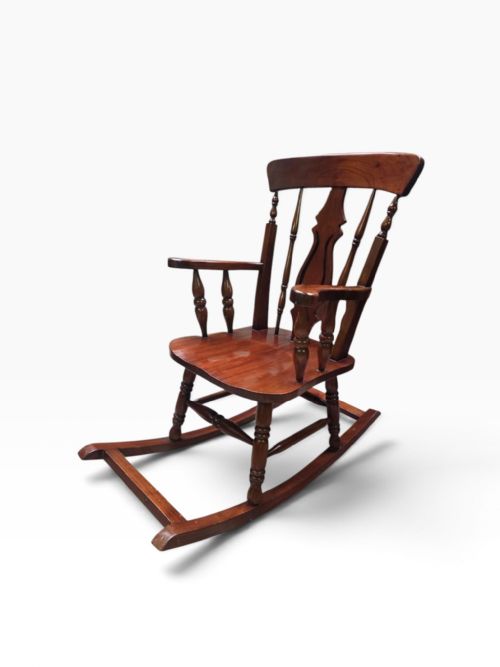
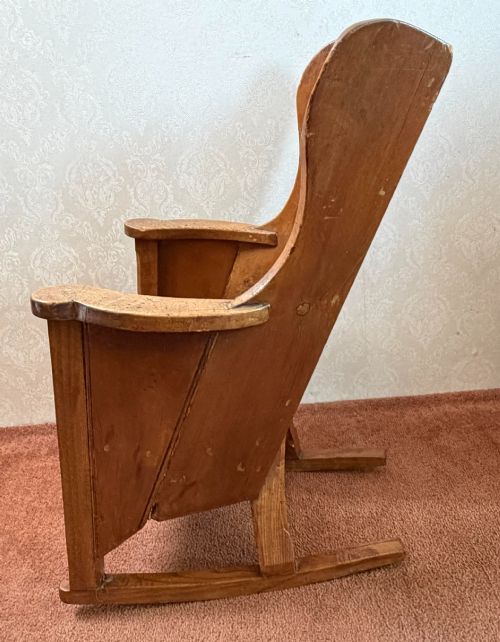
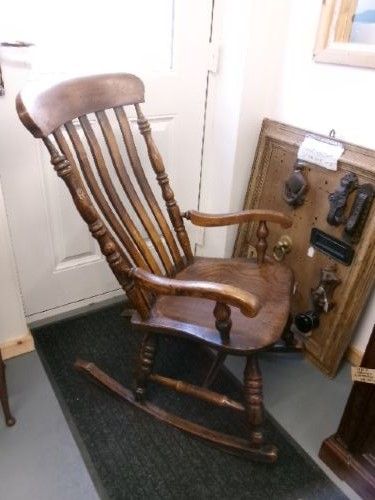
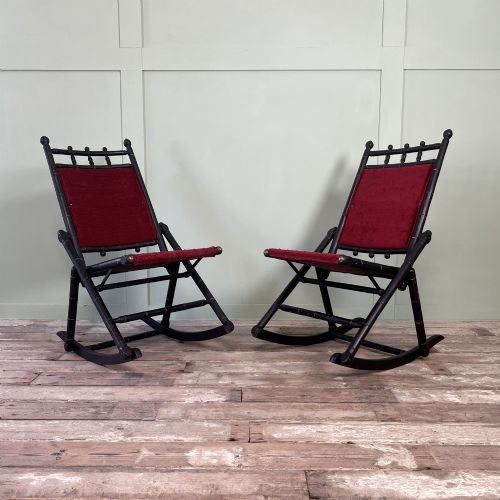
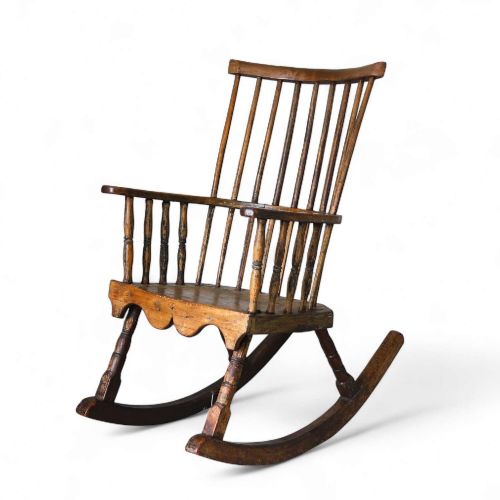
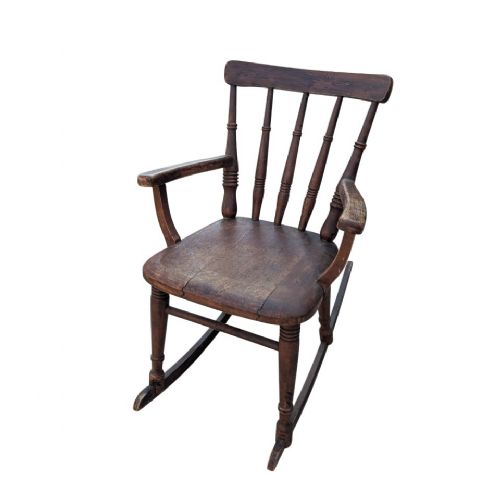
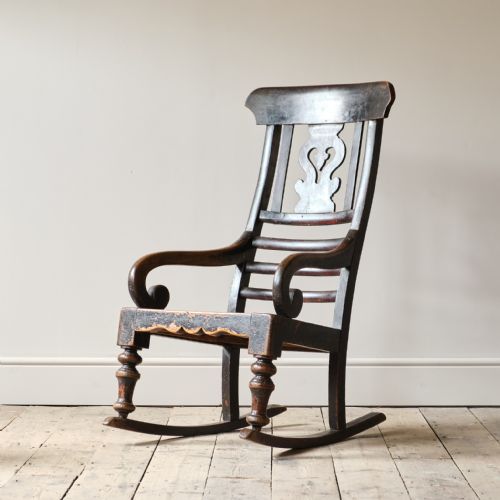
An antique rocker chair spans several centuries of domestic seating, with the nineteenth century supplying the largest share of surviving examples. These pieces appear in various forms, from substantial farmhouse Windsors and vernacular comb-backs to delicate child seats and folding garden loungers.
Regional variations emerge clearly across the selection, encompassing English country workshops, Scottish vernacular framing, and American-influenced patterns. Buyers encounter both full-sized fireside armchairs and smaller occasional seating designed for nurseries and parlours.
Materials and construction
Timbers dictate the character of these chairs, with native hardwoods such as oak, elm, ash, beech, and mahogany providing structural integrity. Makers frequently combined timbers within a single frame, pairing elm seats with ash spindles or beech frames.
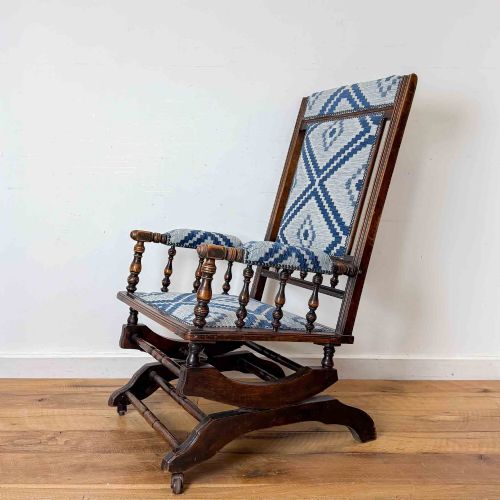
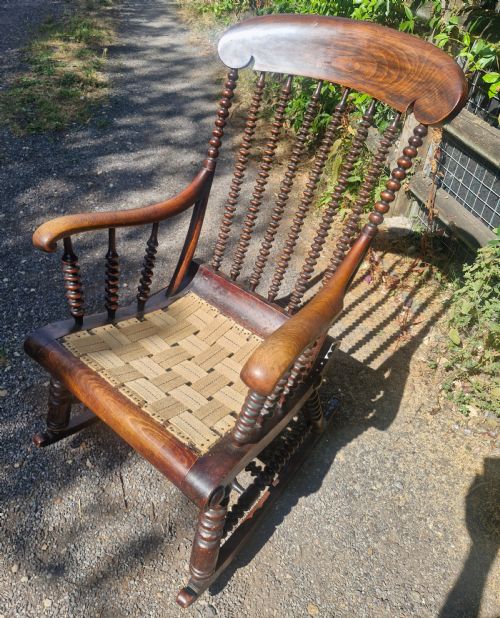
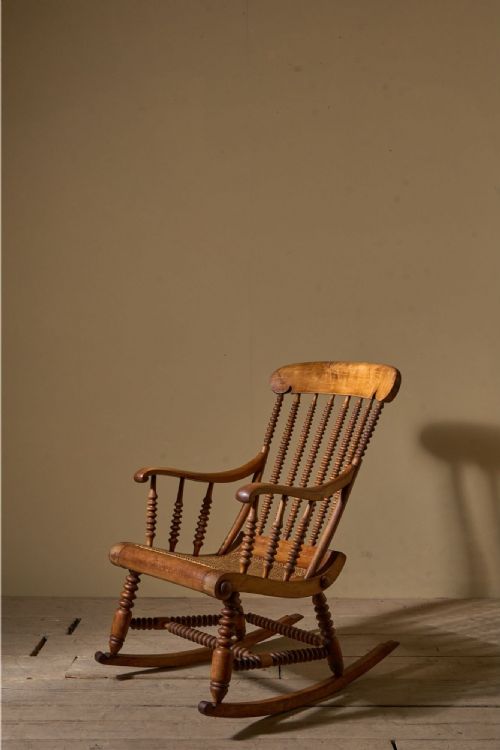
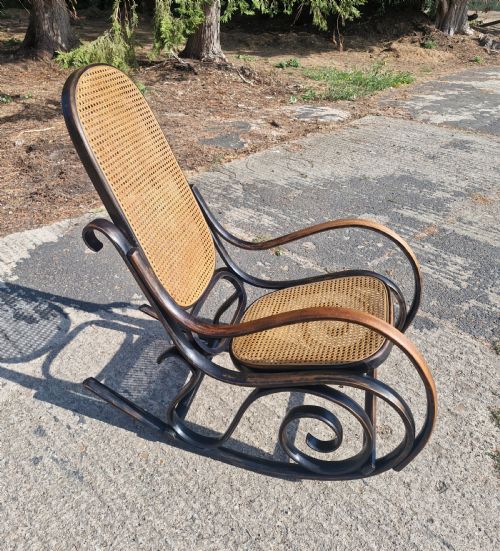
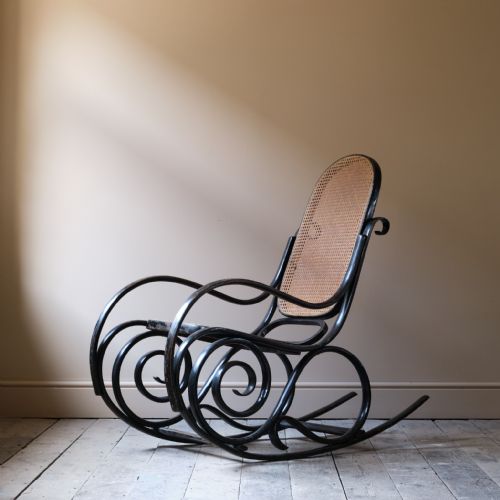
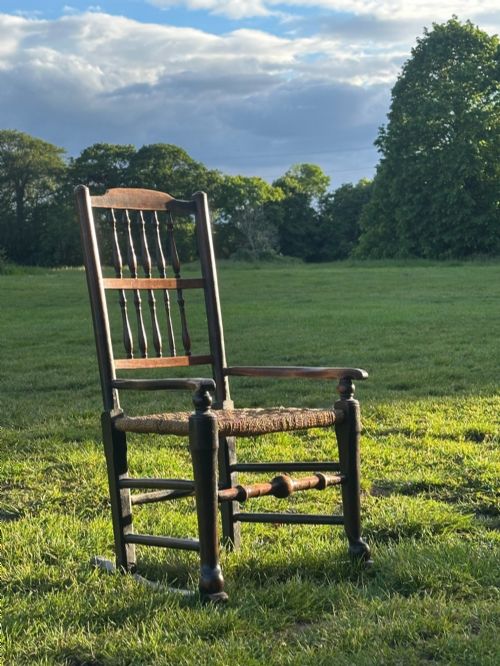
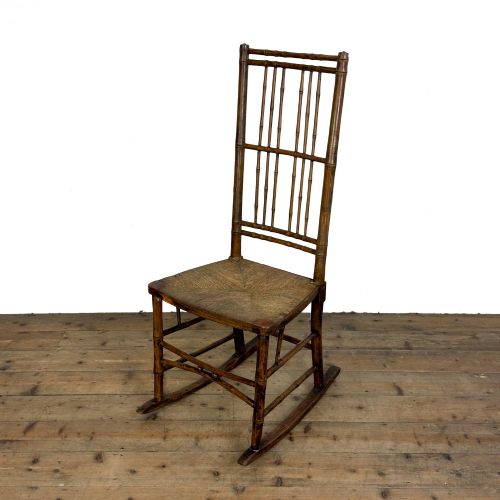
Construction techniques rely heavily on traditional Windsor joinery, bobbin turnings, and steam-bent components. Some examples incorporate rush, cane, leather, or tapestry upholstery to form the seat and back panels.
Several small chairs wait patiently for miniature occupants who abandoned them centuries ago.
Assessing quality
Quality rests on the integrity of the rocker mechanism and the balance of the frame during motion. Superior examples retain their original curved runners without excessive wear at the ground contact points.
The refinement of the turnings, the tightness of the joints, and the survival of original surface finishes such as paint or polished mahogany distinguish finer workshop output from simpler utilitarian seating.
Jacob and Josef Kohn·R W Wingfield
The Antique Rocker Chair Glossary
- Windsor
- A chair built with a solid wooden seat into which the legs and back spindles are directly tenoned. These sturdy forms often feature characteristic bow backs or wheelback motifs.
- Comb-back
- A Windsor chair variation where the vertical spindles extend upward to support a horizontal top rail resembling the teeth of a comb. This regional vernacular style provides robust upper back support.
- Bobbin turned
- Furniture legs and stretchers shaped on a lathe to resemble a series of wooden reels or bobbins. The technique appears frequently on nineteenth-century vernacular and aesthetic movement frames.
- Bentwood
- Wood softened through steaming and bent into curved structural forms under pressure. This lightweight technique defines many late nineteenth and early twentieth-century seating designs.
Antique Rocker Chair: Frequently Asked Questions
How do I care for an antique rocker chair?
Maintain the wood by applying suitable wax polish periodically to nourish dry timber and preserve the polished surface. Avoid placing the chair near direct heat sources that might cause the wood to split or joints to loosen over time.
Inspect the rocker runners regularly for stability and ensure the floor surface is level to prevent uneven wear on the wooden feet. Gentle use preserves the structural integrity of historical joints.
Were these chairs used outdoors?
Certain variations, particularly those constructed from wrought iron or specific garden lounger formats, were designed for veranda and lawn use. These outdoor pieces utilise weather-resistant materials to withstand exterior conditions.
Indoor rocking chairs constructed from timbers like mahogany, elm, and beech remain unsuited for damp environments. Keep traditional wooden rockers inside to protect the natural fibres and finishes.
What is a child's potty rocker?
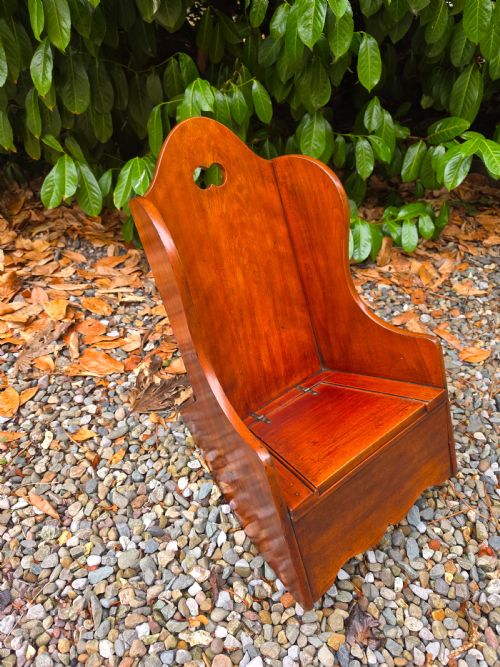
A child's potty rocker is a small historical seating form incorporating a concealed commode chamber beneath the seat. These compact items date back to the Georgian and nineteenth-century periods for nursery use.
They combine the soothing motion of a rocker with domestic practicality for infants. Today, collectors value them as uncommon examples of early vernacular child furniture.