



Antique River Bridge Painting
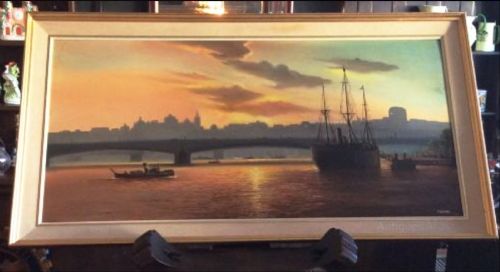
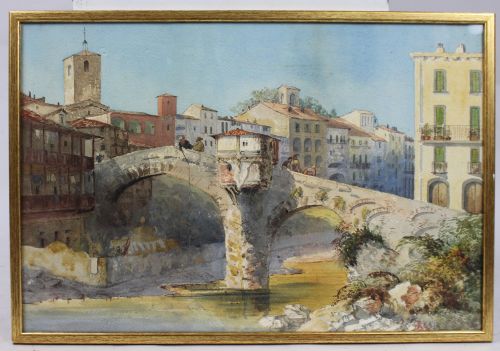
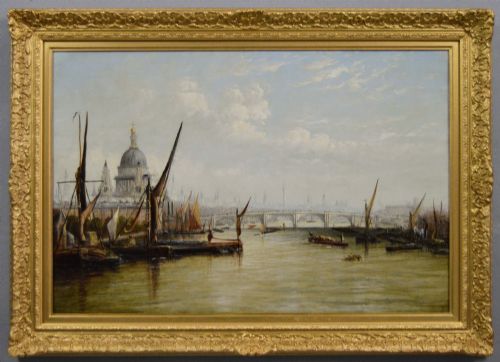
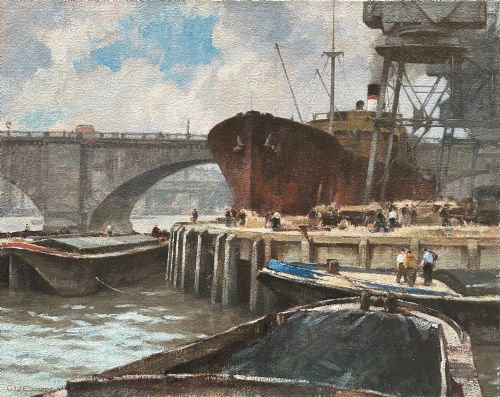
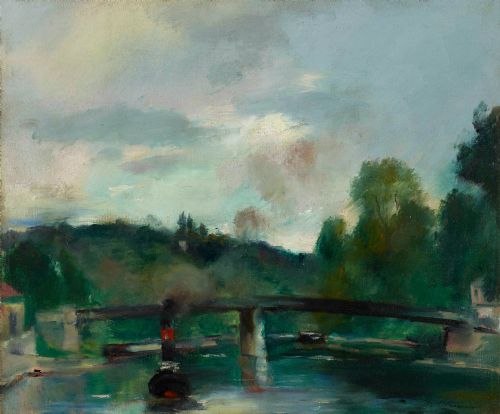
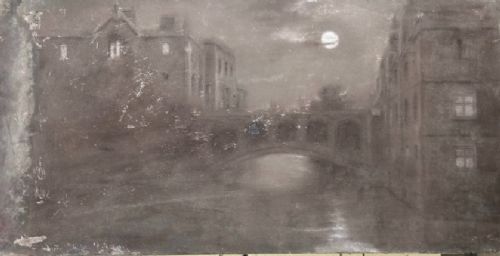
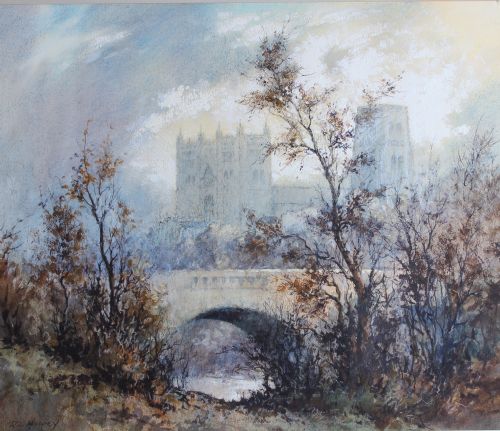
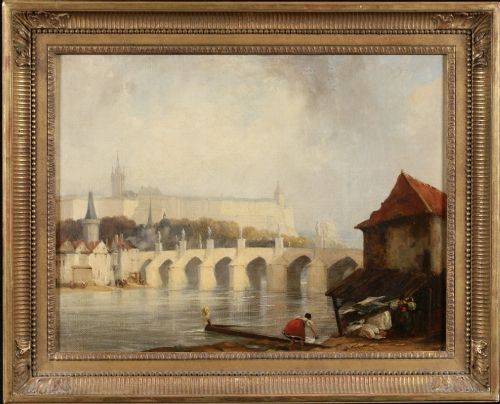
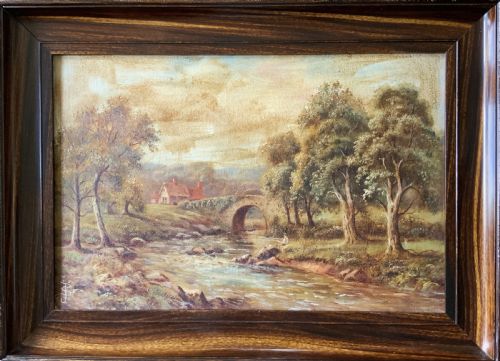
When you search for an antique river bridge painting, you find works capturing spans across urban rivers and highland streams from the nineteenth and early twentieth centuries.
Antique River Bridge Painting
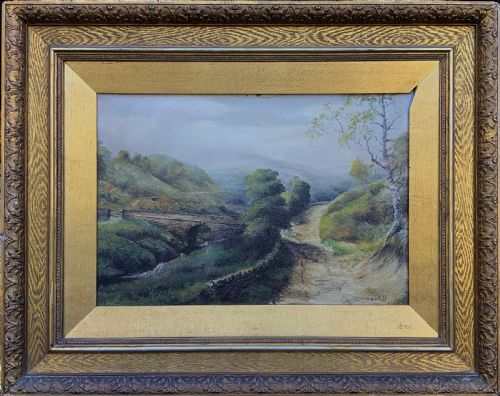
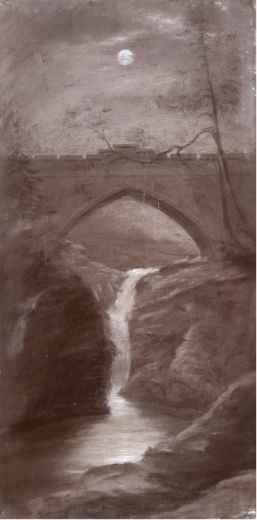
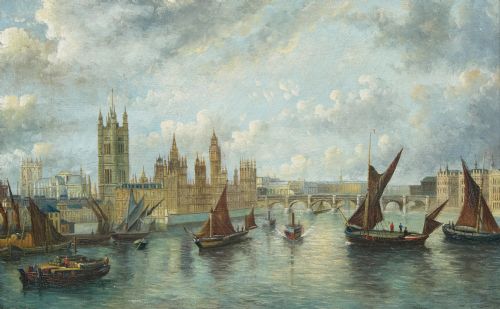
An antique river bridge painting captures architectural spans and waterways across Britain and continental Europe, ranging from metropolitan Thames crossings to rural stone arches in Yorkshire and Scotland. These artworks document changing topography through the nineteenth and early twentieth centuries, recording the interplay between engineering works and natural landscapes.
The pieces appearing on this page encompass oils on canvas or wood panel alongside detailed waterworks on paper, reflecting both Victorian academic approaches and later British impressionist tendencies. Collectors encounter cityscapes featuring historic city landmarks alongside quieter pastoral scenes showing single-arch bridges in highland settings.
Most examples date from the Victorian and Edwardian eras, extending into the interwar decades of the 1920s and 1930s. Works vary from topographical records to atmospheric studies influenced by broader European artistic movements of the period.
How They Were Made
Artists painted primarily in oil on canvas, panel, or board, building rich textures with pigment, while watercolourists applied transparent washes over textured paper to capture atmospheric river light.
Support materials range from traditional stretched canvas and wooden panels to heavy cartridge paper, occasionally utilising charcoal or pastel alongside paint to define bridge masonry and water reflections.
Artists occasionally inscribed bridge names directly onto stretchers, ensuring future viewers know precisely which riverbank inspired them.
What Varies in Quality
Quality rests in the artist's handling of perspective and light, where superior works successfully balance the rigid geometry of stonework against the fluid movement of water.
Pintura quality also depends on the precision of topographical detail and the depth of the tonal range, distinguishing accomplished plein-air observations from formulaic studio copies.
Francis Moltino·Sydney Yates Johnson·Frederick Waters Watts·Henry Dawson·Frederick Tully Lott·Thomas Colman Dibdin
The Antique River Bridge Painting Glossary
- Watercolour
- A painting method where fine pigment is suspended in a water-soluble binder and applied to paper. It allows for translucent washes that suit river mists and sky reflections.
- Oil on Canvas
- A traditional medium using pigments bound in drying oils applied to woven fabric stretched over a wooden frame. This combination allows for deep colour saturation and impasto brushwork.
- Panel
- A rigid wooden board or flat support used instead of canvas. Painters often selected panels for smaller topographical studies executed outdoors.
- Topographical
- Representing specific real-world locations with a degree of accuracy. These works serve as visual historical records of bridges and riverbanks before modern development.
Antique River Bridge Painting: Frequently Asked Questions
What periods do these paintings cover?
The works span from the early nineteenth century through the Victorian and Edwardian eras into the 1930s. Many pieces reflect late nineteenth-century British landscape traditions and early twentieth-century impressionist influences.
Dating is typically determined by artist signatures, period framing, inscriptions on the stretcher, or stylistic conventions characteristic of specific decades.
How were these river bridge paintings displayed?
In their original eras, these watercolours and oils were framed in gilt wood and hung in domestic drawing rooms, offices, or galleries. They served both as mementos of travels and as expressions of civic pride in local infrastructure.
Today, they are typically hung in traditional or contemporary interiors using mounts and wooden frames that complement their palette.
Are all the depicted bridges still standing?
Some bridges shown in these works remain vital parts of modern cityscapes or rural paths, while others have been widened, rebuilt, or lost entirely to twentieth-century development. Historic spans over the Thames, Ouse, and Tyne are frequently recorded.
Examining these paintings often provides historians with visual evidence of bridge architecture and surrounding river commerce from past centuries.
How do you tell watercolours apart from oils?
Watercolours are executed on paper, showing translucent washes and the texture of the sheet beneath, and are protected behind glass. Oils feature heavier pigment layers applied to canvas or wood panel with visible brush texture.
Examining the surface under magnification reveals the weave of the canvas or the absorbent fibres of the watercolour paper.