



English Landscape Wall Art
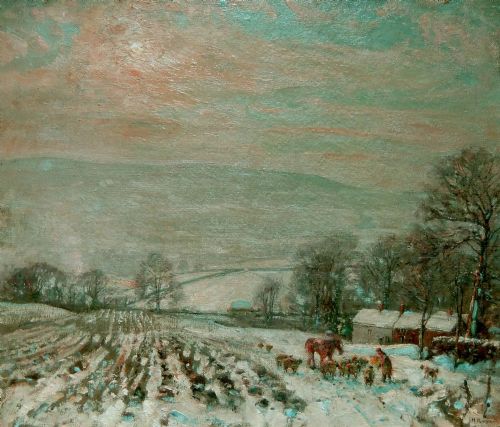
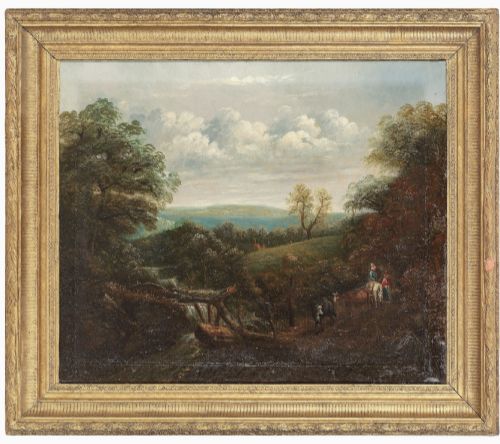
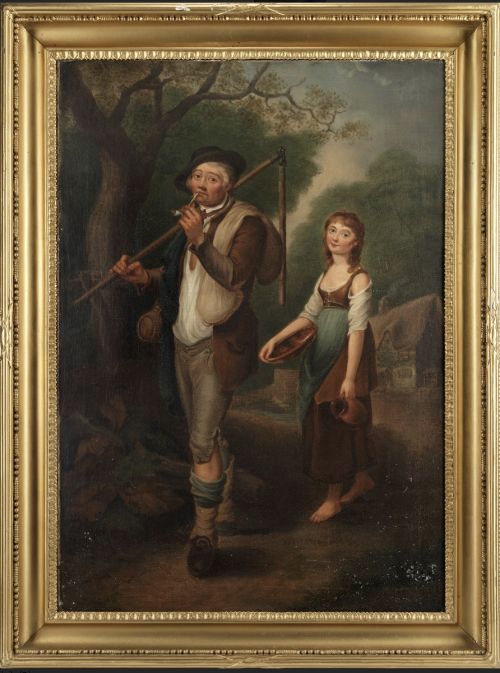
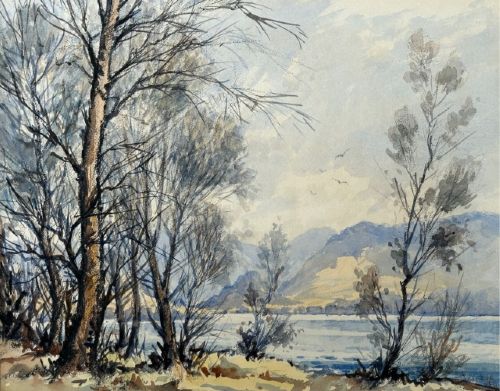
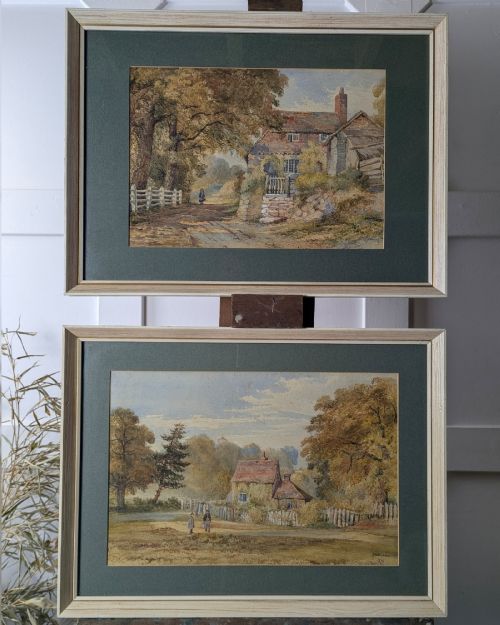
English landscape wall art captures the rural character and shifting light of the countryside through watercolours, oils, and drawings.
English Landscape Wall Art
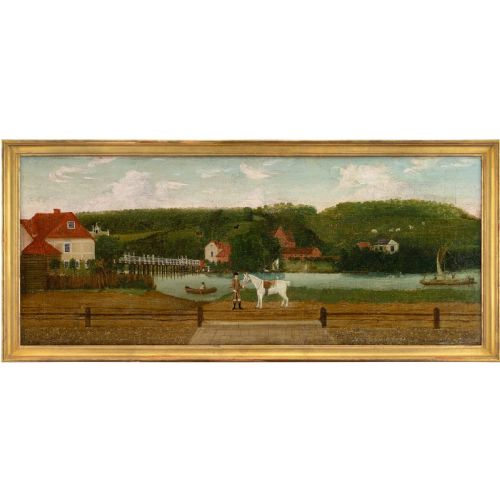
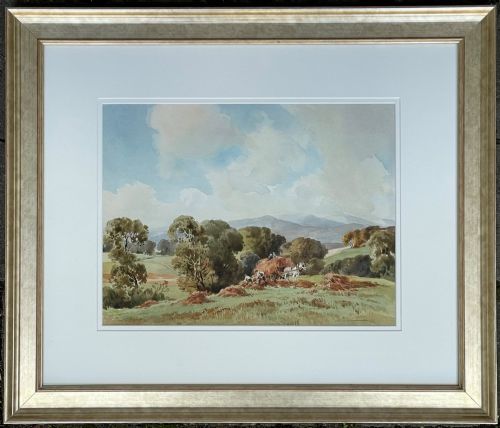
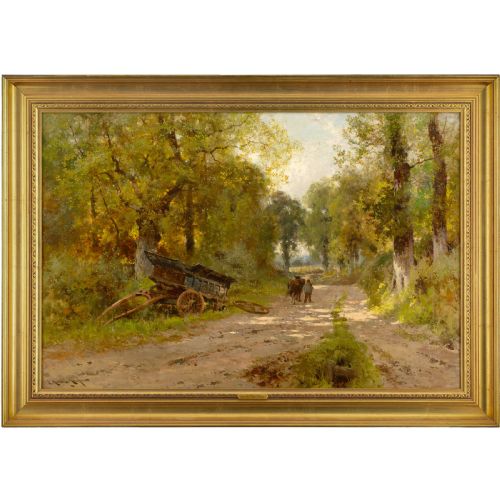
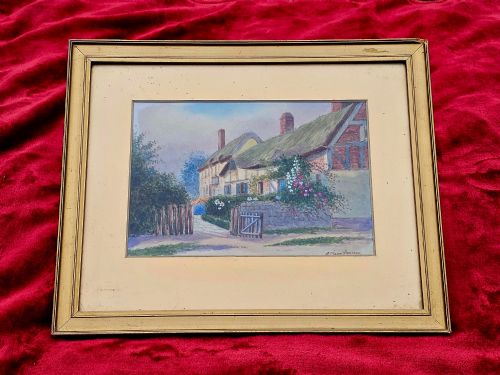
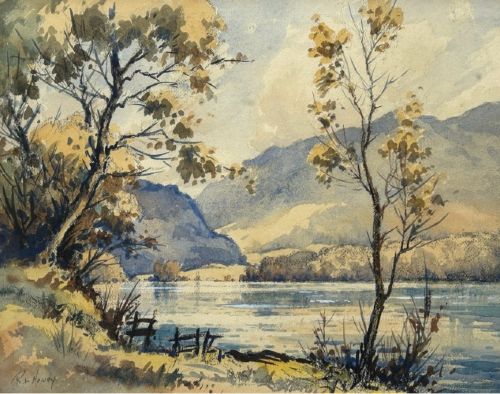
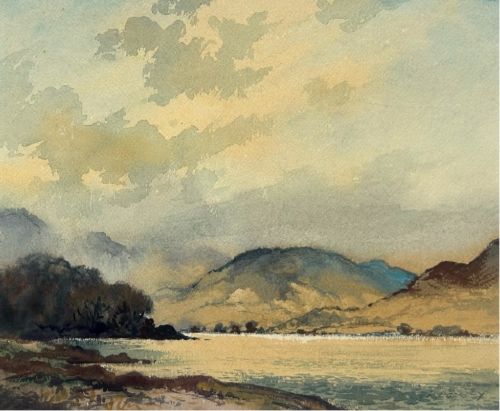
English landscape wall art encompasses framed paintings, watercolours, and drawings depicting rural scenes, coastal views, and country paths. When searching for english landscape wall art, buyers encounter works ranging from Victorian pastoral compositions to mid-twentieth-century watercolours.
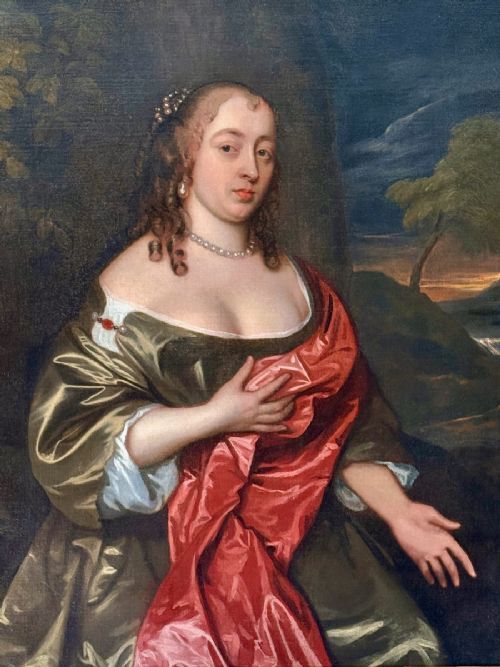
The selections span multiple eras, including nineteenth-century oils, Edwardian watercolours, and mid-century board paintings. Traditional depictions of harvest fields, river valleys, and coastal harbours dominate the available inventory.
Works appear in various formats such as oil on canvas, paper, wooden board, and card. These pieces reflect regional British topography, from the Lake District and the Thames Valley to Cornish fishing ports.
Materials and methods
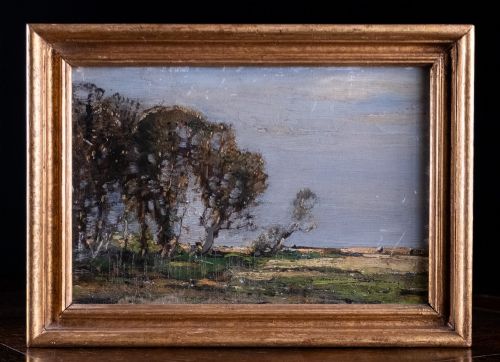
Artists relied primarily on oil paint applied to canvas, wooden panels, or board, creating textured surfaces with rich pigment depth. Watercolours on paper offered a more fluid medium suited to capturing atmospheric skies and river reflections.
Support materials varied from traditional stretched canvas and heavy watercolour paper to card and wooden panels. Many pieces retain period framing in wood, often complemented by gilt highlights that frame the composition.
Distinguishing quality
Superior execution shows in the handling of light, brushwork confidence, and the naturalism of atmospheric effects like afternoon sun or winter skies. Skilled draughtsmanship in figures, trees, and architecture elevates a composition above standard decorative output.
The integration of the subject with its physical support, whether finely ground oil pigments on panel or controlled washes on paper, marks the distinction between competent topographical recording and accomplished fine art.
James Orrock·Percy Lancaster·Herbert Royle·David Bates·Benjamin Barker of Bath·Henry Yeen King·Robert Leslie Howey
The English Landscape Wall Art Glossary
- Watercolour
- A painting method where fine pigment is suspended in a water-based, translucent solution applied to paper. This medium allows for delicate washes and luminous skies characteristic of British landscape traditions.
- Oil on Canvas
- Pigments bound in drying oil applied to a woven fabric stretched across a wooden frame. This combination provides durability and permits rich impasto work.
- English School
- A classification for works produced by artists trained or working within British traditions without belonging to a single formal movement. The term links diverse regional views across centuries.
- Gilt Wood
- Timber framing treated with a thin layer of gold leaf or metallic gilding. It enhances the visual weight and period context of framed artwork.
English Landscape Wall Art: Frequently Asked Questions
How do I date an English landscape painting?
Dating relies on stylistic clues, clothing styles of figures, framing materials, and artist signatures where available. Catalogues and period references help narrow the decade of production.
Material supports like wooden boards or specific paper watermarks also provide reliable chronological anchors for unsigned works.
What is the difference between oil and watercolour landscapes?
Oil paintings utilise thick pigments on canvas or panel, offering rich textures and deep colour saturation. Watercolours use translucent washes on paper for lighter, more luminous atmospheric effects.
Oils generally hang with heavy gilt framing, while watercolours require glass protection to preserve the paper support.
Where were these landscape scenes typically painted?
Artists painted across varied British regions, capturing specific locales like the Thames Valley, Lake District, Cornwall, and Yorkshire. Many works record rural topography before industrial expansion altered the countryside.
Named locations in titles often connect directly to specific painting trips undertaken by regional British schools.
How should I care for antique paper watercolours?
Keep watercolours away from direct sunlight to prevent the fading of delicate pigments on paper. Archival framing with acid-free mounts protects the medium from moisture and deterioration.
Maintaining stable indoor humidity prevents foxing and paper warping over time.