



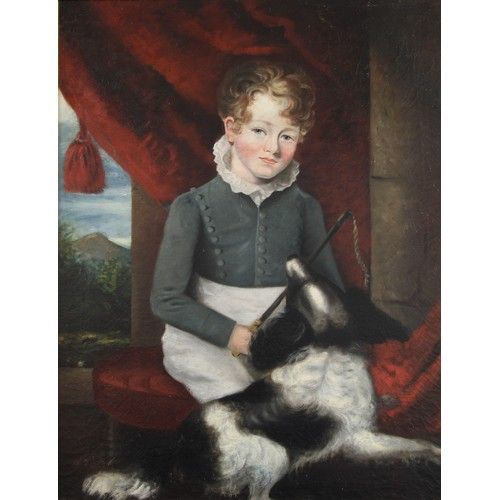

Antique Riding Crop
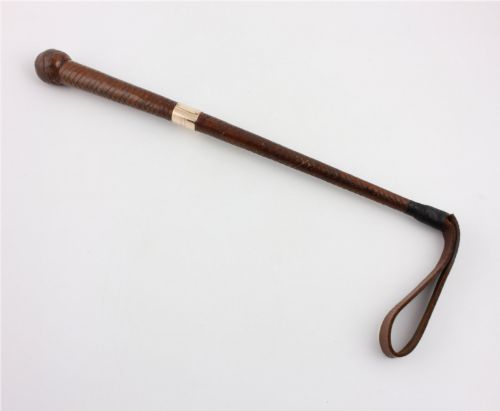
An antique riding crop is a traditional equestrian accessory crafted from leather and fitted with silver or gold, prized for its craftsmanship and historical charm.
Antique Riding Crop
An antique riding crop is a functional equestrian accessory from periods such as the Victorian era and the twentieth century, designed for managing horses while riding. Buyers searching this phrase encounter examples ranging from simple leather pieces to elaborate specimens with precious metal collars.
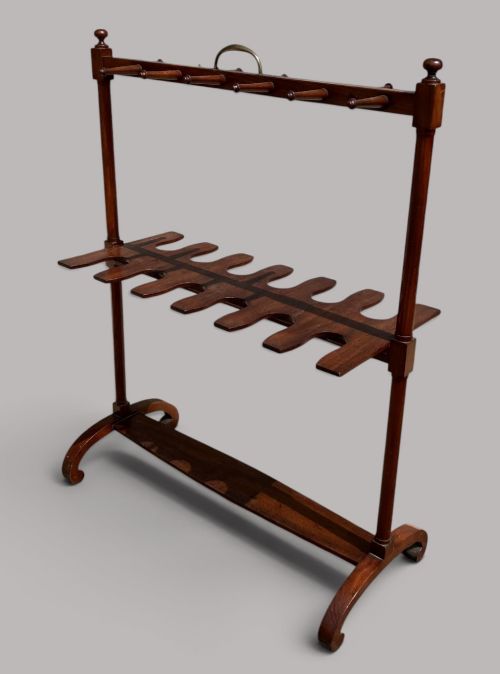
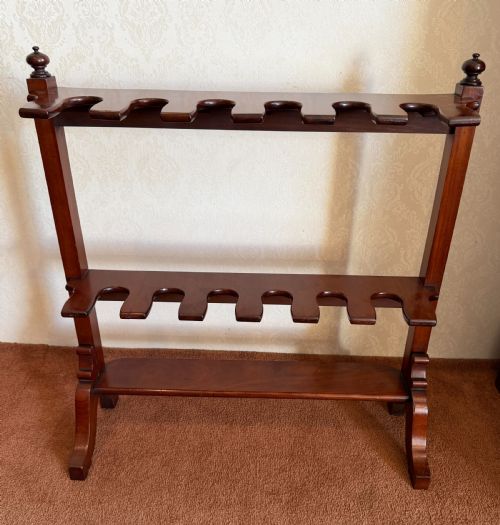
The items found here include traditional hunting whips and riding crops, alongside related equestrian accessories such as whip stands, boot racks, and bronze studies. These pieces connect directly to historical country sports and estate life in England.
How they were made
Maker workshops utilised sturdy English leather braided around a core to give the shaft flexibility and durability. Animal materials such as stag horn and mahogany feature prominently in handles and associated stands.
Metalwork involved precious additions, with silver collars and 12ct gold mounts applied to the handles for reinforcement and decoration. Brass and silver plate also appear on related hooks and novelty cruet sets.
Antique Riding Crop Retail Price Guide 2026
Typical asking prices for riding crop among the pieces listed under this phrase on Sellingantiques today, from the lower quarter to the upper quarter. They describe what is for sale here now, not the wider market.
One exceptional piece listed is an erotically charged bronze study of a gentleman and his riding crop.
What varies in quality
Quality rests upon the pedigree of the maker and the grade of materials employed in the construction of the shaft and handle. Pieces bearing recognised maker names or provenance from notable estates command greater interest.
The refinement of the metal mounts, such as hallmarked silver collars or gold fittings, separates standard utility items from luxury bespoke pieces. The preservation of the original leather braiding also influences the overall desirability.
Swaine Adeney·Brigg·Bruno Zach
The Antique Riding Crop Glossary
- Riding crop
- A short whip used in horseback riding, typically featuring a braided leather shaft and a handle.
- Silver collar
- A band of silver fitted around the top of the crop handle, often engraved with initials or dates.
- Staghorn
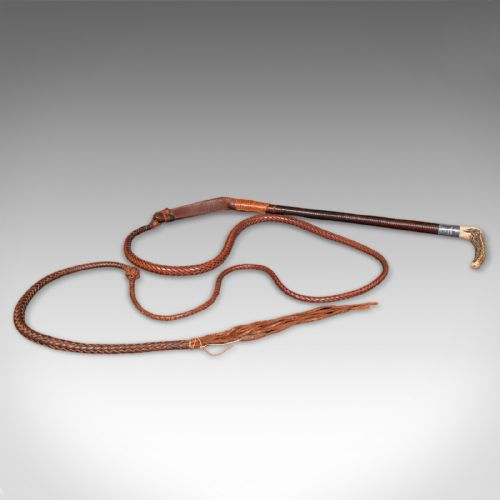
- The horn of a stag utilised for carving the handle grips of riding crops and whips.
- Hunting whip
- A sturdy whip historically utilised in fox hunting, possessing a long lash and a distinct handle.
- Boot and whip rack
- A piece of furniture designed specifically to hold riding boots and whips in a tack room or hall.
Antique Riding Crop: Frequently Asked Questions
How were antique riding crops used?
These crops were utilised by riders to give additional aids to a horse during hunting and hacking. They served as both practical tools for equestrians and status symbols for country gentlemen.
Over time, many of these items transitioned from active sporting use into decorative objects displayed within country houses and hallways.
What materials are common in these crops?
The primary materials found in these pieces are braided English leather, mahogany, and mounted silver or gold. Handles frequently incorporate stag horn for a secure grip.
Associated stands utilise oak and brass to store whips and riding boots neatly in tack rooms.
How do I date an antique crop?
Dating relies on hallmarks upon the silver collars, style markers associated with Victorian or Edwardian periods, and recorded provenance. Maker stamps on the leather or handle also provide clear chronological placement.
Comparing construction techniques with dated examples in the archive helps narrow down the era of manufacture.
How should I display a riding crop?
Many collectors display crops alongside antique boot racks and hall stands to recreate a traditional tack room aesthetic. Wall-mounted hooks designed for equestrian gear offer a secure way to exhibit them.
Keeping leather items away from direct sunlight and excessive humidity preserves the material over time.