





Antique Ribbon Bow Pendant
An antique ribbon bow pendant captures the delicate lapidary artistry of past centuries in precious metal and fine stones.
Antique Ribbon Bow Pendant
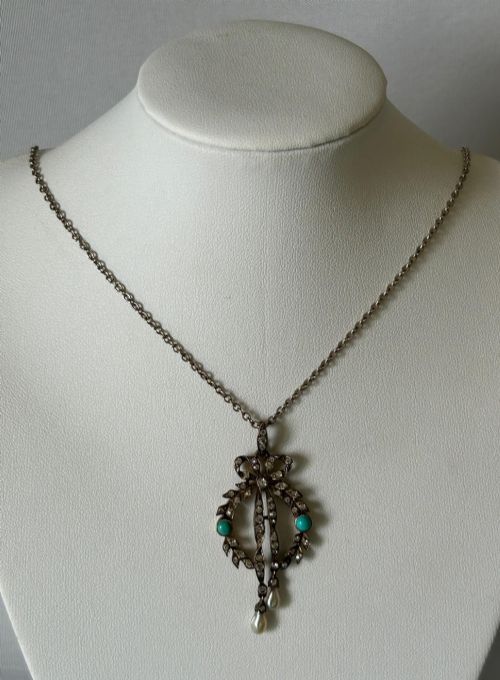
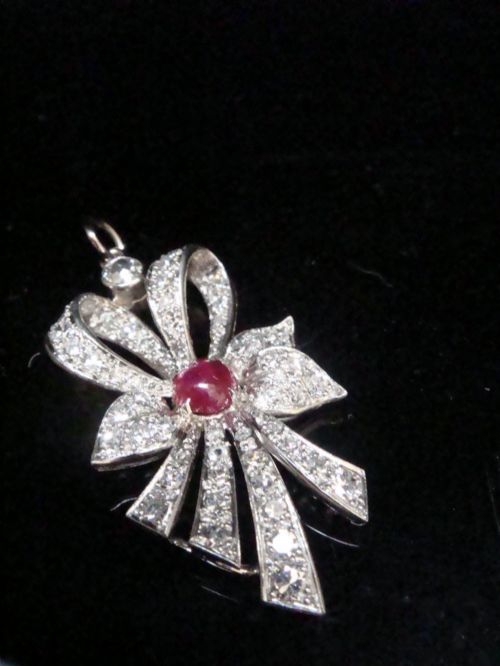
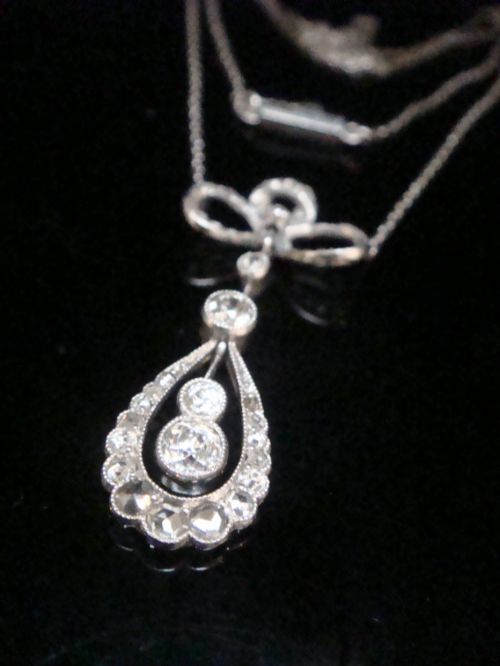
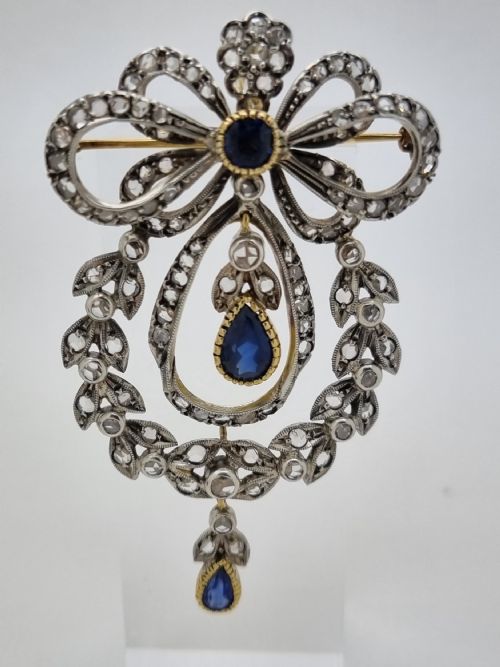
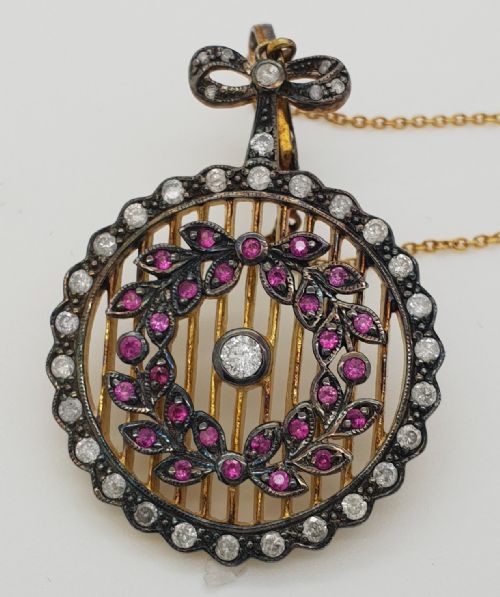
An antique ribbon bow pendant takes the form of a tied ribbon executed in precious metals, frequently set with sparkling gemstones. These jewels emerge predominantly from the Edwardian and Victorian eras, alongside pieces dated around 1900 and 1880.
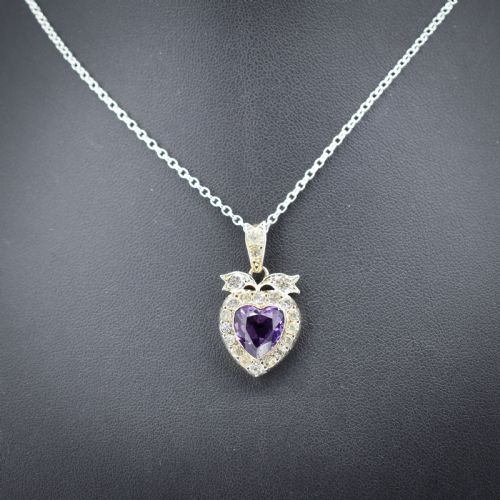
The objects combine fluid metallic loops with dangling drops, hearts, or lockets. While many examples function as dual-purpose pendants and brooches, dedicated necklaces and drop earrings also appear.
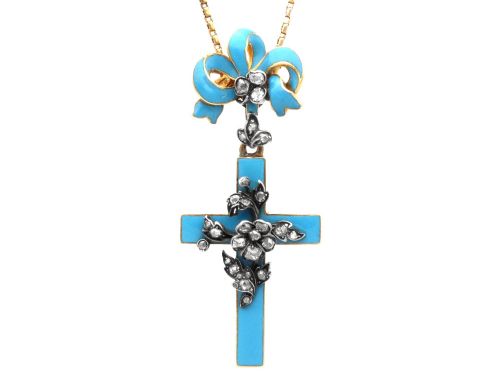
Buyers meet variations spanning sterling silver, gold, 18ct gold, platinum, and silver gilt. Gemstone embellishments involve diamonds, rubies, sapphires, turquoise, pearls, paste, and green enamel.
How they were made
Craftsmen shaped these jewels using combinations of silver, gold, and platinum to form the supple contours of a knotted ribbon. Early twentieth-century pieces often utilised platinum atop 18ct gold to provide a bright, durable setting for small stones.
Goldsmiths and lapidaries mounted diamonds, rubies, sapphires, and pearls into the metallic framework using detailed setting techniques. Enamel work and paste additions further decorated the surface, while components like onyx and agate introduced contrasting colour and texture.
Antique Ribbon Bow Pendant Retail Price Guide 2026
Typical asking prices for ribbon bow pendant among the pieces listed under this phrase on Sellingantiques today, from the lower quarter to the upper quarter. They describe what is for sale here now, not the wider market.
Object forms span necklaces, pendants, brooches, drop earrings, and chandeliers, incorporating ruby, sapphire, turquoise, paste, and enamel.
What varies in quality
The standard of an antique ribbon bow pendant rests upon the crispness of the metalwork and the symmetry of the looped design. Superior examples display refined proportions that mimic the soft drape of actual textile ribbon.
Stone selection and cutting also dictate the grade of the piece, with old-cut diamonds and natural pearls commanding particular attention. The integration of maker choices, such as platinum usage or hand-applied enamel, elevates the overall execution.
The Antique Ribbon Bow Pendant Glossary
- Edwardian
- Pertaining to the period from 1901 to 1910, noted for light, airy jewellery designs often employing platinum and diamonds. This era favoured graceful motifs like bows and garlands.
- Victorian
- Relating to the reign of Queen Victoria from 1837 to 1901, encompassing varied stylistic revivals and sentimental motifs. Jewellery from this time frequently incorporates symbolic elements such as hearts and lockets.
- Old-cut
- A diamond cutting style preceding modern brilliant cuts, characterised by a small table, high crown, and open culet. These stones catch candlelight warmly.
- Silver gilt
- Silver coated with a thin layer of gold, providing the rich appearance of solid gold while utilising silver as a base metal.
Antique Ribbon Bow Pendant: Frequently Asked Questions
How do I wear a ribbon bow pendant?
Many of these pieces double as brooches, allowing them to be pinned to lapels or worn suspended from chains as necklaces. Their versatile nature makes them suitable for both daytime wear and evening attire.
Matching the metal tone of the pendant to your chain or other jewellery creates a cohesive look. Drop variations also pair well with simple necklines that highlight their movement.
What periods do these pendants come from?
The available selection primarily spans the Edwardian era and the Victorian period, along with pieces dated around 1880 and 1900. Edwardian items frequently feature platinum and diamonds, while Victorian pieces often incorporate gold and sentimental drops.
Recognising these chronological markers helps in understanding the materials used. Each era brought distinct stylistic preferences to the ribbon motif.
What stones are set in these bows?
Common gemstone embellishments include diamonds, rubies, sapphires, turquoise, and pearls. Historic pieces also utilise paste and green enamel to add colourful contrast to the metallic ribbon loops.
Natural pearls and certified diamonds occasionally enhance the central drop or the bow itself. These varied materials reflect the tastes of the late nineteenth and early twentieth centuries.
Can I convert a brooch into a pendant?
Numerous pieces from this category were originally constructed as convertible pendant brooches featuring integrated loops and pin stems. This dual functionality was standard practice for jewellers of the period.
Examining the reverse of the piece reveals the hidden bail or hinged pin mechanism. This allows the wearer to switch between pinning the jewel and hanging it from a chain.