


Antique Reverse Painting
Antique reverse painting captures brilliant detail through glass panels, offering collectors luminous portraits, delicate silhouettes and trade scenes from centuries past.
Antique Reverse Painting
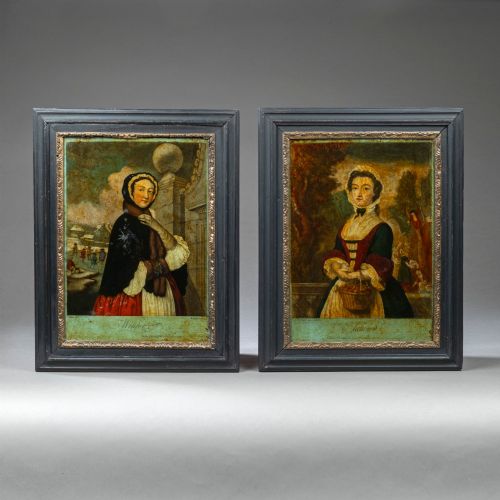
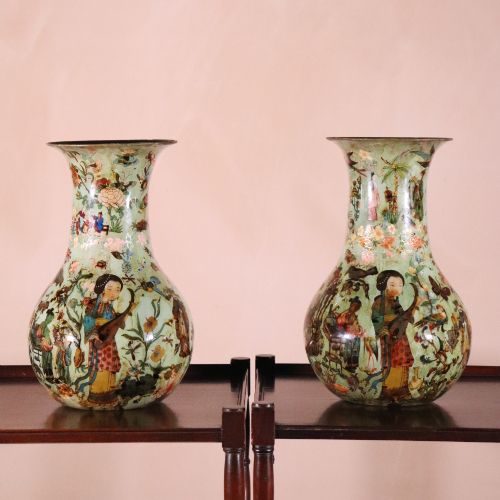
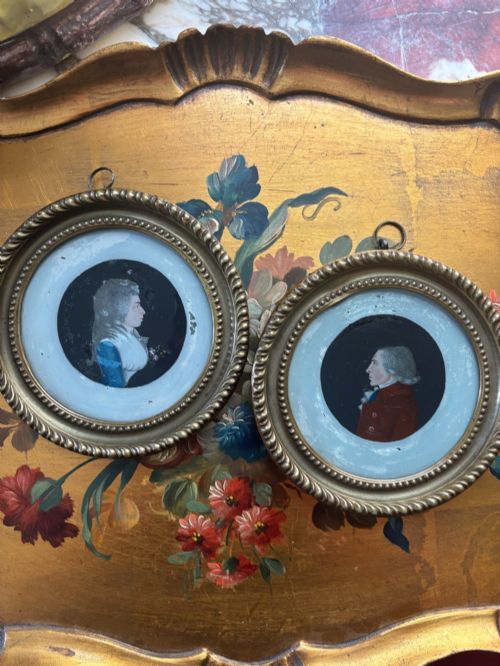
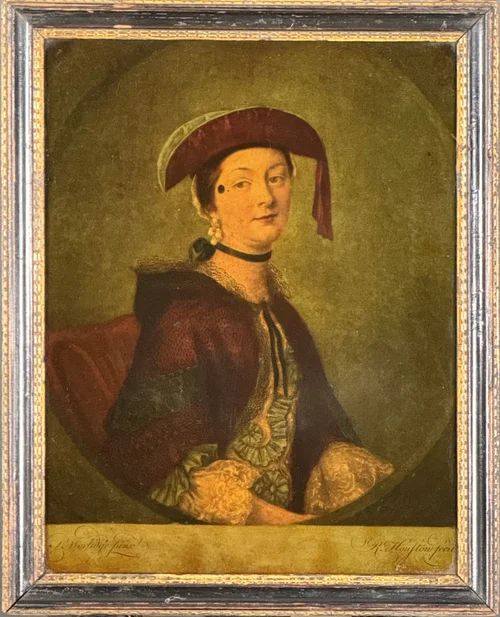
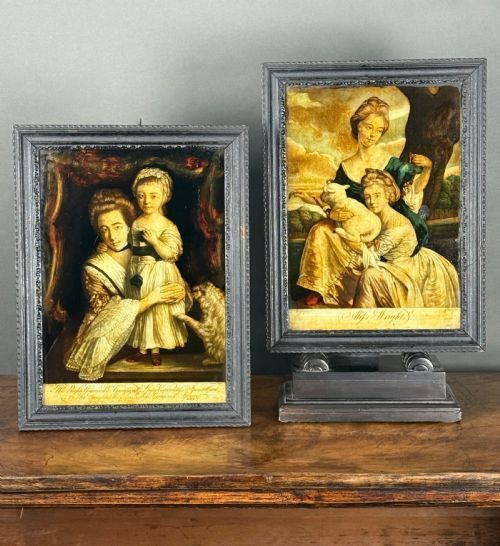
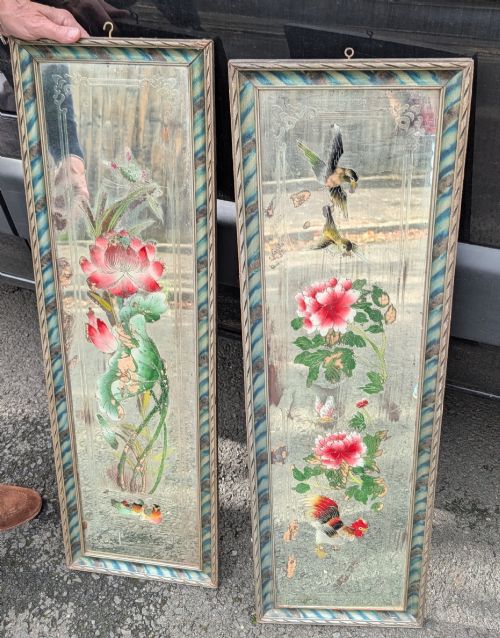
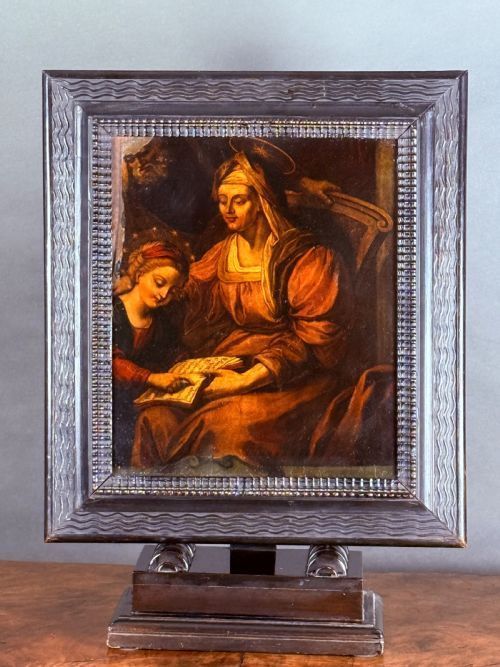
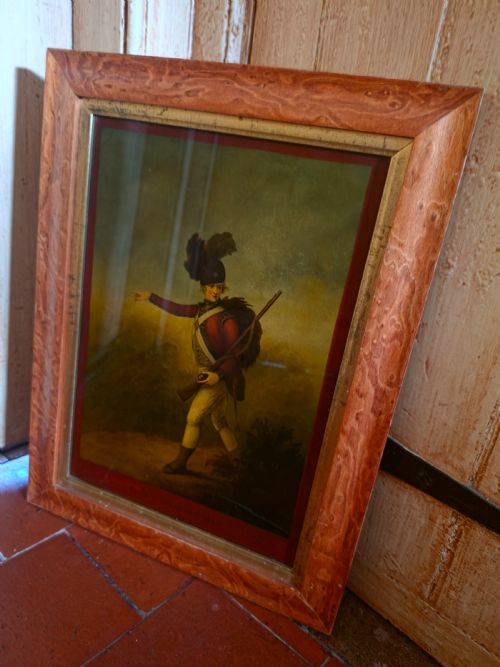
When you search for antique reverse painting, you uncover a distinct category of wall art, portrait miniatures, mirrors and signs where pigment, oil paint or mezzotints are applied to the back of a glass panel so the image is viewed correctly from the front. The selection spans 18th-century English mezzotints and Georgian silhouettes through to 19th-century Chinese export mirror panels and 20th-century commercial signage.
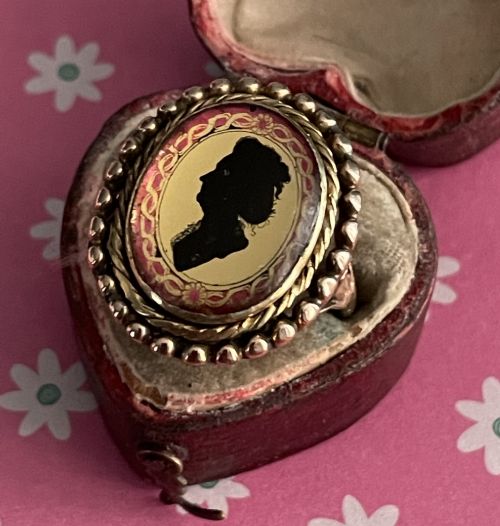
The most common formats met on this page include Georgian and Regency portrait prints, classical scenes, and Chinese export mirror-glass pictures. You also encounter small decorative objects such as silhouette rings, games boards and utilitarian double-sided post office or trade signs from later decades.
Origins stretch across Britain, Europe, China and Japan, reflecting diverse regional techniques from delicate European miniature painting to elaborate Asian export reverse glass panels. Each piece relies on the smooth, reflective quality of glass to preserve colour and detail across centuries.
How they were made
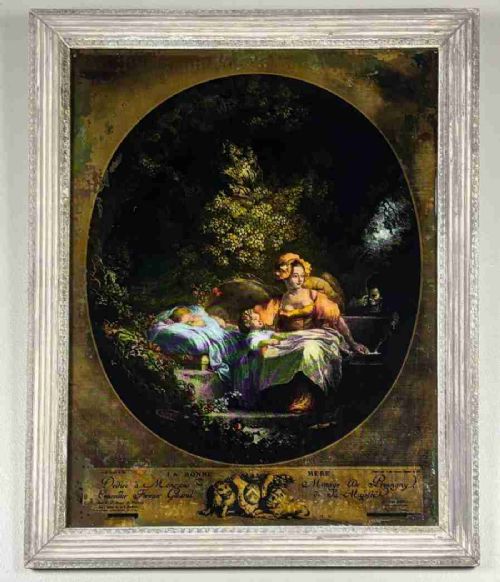
Makers applied paint, pigment or ink directly to the reverse side of a glass sheet, often working in reverse perspective or layering details from foreground to background so the primary subject appeared first when viewed through the front. Mezzotint engravings were transferred onto glass and hand-coloured with oils or watercolours to achieve rich tonal depth.
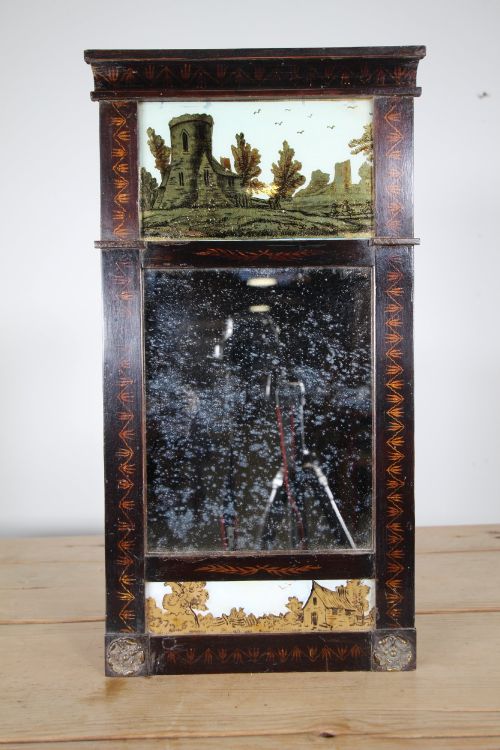
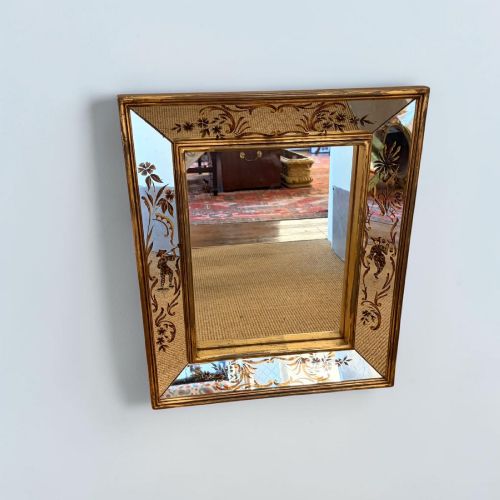
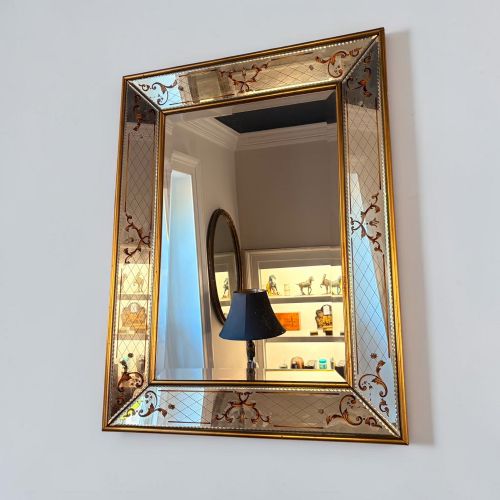
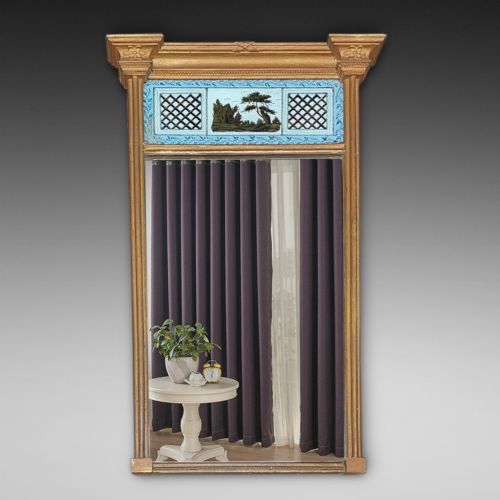
Materials include clear glass panels, wood frames in mahogany, maple or giltwood, and precious accents like gold leaf or brass fittings. Frames often incorporate verre églomisé panels above mirrors or paintings, secured with traditional backings and protected by the glass surface itself.
Antique Reverse Painting Retail Price Guide 2026
Typical asking prices for reverse painting among the pieces listed under this phrase on Sellingantiques today, from the lower quarter to the upper quarter. They describe what is for sale here now, not the wider market.
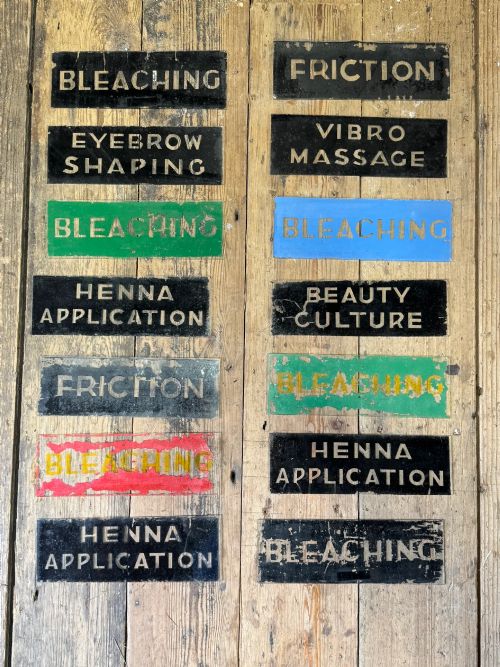
Even hair salons and post offices needed striking glass signage to command attention.
What varies in quality
Preservation of the glass and underlying medium separates exceptional survivals from damaged items. Original undisturbed frames, stable pigment adhesion without extensive flaking, and clear, unclouded glass panels define the upper tier of the range.
Fletcher·Sebastiaan Vrancx·Charles Spooner·Richard Purcell·William Henry Knight·Takabatake Kasho
The Antique Reverse Painting Glossary
- Verre églomisé
- A process of cold painting and gilding on the rear face of glass, creating a mirror-like or metallic sheen. This technique frequently appears in Regency pier mirrors and trumeau panels.
- Mezzotint
- A printmaking process where the copper plate is roughened to achieve tonal gradations, often transferred and hand-painted behind glass. Eighteenth-century examples display remarkable depth and shadow.
- Crystoleum
- A Victorian method of applying a coloured print to the inside of concave glass and hand-tinting it with oils. This process created a luminous, three-dimensional portrait effect.
- Trumeau
- An architectural wall mirror paired with a painted or decorated panel above, frequently featuring verre églomisé or reverse glass prints. These architectural elements dominated Regency and Georgian interiors.
- Silhouette
- A solid shape of a human figure rendered in profile, sometimes painted on glass with fine detailing in gold or ink. Georgian and Regency miniatures utilised this format for intimate portraits.
Antique Reverse Painting: Frequently Asked Questions
How do you clean antique glass paintings?
Dust gently with a dry, soft cloth, avoiding any liquid cleaners or moisture near exposed edges.
Moisture can seep behind the glass and cause lifting of the delicate pigments or gold leaf.
Were these pieces meant for walls?
Many larger examples served as wall art, pier mirror panels or decorative signs in commercial settings.
Smaller items like silhouettes and rings functioned as personal portrait miniatures or jewellery.
How can you date a reverse glass piece?
Dating relies on the framing materials, the subject matter, and the style of the engraving or handwriting.
Georgian and Regency items often feature distinctive hand-turned wood frames and period dress.
Why are some pieces called mezzotints?
Makers transferred printed monochrome mezzotints onto the glass before meticulously hand-colouring them from behind.
This hybrid method combined engraved precision with the vibrant luminosity of oil paint.