




Antique Reticulated Vase
An antique reticulated vase brings intricate pierced ceramic work into a room, offering tactile depth and delicate openwork forms from nineteenth and twentieth century makers.
Antique Reticulated Vase
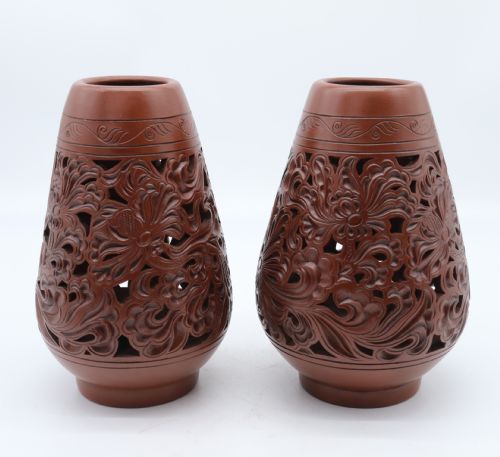
An antique reticulated vase presents cut-through openwork patterns across its body, revealing inner layers or empty space through lattice and net designs. These pieces emerge predominantly in nineteenth century and early twentieth century ceramics, spanning Victorian creations to Edwardian and Art Nouveau forms.
The selection on this page centres heavily on porcelain and earthenware bodies, with notable examples originating from English factories like Royal Worcester alongside continental European workshops and Asian kilns. Buyers encounter ewers, pot pourri vessels, and monumental urns alongside standard vase shapes.
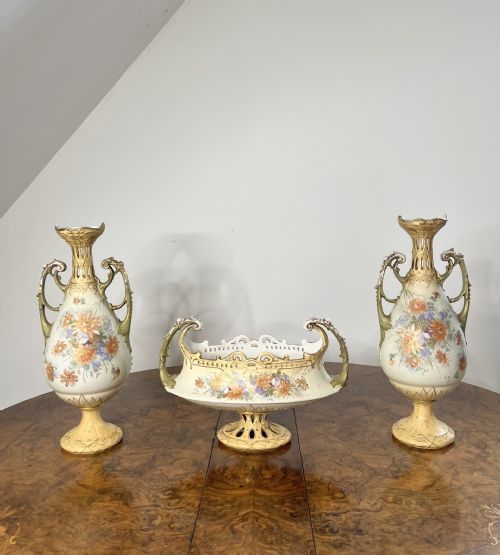
Makers utilised pierced clay techniques to transform solid vessels into airy decorative objects, often combining openwork lattice with hand-painted floral or avian scenes and rich gilding. This combination of structural piercing and painted surface defines the primary style options available in these listings.
Materials and technique
Craftsmen shaped these vessels from fine porcelain, earthenware, and ironstone, applying glazes and enamel colours before or after secondary firing stages. Gold leaf and heavy gilding frequently highlight the raised rims and pierced handles.
The defining reticulation required meticulous knife work or piercing through leather-hard clay before glazing and firing, a process demanding steady hands to prevent collapse in the kiln. Artisans then added detailed hand-painted motifs such as fruit, chrysanthemums, and pheasants to the completed porcelain bodies.
Early ceramic artisans had to pierce the damp clay by hand before firing, risking total collapse of the vase if their hands trembled.
Distinguishing quality
The refinement of the piercing separates ordinary vessels from exceptional works, where delicate geometric lattices remain crisp, uniform, and free from kiln distortion. Master hands achieved astonishingly thin openwork walls that maintain structural integrity without heavy supporting frames.
Painted decoration elevates a piece significantly, particularly when signed by known artists who rendered detailed birds, fruit, and floral studies with precise brushwork. The integration of the pierced elements with gilded handles and coordinated covers determines the overall harmony and ambition of the design.
Minton Porcelain·Royal Vienna·Grainger Worcester·Royal Worcester·Meissen·Ernst Wahliss
The Antique Reticulated Vase Glossary
- Reticulation
- Ceramic decoration featuring an openwork pattern cut into the clay body before firing. This technique creates a lattice or net effect across the surface of the vase.
- Ewer
- A large jug or vase with a wide spout and handle, often used for decorative display rather than pouring liquid. These shapes frequently appear in nineteenth century porcelain collections.
- Pot pourri
- A decorative lidded vessel designed to hold dried scented plant materials. Perforated covers allow fragrance to disperse into a room.
- Gilt
- A thin layer of gold applied to the surface of ceramic or metal objects. It highlights handles, rims, and painted borders on porcelain pieces.
- Bisque
- Unglazed ceramic fired once to a porous state, offering a matte white finish. This material captures fine sculptural detail without surface shine.
Antique Reticulated Vase: Frequently Asked Questions
What periods do these vases come from?
The pieces on this page span the nineteenth century through the mid twentieth century, including Victorian, Edwardian, and Art Nouveau eras. Nineteenth century examples often display ornate Rococo revival styling or intricate pierced earthenware.
Later twentieth century items maintain traditional hand-painted fruit and floral motifs, reflecting enduring tastes from historic English manufactories.
Were reticulated vases used for flowers?
Many pierced vessels served purely as decorative mantel ornaments, garniture set components, or pot pourri containers rather than functional flower holders. The intricate openwork lattice makes holding water impractical for standard reticulated bodies unless fitted with an internal liner.
Some silver and porcelain examples include original glass inserts to permit actual floral use without risking moisture damage to the outer pierced ceramic shell.
Who made the best pierced porcelain?
English factories like Royal Worcester achieved international renown for pierced porcelain, particularly through specialist craftsmen who mastered extremely fine clay cutting. Continental workshops in Vienna and Meissen also produced exceptional openwork porcelain and decorative urns.
Signed works by specific decorators within these firms command particular attention from collectors of fine ceramics.