




Antique Retail Unit
These antique retail units are commercial shop fittings from the Victorian, Edwardian, and early twentieth century periods, prized for their practical storage and display capability.
Antique Retail Unit
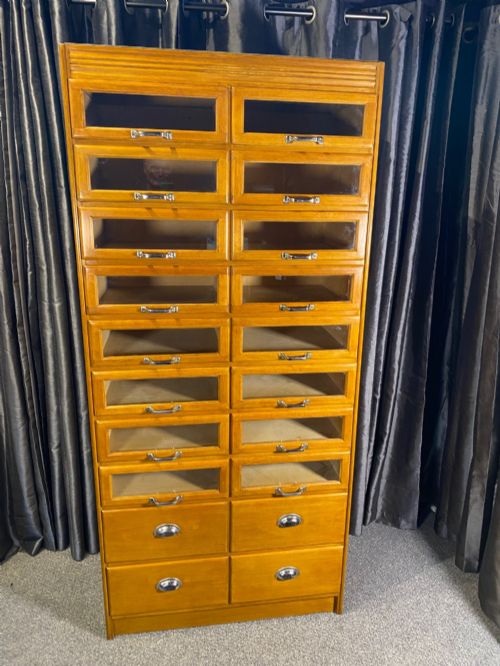
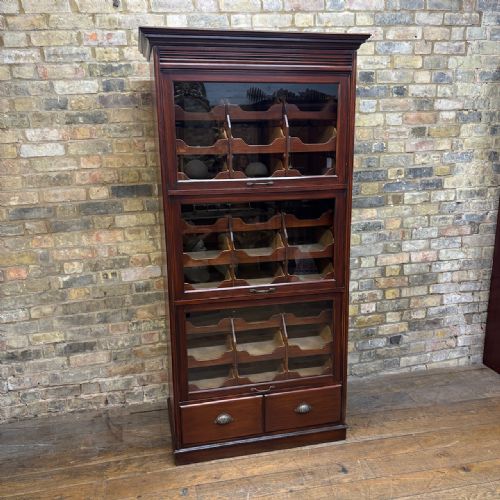
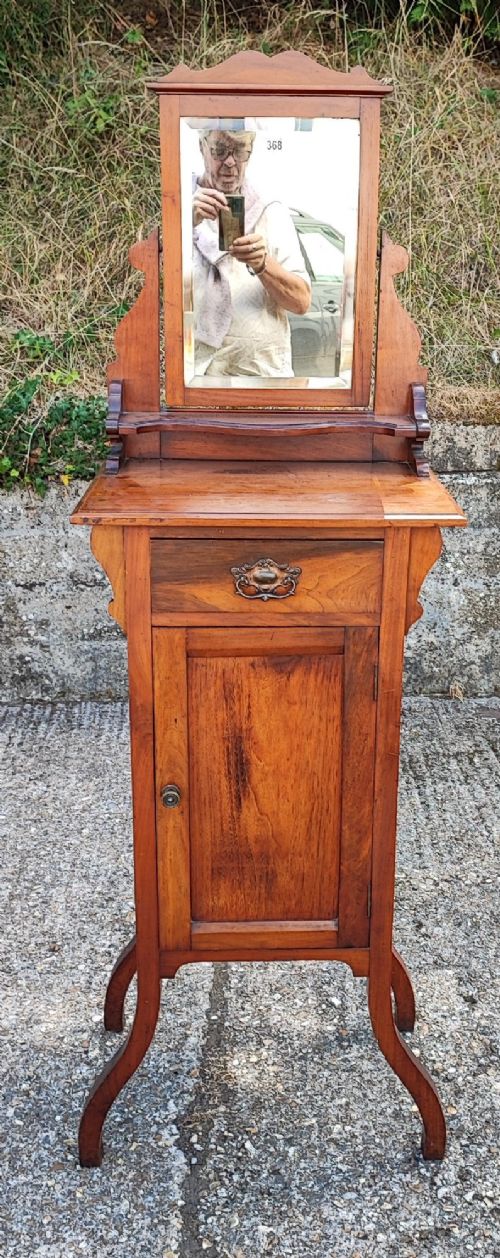
An antique retail unit encompasses commercial shop fittings such as haberdashery cabinets, display counters, and advertising display stands designed for merchant use. Pieces originate from the nineteenth century, Victorian, Edwardian, and 1930s periods.
Forms range from large shop fitting cabinets with numerous drawers to freestanding brass-framed display counters and specialised shelving units. Each piece reflects the commercial interiors of its specific decade.
How they were made
Construction relies heavily on dense hardwoods such as oak, mahogany, walnut, and pine, combined with structural metal elements like brass, cast iron, chrome, and bronze. Timber provides the robust framework required for heavy commercial duty.
Glass panels and shelving are integrated into display cabinets and counters to showcase merchandise while protecting stock. Metal fittings, handles, and frames add structural rigidity and operational hardware to drawers and sliding doors.
Antique Retail Unit Retail Price Guide 2026
Typical asking prices for retail unit among the pieces listed under this phrase on Sellingantiques today, from the lower quarter to the upper quarter. They describe what is for sale here now, not the wider market.
Some solid walnut shop cabinets carry later sign writing applied specifically for use in fishing supplies shops.
What varies in quality
The distinction between standard commercial units and superior examples rests on the complexity of the timber work and the integration of specialised maker hardware. Pieces produced by recognised commercial furnishers demonstrate finer joinery and more substantial framing.
Quality also shows in the scale and integrity of the original glazing, metal framing, and multi-drawer configurations. The preservation of original shop signage or specialised fittings elevates the historical character of the piece.
F. Sage & Co·Dudley & Co·Saml. Elliott & Sons
The Antique Retail Unit Glossary
- Haberdashery cabinet
- A multi-drawer storage unit originally used in drapery shops for small items. These pieces feature numerous shallow drawers, often with glass fronts.
- Shop fitting
- A permanent or semi-permanent fixture installed in a commercial retail space. Examples include fitted counters, shelving units, and display stands.
- Display counter
- A table-height cabinet with a glazed top or front designed for examining goods. Merchants utilised these counters to protect merchandise while maintaining visibility.
- Advertising display unit
- A specialised commercial fixture incorporating branding or signage for product promotion. These items served to market specific commercial goods in retail environments.
Antique Retail Unit: Frequently Asked Questions
What are antique retail units?
These pieces are commercial shop fittings originating from nineteenth and early twentieth century retail environments.
They include haberdashery cabinets, display counters, and advertising stands built for merchant use.
How were haberdashery cabinets used?
Merchants used haberdashery cabinets to store and display small textiles, sewing notions, and dry goods.
The multiple shallow drawers allowed shopkeepers to organise stock efficiently while keeping items visible to customers.
What materials are common?
Construction primarily utilises hardwoods like oak, mahogany, walnut, and pine for the main cabinetry.
Glass, brass, cast iron, and chrome are frequently integrated for display panels, frames, and hardware.
How do I date a shop cabinet?
Dating relies on identifying stylistic periods such as Victorian, Edwardian, or 1930s commercial designs.
Materials, hardware styles, and maker attribution help determine the exact era of manufacture.