

Antique Religious Portrait Artwork
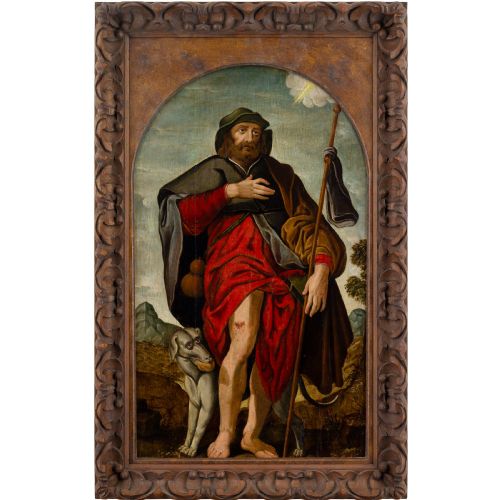
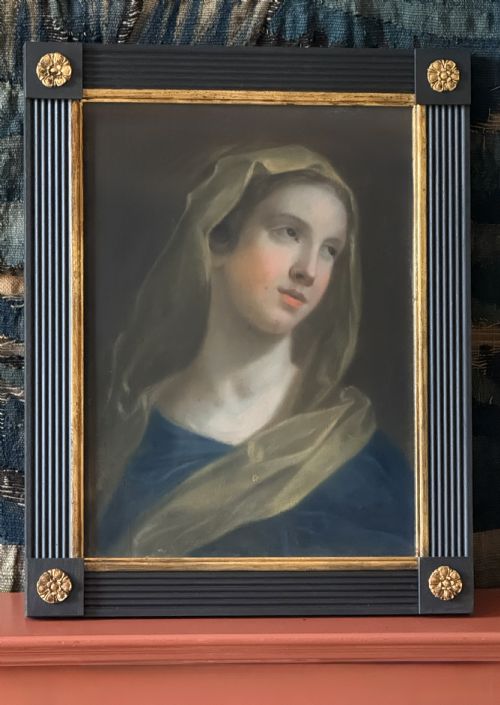
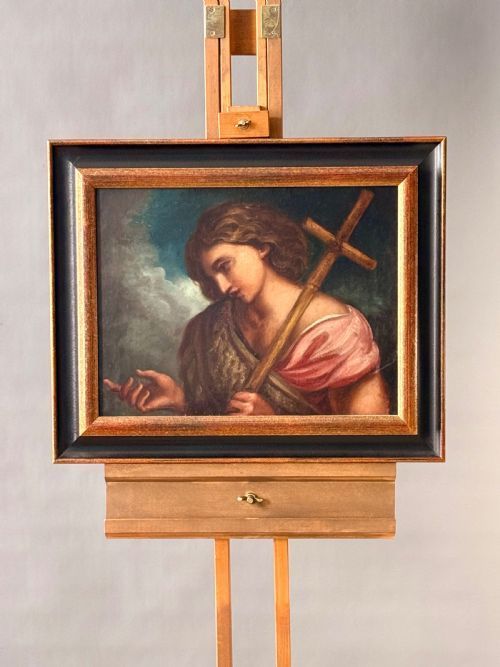
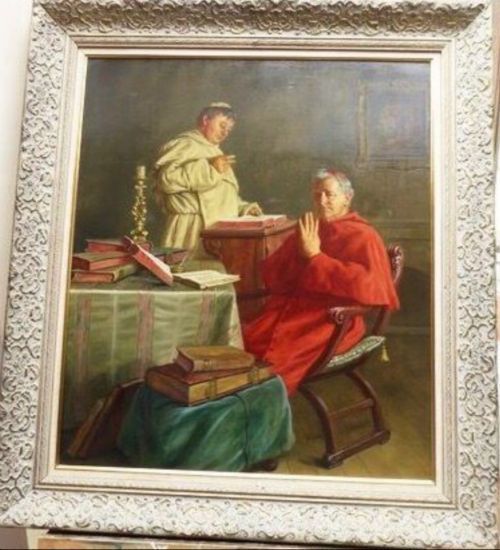
These antique religious portrait artwork pieces capture centuries of devotion through painted canvases and carved frames, bringing profound historical presence into a room.
Antique Religious Portrait Artwork
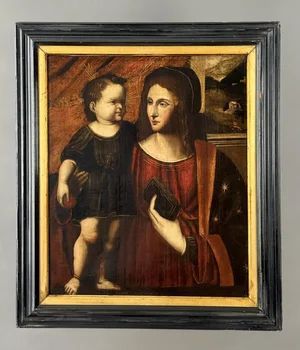
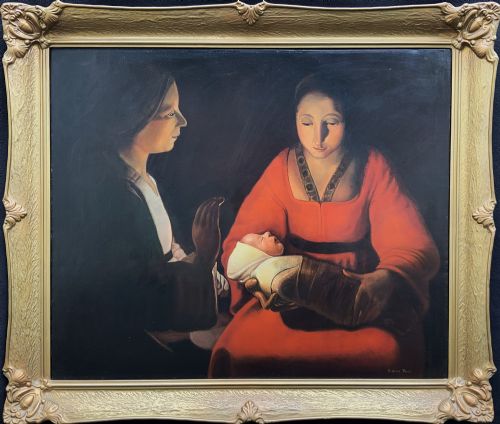
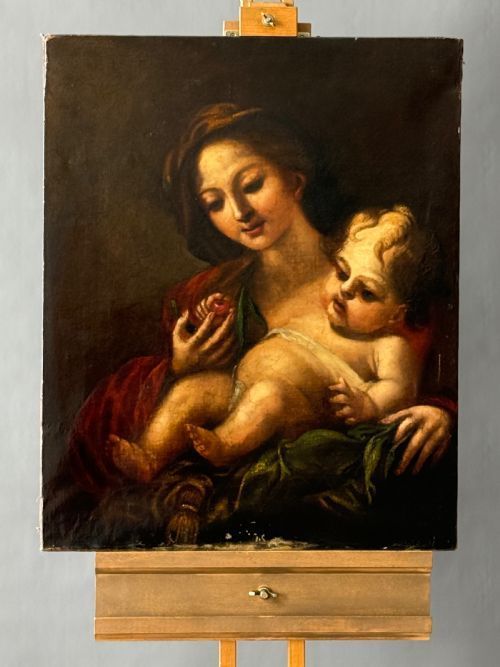
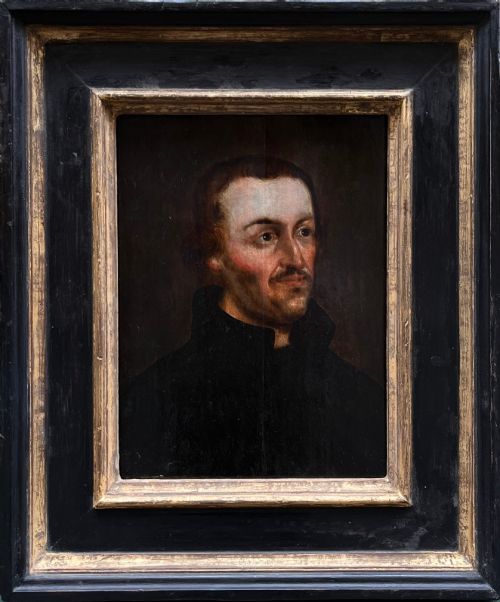
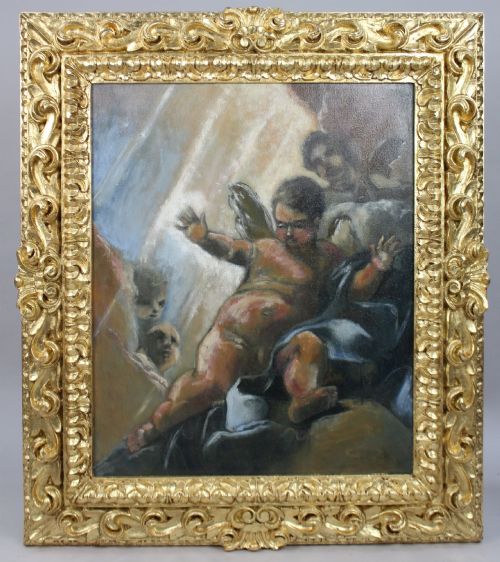
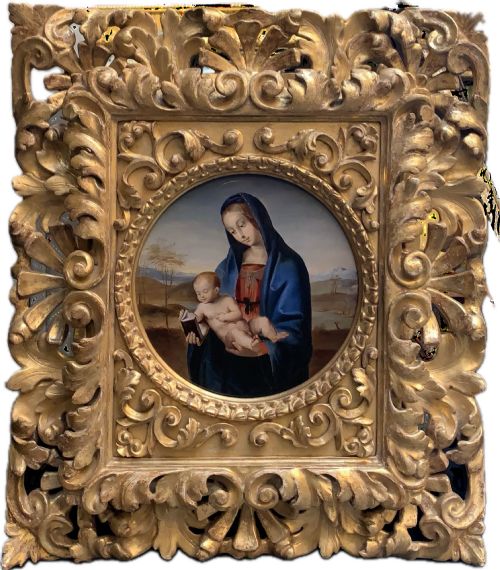
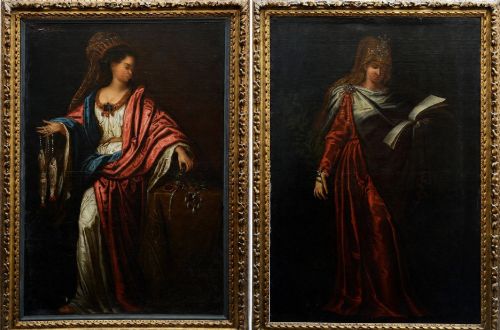
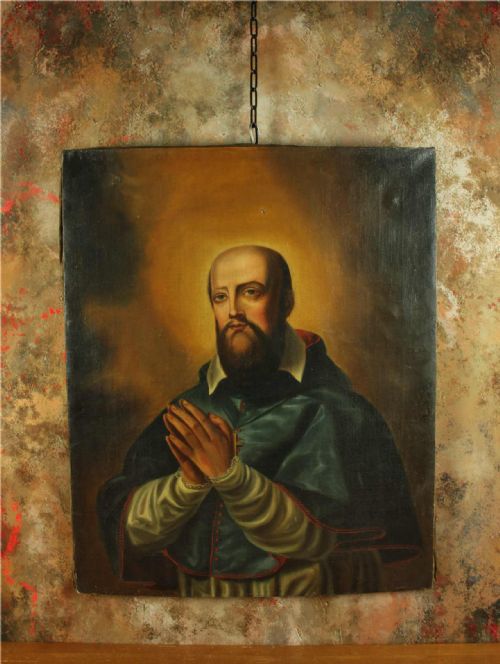
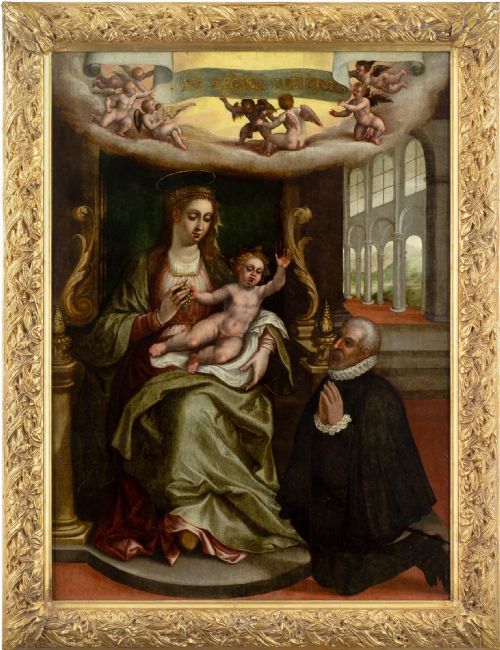
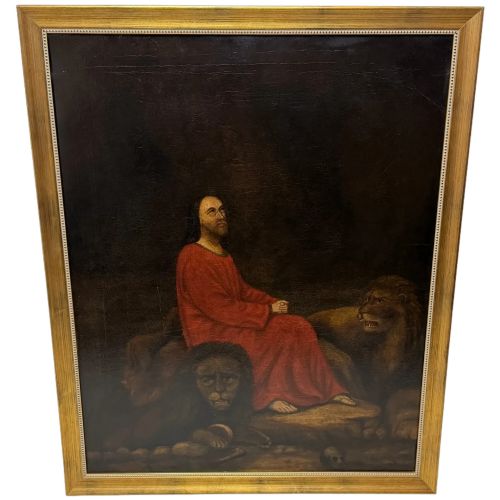
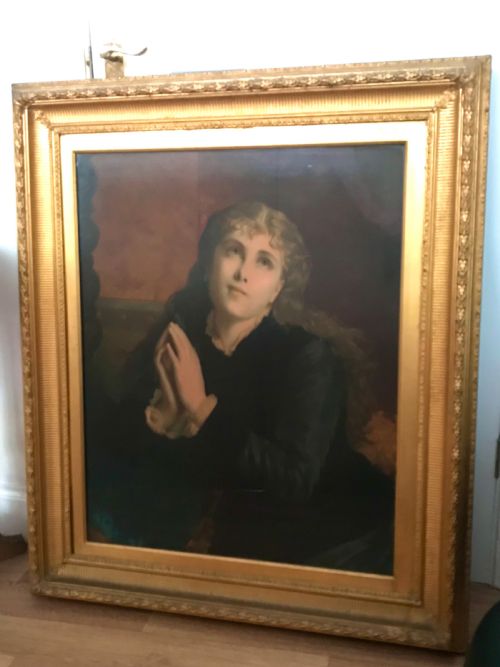
When you search for antique religious portrait artwork, you encounter centuries of devotional imagery spanning European schools from the sixteenth through the nineteenth centuries. These works predominantly depict sacred figures, including the Madonna and Child, saints, and biblical narratives rendered in oil paint on canvas or wood panels. Italian, French, and Spanish regional schools form the core of what you will find here, ranging from intimate domestic panels to large gallery compositions.
The selection frequently includes copies after Renaissance masters like Raphael and Correggio, alongside original devotional paintings created by regional European workshops. Alongside traditional oil paintings, the offerings extend to pastels, engravings, Limoges enamel plaques, and occasionally scroll formats from other traditions. Each piece reflects the specific theological and artistic climate of its period, from strict Baroque counter-reformation drama to serene Renaissance idealism.
How they were made
Makers applied oil paint to stretched canvas or prepared wooden panels, often building up rich glazes and deep shadows characteristic of Baroque and Renaissance techniques. Many works are housed in their original or period-appropriate carved wood and gesso frames, which were frequently heavily gilded.
Support materials range from sturdy oak and softwood panels to woven canvas, whilst secondary mediums like pastel, enamel, and printed paper appear in specialised commemorative pieces. The application of gesso provided a smooth, stable ground for intricate gilding and paint layers on the more elaborate frames.
Antique Religious Portrait Artwork Retail Price Guide 2026
Typical asking prices for religious portrait artwork among the pieces listed under this phrase on Sellingantiques today, from the lower quarter to the upper quarter. They describe what is for sale here now, not the wider market.
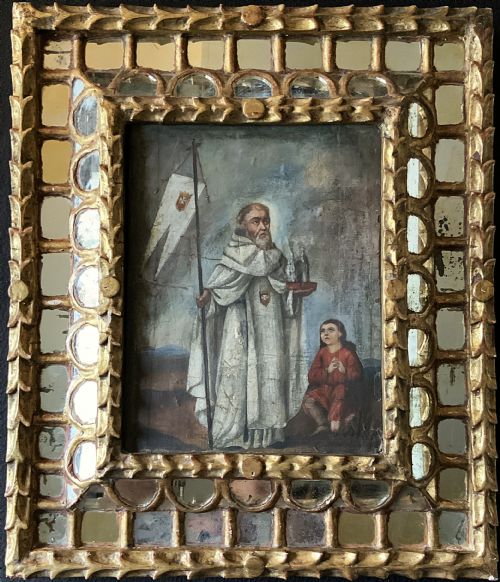
Saint Elijah travels by raven rather than carriage in seventeenth-century Madrid.
What varies in quality
The sophistication of the brushwork and the anatomical confidence of the painted figures distinguish master studio output from more modest provincial copies. Finer execution in the rendering of textiles, hands, and facial expressions elevates an artwork beyond standard devotional production.
The preservation of the original paint surface and the integrity of the period giltwood frame heavily influence the standing of an individual piece. Works retaining their untouched historic surface and contemporary framing demonstrate superior archival survival.
Georges de La Tour·Benedetto Luti·Miguel Barroso·Francesco Solimena·Juan Ruiz Soriano
The Antique Religious Portrait Artwork Glossary
- Old Master
- A term applied to European painters of skill working before the nineteenth century. These artists usually operated within established regional workshops.
- Baroque
- An artistic style originating around sixteen hundred, characterised by dramatic lighting, deep emotion, and dynamic composition. It dominated religious art during the counter-reformation.
- Gesso
- A plaster-like mixture applied to wood or canvas as a base for painting or gilding. It provides a smooth surface for intricate decorative moulding.
- Provenance
- The documented history of ownership associated with an artwork. Clear records help verify the age and origin of devotional pieces.
Antique Religious Portrait Artwork: Frequently Asked Questions
How should I care for antique oil paintings?
Keep religious canvases away from direct sunlight and dramatic fluctuations in room temperature to prevent the paint and canvas from cracking.
Dust the surface gently with a soft, dry brush and avoid using chemical cleaning products on aged oil paint or historic gilding.
Are these paintings original or copies?
The inventory contains both original works by regional European schools and period copies after masters like Raphael and Correggio.
Many historic artists painted devotional copies for study or private worship, which are now valued as period antiques in their own right.
How can I tell the period of the frame?
Period frames often feature hand-carved wooden ornament finished with layers of gesso and gold leaf that show natural signs of ageing.
Construction methods, such as pegged wooden corners or hand-cut joinery, help distinguish eighteenth and nineteenth-century framing from later reproductions.
Where were these devotional artworks displayed originally?
Many smaller portraits and plaques were created for private domestic contemplation in household shrines or bedchambers.
Larger canvases originated in regional churches, monasteries, and institutional chapels before entering the art market.